
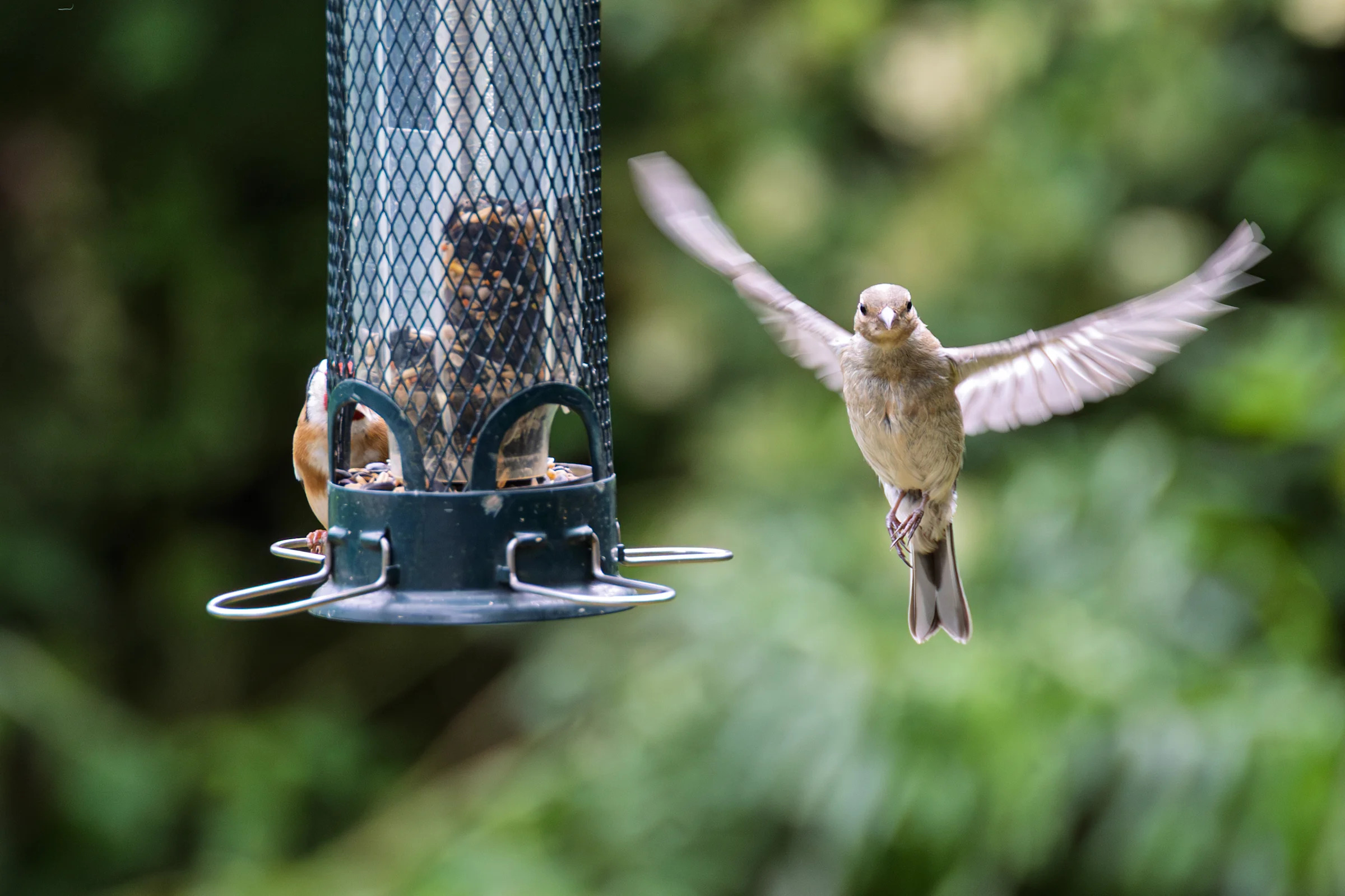
Have you ever wondered if it’s safe to feed raisins to the birds visiting your garden? You want to treat your feathered friends with something tasty, but you also want to keep them healthy and safe.
It’s easy to assume that raisins, being a natural fruit, are a good choice. But before you toss those tiny dried grapes onto your bird feeder, there are important things you need to know. Keep reading, because what you do next could make a big difference to the birds you care about.
Bird Diet Basics
Understanding bird diet basics helps provide safe and healthy food. Birds need balanced nutrition for energy, growth, and survival. Their diets vary by species, habitat, and season. Knowing common foods and nutritional needs improves feeding choices.
Common Bird Foods
- Seeds like sunflower, millet, and safflower are popular.
- Fruits such as apples, berries, and grapes offer vitamins.
- Nuts provide healthy fats and protein.
- Insects and worms supply protein and minerals.
- Vegetables like peas and corn add fiber and nutrients.
Nutritional Needs
Birds require protein for muscle and feather growth. Carbohydrates give energy for daily activities. Fats support brain function and insulation. Vitamins and minerals keep bones and immune systems strong. Water is essential for hydration and digestion.
Raisins And Birds
Raisins often catch the eye of bird watchers and nature lovers as a tempting treat to share with feathered friends. But is it really safe or healthy to feed birds raisins? Understanding how raisins affect birds can help you make better choices when offering snacks in your backyard.
Nutritional Value Of Raisins
Raisins are dried grapes packed with natural sugars, vitamins, and minerals. They contain:
- High levels of energy from natural sugars like glucose and fructose
- Small amounts of vitamins such as Vitamin C and B-complex
- Minerals including potassium, iron, and calcium
This mix provides a quick energy boost, especially helpful during cold months when birds need extra fuel. However, raisins lack protein and fats, which are also essential for bird health.
Potential Benefits
Feeding birds raisins can offer several benefits, especially as an occasional treat. The natural sugars help birds regain energy after long flights or during chilly weather. Raisins can attract a variety of bird species, including robins, blue jays, and cardinals, making your yard lively and colorful.
Still, moderation is key. Too many raisins can cause digestive issues or an unbalanced diet for birds. Have you ever noticed birds eagerly pecking at raisins but ignoring other foods? This behavior shows their natural preference for sweet, high-energy snacks, but it also highlights the need for balanced feeding habits.
Risks Of Feeding Raisins
Feeding birds raisins might seem harmless and even kind. Yet, it carries risks that many do not notice. Birds have delicate digestive systems. Some foods safe for humans can harm them. Raisins, in particular, pose health risks that need attention.
Possible Health Issues
Raisins contain high sugar levels. Too much sugar can upset a bird’s stomach. Birds may suffer from digestive problems like diarrhea. Excess sugar also leads to obesity in some species. Obesity reduces their ability to fly and escape predators. Feeding raisins often can create nutritional imbalances. Birds might eat fewer natural foods and miss vital nutrients.
Toxicity Concerns
Raisins can be toxic to some bird species. Compounds in raisins may cause kidney damage. Signs of toxicity include weakness, vomiting, and lethargy. Toxic reactions vary by bird type. Some birds tolerate raisins better than others. It is hard to know which birds are safe. Feeding raisins without caution puts birds at risk.
Credit: www.homesandgardens.com
Safe Feeding Practices
Feeding birds raisins can be safe with the right care. Birds enjoy sweet treats, but their health depends on how you offer these foods. Unsafe feeding can cause choking or digestive issues. Knowing safe feeding practices helps birds stay healthy and happy.
How To Offer Raisins Safely
Choose unsweetened and unsulphured raisins. Avoid those with added sugar or preservatives. Soak raisins in water for a few hours to soften them. Soft raisins reduce choking risks and are easier to digest.
Place raisins on a flat surface or mix them with birdseed. Avoid feeding raisins alone in large amounts. Small pieces prevent choking and make eating easier. Watch the birds while they eat to ensure safety.
Alternatives To Raisins
Offer other safe fruits and treats for variety. Fresh fruits like apples, berries, and grapes work well. Vegetables such as peas and corn provide extra nutrition. Nuts and seeds also make good snacks in moderation.
- Chopped apples (no seeds)
- Blueberries
- Seedless grapes
- Cooked sweet corn
- Unsalted sunflower seeds
Always introduce new foods gradually. Monitor the birds’ reactions to avoid digestive problems.
Species-specific Considerations
Feeding birds raisins might seem harmless, but not all species react the same way to this sweet treat. Understanding which birds can safely enjoy raisins and which ones should avoid them is key to keeping your backyard visitors healthy. Let’s look closely at the species-specific considerations to help you make informed choices.
Birds That Can Eat Raisins
Many fruit-eating birds enjoy raisins without any trouble. Species like:
- Thrushes– They naturally consume berries and dried fruits in the wild.
- Mockingbirds– Known for their varied diet, raisins can be a safe occasional snack.
- Woodpeckers– Some woodpecker species accept dried fruits like raisins as part of their diet.
- Parrots and Parakeets– These birds often thrive on a mix of fruits including raisins.
If you feed raisins to these birds, make sure the raisins are fresh and unsweetened. Avoid any with added sugars or preservatives, as these can harm their health.
Birds To Avoid Feeding Raisins
Not every bird can handle raisins well. Birds with delicate digestive systems or specialized diets may struggle. Avoid feeding raisins to:
- Seed-eating birdslike finches and sparrows; raisins offer little nutritional value for them.
- Waterfowlsuch as ducks and geese; their diet is better suited to aquatic plants and grains.
- Raptorslike hawks and owls; they are carnivores and should not be fed fruit at all.
- Birds prone to obesity– Raisins are high in sugar and can contribute to weight issues.
Have you noticed how some birds seem uninterested in raisins? Their preferences often reflect what’s healthy for them. Observing their behavior can guide you on what treats to offer.

Credit: www.birdwatchingdaily.com
Signs Of Problems After Feeding
After feeding birds raisins, it’s important to keep a close eye on their behavior and health. Even though raisins are generally safe in small amounts, some birds may react differently. Recognizing early signs of trouble can help you act quickly to protect their well-being.
Symptoms To Watch For
Watch for any changes in the bird’s activity level. If they seem unusually lethargic or weak, this could signal a problem.
Other warning signs include:
- Difficulty breathing or wheezing sounds
- Unusual droppings that are watery or discolored
- Loss of appetite or refusal to eat
- Visible swelling around the beak or eyes
- Repeated vomiting or regurgitation
Even if symptoms seem mild, they may indicate an underlying issue caused by the raisins or other factors. Have you noticed your backyard birds acting differently after a treat?
When To Seek Help
If you observe any of these symptoms lasting more than a few hours, it’s time to get professional advice. Contact a local wildlife rehabilitator or avian vet to discuss the bird’s condition.
Don’t wait for symptoms to worsen. Early intervention can make a big difference in recovery.
Keep a note of what you fed the bird and when. This information will help experts diagnose and treat the problem effectively.

Credit: www.amazon.com
Frequently Asked Questions
Can Birds Eat Raisins Safely?
Yes, birds can eat raisins safely in moderation. Raisins are a good source of energy and nutrients. However, they should be offered in small amounts to prevent digestive issues. Always ensure the raisins are unsweetened and free from preservatives. Soak them in water to make them easier for birds to consume.
Are Raisins Beneficial For Birds?
Raisins are beneficial as they provide natural sugars and nutrients. They contain fiber, vitamins, and minerals essential for birds’ health. However, they should be part of a balanced diet. Combine raisins with seeds and fresh fruits to offer a varied diet.
Moderation is key to avoid any potential health issues.
How Often Should I Feed Birds Raisins?
Feed birds raisins occasionally, about once or twice a week. Raisins are high in sugar and should not replace regular bird food. Offer them as a treat alongside other foods. This ensures a balanced diet and prevents any digestive problems.
Monitor the birds to ensure they enjoy the treat without issues.
Are There Any Risks In Feeding Birds Raisins?
Feeding birds raisins in excess can lead to health issues. High sugar content might cause digestive problems if overconsumed. Ensure raisins are unsweetened and free from harmful additives. Soaking them makes them easier to digest. Always observe the birds’ health and adjust their diet accordingly.
Conclusion
Feeding birds raisins can be safe in small amounts. Always check if the raisins are plain and unsweetened. Too many raisins might upset birds’ stomachs. Fresh fruits and seeds are better choices for bird diets. Remember, birds need variety to stay healthy and strong.
Watching birds enjoy natural food is a joy. Keep their meals simple and natural for best results. Feeding birds with care helps them thrive outdoors. Choose foods that support their well-being every day.