
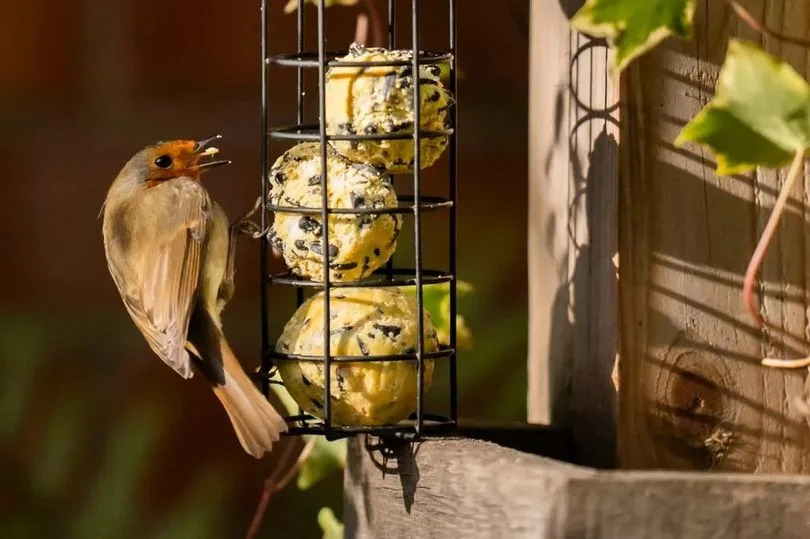
Have you ever found yourself tossing leftover bread crumbs to the birds in your garden? It feels like a kind, simple way to help them, right?
But what if what seems like a harmless treat could actually harm your feathered friends? You might be surprised to learn that not all bread is safe for garden birds. If you care about keeping your outdoor visitors healthy and happy, it’s important to know the truth behind feeding bread.
Keep reading, because what you discover could change the way you support your garden birds forever.
Bread And Bird Nutrition
Birds need a balanced diet to stay healthy and active. Bread is a common food people offer to garden birds. Understanding how bread fits into bird nutrition helps us make better feeding choices. Let’s explore the nutritional value of bread and what birds really need in their diet.
Nutritional Value Of Bread
Bread mainly contains carbohydrates, which give energy. It has little protein, vitamins, or minerals. White bread has fewer nutrients than whole grain bread. Bread also contains salt and sometimes sugar, which can be harmful to birds in large amounts. Too much bread can fill birds up without giving enough nutrients. This can lead to poor health and malnutrition.
Birds’ Dietary Needs
Birds need a mix of nutrients to thrive. Their diet includes:
- Proteins for muscle and feather growth
- Fats for energy and warmth
- Vitamins and minerals for overall health
- Seeds, fruits, insects, and nuts
These foods provide essential nutrients that bread lacks. Feeding birds only bread can cause nutritional gaps. It’s better to offer a variety of natural foods. This supports their health, growth, and survival through different seasons.

Credit: www.allaboutbirds.org
Potential Risks Of Feeding Bread
Feeding bread to garden birds might seem harmless. Many enjoy watching birds eat leftover bread. Yet, bread can cause several risks to bird health and the environment. Understanding these risks helps protect wild birds better.
Health Issues For Birds
Bread lacks essential nutrients birds need to stay healthy. Birds eating too much bread may suffer from malnutrition. The soft, wet bread can stick in their throats or crop. Moldy bread may cause infections or poisoning. Feeding bread often can weaken birds’ immune systems.
Impact On Bird Behavior
Bread feeding can change natural bird behavior. Birds may become dependent on human food. This dependence stops them from foraging naturally. Large groups gather around feeding spots, causing stress and fights. It may also attract unwanted pests like rats.
Environmental Concerns
Uneaten bread pollutes water and soil. It can lead to algae growth in ponds and lakes. This growth reduces oxygen, harming fish and other wildlife. Bread crumbs on the ground encourage weed growth and litter. Feeding bread disrupts the natural balance of the garden ecosystem.
When Bread Can Be Safe
Bread is often given to garden birds, but it can harm them if fed carelessly. There are times when bread can be safe for birds. The key is careful feeding and choosing the right type of bread. This helps birds enjoy a treat without risking their health.
Moderation And Portion Control
Feeding bread in small amounts is very important. Birds need a balanced diet with seeds and insects. Bread has little nutrition and too much can fill their stomachs. Overfeeding bread may cause malnutrition and health problems.
Offer bread as an occasional treat, not a main food. Use small pieces to help birds eat easily. Avoid giving bread every day or in large quantities. This keeps birds healthy and active.
Suitable Types Of Bread
Plain bread is better than bread with added ingredients. Avoid bread with salt, sugar, or seeds. These extras can harm birds or cause digestive issues.
Whole grain or brown bread is a safer choice. It contains more nutrients than white bread. Fresh bread is best. Stale or moldy bread can be toxic and cause illness.
Always break bread into small pieces to make it easy to eat. This reduces choking risks and helps birds digest food better.
Better Alternatives To Bread
Bread lacks the nutrients garden birds need. Feeding bread can fill their stomachs but leave them hungry for real food. Choosing better foods helps birds stay healthy and strong. These alternatives provide energy and vitamins essential for survival.
Seeds And Nuts
Seeds and nuts are rich in fats and proteins. Birds like sunflower seeds, millet, and peanuts. These foods help birds stay warm in cold weather. Offer them unsalted and fresh for the best results.
Fruits And Vegetables
Fresh fruits and vegetables supply vitamins and moisture. Small pieces of apple, berries, or carrots work well. Avoid citrus fruits as they can upset birds’ stomachs. These treats boost birds’ immune systems naturally.
Specialized Bird Food
Specialized bird food mixes are designed for wild birds. They contain balanced nutrients and attract many species. Purchase high-quality brands from garden stores. Using these foods supports birds throughout the year.
Tips For Feeding Garden Birds
Feeding garden birds can be a rewarding experience, but it’s important to do it right. Knowing how to feed birds properly helps keep them healthy and encourages them to visit your garden more often. Here are some practical tips that will make your bird-feeding routine both enjoyable and safe for your feathered friends.
Feeding Schedule
Birds thrive on consistency, so try to feed them at the same times each day. Early morning and late afternoon are usually best because birds are most active during these hours. Regular feeding helps birds build trust and rely on your garden as a food source, especially during harsh weather.
Have you noticed how birds quickly learn your routine? I once fed my garden birds every morning, and within a week, they were waiting eagerly at the feeder. This shows how predictable schedules benefit both you and the birds.
Feeder Hygiene
Keeping your feeders clean is crucial to prevent the spread of diseases among birds. Rinse feeders with hot water and mild soap every few days, especially during wet or warm weather. Dirty feeders can harbor mold and bacteria, which harm birds more than you might think.
It’s also smart to check for leftover food that can spoil. Remove any damp or moldy bread pieces immediately, as these can cause illness. Cleanliness protects your birds and keeps your garden inviting for a variety of species.
Creating A Bird-friendly Garden
Your garden can be a safe haven beyond just providing food. Plant native shrubs and trees that offer natural shelter and nesting spots. Birds feel safer and are more likely to visit if they have places to hide from predators and bad weather.
Think about water sources too. A shallow birdbath with fresh water encourages birds to stay longer. Have you tried adding a mix of seeds instead of just bread? Offering a variety of foods, like sunflower seeds and mealworms, supports different bird species and helps maintain a balanced diet.

Credit: www.muranochickenfarm.com

Credit: www.reddit.com
Frequently Asked Questions
Is Bread Safe For Garden Birds To Eat?
Bread is not safe for garden birds as a regular food source. It offers little nutrition and can cause health problems and malnutrition.
What Are The Risks Of Feeding Bread To Birds?
Feeding bread can lead to obesity, digestive issues, and toxic mold growth. It also encourages dependency and disrupts natural foraging habits.
Can Birds Survive On Bread Alone?
No, birds cannot survive on bread alone. They need a balanced diet of seeds, insects, and fruits for proper nutrition.
What Are Better Alternatives To Bread For Garden Birds?
Offer seeds, nuts, fruits, and suet instead. These foods provide essential nutrients and support birds’ overall health and energy.
Conclusion
Feeding bread to garden birds seems simple, but consider their health. Bread fills their stomachs but lacks nutrition. It can harm them in large amounts. Fresh fruits and seeds make better choices. They provide essential nutrients. These foods support their health and energy.
Observe how birds thrive when offered varied diets. Enjoy watching them flutter happily in your garden. Make mindful choices for their well-being. Your small actions can impact their lives positively. Remember, healthy birds bring joy and beauty to your environment.
Let’s keep our feathered friends healthy and happy.