
Have you ever wondered if feeding birds in the spring is a good idea? As the weather warms up and nature awakens, you might feel the urge to help your feathered friends.
But is it really the best choice for them and your garden? What you decide could change the way birds visit your yard and even affect their natural habits. Keep reading to discover the surprising truths about feeding birds this season—and how your actions can make a positive difference.
Credit: help.gardeningexpress.co.uk
Benefits Of Feeding Birds In Spring
Feeding birds in spring offers several benefits that go beyond just providing food. It creates a vital support system during a season of growth and change for many bird species. By feeding birds now, you can make a positive impact on their survival and well-being.
Supporting Migratory Birds
Spring is a critical time for migratory birds returning from their long journeys. These birds need extra energy to refuel and regain strength after traveling thousands of miles. Offering high-energy foods like sunflower seeds and suet can help them restock vital nutrients quickly.
Have you noticed more birds visiting your feeder during early spring? That’s a sign your backyard is becoming a helpful stopover on their migration route.
Encouraging Nesting And Breeding
Feeding birds in spring can directly influence their nesting success. When birds find reliable food sources, they spend less time searching for food and more time caring for their young. This can lead to healthier chicks and higher survival rates.
Adding mealworms or soft fruits to your feeder can attract species preparing to breed. Are you ready to support your local bird population through this crucial stage?
Enhancing Backyard Birdwatching
Spring feeding turns your yard into a lively birdwatching hotspot. You’ll see a greater variety of species and witness fascinating behaviors like courtship and nest building. This can deepen your connection with nature and teach you more about local wildlife.
Try keeping a notebook or camera handy to capture these moments. What new bird species might visit your feeder this spring?
Types Of Food To Offer
Choosing the right food is important to help birds stay healthy in spring. Birds need different nutrients at this time. Offering the correct food supports their energy and growth. Some foods attract more birds than others.
Seeds And Grains
Seeds and grains are popular with many bird species. Black oil sunflower seeds are high in fat and easy to eat. Millet is great for smaller birds like sparrows and finches. Offer mixed seeds to attract various birds to your feeder. Use fresh seeds to avoid mold and spoilage.
Fruits And Suet
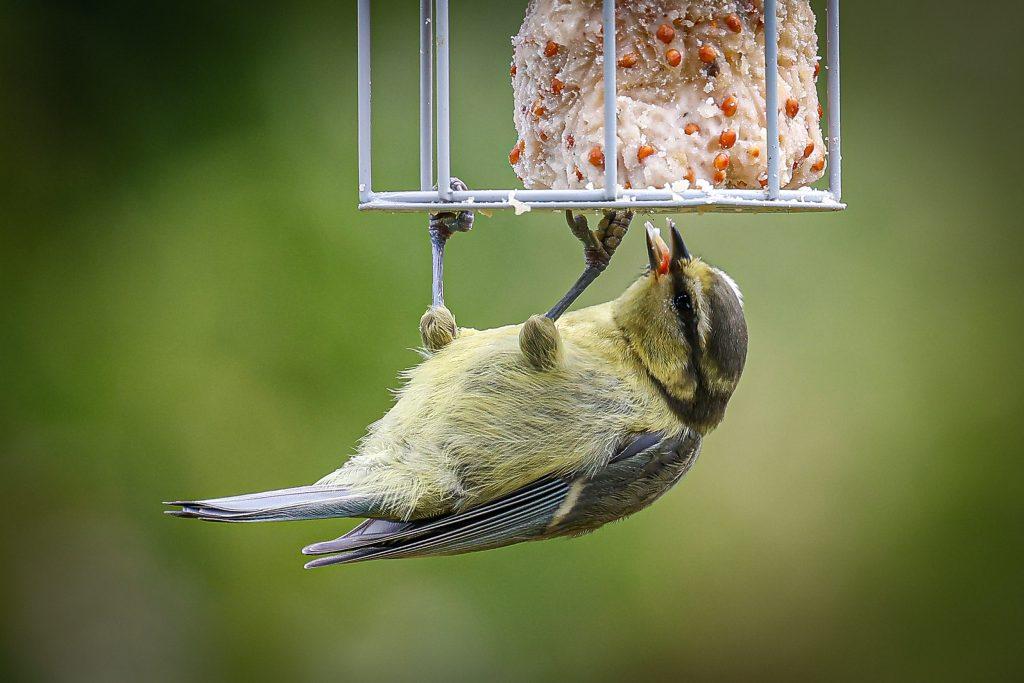
Fruits provide natural sugars and vitamins. Small pieces of apple, berries, or grapes work well. Suet is a high-energy food made from animal fat. It helps birds stay warm and active during cooler spring mornings. Suet blocks with nuts or seeds add extra nutrition.
Avoiding Harmful Foods
Some foods can harm birds and should be avoided. Avoid bread, as it offers little nutrition and can cause illness. Do not feed salted or processed snacks. Chocolate and caffeine are toxic to birds. Always provide clean, fresh food and water to keep birds safe.
Best Feeding Practices
Feeding birds in the spring can support their energy needs during breeding and migration. Using the right practices helps keep birds healthy and safe. Clean feeders and proper food choices attract a variety of birds. Small changes make a big difference for your feathered friends.
Choosing The Right Feeders
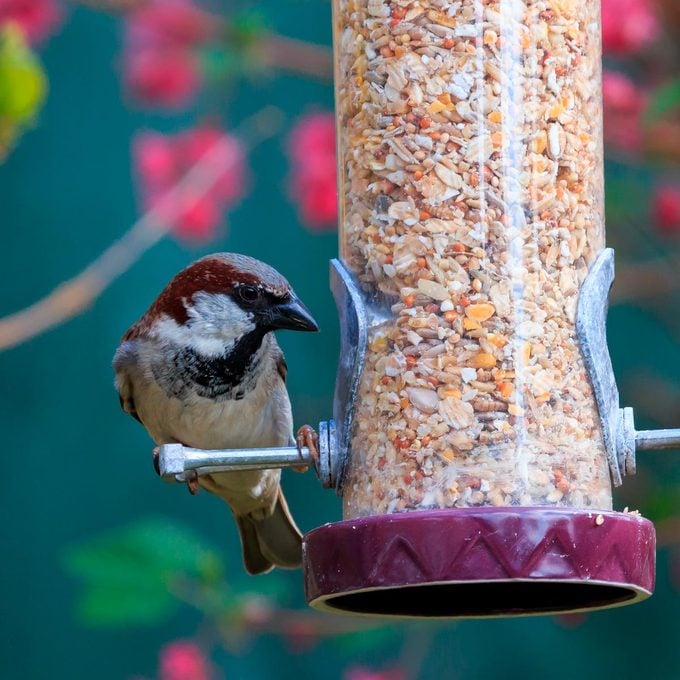
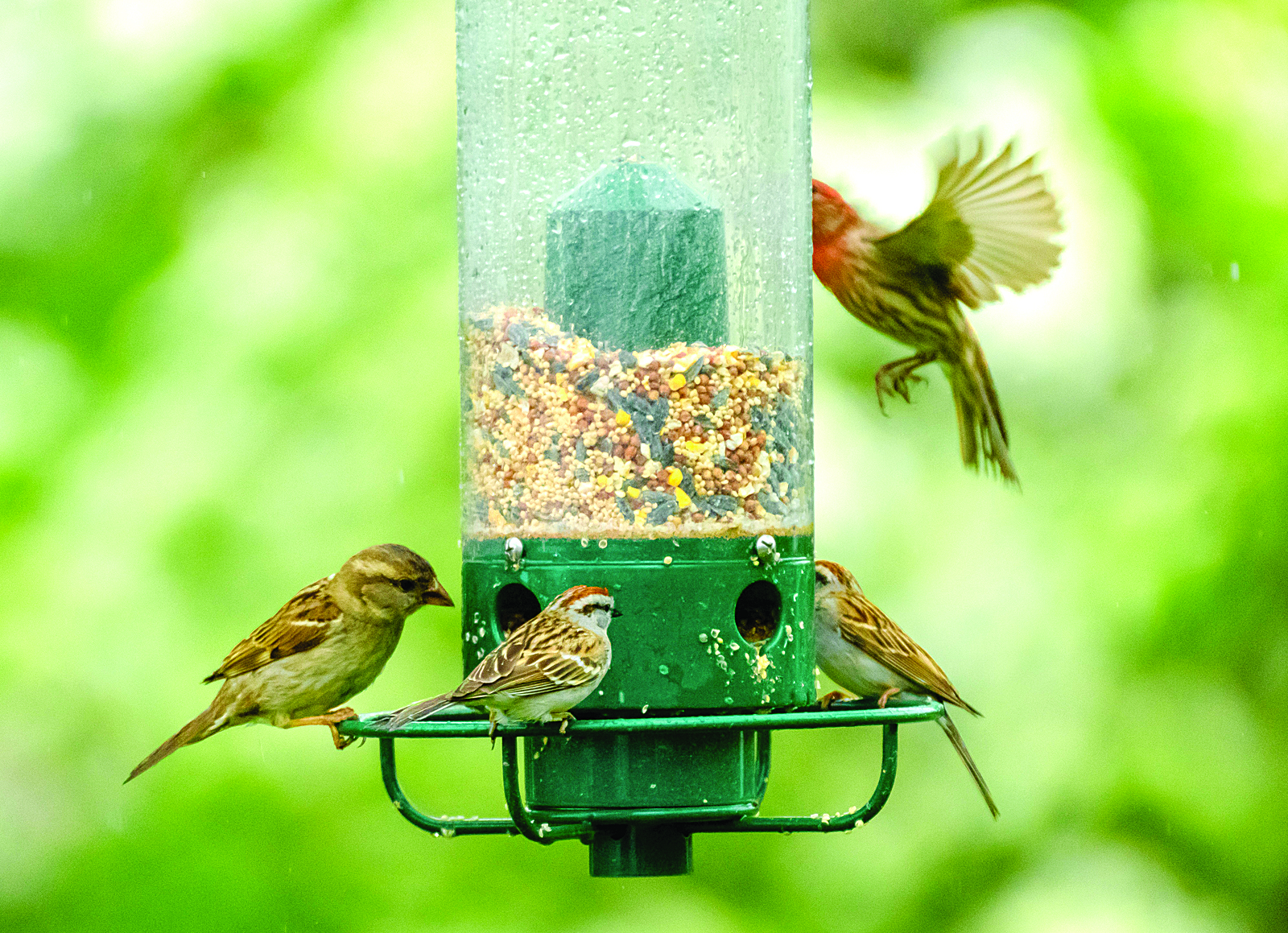
Select feeders that protect food from rain and pests. Tube feeders suit small songbirds well. Platform feeders attract larger birds and provide easy access. Use feeders made from durable materials like metal or thick plastic. Ensure feeders have proper drainage holes to keep seeds dry.
Maintaining Cleanliness
Clean feeders regularly to prevent mold and bacteria buildup. Wash with warm water and mild soap every two weeks. Rinse thoroughly to remove all soap residue. Avoid harsh chemicals that can harm birds. Dry feeders completely before refilling to stop mold growth.
Feeding Frequency And Quantity
Feed birds daily during early spring when natural food is scarce. Offer small amounts of food to reduce waste. Refill feeders in the morning to provide energy for birds’ daily activities. Stop feeding late in the season as natural food becomes abundant. Observe bird activity to adjust feeding amounts properly.
Credit: www.familyhandyman.com
Potential Risks To Consider
Feeding birds in spring seems like a kind gesture, but it’s important to weigh potential risks before you fill your feeder. Understanding these risks helps you make choices that support birds without causing harm. Let’s look closely at some key concerns you should keep in mind.
Attracting Predators
Feeding birds can unintentionally invite predators like cats, raccoons, or even hawks to your yard. These predators might see your feeder as a hunting hotspot, putting the birds at risk. If you’ve ever noticed fewer birds around after setting up a feeder, it could be due to increased predator activity nearby.
To protect your feathered visitors, place feeders in open areas where birds can spot danger easily. Avoid dense bushes or places where predators can hide close by. Do you feel confident your feeder is in a safe spot?
Disease Prevention
Bird feeders can become breeding grounds for diseases if not cleaned regularly. Moldy seeds, bird droppings, and damp feeders spread illnesses like salmonella and avian pox. I once had to stop feeding for a while when several backyard birds showed signs of sickness linked to a neglected feeder.
Clean your feeders at least once every two weeks with hot, soapy water. Rinse well and let them dry completely before refilling. Keeping your feeders hygienic protects both the birds and your local ecosystem.
Impact On Natural Foraging
When you provide easy food, birds might rely too much on feeders and reduce their natural foraging. This can affect their survival skills and diet variety. Think about whether your feeding might be discouraging birds from exploring nearby flowers, trees, or shrubs for insects and seeds.
Try offering food only during harsh weather or early spring when natural food is scarce. Gradually reduce feeding as nature’s bounty returns, encouraging birds to forage naturally again. Could your feeding habits be helping or hindering your local birds’ independence?
Creating A Bird-friendly Garden
Creating a bird-friendly garden invites nature closer to your home. Birds bring life and color to any outdoor space. A garden designed for birds supports their needs during spring. It offers food, water, and safe places to rest and raise young. Simple changes can make a big difference for local birds.
Planting Native Flora
Native plants attract birds by providing familiar food and shelter. They offer seeds, nectar, and insects that birds eat. Choose a variety of plants that bloom at different times. This ensures food is available throughout the spring season. Native plants also require less water and care.
Providing Water Sources
Birds need fresh water for drinking and bathing. Place shallow dishes or birdbaths in quiet spots. Change the water regularly to keep it clean. Adding a small fountain or dripper can attract more birds. Water sources help birds stay healthy and cool during warm days.
Offering Shelter And Nesting Sites
Birds look for safe places to hide and build nests. Dense shrubs, trees, and brush piles offer good cover. Nesting boxes can help species that use cavities. Make sure shelters are protected from predators and strong wind. A safe environment encourages birds to stay and raise their young.
Credit: localgardener.net
Frequently Asked Questions
Should I Feed Birds In The Spring Season?
Feeding birds in spring helps them during scarce food availability. It supports nesting and energy needs. Use fresh, natural seeds and clean feeders regularly to keep birds healthy and safe.
What Foods Are Best For Birds In Spring?
Offer high-protein foods like mealworms, suet, and sunflower seeds. These help birds build strength for nesting and raising chicks. Avoid processed or sugary foods, as they can harm birds.
Does Feeding Birds In Spring Affect Their Natural Behavior?
Feeding birds in spring generally supports their natural behavior. It provides extra energy for breeding and migration. Ensure feeders are clean and placed safely to prevent dependence or health issues.
How Often Should I Clean Bird Feeders In Spring?
Clean feeders at least once a week during spring. This prevents mold, bacteria, and disease spread among birds. Use warm water and mild soap for effective cleaning.
Conclusion
Feeding birds in spring can be a delightful activity. Birds appreciate the extra food as they build nests and raise chicks. Choose seeds and feeders wisely for local bird species. Keep feeders clean to prevent disease. Enjoy watching the birds and their lively antics.
It can also be a learning opportunity for kids. By feeding birds, you support local wildlife. You also help maintain the balance in your garden. So, should you feed birds in spring? Absolutely, it’s beneficial for both birds and people.