
If you want to attract beautiful cardinals to your yard, choosing the right bird feeder is key. You might be wondering, “What bird feeder do cardinals like best?” The answer can make all the difference in bringing these bright, cheerful birds right to your window.
You’ll discover simple tips and practical advice to pick the perfect feeder that cardinals can’t resist. Keep reading, and soon you’ll enjoy watching these stunning birds up close every day.
Cardinal Feeding Habits
Understanding cardinal feeding habits is key to attracting these vibrant birds to your feeder. Cardinals have distinct preferences that influence what and when they eat. Paying attention to these habits can help you create a welcoming spot in your yard that keeps cardinals coming back day after day.
Preferred Food Types
Cardinals favor seeds that are easy to handle and rich in nutrients. Black oil sunflower seeds top their list because of their thin shells and high oil content. These seeds provide the energy cardinals need, especially during colder months.
Other favorites include safflower seeds and cracked corn. Avoid cheap, mixed birdseed blends that contain fillers like millet; cardinals often ignore these. Offering fresh, high-quality seeds can make a noticeable difference in attracting cardinals.
- Black oil sunflower seeds
- Safflower seeds
- Cracked corn
Have you noticed that cardinals tend to avoid seed mixes with a lot of millet? This simple change in your seed choice can improve your chances of a cardinal visit.
Feeding Times
Cardinals are most active at feeders during the early morning and late afternoon. These times align with their natural foraging behavior in the wild. Setting your feeder out early can catch their attention as they start their day.
Evening visits often occur as cardinals prepare to roost. If you want to see cardinals regularly, try observing your feeder during these peak times. You might be surprised how consistent their schedule is.
Do you ever wonder why some feeders seem empty midday? Cardinals tend to rest and digest during this period, conserving energy for their next feeding session. Timing your feeding to match their habits can make your birdwatching experience more rewarding.
Credit: www.dutchcrafters.com
Best Bird Feeders For Cardinals
Choosing the right bird feeder can make all the difference when attracting cardinals to your yard. Cardinals prefer feeders that provide easy access and a stable place to perch. Understanding their feeding habits helps you select a feeder that keeps them coming back, making your birdwatching experience more enjoyable.
Tube Feeders
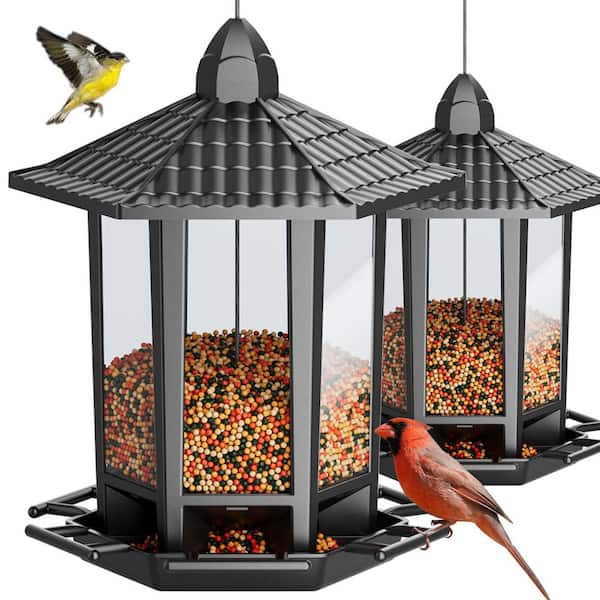
Tube feeders are long, cylindrical feeders with multiple feeding ports. Cardinals like these when the ports are large enough for their beaks and when there are sturdy perches. However, cardinals often prefer feeders that allow them to sit comfortably while eating, so choose tube feeders with wide perches or larger feeding holes.
Make sure to fill tube feeders with sunflower seeds, which are a favorite among cardinals. Have you noticed how cardinals sometimes struggle on narrow perches? A wider perch on your tube feeder can make your feeder more inviting to them.
Platform Feeders
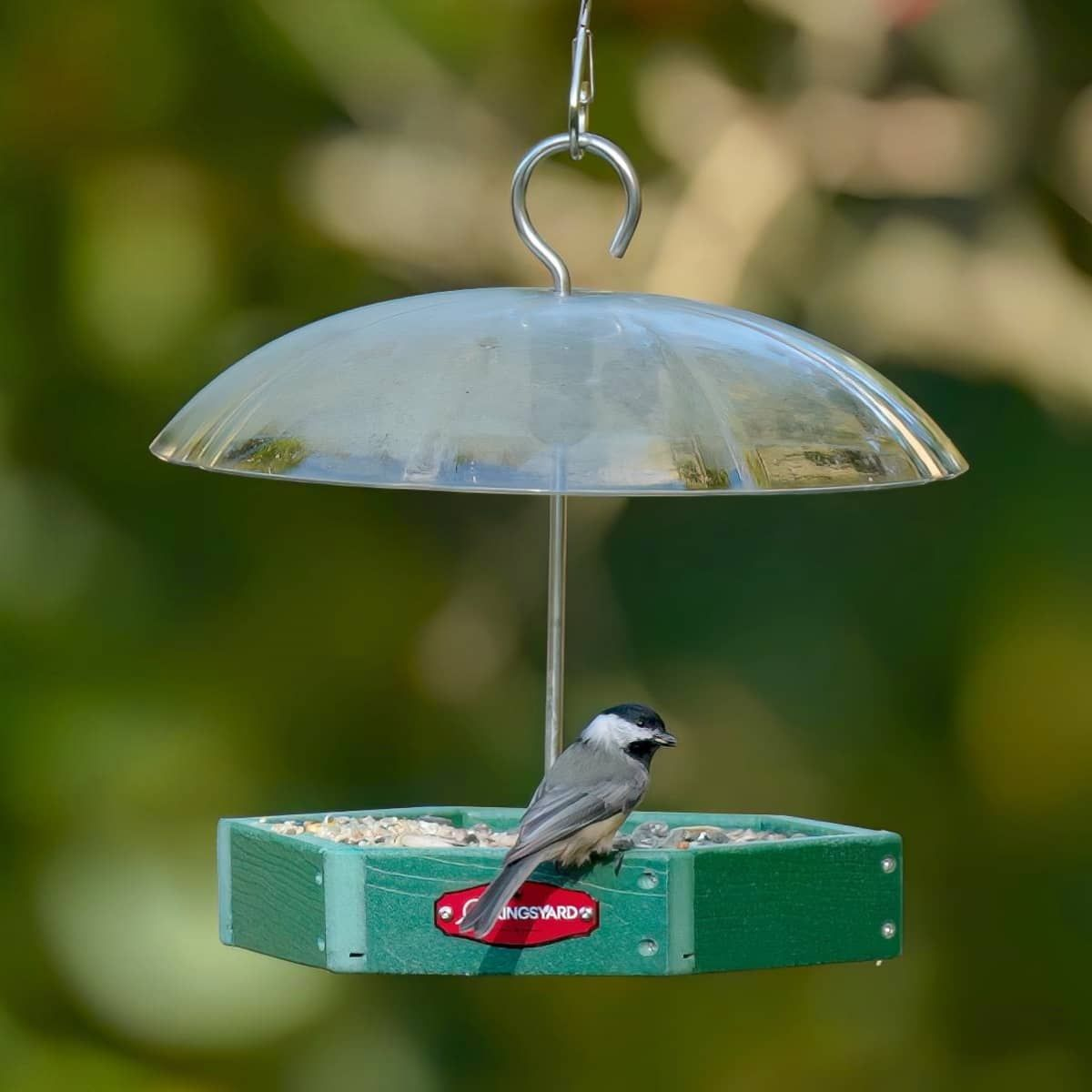
Platform feeders offer an open, flat surface that cardinals find very appealing. These feeders mimic natural feeding spots, giving cardinals plenty of room to land and eat. You can place sunflower seeds, safflower seeds, or peanuts on platform feeders to attract cardinals easily.
One tip is to place platform feeders near shrubs or trees. Cardinals feel safer when they have quick cover nearby, which encourages them to visit your feeder more often. Have you tried this setup in your yard yet?
Hopper Feeders
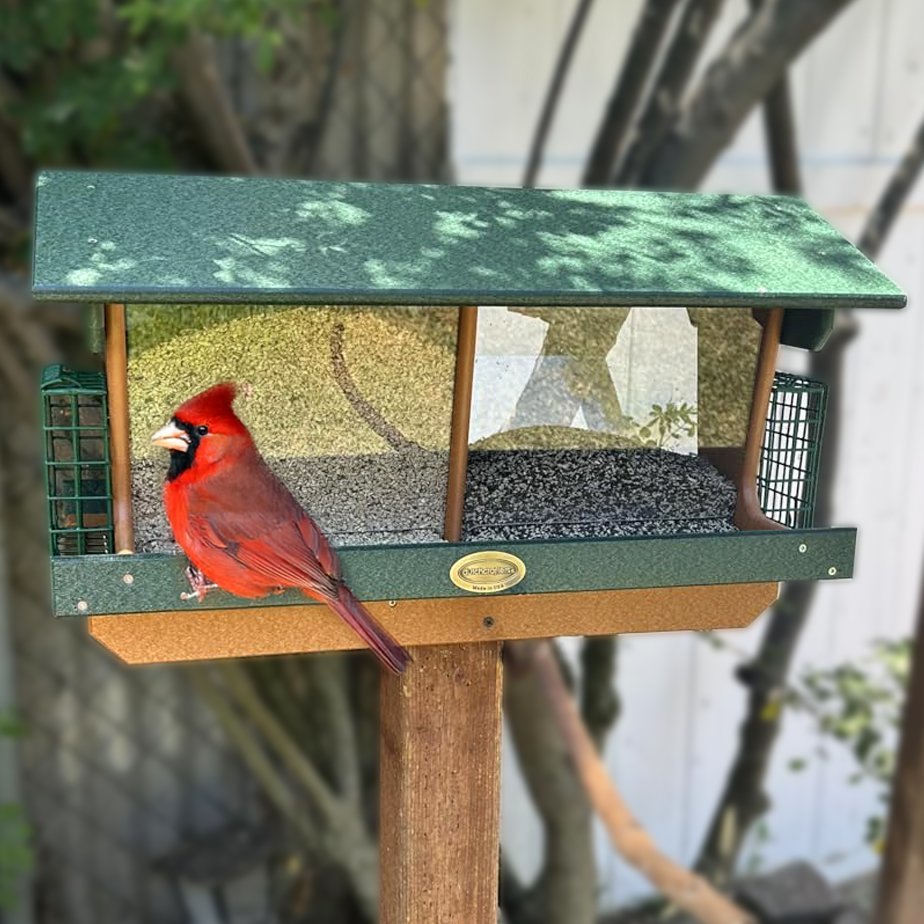
Hopper feeders combine the benefits of tube and platform feeders by offering a covered seed box with a perch area. Cardinals appreciate the shelter from weather and protection from larger birds that these feeders provide. Hopper feeders work well with mixed seed blends, especially those containing sunflower and safflower seeds.
If you want to attract a steady stream of cardinals, consider a hopper feeder. Its design makes feeding comfortable and secure, which cardinals value highly. Have you noticed cardinals favoring feeders that feel safer and shielded?
Seed Choices To Attract Cardinals
Choosing the right seeds is key to attracting cardinals to your bird feeder. Cardinals have specific tastes that can make a big difference in whether they visit regularly. Offering seeds that match their preferences keeps these vibrant birds coming back to your yard.
Sunflower Seeds
Sunflower seeds are a top favorite for cardinals. They prefer black oil sunflower seeds because they are easier to crack open and packed with nutrients. You’ll often spot cardinals perched confidently, holding the seed in their claws as they nibble away.
Try offering sunflower seeds in a platform feeder or a feeder with large perches. This setup suits cardinals’ size and feeding style perfectly. Have you noticed how quickly cardinals show up once you add sunflower seeds?
Safflower Seeds
Safflower seeds are another excellent choice. Cardinals like them, but many common pest birds avoid them, which means less competition for your feathered guests. Plus, safflower seeds hold up well in wet weather, so you don’t have to refill as often.
If you struggle with squirrels or unwanted birds, safflower seeds might be your solution. You can mix them with sunflower seeds to test which your visitors prefer most. What’s your experience with different seed mixes so far?
Other Favorite Seeds
While sunflower and safflower are top picks, cardinals also enjoy cracked corn and peanuts. These provide variety and extra energy, especially during colder months. Offering a mix can keep cardinals interested longer.
Remember to observe which seeds your cardinals favor to adjust your feeding strategy. Mixing seeds can attract a wider variety of birds while still appealing to cardinals. How often do you experiment with new seed blends at your feeder?
Credit: www.homedepot.com
Feeder Placement Tips
Proper feeder placement attracts cardinals and keeps them visiting often. Cardinals prefer spots that feel safe and comfortable. Choosing the right height and location helps them feed without stress. Placement also reduces risks from predators. Careful positioning makes your feeder a favorite spot for cardinals.
Ideal Height And Location
Place feeders about 4 to 6 feet above the ground. This height suits cardinals well. Near shrubs or small trees is best. Cardinals like to perch close by while feeding. A quiet, shaded area protects them from harsh sun and wind. Avoid busy or noisy places that scare them away.
Safety From Predators
Keep feeders at least 10 feet away from places where cats or other predators hide. Clear nearby branches that predators can jump from. Open views help cardinals spot danger early. Use baffles on poles to prevent squirrels and climbing animals. Safe feeders encourage cardinals to visit and stay longer.
Seasonal Feeding Strategies
Seasonal feeding strategies play a big role in attracting cardinals to your bird feeder throughout the year. Cardinals’ food preferences and feeding habits change with the seasons, so adjusting your approach can make a noticeable difference. Understanding these shifts helps you keep your feeder inviting and your backyard lively all year long.
Winter Feeding
During winter, cardinals need high-energy foods to stay warm and active. They especially like sunflower seeds, safflower seeds, and cracked corn, which provide essential fats and nutrients.
Keep your feeders full and clear of snow and ice. Cardinals prefer feeders that offer easy access to seeds without too much competition from other birds.
Have you noticed how cardinals often visit feeders right after sunrise during cold months? This is their way of fueling up early to survive the chill. Placing feeders in sheltered spots can help protect seeds and birds from harsh weather.
Spring And Summer Adjustments
As the weather warms, cardinals shift their diet to include more insects and fresh fruits. Adding mealworms or small pieces of fruit like berries to your feeder can attract more cardinals during these seasons.
During nesting season, cardinals are busy feeding their young and may visit your feeder more frequently. Offering a mix of seeds and protein-rich foods supports their energy needs at this time.
Try changing the feeder location slightly to provide shade and cooler spots. Cardinals prefer quiet, safe areas when feeding in warmer months. What changes can you make around your feeder to create a more comfortable environment for them?
Maintaining Your Cardinal Feeder
Maintaining your cardinal feeder is key to keeping cardinals visiting often. A clean feeder gives birds a safe place to eat. Dirty feeders can spread disease and scare birds away. Simple care helps your feeder last longer and stay attractive.
Cleaning Frequency
Clean your feeder every two weeks. During wet or humid weather, clean it once a week. Use warm water and mild soap to wash all parts. Rinse well to remove any soap. Dry completely before refilling with seed.
Preventing Mold And Pests
Check for mold regularly. Mold grows fast in damp seed. Remove any wet or clumped seed right away. Keep the feeder in a dry, shaded spot to reduce moisture. Use squirrel baffles or guards to stop pests. Keep the ground below clean to avoid attracting unwanted animals.
Additional Ways To Attract Cardinals
Attracting cardinals to your yard goes beyond just the right bird feeder. Creating a welcoming environment encourages these vibrant birds to visit regularly and feel safe. You can add layers to your garden that appeal to their natural instincts and needs.
Natural Habitat Enhancements
Cardinals love areas where they can easily hide and nest. Adding dense shrubs like holly, dogwood, or viburnum gives them perfect cover and protection from predators.
Planting native trees and bushes also provides natural food sources such as berries and insects. You might notice cardinals spending more time if you provide thick foliage near your feeder.
Have you tried leaving leaf litter or small piles of twigs? These mimic the forest floor where cardinals like to forage for insects and nesting materials. It’s a simple way to make your garden feel more like home to these birds.
Water Sources
Fresh water is a big draw for cardinals, especially in dry seasons. A birdbath with shallow water or a gentle dripper can attract them for drinking and bathing.
Keep the water clean and change it regularly to prevent mosquitoes and algae growth. If you’ve ever watched a cardinal splash in a birdbath, you know how delightful it is to see them enjoy this essential resource.
Consider placing the water source near shrubs or low branches. Cardinals feel safer when they have quick access to cover after a drink. What small changes can you make to your outdoor space to provide reliable water for birds?
Credit: www.kingsyard.com
Frequently Asked Questions
What Type Of Bird Feeder Attracts Cardinals Best?
Cardinals prefer platform feeders or hopper feeders with perches. These feeders offer easy access to their favorite seeds like sunflower and safflower.
Which Seeds Do Cardinals Like In Feeders?
Cardinals love black oil sunflower seeds, safflower seeds, and cracked corn. These seeds provide essential nutrients and are easy for cardinals to eat.
Where Should I Place A Cardinal Feeder?
Place feeders near shrubs or trees for cover and safety. Cardinals prefer quiet, sheltered areas close to their natural habitat.
How To Keep Cardinals Coming Back To My Feeder?
Offer fresh seeds daily and keep the feeder clean. Providing water nearby and avoiding competition from aggressive birds also helps.
Conclusion
Cardinals love specific bird feeders. Tube feeders work well for them. Platform feeders are also great choices. Bright colors attract cardinals. Red is their favorite. Ensure the feeder is sturdy and safe. Place it in a quiet spot. Add sunflower seeds; they enjoy these.
Keep the feeder clean. This prevents diseases. Regular maintenance is important. Cardinals will return often. Enjoy watching these vibrant birds. Their visits bring joy and beauty. Happy bird watching!