

Are you wondering what you can feed a small bird to keep it healthy and happy? Choosing the right food is key to making sure your tiny feathered friend gets the nutrients it needs.
But with so many options out there, it can be confusing to know what’s safe and tasty for them. You’ll discover simple, effective ways to nourish your small bird. Keep reading to learn exactly what to offer, what to avoid, and how to make mealtime enjoyable for your little companion.
Your bird’s well-being depends on it!
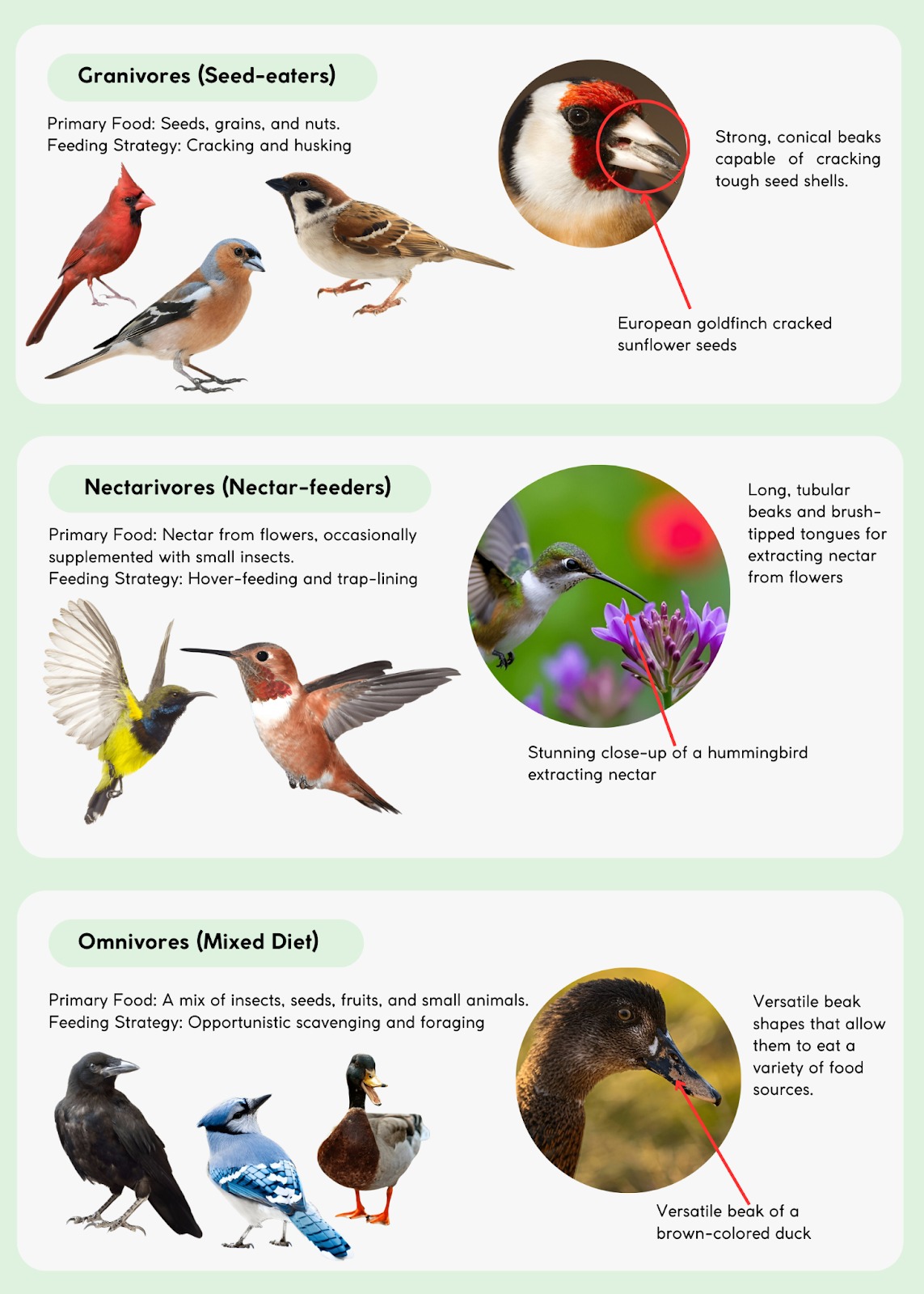
Credit: animal-pedia.org
Safe Seeds For Small Birds
Choosing safe seeds for small birds ensures they get the right nutrition. Seeds provide energy and help birds stay healthy. Not all seeds are safe. Some can cause harm or digestive issues. Feeding small birds the right seeds supports their growth and activity. It also attracts a variety of birds to your garden or feeder.
Popular Seed Mixes
Many seed mixes are designed especially for small birds. These mixes usually include:
- Millet – easy to eat and highly favored by finches and sparrows
- Sunflower seeds – smaller black oil sunflower seeds suit small birds well
- Nyjer (thistle) – tiny seeds loved by goldfinches and siskins
- Safflower – a good choice that many small birds enjoy
- Canary seed – often found in mixes for small pet birds
Good seed mixes offer variety and balance. They keep birds interested and healthy.
Avoiding Harmful Seeds
Some seeds can be toxic or hard to digest. Avoid these:
- Apple seeds – contain cyanide, toxic to birds
- Cherry pits – also harmful if eaten
- Raw kidney beans – can cause digestive problems
- Rhubarb leaves – poisonous to birds
- Avocado – toxic in many forms, including seeds
Always check seed safety before feeding. Stick to well-known safe options. This keeps birds safe and happy.
Fresh Fruits And Vegetables
Fresh fruits and vegetables are a fantastic way to add variety and nutrients to your small bird’s diet. They provide essential vitamins, minerals, and hydration that dry seeds alone can’t offer. Offering these natural foods can also stimulate your bird’s curiosity and encourage natural foraging behavior.
Best Fruits To Offer
Not all fruits are safe for birds, so it’s important to choose carefully. Here are some of the best fruits to share with your feathered friend:
- Apples:Remove seeds and core before offering small slices.
- Berries:Blueberries, strawberries, and raspberries are rich in antioxidants.
- Melons:Watermelon and cantaloupe provide hydration and sweetness.
- Pears:Soft and juicy, pears make a tasty treat in moderation.
- Bananas:Easy to digest and packed with potassium.
Try offering a small piece and watch how your bird responds. Do they prefer juicy berries or crisp apple slices? Your bird’s preferences can guide you on what to keep adding to their plate.
Vegetables Birds Enjoy
Vegetables add fiber and essential nutrients that support your bird’s overall health. Many small birds enjoy crunchy textures and vibrant colors in their veggies.
- Carrots:Grated or finely chopped for easy eating.
- Spinach and Kale:Leafy greens are packed with vitamins but should be given in moderation.
- Peas:Fresh or thawed frozen peas are a sweet, protein-rich snack.
- Broccoli:Tiny florets offer calcium and vitamins.
- Bell Peppers:Sweet and colorful, they provide vitamin C.
Vegetables should be washed thoroughly and cut into manageable pieces. Have you noticed how your bird reacts to different veggies? Observing their favorites can help you plan meals that keep them happy and healthy.
Protein Sources
Protein is vital for small birds. It helps build strong muscles and keeps their feathers healthy. Birds need protein to stay active and grow well. Many natural protein sources suit small birds. These options are easy to find and safe to offer.
Insects And Mealworms
Insects are a top protein choice for small birds. They eat bugs in the wild for energy and nutrition. Mealworms are a popular insect to feed birds. They are high in protein and easy to digest.
- Live mealworms encourage natural hunting behavior.
- Dried mealworms are convenient and last longer.
- Other insects like crickets and small caterpillars are good too.
Offer insects in small amounts. This keeps birds healthy and happy.
Boiled Eggs And Legumes
Boiled eggs provide rich protein and essential nutrients. Cut eggs into tiny pieces before feeding. This makes eating easier for small birds.
Legumes like lentils and peas also supply protein. Cook them softly without salt or spices. These plant-based proteins help birds get balanced nutrition.
- Eggs support feather growth and repair.
- Legumes offer fiber and vitamins alongside protein.
- Both are gentle on bird stomachs when prepared well.

Credit: www.youtube.com
Special Treats And Supplements
Special treats and supplements can make a big difference in your small bird’s health and happiness. They provide extra nutrients and variety, which keeps your bird curious and excited about its meals. Knowing which treats to offer and how to balance them with a bird’s regular diet is key to their well-being.
Nuts And Sprouted Grains
Nuts like almonds, walnuts, and pistachios offer healthy fats and protein that small birds love. Always serve them unsalted and in small pieces to avoid choking hazards. Sprouted grains are another excellent choice—they’re packed with vitamins and easy to digest.
I once noticed my finch perk up immediately after I added a mix of sprouted millet and small chopped nuts to its feeder. It’s amazing how a simple treat can boost their energy and mood. Do you know which nuts your bird prefers?
Calcium And Vitamin Boosters
Calcium is essential for strong bones and eggshell formation. Cuttlefish bone or mineral blocks placed in the cage give your bird a natural way to get this nutrient. Vitamin supplements, especially vitamin A and D, support immune health and feather quality.
Be cautious with supplements—too much can harm your bird. I recommend consulting a vet to find the right balance. Could your bird’s dull feathers or low energy be a sign it needs a vitamin boost?
Foods To Avoid
Knowing what not to feed your small bird is just as important as knowing the right foods. Some items can be harmful or even deadly. Avoiding these foods protects your feathered friend and keeps their environment safe and healthy.
Toxic Foods For Birds
Many foods that seem harmless to us can be toxic to birds. Avocadois a prime example; it contains a substance called persin, which can cause heart problems in birds. Chocolate is another no-go, as it contains theobromine, a compound that disrupts a bird’s nervous system.
Onions and garlic might add flavor to your meals, but they can cause anemia in birds. Never feed your bird caffeine, alcohol, or salty snacks—these can cause dehydration and organ damage. Always check ingredients before offering anything new.
Common Household Dangers
Beyond food, household items can also pose risks. Bread might seem safe, but it lacks nutrition and can cause digestive issues if fed regularly. Avoid raw beans and potato peels; they contain toxins that your bird’s system can’t handle.
Additionally, foods with added sugar, artificial sweeteners, or preservatives can upset your bird’s delicate digestive balance. Have you ever wondered if your bird’s snack is truly safe? A quick check can prevent many emergencies.
Feeding Tips For Small Birds
Feeding small birds might seem simple, but a few thoughtful habits can make a big difference in their health and happiness. Paying attention to how much you offer and keeping their food clean ensures they get the best nutrition without risk. Have you ever wondered why your bird seems picky or loses interest in its food? Sometimes, small changes in feeding routines can spark their appetite and keep them lively.
Portion Control
Small birds have tiny stomachs, so offering the right amount is crucial. Overfeeding can lead to wasted food and attract unwanted pests, while underfeeding leaves your bird hungry and stressed. Try offering food in small portions several times a day instead of one large meal.
Observe your bird’s eating habits daily. If leftovers remain, reduce the next serving slightly. This simple adjustment keeps the food fresh and prevents spoilage, which can harm your bird.
Cleanliness And Freshness
Fresh food and clean dishes help prevent illnesses. Wash feeding bowls and water containers daily with warm, soapy water. Rinse thoroughly to remove any soap residue that might upset your bird’s digestive system.
Replace uneaten fresh food every few hours, especially fruits and vegetables that spoil quickly. Seeds and pellets also lose nutritional value if left out too long. Keeping their feeding area tidy encourages your bird to eat and stay healthy.
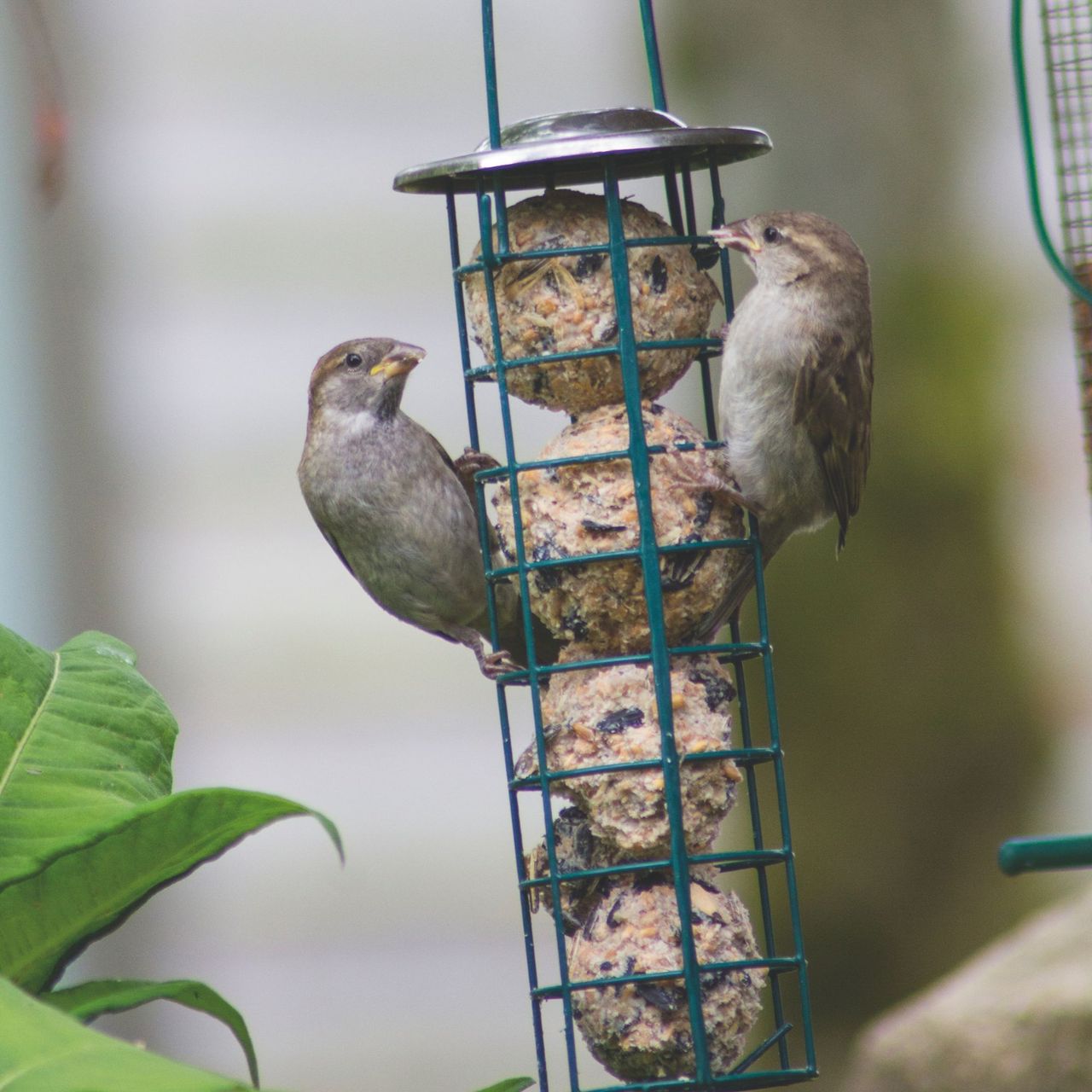
Credit: www.inkl.com
Frequently Asked Questions
What Foods Are Best For Feeding Small Birds?
Small birds thrive on seeds like millet, sunflower, and nyjer. Fresh fruits, vegetables, and mealworms also provide essential nutrients. Avoid processed or salty foods to keep birds healthy and active.
Can I Feed Bread To Small Birds Safely?
Bread offers little nutrition and can harm birds in large amounts. It can cause malnutrition and digestive issues. It’s best to avoid bread and offer natural seeds or fruits instead.
How Often Should I Feed Small Birds Daily?
Feed small birds once or twice daily to maintain a consistent routine. Fresh food and water should always be available. Avoid overfeeding to prevent waste and attract pests.
Are Commercial Birdseed Mixes Good For Small Birds?
Yes, commercial mixes are balanced and convenient for small birds. Choose high-quality blends with varied seeds for a nutritious diet. Always check ingredients to avoid fillers or harmful additives.
Conclusion
Feeding small birds the right food keeps them healthy and happy. Seeds like millet and sunflower are great choices. Fresh fruits and mealworms add variety and nutrition. Avoid giving birds bread or salty snacks. Clean water is important too. Watching birds eat can bring joy and calm.
Careful feeding helps small birds thrive in your garden. Enjoy the simple pleasure of helping wildlife grow strong.