
Have you ever set up a bird feeder, only to find it empty or damaged soon after? It’s frustrating to watch your efforts to attract beautiful birds get knocked out by unexpected problems.
You might wonder, what exactly can knock out a bird feeder? Understanding the common threats to your feeder is the first step to protecting it and keeping your feathered friends coming back. You’ll discover the surprising culprits and practical solutions that can save your bird feeder from harm.
Keep reading to find out how to keep your feeder safe and full!
Credit: dengarden.com
Common Physical Damages
Bird feeders face many physical challenges outdoors. Weather, animals, and humans can cause damage. Understanding common physical damages helps keep feeders safe and full. Protecting feeders means more birds enjoy your garden.
Strong Winds And Storms
Strong winds can shake or knock down bird feeders. Storms with heavy rain or hail may break feeder parts. Flying debris during storms can cause dents or cracks. Frequent storms can wear feeders out faster. Secure feeders firmly to prevent wind damage.
Animal Interference
Animals like squirrels and raccoons often attack feeders. They can chew, scratch, or pull feeders down. Birds themselves may peck or scratch feeder surfaces. Larger animals might tip feeders over while searching for food. Use animal-proof designs to reduce damage risks.
Human Accidents
Humans can accidentally bump or knock feeders over. Children playing nearby may cause feeders to fall. Garden tools or lawnmowers can hit feeders by mistake. Moving feeders without care can cause cracks or breaks. Handle feeders gently and place them in safe spots.
Weather-related Factors
Weather plays a big role in the condition of bird feeders. Different weather factors can damage or block feeders. Birds may stop visiting if feeders are hard to access or empty. Understanding these weather-related challenges helps keep feeders safe and full.
Heavy Rain And Snow
Heavy rain can soak bird food quickly. Wet seeds often spoil or clump together. Snow can cover feeders, making food hard to reach. Thick snow buildup may block feeding ports. Birds struggle to find dry spots to eat. Constant wetness can also damage feeder materials.
Extreme Temperatures
Very hot weather can cause food to spoil fast. Seeds may lose freshness and flavor. Extreme cold can freeze water in feeders. Birds need fresh water to stay healthy. Metal feeders can become too hot or cold, scaring birds away. Plastic feeders might crack in freezing temperatures.
Ice Formation
Ice can form on feeder surfaces and perches. It makes it hard for birds to land and feed. Frozen food blocks access to seeds inside. Ice buildup can damage feeder parts or cause breakage. Birds may avoid feeders covered with slippery ice. Regular checks prevent ice problems and keep feeders usable.
Wildlife Behavior
Understanding wildlife behavior is essential if you want to keep your bird feeder intact. Different animals interact with feeders in unique ways, and their actions can sometimes cause damage or even knock the feeder down. By observing these behaviors, you can better protect your feeder and enjoy watching the wildlife without interruptions.
Squirrels And Other Rodents
Squirrels are notorious for raiding bird feeders. Their sharp teeth and agile bodies allow them to chew through wooden or plastic parts and pull feeders down with ease. If you’ve ever seen a squirrel hang upside down to reach seed, you know how determined they can be.
Rodents like rats and mice also contribute to feeder damage. They often nibble on feeder poles or supports, weakening the structure over time. Consider adding squirrel baffles or using metal feeders to reduce these risks.
Aggressive Birds
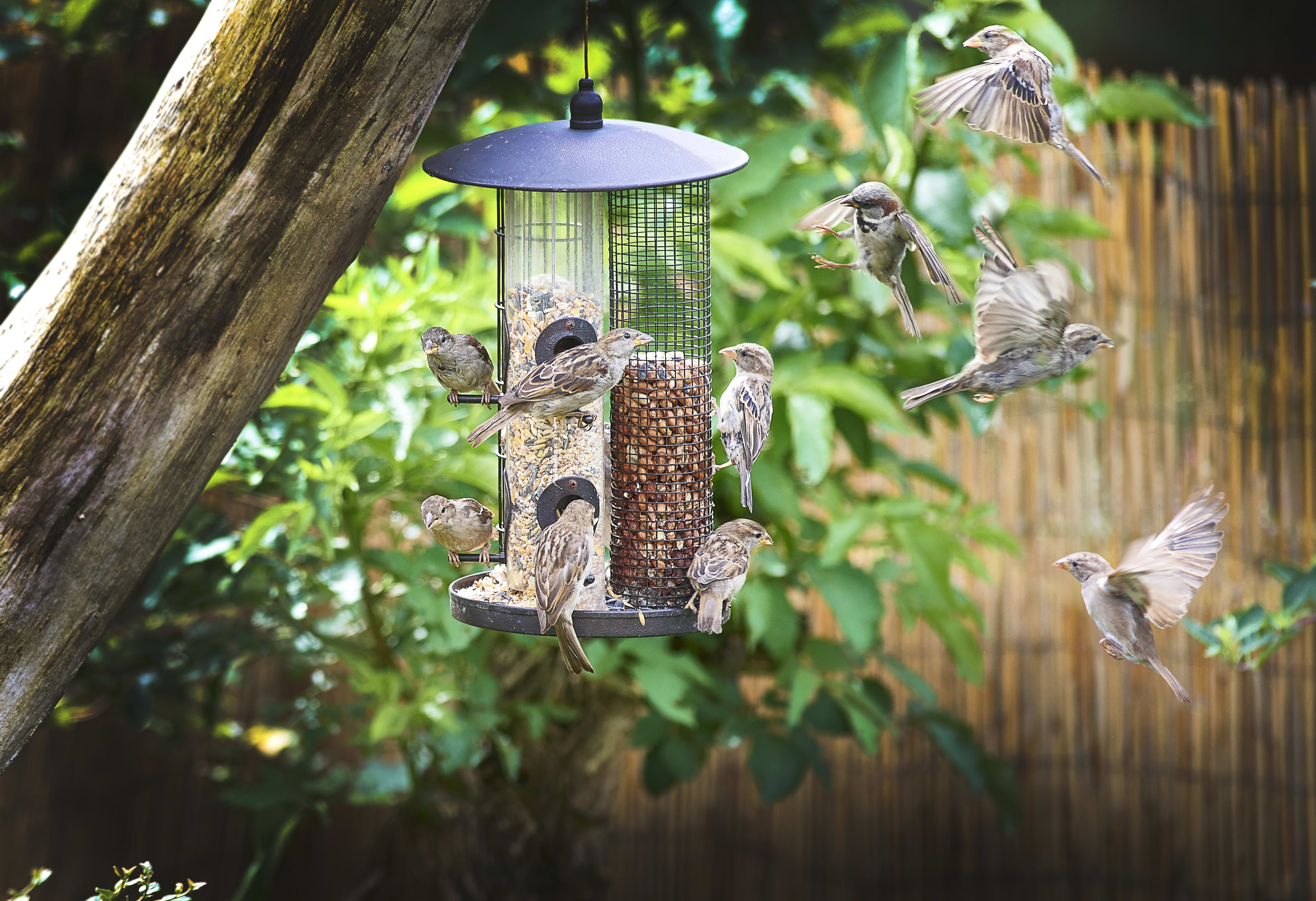
Not all birds visit feeders peacefully. Some species, such as grackles, starlings, and jays, are aggressive and can scare away smaller birds. Their constant fighting and flapping can shake feeders loose or cause them to fall.
You might notice feeders swinging wildly or falling after aggressive birds visit. Try separating feeders or using multiple feeding stations to reduce crowding and tension among birds.
Predators’ Impact
Predators like hawks or cats can startle birds at your feeder, causing sudden flight bursts. This frantic movement can lead to feeders swinging violently or even crashing down. Your feeder might become a scene of chaos in seconds.
Placing feeders near cover or away from places predators lurk can help. Think about how you position your feeder to minimize these disturbances and protect your feathered visitors.

Credit: happygardens.com
Structural Issues
Structural issues are a common reason why bird feeders fail or get knocked out of place. These problems often arise from how the feeder is built or set up. Understanding these issues can help you maintain a safer and more durable feeding station for your feathered visitors.
Poor Installation
Improper installation can make even the sturdiest bird feeder vulnerable. If the feeder is hung on a weak branch or an unstable hook, it’s likely to fall when birds land or during strong winds. Check the mounting spot carefully—does it feel secure and steady?
Once, I hung a feeder on a thin branch that snapped under the weight of heavy birds. Since then, I always test the strength before installation. You should too, by gently shaking the support and observing any movement.
Material Wear And Tear
Materials exposed to weather can deteriorate over time, weakening the feeder’s structure. Wooden feeders may rot, metal parts can rust, and plastic components might crack under sun exposure. Regular inspection helps spot these issues early.
Ask yourself: When was the last time you checked for worn-out parts? Replacing or repairing damaged sections can prevent unexpected collapses that scare away birds and waste your feed.
Design Flaws
Sometimes, the design itself can cause problems. Feeders with heavy tops and narrow bases tend to tip over easily. Also, complicated designs with many small parts might fail under pressure from active birds or squirrels.
Think about whether your feeder’s shape and balance are suitable for the environment. Could a simpler, sturdier design improve its stability? Choosing feeders with wide bases and fewer delicate parts often saves you trouble and effort.
Human Influences
Humans can greatly affect bird feeders. Their actions or care can either support or harm these feeding spots. Understanding human influences helps protect feeders and the birds that visit them.
Vandalism
Some people damage bird feeders on purpose. They may knock feeders down or break parts. This stops birds from feeding and wastes food. Vandalism can make feeders unsafe or unusable.
Neglect And Lack Of Maintenance
Bird feeders need regular care. Without cleaning, feeders get dirty and moldy. Old seed can attract pests or spread disease. Neglect leads to fewer birds visiting and can harm their health.
Improper Placement
Where a feeder is placed matters a lot. Too close to windows can cause bird collisions. Near predators like cats, birds feel unsafe. Poor placement reduces the number of visiting birds and can even cause injury.
Preventive Measures
Bird feeders can face many challenges that cause damage or topple them. Taking preventive measures helps keep feeders safe and birds happy. These steps protect feeders from weather, animals, and accidents. Simple actions make a big difference.
Choosing Durable Feeders
Opt for feeders made from strong materials like metal or thick plastic. These resist wind and animal activity better. Look for designs with sturdy hooks and secure lids. Avoid feeders with fragile parts that break easily. Durable feeders last longer and need fewer repairs.
Safe Placement Tips
Place feeders away from places animals can jump from, such as roofs or fences. Keep feeders at least 10 feet from trees to prevent squirrels from leaping. Avoid spots near busy walkways or where pets roam. Position feeders where they get some shelter from wind and rain. A secure hanging point helps prevent swinging or falling.
Regular Maintenance
- Check feeders weekly for loose parts or damage.
- Clean feeders often to stop mold and bacteria.
- Tighten hooks and screws to keep feeders stable.
- Refill feeders carefully to avoid spills that attract pests.
- Remove leftover seed that can rot or sprout.
Routine care keeps feeders safe and inviting for birds. It reduces the risk of feeders being knocked down or damaged.
Credit: dengarden.com
Frequently Asked Questions
What Animals Can Knock Out A Bird Feeder?
Squirrels, raccoons, and larger birds often knock down feeders. Their weight or activity can destabilize the feeder, causing it to fall.
How Does Weather Affect Bird Feeder Stability?
Strong winds, heavy rain, or snow can loosen or damage feeders. Extreme weather increases the risk of feeders falling or breaking.
Can Feeder Placement Prevent It From Being Knocked Down?
Yes, placing feeders away from branches or structures reduces animal access. Stable mounting on sturdy poles or hanging points also helps.
What Feeder Designs Resist Being Knocked Over?
Feeders with weight-activated perches or squirrel baffles are effective. Heavy, durable materials and secure mounting improve stability against disturbances.
Conclusion
Bird feeders face many threats. Squirrels often steal the birdseed. Strong winds can knock them down. Cats and dogs might scare birds away. Poor placement leads to fewer visitors. Weather conditions also play a role. Rain and snow damage feeders over time.
Regular maintenance is key. Secure your feeder firmly. Choose a safe spot away from predators. Keep feeders clean and refilled. This attracts more birds. Enjoy watching them from your window. A bit of effort ensures your feeder remains bird-friendly. Happy bird watching!