
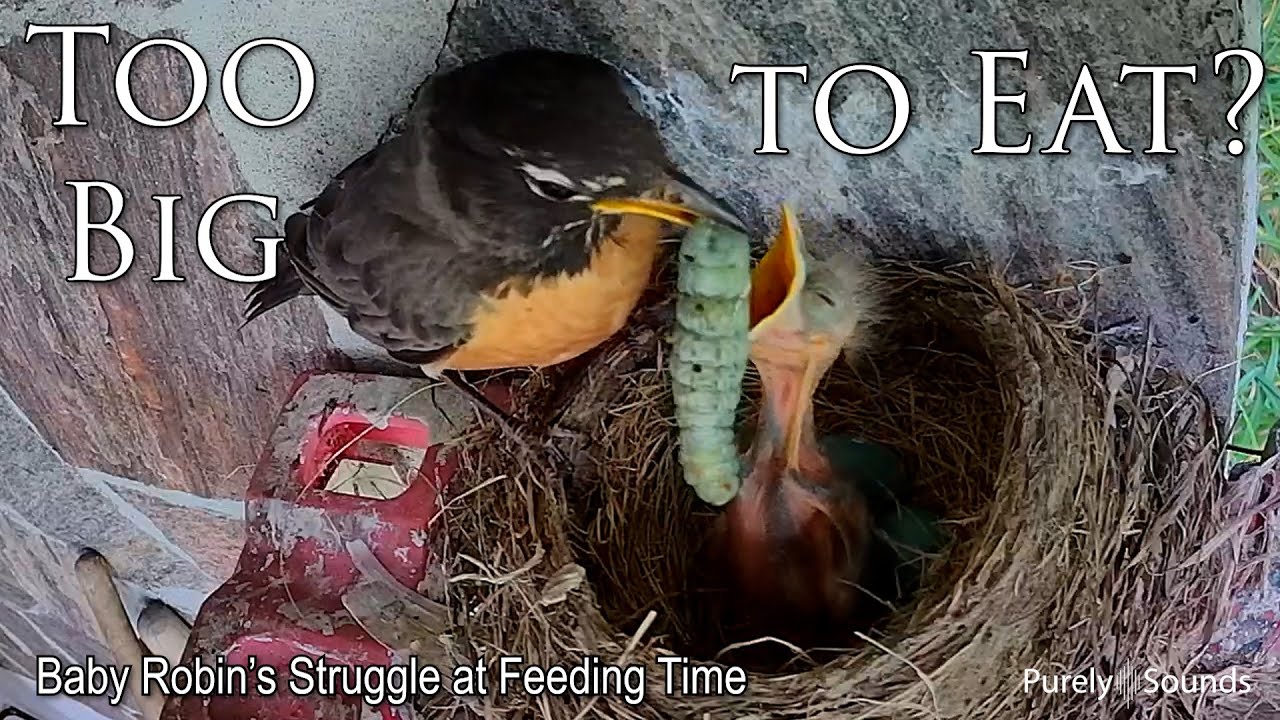
Imagine a tiny baby robin chirping for food in your backyard. It’s a heartwarming sight, isn’t it?
But then, you pause and wonder: “What can you feed baby robin birds? ” This is a question many nature enthusiasts and bird lovers like you find themselves asking. Feeding a baby robin isn’t just about filling its tiny belly; it’s about giving it the right nutrition so it can grow strong and take its first flight.
You want to help, but you also want to make sure you’re doing it right. Stick with us as we unravel the secrets to nourishing these little feathered friends. Your curiosity will not only be satisfied, but you’ll also feel more connected to the natural world around you.
Diet Needs Of Baby Robins
Baby robins need a special diet to grow strong and healthy. Their food must provide the right nutrients. These nutrients help build muscles, bones, and feathers. The diet also supports their energy for daily activities and development.
Feeding baby robins requires understanding what they naturally eat. This helps mimic their diet if you ever care for them. Knowing their food needs can improve their survival chances.
Nutritional Requirements
Baby robins need plenty of protein for growth. Protein helps build their muscles and feathers. They also need fats for energy and healthy skin. Vitamins and minerals support their immune system and bone health.
Water is very important to keep them hydrated. A lack of water can cause health problems. Young robins cannot digest seeds well. They rely mostly on soft, easy-to-eat foods.
Natural Food Sources
Wild baby robins eat mostly insects and worms. These are rich in protein and easy to digest. Common foods include:
- Earthworms
- Mealworms
- Insects like beetles and caterpillars
- Soft fruits such as berries
These foods provide energy and essential nutrients. Parents feed these foods directly to their chicks. Soft fruits add vitamins and help with hydration.

Credit: www.dreamstime.com
Safe Foods For Feeding
Feeding baby robins the right foods is crucial for their growth and survival. You want to provide options that are not only nutritious but also safe to avoid harming their delicate systems. Understanding what baby robins naturally eat can help you make informed choices when offering food.
Insects And Worms
Baby robins thrive on a diet rich in protein, which primarily comes from insects and worms. Mealworms, earthworms, and small caterpillars are excellent choices. These foods mimic what mother robins feed their chicks, supporting healthy muscle and feather development.
You might wonder, can you feed them crickets or ants? Yes, but make sure these insects are pesticide-free and small enough for the babies to swallow easily. Avoid hard or sharp-bodied insects that could injure their throats.
Fruits And Berries
Along with protein, baby robins need vitamins found in fruits and berries. Soft fruits like mashed blueberries, raspberries, and finely chopped apples are safe and tasty options. These provide essential nutrients and moisture, helping the chicks stay hydrated.
Remember to avoid citrus fruits, as their acidity can upset a baby robin’s stomach. Also, always remove seeds and pits before feeding to prevent choking hazards.
Commercial Bird Food
Sometimes, commercial bird food designed for baby songbirds can be a convenient and safe option. Look for high-quality formulas that contain natural ingredients without added sugars or artificial preservatives. These foods often come in powder or pellet form and can be softened with water to suit the baby robin’s needs.
Have you tried mixing commercial food with live insects? This combination can closely replicate a natural diet and encourage feeding interest. Always check the product label to ensure it matches the dietary requirements of baby robins.
Foods To Avoid
Knowing which foods to avoid is crucial when feeding baby robins. Some items can harm their health or cause serious problems. Avoid these foods to keep the young birds safe and healthy.
Toxic Items
Many common foods are toxic to baby robins. Avoid these items at all costs:
- Chocolate – Contains substances harmful to birds
- Avocado – Can cause heart and respiratory issues
- Onions and garlic – Lead to digestive upset and anemia
- Caffeine – Causes rapid heartbeat and tremors
- Alcohol – Even small amounts can be deadly
Keep these items far from the feeding area to prevent accidental ingestion.
Improper Human Foods
Not all human foods are safe for baby robins. Avoid feeding the following:
- Processed meats – High salt and fat are unhealthy
- Salty snacks – Can cause dehydration and kidney problems
- Sugary sweets – Lead to poor nutrition and illness
- Milk and dairy products – Many birds cannot digest lactose
- Bread – Offers no nutrition and can cause digestive blockages
Stick to natural, bird-safe foods to support their growth and health.
Feeding Techniques
Feeding baby robin birds requires gentle care and proper techniques. Their small size and delicate nature mean feeding must be done carefully. Using the right method helps ensure they get enough nutrition and stay healthy. Understanding how to hand-feed and how often to feed is key to their survival.
Hand-feeding Tips
- Use tweezers or a small syringe to feed the baby robin.
- Feed soft, small pieces of food that mimic what parents provide.
- Hold the bird gently but securely to avoid injury.
- Offer food slowly to prevent choking or stress.
- Keep the feeding area clean to avoid infections.
- Warm the food to about body temperature before feeding.
- Observe the baby’s response to adjust feeding technique as needed.
Feeding Frequency And Amounts
Baby robins need frequent feeding throughout the day. Young birds eat every 15 to 20 minutes during daylight. Feed small amounts each time to avoid overfeeding. As they grow, space feedings to every 30 minutes or more.
| Age | Feeding Frequency | Food Amount |
|---|---|---|
| Newly hatched (Day 1-3) | Every 15-20 minutes | Very small drops |
| 1 week old | Every 20-30 minutes | Small, soft pieces |
| 2 weeks old | Every 30-45 minutes | Moderate pieces |
Hydration Tips
Keeping baby robins hydrated is vital for their growth and health. Water supports digestion and helps regulate their body temperature. Young birds rely on caregivers to provide safe, clean water sources.
Water Needs
Baby robins need small amounts of water often. Their tiny bodies can dry out quickly. Fresh water helps them stay active and strong. Avoid giving too much water at once. Offer water frequently in shallow dishes or with a dropper. Watch for signs of dehydration like lethargy or dry skin.
Safe Water Sources
Only offer clean, fresh water to baby robins. Tap water should be left out for 24 hours to lose chlorine. Avoid using water from ponds or lakes as it may contain harmful bacteria. Use shallow containers to prevent drowning risks. Change water daily to keep it safe and fresh.

Credit: m.youtube.com
When To Seek Help
Knowing when to seek help for a baby robin is very important. These small birds are delicate and need proper care. Some signs mean the bird needs professional attention fast. Acting early can save the bird’s life and help it grow strong.
Signs Of Distress
Watch for these signs to know if the baby robin is in trouble:
- Weak or shaky movements
- Feathers that look ruffled or dirty
- Not eating or drinking at all
- Unusual breathing or gasping
- Injuries or bleeding
- Cold to the touch or very quiet
These signs show the bird needs help beyond simple feeding.
Contacting Wildlife Experts
Wildlife experts have the tools and knowledge to care for baby robins. They can give the right food and treatment. Find a local wildlife rescue or rehabilitation center. Call them to explain the situation.
Keep the bird safe and warm while waiting for help. Avoid feeding it the wrong food. Experts will guide you on the next steps. Quick contact can improve the bird’s chance to survive and thrive.

Credit: www.wildlifenomads.com
Frequently Asked Questions
What Do Baby Robins Eat In The Wild?
Baby robins mainly eat soft insects like caterpillars, worms, and spiders. These provide essential protein for growth. Parents also feed them small fruits once they are older. This natural diet supports their development and immune system effectively.
Can I Feed Baby Robins Bread Or Milk?
No, bread and milk are harmful to baby robins. Bread lacks nutrients and can cause digestive issues. Milk is difficult for birds to digest and can lead to illness. Stick to natural foods like insects and small fruits instead.
How Often Should Baby Robins Be Fed?
Baby robins need frequent feeding, approximately every 15-20 minutes. Their metabolism is fast, requiring constant nourishment. Parents typically feed them from dawn until dusk to ensure healthy growth and energy.
Is It Safe To Feed Baby Robins With Mealworms?
Yes, mealworms are a safe, nutritious food for baby robins. They are rich in protein and easy to digest. Offering live or dried mealworms mimics their natural diet and helps support healthy development.
Conclusion
Feeding baby robins the right food helps them grow strong and healthy. Offer soft insects, worms, and small berries for best results. Avoid bread or milk, as they can harm young birds. Watch them carefully and keep their feeding area clean.
With gentle care, these little birds will thrive and learn to find food on their own. Small efforts make a big difference in their early life. Keep patience and kindness at the heart of your feeding routine. Baby robins depend on you to start their life well.