

Finding a baby wild bird can be a surprising and delicate situation. You might wonder, “What can I feed this tiny creature to help it survive?” Feeding a baby wild bird isn’t as simple as offering just any food.
Giving the wrong thing can do more harm than good. If you want to give your little feathered friend the best chance, you need to know exactly what to offer and how to do it safely. Keep reading to discover the right food choices and care tips that could make all the difference for the bird you found.
Credit: pethelpful.com
Identifying Baby Wild Birds
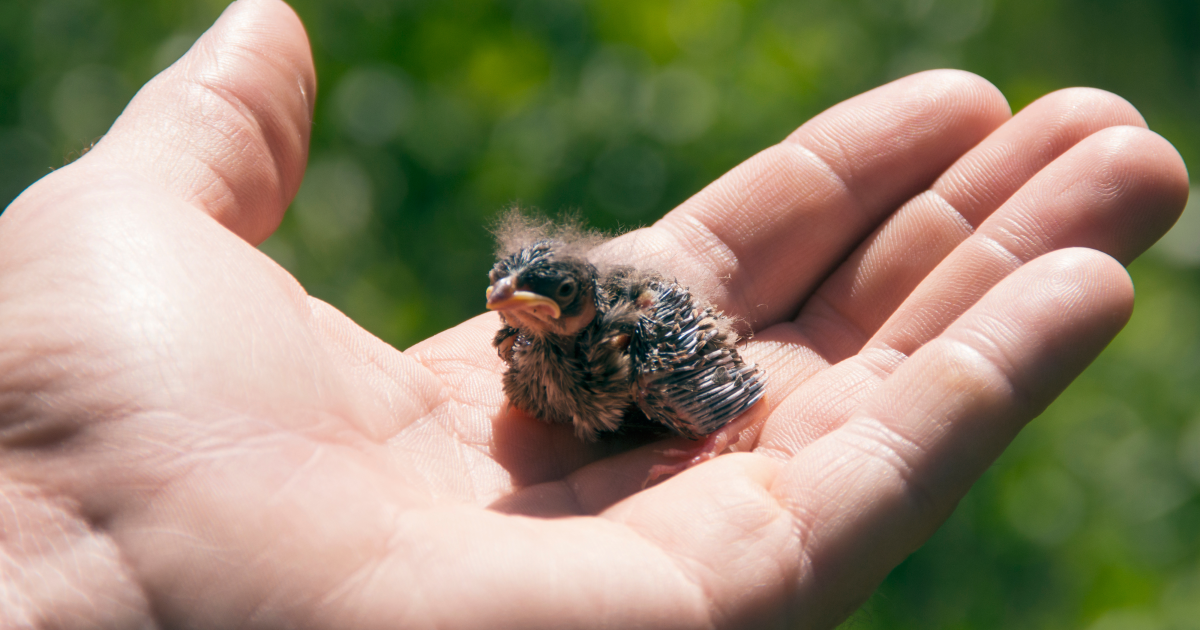
Identifying baby wild birds is important before feeding them. Different species have different needs. Understanding what type of baby bird you found helps provide the right care. Look closely at size, feather development, and behavior. These clues tell you if the bird is a hatchling, nestling, or fledgling. Knowing this helps decide if the bird needs help or should be left alone.
Signs Of A Baby Bird In Need
- Feathers are sparse or missing, showing pink skin.
- Bird is unable to hop or fly properly.
- Bird is cold or shivering to touch.
- Calls loudly and repeatedly, signaling distress.
- Found alone on the ground without nearby nest.
These signs suggest the bird may need assistance. Avoid picking up birds that appear healthy and active.
Common Baby Bird Species
| Species | Appearance | Typical Habitat |
|---|---|---|
| American Robin | Pink skin, some feathers on wings, open beak | Gardens, parks, forests |
| House Sparrow | Small, fluffy, grayish feathers | Urban areas, near buildings |
| Blue Jay | Blue feathers developing, crest on head | Woodlands, suburban areas |
| Mourning Dove | Soft gray feathers, small size | Open fields, city parks |
Recognizing common baby birds helps provide proper food and care. Each species requires specific attention for survival.
Credit: www.petsradar.com
Safe Foods For Baby Birds
Feeding a baby wild bird you find requires careful attention to what you offer. Not all foods are safe or nutritious enough for their delicate systems. Choosing the right foods can make a big difference in their growth and chances of survival.
Insects And Protein Sources
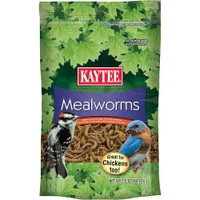
Baby birds need plenty of protein to grow strong feathers and muscles. Live or freshly killed insects like mealworms, crickets, and small caterpillars are excellent choices. You can also offer finely chopped boiled eggs, which are rich in protein and easy for them to digest.
Avoid feeding processed meats or anything salty. Protein is essential, but it must come from natural, safe sources. Have you ever noticed how baby birds eagerly snap at moving insects? That’s their natural instinct guiding their diet.
Fruits And Vegetables
Soft fruits such as mashed berries, bananas, or cooked apples provide important vitamins. Vegetables like peas and finely chopped carrots add fiber and nutrients. Make sure to mash or puree these foods to prevent choking.
Stay away from citrus fruits and anything with seeds, which can harm baby birds. Have you tried offering a mix of mashed banana and berries? Many baby birds seem to enjoy the sweet taste, which also helps keep their energy up.
Specialized Bird Foods
You can find specially formulated baby bird food at pet stores or from wildlife rehabilitators. These powders or gels contain balanced nutrients and are designed for easy feeding with a syringe or dropper. Using these can simplify feeding and ensure your bird gets everything it needs.
Never feed bread, milk, or junk food disguised as bird food. If you’re uncertain, consult a wildlife expert. Have you considered how these specialized foods might reduce the guesswork and improve the bird’s recovery?
Foods To Avoid
Feeding a baby wild bird requires care and knowledge. Some foods can harm or even kill the bird. Avoid giving anything that is unhealthy, hard to digest, or toxic. Knowing what not to feed helps the bird grow strong and healthy.
Human Snacks And Junk Food
Never offer chips, candy, or salty snacks to baby birds. These foods contain too much salt, sugar, and fat. They upset the bird’s digestion and can cause dehydration. Junk food lacks the nutrients birds need to thrive.
Dairy And Bread
Milk and cheese are not suitable for wild birds. Birds cannot digest dairy well, which leads to stomach problems. Bread fills the stomach but has little nutrition. It can cause malnutrition and digestive issues in baby birds.
Toxic Plants And Seeds
Certain plants and seeds are poisonous to birds. Avoid feeding berries from nightshade, avocado, or rhubarb leaves. Some seeds, like apple seeds, contain toxins that harm birds. Always research before offering any plant material to a baby bird.
Feeding Techniques
Feeding a baby wild bird requires more than just offering food. How you feed them can impact their health and chances of survival. Careful attention to feeding techniques ensures the bird gets the right nutrients safely and comfortably.
Proper Feeding Tools
Use small, soft tools like tweezers or a syringe without a needle to feed a baby wild bird. These tools help you control the amount of food and avoid injury to the bird’s delicate beak. Avoid using your fingers directly, as this may confuse the bird or cause accidental harm.
I once tried feeding a baby robin with a spoon, and it struggled to eat properly. Switching to a small syringe made the process smoother and less stressful for both of us.
Frequency And Amount
Baby wild birds need feeding every 15 to 30 minutes during daylight hours. Offer small amounts at each feeding to prevent choking or overeating. Watch how the bird responds and adjust the portions accordingly.
Overfeeding can be dangerous, but so can letting the bird go hungry. Ask yourself: Are you seeing signs of hunger, like begging or restlessness, or is the bird turning away? These clues will guide your feeding schedule and portion sizes.
Hydration Tips
Hydration is as important as food. Use a dropper to gently offer water, but never force-feed as this can cause drowning. Keep in mind that many baby birds get enough water from their food, so avoid over-hydrating.
If the environment is dry or hot, you may need to provide extra fluids. Always observe the bird’s behavior—if it seems lethargic or dehydrated, carefully increase hydration while monitoring closely.
When To Seek Help
Knowing when to seek help for a baby wild bird you find is crucial for its survival. Not every bird needs human intervention, but certain signs clearly indicate that professional care is necessary. Understanding these signs and the right steps to take can make a difference between life and death for the little creature in your care.
Signs Of Illness Or Injury
Look closely for visible wounds, such as cuts or broken wings. If the bird is lethargic, weak, or unresponsive, these are serious warning signs. Also, watch for unusual behavior like difficulty breathing, inability to perch, or missing feathers, which often indicate illness or distress.
Sometimes, a bird might appear healthy but is dehydrated or malnourished. If you notice it repeatedly calling for help or if it’s been alone for hours, it might be in trouble. Trust your instincts—if the bird seems off, it’s better to get expert advice.
Contacting Wildlife Experts
Wildlife rehabilitators and local animal rescue centers are equipped to care for injured or orphaned birds. Reach out to them as soon as you spot any concerning signs. They can provide the specialized care that a wild bird needs to recover and eventually return to its natural habitat.
Keep their contact info handy before you even find a bird in need. In emergencies, quick action can save lives. Many experts offer guidance over the phone if you are unsure about the bird’s condition.
Legal Considerations
Handling wild birds often falls under strict wildlife protection laws. It’s important to know that in many places, keeping or feeding wild birds without a permit is illegal. Before you intervene, check local regulations to avoid unintentional violations.
Remember, your well-meaning actions could cause more harm than good if you don’t follow legal guidelines. Contact wildlife authorities for advice and obtain necessary permissions if you plan to care for the bird yourself. This protects both you and the bird.
Credit: www.petsradar.com
Preparing For Release
Preparing a baby wild bird for release is a careful process. It helps the bird survive on its own after leaving your care. The goal is to support natural behaviors and build strength. This gives the bird the best chance in the wild.
Each step focuses on independence. Feeding, safety, and progress checks play key roles. These steps must be gentle and patient to avoid stress.
Encouraging Natural Feeding
Encourage the bird to find and eat natural food. Offer familiar seeds, insects, or fruits near the feeding area. Slowly reduce hand feeding to promote self-feeding.
Use shallow dishes or scatter food on the ground. This helps the bird practice foraging. Avoid processed or human food that can harm the bird.
Safe Environment Setup
Create a quiet and secure outdoor space for the bird. Use a large cage or aviary with natural plants and perches. Protect the area from predators like cats and large birds.
Keep the space clean and dry. Ensure fresh water is always available. This setting prepares the bird for outdoor life.
Monitoring Progress
Watch the bird’s behavior daily. Look for signs of strength and alertness. Note if the bird eats on its own and moves well.
Keep track of weight and feather condition. Gradually increase the time the bird spends outside. Return the bird indoors only if it is weak or unsafe.
Frequently Asked Questions
What Should You Do If You Find A Baby Bird?
If you find a baby bird, first observe it from a distance. Ensure it truly needs help. Often, parents are nearby. If it’s uninjured and healthy, place it back in its nest or on a nearby branch. If injured or abandoned, contact a wildlife rehabilitator for assistance.
Can You Feed Baby Wild Birds Bread?
Feeding baby wild birds bread is not recommended. Bread lacks the necessary nutrients they require for proper growth. Instead, consider feeding them moistened dog food, cat food, or a high-protein bird formula. Always ensure the food is soft and easy for the baby bird to consume.
How Often Should You Feed A Baby Bird?
Baby birds need frequent feeding to thrive. Typically, they require food every 15-20 minutes during daylight hours. This frequent feeding schedule mimics the natural feeding pattern provided by their parents. Always ensure the food is appropriate and safe for their delicate systems.
What Are Safe Foods For Baby Wild Birds?
Safe foods for baby wild birds include moistened dog food, cat food, and specialized bird formulas. These options provide the necessary protein and nutrients. Avoid feeding them milk, bread, or seeds. Always ensure the food is soft and easily digestible to prevent choking or digestive issues.
Conclusion
Feeding a baby wild bird takes care and the right food. Offer soft, natural foods like soaked seeds or insects. Avoid giving bread or milk, as they can harm the bird. Always keep the bird warm and safe while feeding.
Remember, wild birds need special care to grow strong. Helping them properly gives them a better chance to survive. Watching a baby bird grow is a rewarding experience. Trust your instincts, and act with kindness and patience.