

Have you ever wondered what baby birds eat when they first leave the nest? If you’re curious about how these tiny creatures get the nutrition they need to grow strong and fly, you’re in the right place.
Understanding what baby birds feed on can surprise you and change the way you see nature around you. Keep reading, and you’ll discover fascinating facts that will make you appreciate these little birds even more. Ready to unlock the secrets of their diet?
Let’s dive in!
Diet Of Newborn Birds
The diet of newborn birds is a fascinating subject that reveals much about their survival and growth in the wild. From the moment they hatch, baby birds have specific nutritional needs that differ greatly from adult birds. Understanding what they eat can help you appreciate the care parent birds provide and the delicate balance of nature supporting their young.
Nutritional Needs Of Hatchlings
Newborn birds need a diet rich in protein to support rapid growth. Their tiny bodies require essential amino acids found mostly in insects and small invertebrates. This high-protein diet helps build strong muscles and feathers quickly.
Along with protein, baby birds need fats for energy and vitamins for healthy development. Calcium is crucial for strengthening their growing bones. Without these nutrients, their chances of survival drop significantly.
If you’ve ever watched a parent bird feed its chicks, you might notice how often they bring food. This frequent feeding is necessary because hatchlings have fast metabolisms and small stomachs that can’t hold much food at once.
Differences Among Bird Species
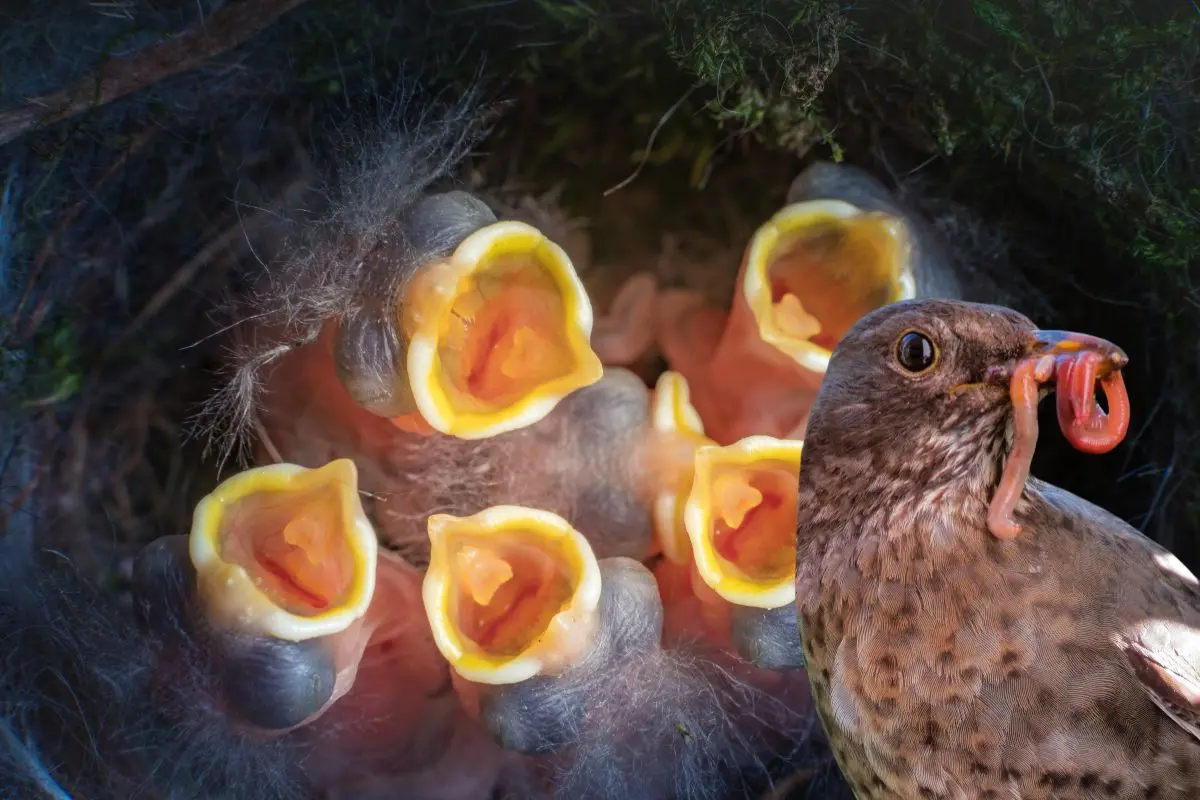
Not all baby birds eat the same things. Some species feed their young primarily insects, while others rely on regurgitated seeds or fruit. For example, robins deliver earthworms, but doves often provide a milky substance called “crop milk.”
Birds that nest in trees may have easier access to caterpillars and spiders. Ground-nesting birds might feed their chicks small seeds or grains. This variation depends heavily on the environment and available food sources.
Have you noticed how some baby birds seem to gape wide and beg loudly? This behavior ensures they get noticed and fed more often, especially in species where food competition among siblings is fierce.
Credit: wildbloo.com
Common Foods For Baby Birds
Baby birds need the right kind of food to grow strong and healthy. Their diet changes as they develop, but certain foods are common across many species. Understanding these foods can help you better care for or observe young birds in your area.
Insects And Worms
Many baby birds rely heavily on insects and worms for their early nutrition. These foods are rich in protein, which is essential for muscle and feather development.
You might see parent birds hunting for caterpillars, beetles, or earthworms to feed their chicks. Have you ever noticed how quickly young birds snap up wriggling insects? That’s because they need every bit of energy to grow fast.
Regurgitated Food From Parents
Parent birds often partially digest food and then regurgitate it to feed their babies. This process makes it easier for the fragile chicks to digest and absorb nutrients.
It’s fascinating to watch this feeding method in action—parents transfer soft, pre-chewed food directly into the open mouths of their chicks. If you’ve ever cared for orphaned baby birds, you know how important this softer food form is for their survival.
Seeds And Fruits
As baby birds grow, their diet may include seeds and soft fruits. These provide important vitamins, minerals, and energy to support their increasing activity levels.
Birds like finches and sparrows often feed their young tiny seeds. Meanwhile, species such as thrushes introduce small berries and fruits. Have you seen a baby bird eagerly pecking at a juicy berry? That’s a sign they’re ready for more varied foods.
Feeding Techniques By Parent Birds
Parent birds use special feeding techniques to care for their young. These techniques ensure hatchlings get enough nutrition to grow strong. Each species has unique ways to feed their babies.
How Parents Feed Hatchlings
Parents often bring food directly to the nest. They catch insects, worms, or small seeds. Then, they place the food inside the baby bird’s open mouth. This process is called “regurgitation.”
Some birds feed their young by tearing food into tiny pieces. This helps the hatchlings swallow easily. Parents may also use their beaks to gently stimulate feeding.
Feeding is careful and precise. Parents watch the hatchlings closely. They make sure each chick gets enough food.
Feeding Frequency And Timing
Baby birds need frequent feeding. Parents visit the nest many times a day. Often, they feed every 15 to 30 minutes during daylight.
The feeding slows down as chicks grow. Older nestlings can wait longer between meals. Feeding stops at night when young birds rest.
Parents follow a natural rhythm. This timing matches the chick’s energy needs. It helps the babies grow healthy and strong.
Homemade Baby Bird Food Options
Creating homemade baby bird food can be a rewarding experience that ensures the little ones get the nutrition they need. It allows you to control exactly what goes into their diet, avoiding harmful additives or unsuitable ingredients. But what should you use to make the food both safe and nutrient-rich?
Safe Ingredients To Use
Choosing the right ingredients is crucial. Avoid anything toxic like avocado, chocolate, or caffeine, as these can be harmful to baby birds.
Opt for natural, fresh foods such as:
- Boiled eggs (rich in protein and easy to digest)
- Soft fruits like bananas and berries (for vitamins and minerals)
- Cooked vegetables such as peas and carrots (fiber and nutrients)
- Insects like mealworms or finely chopped earthworms (natural protein sources)
Have you ever wondered how wild birds find the perfect mix for their chicks? You can mimic this by combining these safe foods carefully.
Preparing Nutrient-rich Mixtures
Mixing the ingredients to create a balanced, smooth paste is key for baby birds’ feeding. Use a blender or mash by hand to get a consistency that’s easy for them to swallow.
Add a little warm water or natural fruit juice to adjust thickness. The mixture should be moist but not runny, helping prevent choking.
Consider this simple recipe that worked well for me:
| Ingredient | Amount | Purpose |
|---|---|---|
| Boiled egg yolk | 1 | Protein and fat |
| Mashed banana | 2 tablespoons | Vitamins and energy |
| Cooked peas | 1 tablespoon | Fiber and nutrients |
| Warm water | As needed | Adjust consistency |
Can you see how each part plays a role in supporting growth? Trying different combinations while observing the birds’ reactions can help you find the perfect mix.
Avoiding Common Feeding Mistakes
Feeding baby birds might seem straightforward, but many well-meaning caregivers make mistakes that can harm the little ones. Knowing what to avoid is just as important as knowing what to feed them. You want to give your baby birds the best start without unintentionally putting their health at risk.
Foods To Avoid
Not all foods are safe for baby birds, even if they seem natural or healthy to you. Avoid giving them bread, milk, or processed foods, as these can cause digestive issues or malnutrition.
- Bread:It lacks essential nutrients and can cause choking or dehydration.
- Milk and Dairy:Baby birds can’t digest lactose, leading to stomach problems.
- Raw Meat or Fish:These can carry harmful bacteria and are too heavy for their digestive systems.
- Chocolate and Caffeine:Both are toxic and should never be given.
- Salt and Seasonings:These can upset their delicate balance of electrolytes.
Have you ever wondered why some feeding advice contradicts itself? It often comes down to these hidden dangers.
Signs Of Malnutrition
It’s crucial to watch for warning signs that your baby bird might not be getting the right nutrition. Early detection can save their life.
- Weakness or Lethargy:A healthy chick should be alert and active.
- Slow Growth:If they’re not gaining weight or growing at a normal pace, their diet might be lacking.
- Fluffed or Dull Feathers:Poor nutrition often shows up in their plumage.
- Frequent Regurgitation or Diarrhea:These can indicate digestive distress from improper feeding.
Have you noticed any of these signs in a baby bird you’re caring for? Adjusting their diet quickly can make all the difference.
Credit: www.kwikpets.com
Growth Stages And Changing Diets
Baby birds go through distinct growth stages that demand changes in their diet to support development. Their feeding habits evolve rapidly from the moment they hatch until they become fledglings ready to leave the nest. Understanding these changes helps you appreciate how nature meets their nutritional needs at every step.
Feeding From Hatchling To Fledgling
Hatchlings start life completely dependent on their parents for food. At this stage, their diet mainly consists of soft, easily digestible items like insects, worms, and regurgitated food. These foods provide the high protein and moisture necessary for rapid growth.
As they grow, their beaks become stronger and they begin to handle more solid foods. Parents gradually introduce a wider variety of insects and small seeds. You might notice the feeding frequency decreases as the chicks can eat larger meals at once.
Transition To Adult Diet
Fledglings face a crucial phase where they start experimenting with foods on their own. Their diet shifts from purely protein-rich items to include more seeds, fruits, and grains, depending on the species. This change helps prepare their digestive systems for the adult diet.
During this transition, fledglings learn to forage and choose foods independently. This period tests their survival skills and influences their health as adults. Have you ever observed young birds trying new foods? It’s a fascinating glimpse into how instincts and learning combine in nature.

Credit: www.discovermagazine.com
Frequently Asked Questions
What Do Baby Birds Eat In The Wild?
Baby birds primarily eat insects, worms, and regurgitated food from parents. Their diet is protein-rich to support growth and development.
How Do Parents Feed Baby Birds?
Parent birds catch food, chew it, then feed it directly into the baby’s open mouth. This ensures the chicks get easily digestible nourishment.
When Do Baby Birds Start Eating Solid Food?
Baby birds begin eating solid food around two weeks old. Before this, they rely on soft, pre-digested food from parents.
Why Is Protein Important For Baby Birds?
Protein helps baby birds grow strong muscles and healthy feathers. It provides essential nutrients for energy and development during early life stages.
Conclusion
Baby birds rely on their parents for food. They mostly eat insects, seeds, and worms. These foods provide essential nutrients for their growth. Variety in diet helps them develop strong bodies. Parents work hard to find food for their chicks.
Understanding what baby birds eat helps us care for them. Observing their diet also teaches us about nature’s balance. Remember, feeding wild birds needs caution. Always respect their natural habits. We can learn much from watching these tiny creatures. They remind us of nature’s wonders and the cycle of life.