
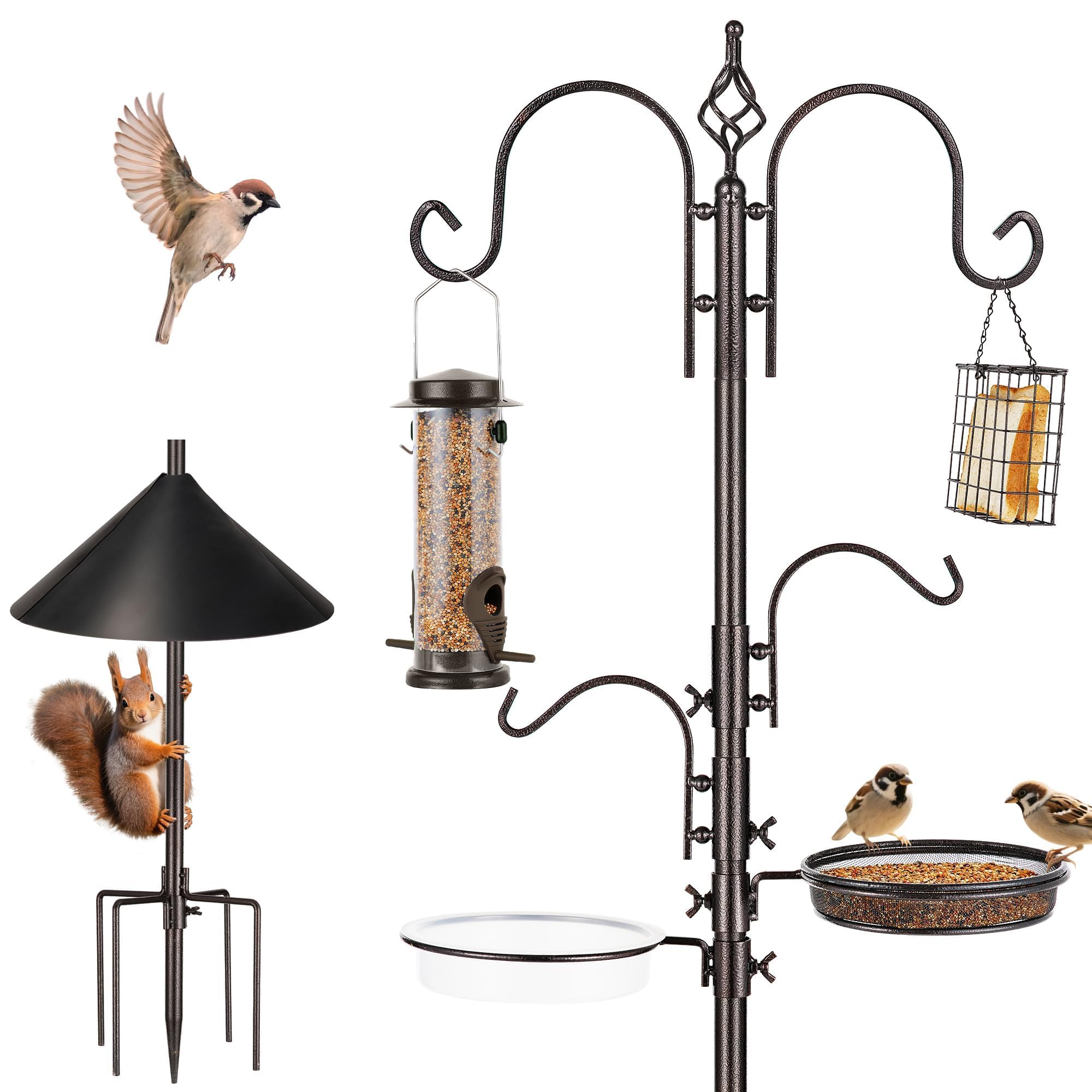
Have you ever wondered what feeders to feed birds will attract the most feathered friends to your garden? Choosing the right bird feeder can make all the difference in creating a lively, colorful space filled with chirping visitors.
Whether you’re a beginner or have tried feeding birds before, understanding which feeders work best for different birds will help you enjoy their company even more. Keep reading, and you’ll discover simple tips to pick feeders that bring your garden to life like never before.
Credit: dengarden.com
Types Of Bird Feeders
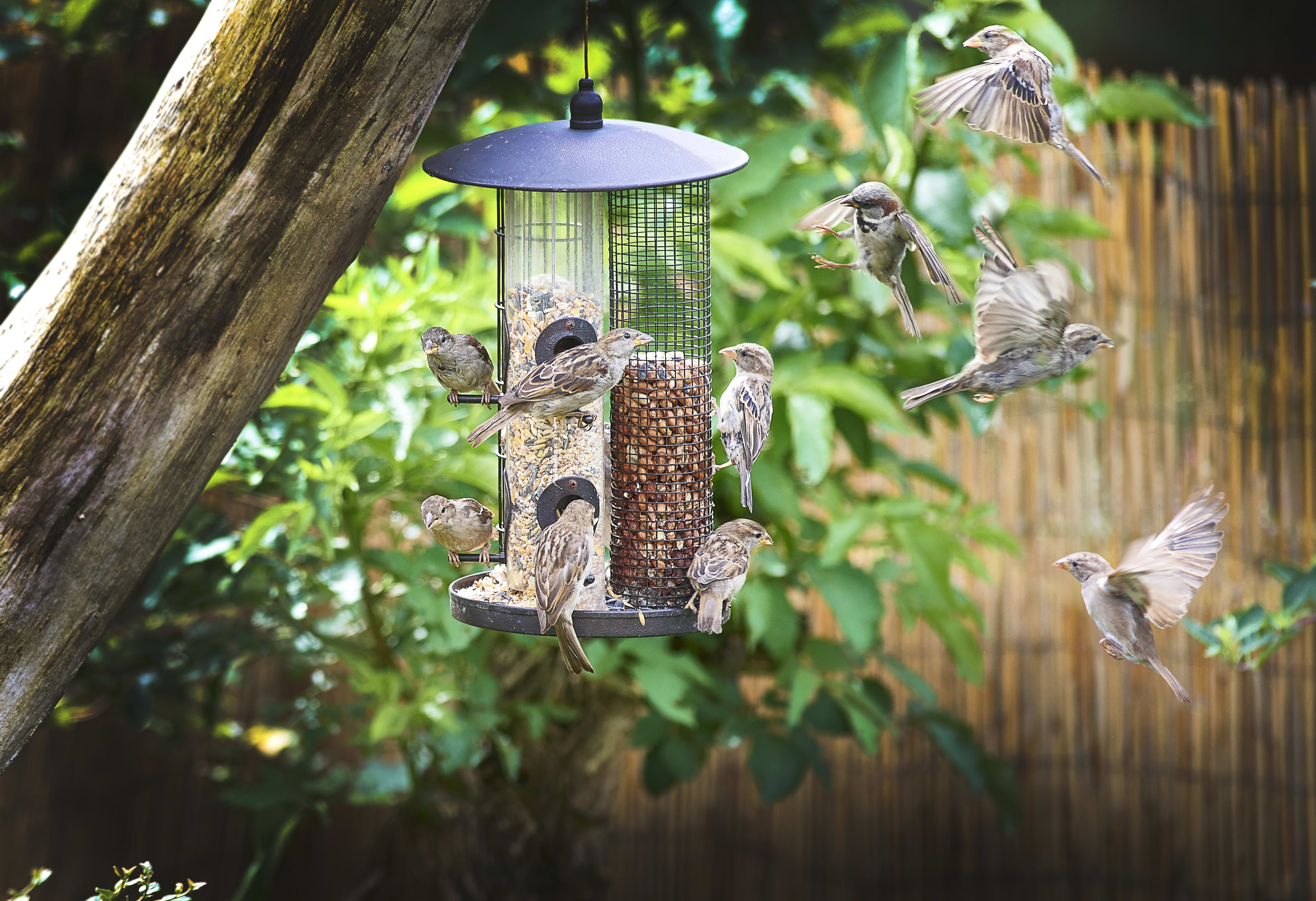
Bird feeders come in many shapes and sizes. Each type suits different birds and feeding styles. Choosing the right feeder helps attract more birds to your yard. It also makes feeding easier and cleaner. Understanding the types of bird feeders is key to enjoying birdwatching.
Hopper Feeders
Hopper feeders look like small houses. They hold a large amount of seed. Birds perch on a ledge to eat. These feeders protect seeds from rain and wind. They attract many bird species, including cardinals and finches.
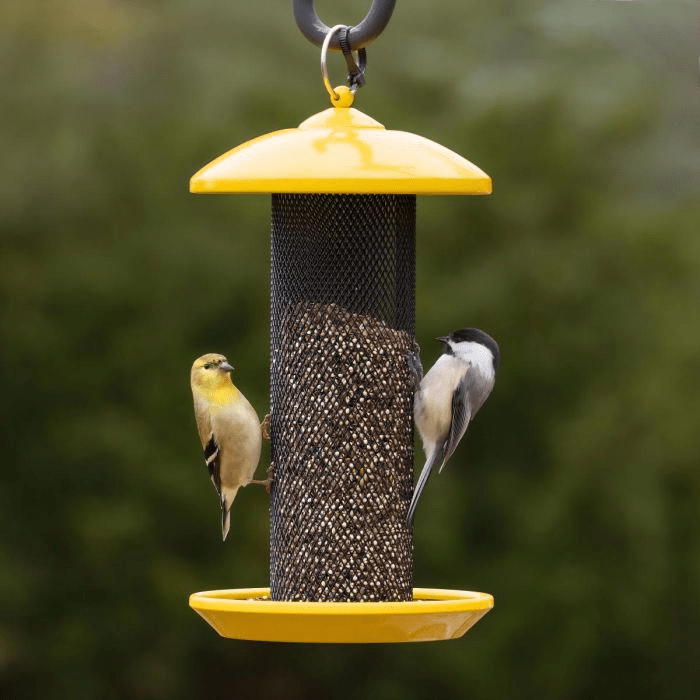
Tube Feeders
Tube feeders are long and cylindrical. They have small holes for seeds. Birds cling to the feeder to eat. These feeders work well for small birds like chickadees. They keep seeds dry and clean.
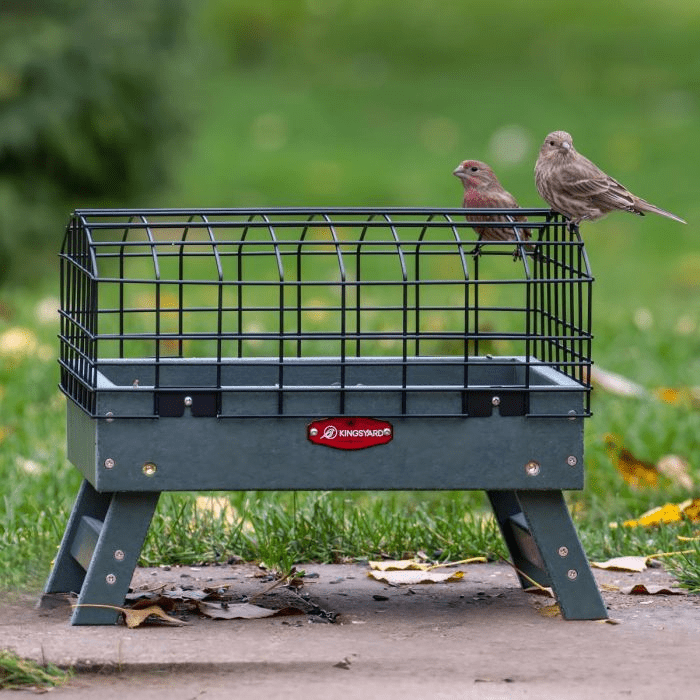
Platform Feeders
Platform feeders are flat and open. They allow birds to land easily. These feeders attract many types of birds. Seeds and fruits can be placed on them. They need regular cleaning to avoid mold.
Suet Feeders
Suet feeders hold blocks of fat mixed with seeds. They provide energy for birds in cold weather. Woodpeckers and nuthatches like suet feeders. These feeders often have a cage design to hold the suet block.
Window Feeders
Window feeders attach to glass with suction cups. They allow close-up birdwatching from indoors. Small birds like finches and sparrows use them. These feeders are easy to refill and clean. They bring nature right to your window.
Credit: www.kingsyard.com
Choosing The Right Feeder
Choosing the right feeder is essential to attract the birds you want while keeping their feeding environment safe and comfortable. Different bird species have unique feeding habits, so understanding these can help you make smart choices. The feeder’s design, placement, and material all impact which birds visit and how long they stay.
Consider Bird Species
Different birds prefer different types of feeders. Seed-eaters like finches and chickadees love tube feeders with small perches, while larger birds like cardinals prefer platform feeders. Hummingbirds need specialized feeders with nectar ports, not seeds.
Think about the birds you want to attract. Do you want a variety of species or just a few favorites? Matching the feeder to their natural feeding style increases your chances of seeing them regularly.
Feeder Placement Tips
Where you place your feeder can make all the difference. Birds feel safer when feeders are near shrubs or trees where they can quickly hide if threatened. However, placing feeders too close to windows can cause collisions, so keep a safe distance or use window decals.
Consider accessibility for you as well. You’ll want to refill and clean your feeder easily without disturbing the birds. A spot visible from your favorite window can turn birdwatching into a daily joy.
Material And Durability
Feeders come in plastic, metal, and wood. Plastic feeders are lightweight and affordable but may crack in cold weather. Metal feeders last longer and resist squirrels better but can heat up quickly in direct sun, which might spoil some seeds.
Wood feeders blend well into natural settings but require regular maintenance to prevent mold and decay. Think about your local climate and how much time you want to spend maintaining the feeder before picking the material.
Popular Bird Foods
Bird feeders attract many types of birds by offering a variety of foods. Different birds prefer different tastes and textures. Understanding popular bird foods helps create the best feeding experience. This variety supports birds’ health and keeps them coming back to your feeder.
Seeds And Mixes
Seeds are the most common food for wild birds. Black oil sunflower seeds attract many species. They have a thin shell and high fat content. Mixed seed blends combine millet, cracked corn, and safflower seeds. These mixes provide variety and appeal to different birds. Clean, fresh seeds are important for bird health.
Nuts And Fruits
Nuts offer rich energy and attract larger birds. Peanuts are popular but must be unsalted and fresh. Some birds enjoy chopped almonds and walnuts too. Fruits like apples, berries, and raisins are natural treats. Fresh or dried fruits supply vitamins and moisture. Place fruits on platform feeders or hang them in mesh bags.
Suet And Mealworms
Suet is animal fat packed with energy. It is best for woodpeckers, nuthatches, and chickadees. Suet cakes or balls work well in cold weather. Mealworms are live or dried insects rich in protein. Birds like bluebirds and wrens prefer mealworms. Both suet and mealworms support breeding and molting birds.
Nectar For Hummingbirds
Nectar is a sugary solution that feeds hummingbirds. A mix of four parts water to one part sugar is ideal. Avoid honey or artificial sweeteners as they can harm birds. Clean feeders regularly to prevent mold and bacteria. Bright red feeders attract hummingbirds and keep them visiting.
Credit: www.kingsyard.com
Feeding Tips For Different Seasons
Bird feeding changes with the seasons. Different weather and bird needs affect what to offer. Adjusting feeding habits helps birds stay healthy all year. Here are key tips for each season.
Winter Feeding Essentials
Winter is tough for birds. Food is scarce and energy needs rise. Offer high-energy seeds like sunflower and peanuts. Fat-rich suet helps birds stay warm. Keep feeders full and check for ice build-up. Place feeders near shelter to protect birds from wind.
Spring And Summer Choices
Spring and summer bring many insects. Birds eat more protein now. Use nectar feeders for hummingbirds. Offer fresh fruits like berries and chopped apples. Avoid moldy or wet food to keep birds safe. Clean feeders regularly to prevent disease.
Fall Feeding Strategies
Fall is a time for preparation. Birds build fat for migration or winter. Provide a mix of seeds, nuts, and dried fruits. Black oil sunflower seeds are popular. Leave some natural food like berries on bushes. Reduce feeding gradually as natural food returns.
Maintaining Bird Feeders
Maintaining bird feeders is key to keeping birds healthy and happy. Clean feeders attract more birds and prevent health risks. Proper care extends the life of your feeder and keeps the seed fresh.
Cleaning Frequency
Clean feeders at least once every two weeks. More often in wet or humid weather. Remove old seeds and debris. Use warm water and mild soap. Rinse well to avoid soap residue. Let feeders dry completely before refilling.
Preventing Mold And Disease
Mold grows quickly on damp seeds. It can harm birds. Discard wet or clumped seed immediately. Store seeds in a dry place. Use feeders that protect seeds from rain. Regular cleaning stops bacteria and fungi buildup.
Protecting Feeders From Squirrels
Squirrels can empty feeders fast. They may damage feeders too. Use squirrel baffles or guards. Place feeders away from tree branches. Choose feeders with weight-sensitive perches. These close access when heavy animals land.
Attracting More Birds
Attracting more birds to your yard is about more than just putting out a feeder. It’s about creating a welcoming environment that meets their needs and encourages them to stay longer. You can turn your outdoor space into a lively bird haven with a few smart choices and a little care.
Creating A Bird-friendly Habitat
Birds look for safe places to rest and find food. Adding native plants, shrubs, and trees provides natural shelter and hiding spots. You’ll notice more birds visiting when they feel protected from predators and harsh weather.
Think about layering your garden with different heights—low bushes, medium shrubs, and tall trees. This variety attracts a wider range of species. Have you ever observed how some birds prefer perching high while others stick close to the ground?
Using Water Sources
Birds need water not only to drink but also to bathe. A small birdbath or shallow dish of water can make a big difference. Keep the water clean and fresh to invite repeat visits.
Moving water catches their attention even more. Consider adding a dripper or small fountain to create gentle sounds and motion. This simple addition can turn your yard into a lively oasis that birds can’t resist.
Avoiding Common Feeding Mistakes
Feeding birds can be tricky if you don’t avoid some common errors. Make sure feeders are clean to prevent disease spread. Dirty feeders discourage birds and can harm them.
Also, avoid overcrowding feeders with too much food. Spoiled seeds can attract pests and mold. Instead, offer just enough to keep the birds coming back without waste.
Are you placing feeders in areas safe from cats and other predators? Positioning feeders near cover but away from heavy traffic helps birds feel secure. Small changes like these make your feeding spot a preferred destination.
Frequently Asked Questions
What Are The Best Feeders To Feed Birds?
The best feeders depend on bird types. Tube feeders suit small birds. Hopper feeders attract larger birds. Platform feeders work for various species. Choose feeders based on local bird preferences and seed types.
How Do Different Feeders Attract Specific Birds?
Different feeder designs appeal to certain birds. Tube feeders attract finches and chickadees. Suet feeders draw woodpeckers. Platform feeders appeal to doves and jays. Matching feeder type with bird species increases feeding success.
What Seeds Should I Use In Bird Feeders?
Black oil sunflower seeds attract many birds. Nyjer seeds are great for finches. Millet suits ground-feeding birds. Mixed seeds provide variety but may waste. Selecting seeds based on bird preferences ensures better feeding results.
How Often Should I Clean Bird Feeders?
Clean feeders every two weeks or more often. Use hot water and mild soap to prevent disease. Rinse thoroughly and dry before refilling. Regular cleaning keeps birds healthy and feeder efficient.
Conclusion
Choosing the right feeder helps birds find food easily. Different birds like different feeders and seeds. Keep feeders clean to keep birds healthy. Place feeders where birds feel safe and calm. Watching birds visit your feeder brings joy and peace.
Feeding birds supports nature and helps local wildlife. Small efforts can make a big difference for birds. Enjoy the beauty and sounds of birds every day.