
Have you ever wondered what you can safely feed birds visiting your backyard? Feeding birds is a simple way to bring nature closer to you, but not everything you offer is good for them.
Giving the right food helps birds stay healthy and keeps them coming back to your garden. You’ll discover exactly what is okay to feed birds and what to avoid. By the end, you’ll feel confident knowing how to support your feathered friends the right way.
Keep reading to learn the best tips for feeding birds safely and effectively.
Popular Bird Foods
Knowing what to feed birds can make a huge difference in attracting a variety of feathered friends to your yard. Popular bird foods cater to different species, offering them the nutrients they need while giving you the joy of watching them up close. Let’s look at some common and well-loved options that you can easily provide.
Seeds And Grains
Seeds and grains are the backbone of most bird diets. Black oil sunflower seeds are a favorite for many birds because they are easy to crack open and packed with nutrients. Millet and cracked corn also attract ground feeders like sparrows and doves.
If you want to invite finches and chickadees, safflower seeds are a great choice—they tend to avoid squirrels. Offering a mix of these seeds can keep your bird feeder busy throughout the year.
Fruits Birds Enjoy
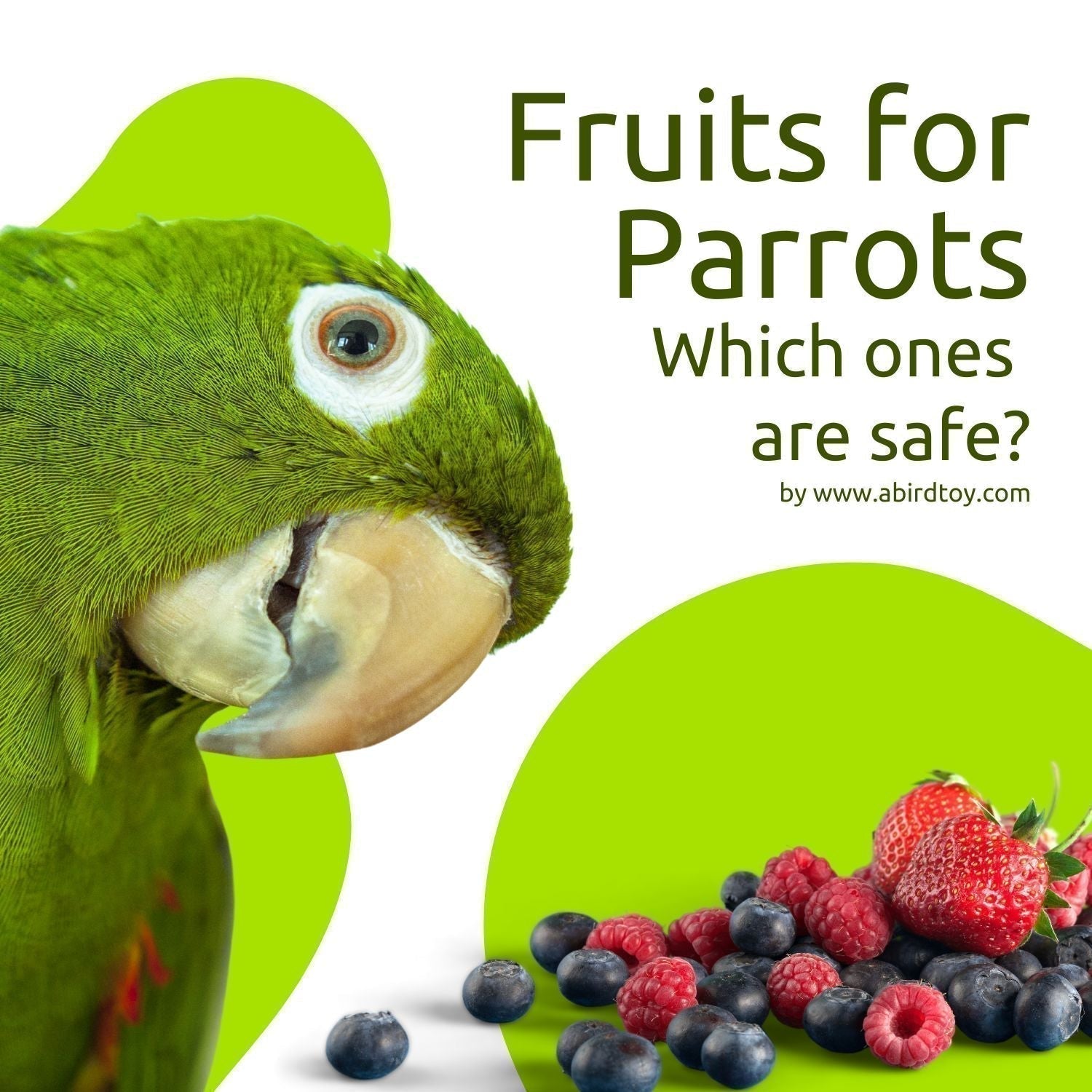
Fresh fruits add natural sugars and vitamins to birds’ diets. Apples, berries, and oranges are popular picks that most birds find irresistible. Cut fruits into small pieces to make them easier for birds to eat.
Don’t overlook dried fruits like raisins or cranberries, which can be a handy option during colder months. Have you noticed which fruits your local birds prefer? Observing their choices can help you tailor your feeding habits effectively.
Vegetables For Birds
Vegetables might seem unusual, but many birds enjoy them. Chopped leafy greens such as kale, spinach, and lettuce provide hydration and essential nutrients. Peas and corn also attract a range of species and can be offered fresh or frozen.
Remember to avoid salted or seasoned veggies, as these can harm birds. Offering a small variety can keep birds interested and coming back for more.
Foods To Avoid
Knowing which foods to avoid is just as important as knowing what is safe to feed birds. Some common snacks and plants that seem harmless to us can be toxic or harmful to birds. Protecting your feathered friends means being mindful of what you offer and keeping dangerous foods out of their reach.
Toxic Foods For Birds
Many foods that humans enjoy are toxic to birds and can cause severe health issues or even death. Chocolate, for example, contains theobromine, which is deadly to birds even in small amounts. Avocado is another culprit; it has persin, a substance that can lead to heart damage in birds.
Alcohol and caffeine are also on the no-go list. These substances affect birds’ nervous systems and can cause seizures or death. Always double-check before sharing any food with birds to avoid accidental poisoning.
Dangerous Human Snacks
It might be tempting to toss birds your leftover chips or bread, but these are harmful in several ways. Salty snacks like chips and pretzels can dehydrate birds and upset their delicate electrolyte balance. Bread, especially white bread, offers little nutrition and can lead to malnutrition or a condition called “angel wing.”
Processed snacks often contain additives and preservatives that birds cannot digest. Instead, offer plain seeds, nuts, or fruits to keep their diet natural and healthy. Have you ever noticed how birds ignore certain human snacks? That’s a natural instinct protecting them.
Harmful Plants And Nuts
Some plants and nuts common in your home or garden are toxic to birds. For example, onions and garlic can cause anemia in birds by damaging their red blood cells. Similarly, raw beans contain toxins that interfere with digestion and can be fatal.
Macadamia nuts are another danger. While delicious to us, they can cause weakness and tremors in birds. If you grow or keep any plants around feeding areas, make sure they are safe for birds or keep feeders far from them. What plants do you have nearby that might be risky?
Seasonal Feeding Tips
Feeding birds changes with the seasons. Each season offers different needs and challenges for wild birds. Understanding these changes helps you provide the best food and care year-round. Seasonal feeding keeps birds healthy and encourages them to visit your yard often.
Summer Feeding Ideas
Summer birds need plenty of water and energy. Offer fresh, clean water daily for drinking and bathing. Provide fruits like berries and melon slices. Seeds such as sunflower and millet work well. Avoid feeding bread or salty snacks that harm birds.
Winter Nutrition Needs
Winter is tough for birds. Cold weather burns their energy fast. High-fat foods help birds stay warm. Black oil sunflower seeds, suet cakes, and peanuts are great choices. Keep feeders full and dry to protect food from snow and ice.
Spring And Fall Adjustments
Birds eat more insects in spring and fall. Add mealworms or small dried insects to their diet. Use mixed seed blends with cracked corn and nuts. Clean feeders often to prevent disease. These changes support birds during migration and breeding seasons.

Credit: www.reddit.com
Feeding Techniques
Feeding birds is more than just scattering seeds; the techniques you use can make a big difference in attracting healthy birds and keeping them safe. How you present food affects which species visit your yard and how often they return. Let’s look at some key feeding techniques that can help you create a thriving bird-friendly environment.
Choosing The Right Feeders
Your choice of feeders can influence which birds show up. Tube feeders work well for small songbirds like finches, while platform feeders attract a wider variety, including ground feeders like doves. Hopper feeders combine the benefits of tube and platform styles, offering good seed protection from weather.
Think about the birds in your area and pick feeders that suit their feeding habits. For example, if you want to attract woodpeckers or nuthatches, suet feeders are a must-have. Using different feeders helps you cater to diverse species and keeps your birdwatching exciting.
Safe Feeding Practices
Keeping your feathered visitors safe is crucial. Avoid feeding birds bread or processed foods, as these can harm their health. Stick to natural seeds, nuts, and fruits that provide real nutrition.
Place feeders where cats or other predators can’t easily reach them. Hanging feeders at least 5 feet off the ground and away from dense shrubbery reduces risks. Have you checked if your feeding spot is safe for birds lately?
Cleaning And Maintenance
Regular cleaning prevents diseases that can spread quickly among birds. Use a mild bleach solution (1 part bleach to 9 parts water) to disinfect feeders every two weeks. Rinse thoroughly and let them dry completely before refilling.
Check feeders for moldy or wet food daily and remove it immediately. Clean feeding areas often to avoid attracting unwanted pests. Keeping a clean feeding station shows your care and helps birds stay healthy and happy.
Benefits Of Feeding Birds
Feeding birds offers more than just a chance to watch colorful feathers up close. It creates a positive impact on your local environment and provides unique chances to learn about nature. Whether you’re in a bustling city or a quiet suburb, feeding birds can bring unexpected benefits to your everyday life.
Supporting Local Wildlife
Providing food helps birds survive during tough seasons like winter or dry spells. You become a direct part of their survival story, especially for species struggling with habitat loss. Have you noticed how certain birds seem to visit your yard more often after you start feeding them? That’s not a coincidence—it shows you’re supporting your neighborhood’s natural balance.
Encouraging Bird Diversity
Offering a variety of seeds, fruits, or suet can attract different bird species to your yard. This diversity makes your outdoor space livelier and more interesting to watch. When you feed birds, you may even spot rare visitors that usually avoid human areas. What types of birds have surprised you at your feeder?
Educational Opportunities
Watching birds at your feeder can be a hands-on lesson for kids and adults alike. You get to observe behaviors like feeding habits, mating dances, or nest building right outside your window. This daily interaction turns learning about wildlife into a fun and personal experience, encouraging curiosity and care for the natural world.

Credit: www.reddit.com
Credit: abirdtoy.com
Frequently Asked Questions
What Foods Are Safe To Feed Wild Birds?
Safe foods for wild birds include seeds like sunflower and millet. Fresh fruits such as apples and berries are also good. Avoid salty, sugary, or processed foods to keep birds healthy and safe.
Can Birds Eat Bread Or Human Snacks?
Birds should not eat bread or human snacks. Bread lacks nutrients and can harm birds. Human snacks often contain salt and additives, which are unhealthy for birds.
How Often Should I Feed Birds In My Garden?
Feed birds daily during cold months or when food is scarce. In warmer seasons, feeding can be less frequent. Consistent feeding helps birds survive and thrive in your garden.
What Fruits Can I Offer To Birds Safely?
Birds enjoy safe fruits like apples, berries, and bananas. Always remove seeds and pits before feeding. Fresh, unsweetened fruit pieces provide essential vitamins and hydration.
Conclusion
Feeding birds can be simple and rewarding. Choose seeds and fruits they love. Avoid harmful foods like bread and salty snacks. Bird-friendly gardens help attract different species. Fresh water is essential for their health. Consistency in feeding keeps birds coming back.
Watching them thrive brings joy and peace. Understanding their needs creates a harmonious environment. Enjoy the beauty and melody they add to your space. Happy birdwatching!