

Choosing the right chain for your bird feeder might seem like a small detail, but it can make a big difference. You want something strong enough to hold the feeder securely, yet easy to hang and adjust.
The wrong chain could mean a feeder that swings too much or even falls down. You’ll discover which types of chains work best, how to pick one that suits your needs, and tips to keep your feathered friends safe and happy.
Keep reading to find the perfect chain for your bird feeder and enjoy watching birds visit your garden with ease.
Choosing The Right Chain Material
Choosing the right chain material for your bird feeder can make a big difference in durability and safety. The chain needs to support the feeder’s weight while withstanding weather conditions. Think about how often you want to replace it and how it will look in your garden or balcony.
Steel Chains
Steel chains are strong and affordable, making them a common choice for bird feeders. They hold up well under heavy weights but can rust quickly if exposed to rain or snow. If you choose steel, be ready to check it regularly and replace it if you see rust forming.
Stainless Steel Chains
Stainless steel chains resist rust and corrosion much better than regular steel. They stay looking good for years, even in wet climates. If you want something low maintenance that lasts, stainless steel is a smart pick, though it might cost a bit more upfront.
Galvanized Chains
Galvanized chains have a protective zinc coating to prevent rust. They offer a middle ground between steel and stainless steel in terms of cost and durability. These chains work well if you want something tough but don’t want to spend as much as stainless steel.
Plastic-coated Chains
Plastic-coated chains add an extra layer of protection against rust and can be gentler on birds’ feet. They come in various colors, which can help your feeder blend into your garden or stand out as a decorative feature. However, the plastic coating may crack over time, so keep an eye on its condition.
Weather Resistance Factors
Choosing the right chain for a bird feeder means thinking about weather resistance. Outdoor conditions can quickly damage chains that are not made to last. The chain should handle rain, sun, and changing temperatures without breaking down. Understanding key weather resistance factors helps pick a durable chain. This keeps the feeder safe and stable over time.
Rust And Corrosion Resistance
Rust and corrosion ruin most metal chains fast. Steel or iron chains without a protective coating will weaken and break. Chains made of stainless steel or galvanized metal resist rust well. These materials last longer in wet conditions. A rust-resistant chain keeps your feeder secure and looking good.
Uv Protection
Sunlight damages many chains by breaking down their material. Plastic chains often fade, crack, or become brittle from UV rays. Metal chains with UV-resistant coatings hold up better. Choosing a chain with UV protection prevents fast wear and keeps it strong.
Moisture And Rain Durability
Chains face constant moisture from rain and dew. Water can cause swelling or rust, depending on the material. Waterproof or water-resistant chains perform best outdoors. Avoid chains that absorb water or stay wet for long. A moisture-proof chain lasts through all seasons without failing.
Chain Strength And Durability
Choosing the right chain for a bird feeder depends heavily on its strength and durability. A strong chain supports the feeder’s weight without bending or breaking. Durability ensures the chain withstands weather and outdoor conditions. Both qualities keep the feeder safe and stable for birds.
Weight Capacity
Chains come with different weight limits. Select a chain that holds more than your feeder’s weight. This prevents snapping under heavy loads, such as filled feeders or visiting birds. Heavy-duty chains offer better support for larger feeders.
Wear And Tear Resistance
Outdoor chains face rain, sun, and wind daily. Rust-resistant materials like stainless steel or galvanized metal last longer. Look for chains with coatings that prevent corrosion. Durable chains keep their strength despite harsh weather.
Flexibility And Length Options
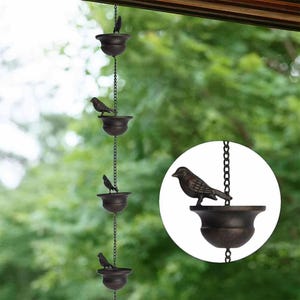
A good chain bends easily for easy hanging and adjustment. Chains come in various lengths to suit different locations. Choose a chain long enough to hang your feeder at the right height. Flexible chains make setup and maintenance simpler.
Credit: www.etsy.com
Safety Considerations For Birds
Choosing the right chain for your bird feeder is important to keep birds safe. Some chains can harm birds if not chosen carefully. Safety should be the top priority to avoid injury or discomfort for your feathered visitors. The materials and design of the chain affect bird safety.
Non-toxic Materials
Birds can be sensitive to chemicals and poisons. Using chains made from non-toxic materials protects birds from harm. Avoid chains with paint, coatings, or metals that can rust. Stainless steel or natural fibers are safe options. These materials do not release harmful substances in wet or hot weather.
Smooth Edges And Joints
Chains with sharp edges or rough joints can cut or hurt birds. Choose chains with smooth, rounded links that prevent injuries. Inspect the chain regularly for any damage or sharp points. Smooth edges help birds perch safely without risk of harm or discomfort.
Avoiding Entanglement Risks
Chains with wide gaps or loose links can trap birds’ feet or wings. Select chains with small, tight links to reduce the chance of entanglement. Avoid using long or dangling chains that birds can get tangled in. A secure, tight design keeps birds safe while feeding.
Maintenance Tips For Chain Longevity
Keeping the chain of your bird feeder in good shape is key to ensuring it lasts through many seasons. A well-maintained chain not only supports the feeder securely but also keeps it looking neat and safe for your feathered visitors. Let’s dive into practical tips that help you extend the life of your bird feeder chain.
Regular Cleaning
Dirt and bird droppings can build up on chains quickly. This buildup can cause rust or weaken the metal over time. Clean your chain every few weeks using warm, soapy water and a soft brush to remove grime.
Rinse thoroughly and dry it completely before rehanging. If you notice stubborn rust spots, a bit of vinegar can help loosen them. Have you ever skipped cleaning and seen the chain fail unexpectedly? It’s a clear sign to keep up with this simple task.
Inspecting For Damage
Take time to check your chain for signs of wear like rust, broken links, or bends. These issues can compromise the strength of the chain and risk your feeder falling. Look closely at the areas where the chain connects to the feeder and the hanging point.
If you spot any damage, replace the chain immediately. Don’t wait until it breaks. A quick weekly glance can save your feeder from an early trip to the ground and protect the birds that visit it.
Protective Coatings And Treatments
Applying a protective coating can dramatically increase your chain’s lifespan. Options include rust-resistant sprays or clear sealants designed for metal. These treatments create a barrier against moisture and weather.
Choose a product safe for outdoor use and reapply it every few months. If you’ve ever handled a rusty chain, you know how much easier it is to maintain one that’s protected. Are you using any coatings now, or is it time to start?

Credit: www.etsy.com
Popular Chain Choices For Bird Feeders
Choosing the right chain for your bird feeder affects both its look and durability. Chains must hold the feeder securely while resisting weather damage. Different metals offer unique benefits, making some chains more popular for outdoor use. Below are common chain types that suit most bird feeders.
Copper Chains
Copper chains bring a warm, natural color that blends well in gardens. They resist rust and develop a greenish patina over time, adding charm. Copper is strong enough to support small to medium feeders safely. Its weight keeps the feeder steady in light winds.
Brass Chains
Brass chains shine with a bright, gold-like finish that stays attractive longer. They resist corrosion better than iron chains and hold up well outdoors. Brass is durable and supports heavier feeders without bending. It adds a classic look to any bird feeding setup.
Aluminum Chains
Aluminum chains are lightweight and easy to handle. They do not rust and are highly resistant to outdoor weather. Aluminum works well for hanging small feeders or decorations. Its flexibility makes installation simple and quick.
Installation And Replacement Advice
Installing a chain for your bird feeder requires care for safety and stability. Choosing the right chain length and secure attachment keeps the feeder steady. Knowing when to replace the chain ensures your feeder stays reliable over time. Follow these simple tips for a smooth installation and timely replacement.
Proper Chain Length
Select a chain that hangs the bird feeder at a good height for birds. Too short limits bird access. Too long makes the feeder swing too much in the wind. Measure the space between the hanging point and the desired feeder height. A chain length of about 3 to 4 feet usually works well. Adjust the length based on your garden and feeder size.
Secure Attachment Methods
Use strong hooks or clips to attach the chain to the feeder and hanging point. Look for rust-resistant materials like stainless steel or coated metal. Ensure the hooks close tightly to avoid the feeder falling. Double-check the connection by gently pulling the chain after hanging. Avoid thin wires or weak plastic ties that can break.
When To Replace Your Chain
Replace the chain if you see signs of rust or wear. Check for broken or bent links regularly. A damaged chain can cause the feeder to fall and hurt birds. Replace the chain at least once a year for safety. Changing the chain also refreshes the look of your feeder setup.

Credit: www.ebay.com
Frequently Asked Questions
What Type Of Chain Is Best For Bird Feeders?
Stainless steel chains are best for bird feeders. They resist rust and hold heavy feeders securely. Their durability ensures long-term use outdoors.
Can I Use Plastic Chains For Bird Feeders?
Plastic chains are lightweight but less durable. They may crack in cold weather and attract squirrels. Metal chains are generally preferred for strength.
How Long Should A Bird Feeder Chain Be?
A chain length of 2 to 3 feet is ideal. It allows easy hanging and access for birds. Adjust length to suit your feeder’s height.
Are Stainless Steel Chains Weather-resistant?
Yes, stainless steel chains resist rust and corrosion. They withstand rain, snow, and sun exposure. This makes them perfect for outdoor bird feeders.
Conclusion
Choosing the right chain ensures your bird feeder stays secure. Strong materials like metal work best for durability. Chains must withstand weather and bird activity. Look for rust-resistant options. Lightweight chains may snap under pressure. Test the chain’s strength before use.
Always consider the feeder’s weight. Safety for birds is key. Proper hanging height prevents unwanted visitors. Regularly inspect the chain for wear. Replace it if needed. A good chain keeps your bird feeder safe and steady. Happy bird watching!