

If you have a canary bird or are thinking of getting one, you probably wonder what it eats to stay healthy and happy. Feeding your canary the right food isn’t just about keeping it alive—it helps your bird sing beautifully, stay active, and live longer.
But with so many options out there, how do you know what most canary birds really need? You’ll discover the essential foods that make up a canary’s diet and simple tips to keep your feathered friend thriving. Keep reading to learn how to give your canary the best nutrition possible!
Canary Diet Basics
Understanding what your canary eats is key to keeping it healthy and happy. The basics of a canary diet go beyond just seeds. It’s about balance—making sure your bird gets all the nutrients it needs from a variety of sources.
Essential Nutrients
Canaries need a mix of proteins, fats, vitamins, and minerals every day. Protein helps build strong muscles and feathers, while fats give them energy for flying and singing. Vitamins like A, D, and E support their immune system and overall health.
Calcium is especially important for female canaries during breeding season to help with egg production. You can provide these nutrients through quality seed mixes and supplements like cuttlebone or mineral blocks. Do you check your bird’s food labels to see if these nutrients are included?
Natural Food Preferences
Canaries naturally enjoy a variety of seeds, but they also like fresh fruits and vegetables. They often pick at millet, canary grass seed, and sometimes a little hemp seed. Adding fresh greens like spinach, dandelion leaves, or kale can mimic what they would find in the wild.
Offering small amounts of chopped apple, carrot, or even boiled egg can surprise your canary and provide extra nutrition. I once noticed my bird perk up immediately when I added a slice of orange to the cage—turns out, they love a bit of citrus! Have you tried mixing fresh foods into your canary’s diet yet?
Credit: www.chewy.com
Seed Mixes And Pellets
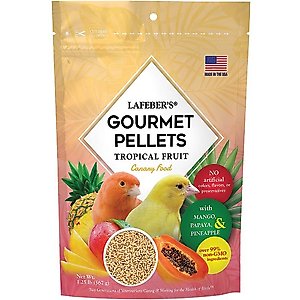
Seed mixes and pellets form the core of most canary birds’ diets. These options provide essential nutrients and keep canaries healthy and active. Seed mixes offer variety, while pellets ensure balanced nutrition in every bite. Choosing the right mix or pellet type helps support your bird’s well-being.
Popular Seed Types
- Millet: Small, round seeds loved by canaries for easy eating.
- Canary Grass Seed: A staple seed, rich in carbohydrates and fiber.
- Hemp Seed: Contains healthy oils and protein for energy.
- Flaxseed: Offers omega-3 fatty acids to support feathers.
- Niger Seed: High in fat, providing extra energy during colder months.
Benefits Of Pellets
- Provide balanced nutrition in every piece.
- Prevent selective eating common with seed mixes.
- Enhance digestion with added vitamins and minerals.
- Reduce waste as canaries eat the entire pellet.
- Support consistent energy levels throughout the day.
Fresh Fruits And Vegetables
Fresh fruits and vegetables form an essential part of a canary bird’s diet. They supply vitamins, minerals, and hydration that keep canaries healthy and active. Offering a variety of fresh produce helps mimic their natural feeding habits and supports their overall well-being.
Safe Choices
- Apples (remove seeds)
- Carrots (chopped or grated)
- Spinach (small amounts)
- Broccoli (lightly steamed or raw)
- Pear (peeled and sliced)
- Peas (fresh or thawed)
- Cucumber (peeled and sliced)
- Blueberries (washed)
These fruits and vegetables are gentle on canaries’ digestive systems. Avoid citrus fruits and anything with pesticides or chemicals.
Portion And Preparation Tips
- Wash all produce thoroughly before serving.
- Cut fruits and vegetables into small, bite-sized pieces.
- Offer fresh servings daily to prevent spoilage.
- Remove uneaten portions after a few hours.
- Introduce new items slowly to monitor reactions.
- Balance fresh food with seeds and pellets for nutrition.
Proper preparation ensures canaries enjoy their meals safely and comfortably. Small, fresh portions support digestion and prevent waste.

Credit: www.exoticwings.ca
Protein Sources
Protein is essential for your canary’s health, supporting muscle development, feather growth, and overall vitality. Without enough protein, your bird may become weak or lose its vibrant colors. Understanding the best protein sources helps you keep your canary energetic and thriving.
Insects And Egg Food
Live or dried insects are natural protein boosters for canaries. Mealworms and small crickets provide amino acids your bird needs. Many bird owners notice their canaries become more active and sing more after adding insects to their diet.
Hard-boiled eggs, mashed finely, are another excellent protein source. They are easy to prepare and rich in nutrients. You can offer egg food a couple of times a week to avoid overfeeding.
Alternatives For Protein
If you’re not comfortable feeding live insects, there are other options. Commercial egg food mixes designed for canaries combine protein with essential vitamins. These mixes are convenient and often enriched with minerals.
Seeds like hemp and sunflower also contain some protein, though less than insects or eggs. Mixing different seeds ensures your canary gets a balanced protein intake. Have you tried adding small amounts of cooked legumes like lentils? They can be a surprising protein hit for your bird.
Supplements And Treats
Supplements and treats play a crucial role in keeping your canary healthy and happy. While a balanced seed mix or pellets cover most of their dietary needs, adding extra vitamins and occasional snacks can boost their energy and well-being. Knowing what to offer and when helps avoid overfeeding and nutritional imbalances.
Vitamins And Minerals
Canaries need a variety of vitamins and minerals to stay vibrant and active. Calcium is vital for strong bones and eggshell formation, so providing cuttlebone or mineral blocks is a smart move. Vitamin A supports their immune system and feather health, so fresh leafy greens like spinach or dandelion leaves work well.
You can also add vitamin supplements designed for birds, but use them sparingly to prevent overdosing. Have you noticed your canary’s feathers looking dull or brittle? That might be a sign they need extra nutrients. A simple way to boost their intake is by mixing a small amount of powdered vitamins into their water or food.
Occasional Snacks
Treats are a great way to bond with your canary and provide mental stimulation. Small pieces of fresh fruits like apple, pear, or berries are usually well received. Avoid citrus fruits, as they can upset your bird’s stomach.
Cooked egg is another excellent snack, packed with protein especially during molting or breeding seasons. Just remember to offer treats in moderation, no more than 10% of their daily diet, to keep them balanced and prevent obesity.
Do you find your canary eagerly waiting for snack time? This excitement shows how treats can strengthen your connection and keep their environment enriching. What new treat will you try today to surprise your feathered friend?
Feeding Schedule And Water
Maintaining a proper feeding schedule and providing fresh water are vital for the health of canary birds. Their small bodies need regular meals to stay active and happy. Water supports digestion and keeps them hydrated throughout the day.
Meal Timing
Feed canaries twice a day, morning and late afternoon. This timing mimics their natural eating habits. Offer seeds, pellets, and fresh fruits or vegetables during these meals. Avoid overfeeding to prevent obesity and digestive problems. Remove any leftover food before the next feeding to keep their cage clean.
Importance Of Clean Water
Provide fresh water daily. Change water at least once a day to avoid bacteria build-up. Use a clean water dish or bottle suitable for small birds. Clean the water container regularly with mild soap and rinse well. Proper water hygiene helps prevent diseases and keeps canaries healthy and lively.
Foods To Avoid
Knowing what foods to avoid is just as important as knowing what to feed your canary. Some everyday items can harm your bird’s health severely, even in small amounts. Being aware of these foods helps you protect your feathered friend from unnecessary risks.
Toxic And Harmful Items
Several common foods can be toxic to canaries and must never be given:
- Avocado:Contains persin, which can cause heart damage and respiratory issues.
- Chocolate:Contains theobromine and caffeine, both dangerous for birds.
- Caffeine:Found in coffee, tea, and energy drinks, it overstimulates and can be fatal.
- Alcohol:Even small amounts can cause severe intoxication and organ failure.
- Onions and Garlic:These can cause anemia by destroying red blood cells.
- Salt and Sugary Foods:They lead to dehydration and digestive problems.
Did you know that a tiny bit of chocolate can be lethal to your canary? Many pet owners overlook this risk because these foods seem harmless to us.
Signs Of Food Intolerance
Your canary might not be allergic but could still have trouble digesting certain foods. Watch for unusual behaviors or symptoms after feeding new items.
- Vomiting or regurgitation
- Diarrhea or abnormal droppings
- Lethargy or decreased activity
- Fluffed-up feathers and puffiness
- Loss of appetite
If you notice any of these signs, stop giving the suspect food immediately and consult a vet. Have you ever noticed your canary acting differently after eating something new? Paying attention to these clues can save your bird’s life.
Adapting Diet For Different Life Stages
Canary birds need different foods at various stages of their lives. Their diet must change to support growth, health, and energy needs. Proper feeding helps them stay strong and active.
Juveniles
Young canaries require a diet rich in protein for growth. Soft foods, like boiled eggs and finely chopped greens, help them develop. Seeds should be small and easy to eat. Frequent feeding is important to support their fast metabolism.
Breeding Canaries
Breeding canaries need extra energy and nutrients. They benefit from more seeds, fresh vegetables, and fruits. Protein sources like egg food boost fertility and egg production. Clean water must be available at all times. A balanced diet ensures healthy chicks and strong parents.
Senior Birds
Older canaries need gentle foods that are easy to digest. Seeds mixed with soft pellets or cooked grains work well. Vitamins and minerals help maintain their health. Avoid fatty foods to prevent weight gain. Regular diet adjustments support their aging bodies and keep them lively.

Credit: www.amazon.com
Frequently Asked Questions
What Do Most Canary Birds Eat Daily?
Most canary birds eat a mix of seeds, fresh fruits, and vegetables daily. They also benefit from occasional protein like boiled eggs. A balanced diet ensures their health and vibrant feathers.
Are Canary Birds Seed Eaters Only?
Canaries primarily eat seeds but also enjoy fresh fruits and vegetables. Seeds provide energy, while fruits and veggies supply essential vitamins and minerals for overall wellness.
Can Canary Birds Eat Fruits Safely?
Yes, canary birds can safely eat fruits like apples, berries, and oranges. Remove seeds and pits before feeding to avoid toxicity and digestive issues.
How Often Should You Feed Canary Birds?
Feed canary birds twice a day—morning and evening—with fresh food and clean water. Regular feeding supports their metabolism and keeps them active.
Conclusion
Feeding canary birds the right diet keeps them healthy and happy. Seeds, fruits, and vegetables provide essential nutrients. Fresh water is vital for hydration. Avoid overfeeding treats; balance is key. A varied diet prevents boredom and ensures well-being. Pay attention to your canary’s preferences.
Observe changes in behavior or health. Adjust their diet if necessary. Consult a vet for any concerns about their nutrition. Caring for your canary bird’s diet boosts their quality of life. Nurturing them with love and proper food guarantees a joyful companion.
Enjoy the cheerful songs and vibrant colors of your well-fed canary.