
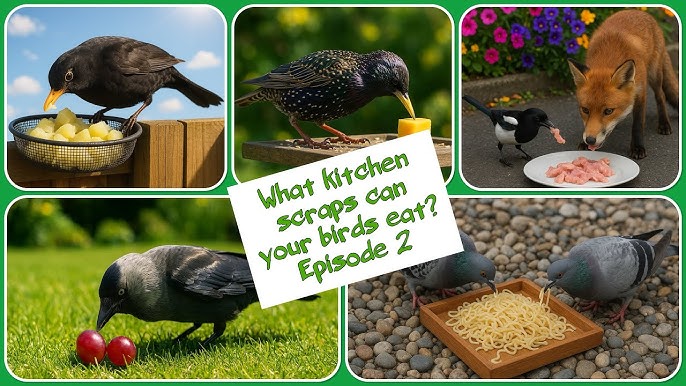
Have you ever wondered what scraps you can safely feed wild birds visiting your yard? Feeding wild birds not only brings nature closer to you but also helps these little creatures thrive, especially when food is scarce.
But not all scraps are good for them—some can actually harm their health. You’ll discover simple, safe, and tasty scraps that will attract a variety of wild birds to your garden. Keep reading to learn how you can make a real difference for your feathered friends with just a few thoughtful choices.
Credit: www.reallywildbirdfood.co.uk
Safe Food Scraps For Wild Birds
Feeding wild birds with safe food scraps can be a rewarding way to support local wildlife. It’s important to choose scraps that provide good nutrition without harming their health. Here’s a look at some safe options you can offer to your feathered visitors.
Fruits And Vegetables
Many birds enjoy fresh fruits and vegetables. Apples, berries, and grapes are favorites, but always remove seeds and pits first. Vegetables like peas, corn, and carrots can also be offered raw or cooked, making a colorful and healthy treat.
Have you noticed how some birds flock to bright red berries? This natural preference can guide you in choosing what to share. Just avoid onions, garlic, and avocado, as these can be toxic.
Grains And Seeds
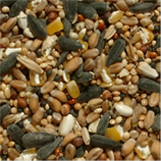
Grains and seeds are a staple for wild birds. Leftover cooked oats, quinoa, and unsalted sunflower seeds work well. You can sprinkle these scraps on bird feeders or the ground for easy access.
Try mixing different seeds to attract a variety of species. Sunflower seeds are especially popular among cardinals and chickadees, while millet draws in sparrows and finches.
Cooked Rice And Pasta
Plain cooked rice and pasta make great energy boosts for birds. Avoid adding salt, sauces, or spices, as these can upset their digestion. Offering small portions helps prevent mold and spoilage.
Next time you have leftover plain spaghetti or rice, consider sharing it outdoors. It’s surprising how eagerly birds will peck at these simple scraps.
Nuts And Nut Butters
Unsalted nuts like peanuts, almonds, and walnuts are excellent treats, especially in colder months. Nut butters can be spread on tree bark or feeders to attract woodpeckers and nuthatches.
Be mindful of portion sizes to avoid overwhelming the birds’ diets. Also, chop larger nuts into smaller pieces to make them easier to eat.

Credit: homeandroost.co.uk
Foods To Avoid Giving Wild Birds
Feeding wild birds can be a rewarding experience, but not every food scrap is safe for them. Some common human snacks can harm birds or disrupt their natural diet. Knowing what to avoid helps you protect your feathered visitors while still offering them treats they truly need.
Salty And Sugary Items
Birds are very sensitive to salt and sugar. Even small amounts can cause dehydration or serious health issues. Avoid sharing chips, pretzels, candy, or sugary baked goods with wild birds.
Have you ever seen a bird nibble on salty food and then drink water nonstop? That’s a sign salt is stressing their system. Instead, stick to unsalted nuts or plain seeds if you want to offer a crunchy treat.
Processed And Junk Foods
Processed foods often contain additives and preservatives that are harmful to birds. Items like fast food scraps, packaged snacks, or leftover pizza should never be fed to wild birds.
These foods lack the nutrients birds need and can cause digestive problems. If you want to share human food, opt for natural and simple options like fresh fruits or plain cooked rice.
Toxic Foods For Birds
Many everyday foods are outright toxic to wild birds. Avoid feeding them chocolate, avocado, caffeine, alcohol, or anything containing onion and garlic.
Even small amounts of these can lead to severe illness or death. Have you ever thought about how a harmless snack for you could be deadly for a bird? Always double-check before offering something new to your outdoor friends.
Preparing Scraps For Bird Feeding
Preparing scraps for bird feeding takes care and attention. Clean, safe scraps help wild birds stay healthy. Proper preparation stops birds from getting sick. It also makes food easier to eat and digest.
Cleaning And Cutting
Wash all scraps to remove dirt and bacteria. Use cold water and rinse thoroughly. Avoid soaps or chemicals that might harm birds. Cut large pieces into small, bite-sized bits. This helps birds eat without trouble. Remove seeds, pits, or shells that may be harmful. Soft foods are easier for birds to handle.
Avoiding Mold And Spoilage
Check scraps carefully for any signs of mold. Moldy food can make birds very sick. Do not feed scraps that smell bad or look slimy. Offer fresh scraps and remove leftovers quickly. Store scraps in a cool, dry place before use. Keep feeding areas clean to avoid pests. Regularly clean feeders to prevent disease spread.
Credit: www.reallywildbirdfood.co.uk
Best Practices For Feeding Wild Birds
Feeding wild birds can be a rewarding experience, but it requires careful thought to keep the birds safe and healthy. Understanding where, how often, and what to feed can make a big difference in attracting a variety of feathered friends while supporting their natural habits. Let’s look at some best practices that will help you create a bird-friendly feeding routine.
Feeding Locations
Choose feeding spots that offer some shelter from predators and harsh weather. Placing feeders near trees or shrubs gives birds a quick escape route. Avoid areas with heavy foot traffic or where pets roam freely to reduce stress on the birds.
Have you noticed how birds prefer spots that feel safe? I once moved my feeder closer to a dense bush, and the number of visitors doubled within a week. Small changes like this can make your backyard a bird haven.
Feeding Frequency
Consistency is key. Birds get used to food sources and rely on them, especially during tough seasons. Try to feed at the same time each day to create a reliable routine.
However, don’t overfeed. Offer scraps in moderation to encourage birds to keep foraging naturally. Too much food can lead to dependency and crowding, which increases the risk of disease.
Seasonal Considerations
Adjust what and how you feed based on the season. In winter, birds need high-energy foods like suet, nuts, and seeds to stay warm. During spring and summer, offer fruits and insects to support breeding and feeding of chicks.
Keep an eye on local weather and bird behavior. If a cold snap hits unexpectedly, increasing food availability can help birds survive. But in warmer months, reduce feeding to avoid attracting pests.
Benefits Of Feeding Wild Birds Nutritious Scraps
Feeding wild birds with nutritious scraps offers several benefits. It helps them survive harsh seasons and keeps their energy high. Birds get essential vitamins and minerals from healthy food bits. This simple act supports their overall well-being and vitality.
Supporting Bird Health
Nutritious scraps improve birds’ immune systems and strength. Healthy birds resist diseases better and live longer. Providing seeds, grains, and fruits supplies needed nutrients. Avoid feeding salty or sugary leftovers that harm birds.
Encouraging Local Wildlife
Feeding wild birds attracts more species to your area. It creates a lively environment with diverse birdlife. Birds help spread seeds, aiding plant growth nearby. This natural interaction supports the entire local ecosystem.
Environmental Impact
Using scraps reduces food waste by giving leftovers a purpose. It lowers the amount of trash sent to landfills. Feeding birds naturally decreases the need for processed bird food. This small step helps protect the environment around you.
Frequently Asked Questions
What Kitchen Scraps Are Safe For Wild Birds?
Safe scraps include unsalted nuts, seeds, cooked rice, and vegetable peels. Avoid processed or salty foods. These provide natural nutrients and energy to wild birds without harming them.
Can I Feed Bread Scraps To Wild Birds?
Bread is not ideal as it lacks nutrients and can cause health issues. Small amounts of whole grain bread are safer but should be rare. Opt for healthier alternatives like seeds or fruits.
Which Fruits And Vegetables Can I Feed Wild Birds?
Birds enjoy apple slices, berries, peas, and corn. Avoid citrus and onions as they can be harmful. Fresh, pesticide-free produce is best to support their natural diet.
How Often Should I Feed Scraps To Wild Birds?
Feed scraps sparingly, no more than once or twice a week. Overfeeding can disrupt their natural foraging and diet balance. Always provide fresh water nearby.
Conclusion
Feeding wild birds can be a rewarding activity. Safe scraps like bread, fruit, and seeds are suitable. These options provide essential nutrients. Always avoid processed foods and salty snacks. They harm birds’ health. Fresh water is also important. Birds need it for drinking and bathing.
Watching birds enjoy these treats is delightful. Keep feeding areas clean to prevent disease. Happy birds make for a lively backyard. Enjoy the vibrant wildlife in your area. Remember, feeding birds is a simple way to connect with nature. Make it a part of your daily routine.