
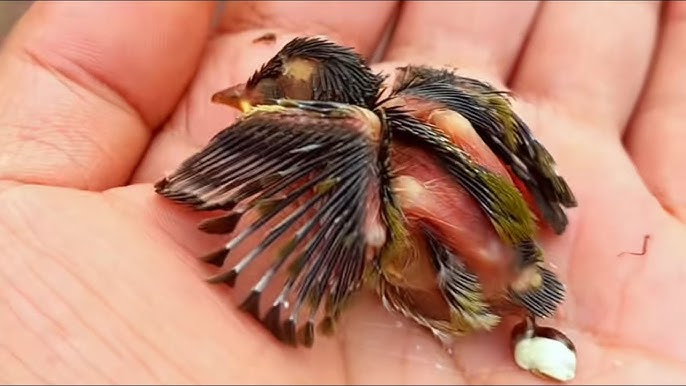
Finding a tiny, fragile baby bird just a few days old can make your heart race. You want to help, but you might be asking yourself, “What do I feed a 3 day old baby bird?”
Feeding a baby bird the wrong food can do more harm than good. That’s why it’s important you know exactly what to give your little feathered friend to keep it healthy and growing strong. In this guide, you’ll discover simple, safe feeding tips that anyone can follow—even if you’ve never cared for a baby bird before.
Keep reading, because your quick actions could make all the difference for that tiny life in your hands.

Credit: www.youtube.com
Feeding Needs Of Newborn Birds
Understanding the feeding needs of newborn birds is essential to ensure their healthy growth and survival. At just three days old, baby birds require special care and a diet that closely mimics what their parents would provide in the wild. You need to pay close attention to what and how often you feed them to give these fragile creatures the best start in life.
Nutritional Requirements
Newborn birds need a diet rich in protein to support rapid growth. Their tiny bodies demand easy-to-digest food that provides energy and essential nutrients like vitamins and minerals.
High-quality protein sources such as boiled egg yolk mixed with a bit of water can work well. Some bird owners have had success using specially formulated hand-feeding formulas designed for baby birds. Avoid feeding bread, seeds, or milk, as these can cause digestive issues or malnutrition.
Have you noticed how picky baby birds can be? They instinctively reject food that doesn’t meet their needs, which is nature’s way of guiding you to the right choices.
Feeding Frequency
Newborn birds have tiny stomachs that empty quickly, so they need frequent feedings. At three days old, you should feed your baby bird every 15 to 20 minutes from dawn until dusk.
Feeding too little or too infrequently can lead to dehydration and starvation. On the other hand, overfeeding can cause choking or crop problems. Watch your bird closely and adjust feeding intervals as they grow stronger.
Have you ever wondered how wild parent birds keep up with such a demanding schedule? It’s a full-time job that requires dedication, and now you’re stepping into their shoes.

Credit: www.youtube.com
Safe Food Options For 3-day-old Birds
Feeding a 3-day-old baby bird requires careful attention to diet. Their tiny bodies need gentle and safe nourishment. Choosing the right food helps them grow strong and healthy. Avoid anything harsh or difficult to digest. Soft and nutrient-rich options work best at this stage.
Homemade Bird Formula
Homemade bird formula is a safe choice for very young birds. It mimics the natural diet provided by parent birds. You can prepare it using simple ingredients found at home. The formula should be smooth and easy to swallow.
- Mix warm water with a small amount of baby cereal or oatmeal.
- Add finely mashed boiled egg yolk for protein.
- Include a drop of fruit juice for vitamins, like apple or pear juice.
- Blend the mixture until it is free of lumps.
- Feed with a small syringe or dropper gently into the bird’s mouth.
Keep the formula fresh and warm. Prepare small amounts to avoid spoilage. Never use milk, as birds cannot digest it properly.
Suitable Natural Foods
Natural foods can also support a baby bird’s diet. Offer soft, easy-to-digest options that provide essential nutrients. These foods should be finely chopped or mashed.
- Soft fruits like mashed banana or pear.
- Cooked and finely chopped vegetables such as peas or carrots.
- Small insects like mealworms or tiny crickets, if available.
- Soaked and softened seeds suitable for the bird species.
Always check the size of food pieces. Avoid anything hard or sharp. Introduce natural foods slowly to avoid digestive upset.
Feeding Techniques
Feeding a 3-day-old baby bird requires gentle care and precise technique. The feeding process isn’t just about nutrition; it’s about building trust and ensuring the chick’s safety. Mastering the right techniques can make a huge difference in your success as a caregiver.
Hand-feeding Methods
Start by using a small, soft feeding tool like a syringe or a spoon with rounded edges. The goal is to mimic the bird’s natural feeding without causing injury.
Hold the baby bird securely but gently. Support its body and keep its head slightly elevated to prevent choking. Never force the food; allow the bird to swallow at its own pace.
Feed small amounts frequently—every 15 to 20 minutes during daylight hours. Use a formula designed specifically for baby birds or a homemade mixture recommended by experts. Warming the food slightly to about 100°F helps with digestion and acceptance.
Avoiding Common Mistakes
- Overfeeding:It’s tempting to give more, but too much food can cause regurgitation or aspiration.
- Incorrect temperature:Cold food can shock the baby, while hot food can burn its delicate throat.
- Ignoring hygiene:Always sterilize feeding tools and wash your hands to prevent infections.
- Improper positioning:Feeding a bird on its back can lead to choking or aspiration pneumonia.
Have you ever wondered why some baby birds refuse food? It’s often due to stress or discomfort during feeding. Observing their behavior closely helps you adjust your approach and improve their feeding experience.
Signs Of A Healthy Baby Bird
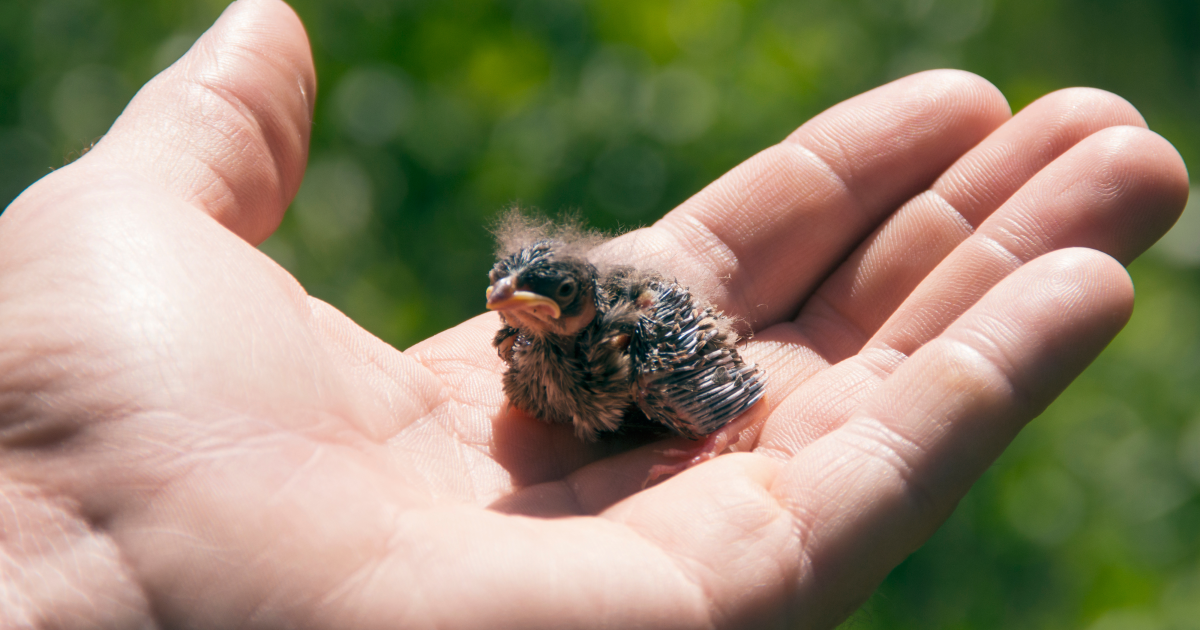
Recognizing the signs of a healthy 3 day old baby bird is vital for proper care. Healthy birds show clear physical and behavioral traits. These signs help ensure the bird grows strong and thrives.
Physical Indicators
- Bright, clear eyes without discharge
- Soft, clean skin and developing feathers
- Firm body with no swelling or lumps
- Pinkish color on the skin and beak
- Steady breathing without wheezing or gasping
- Well-formed, moist mouth and throat area
- Active movement of wings and legs
Behavioral Cues
- Regular begging for food with open mouth
- Responsive to touch and sound
- Consistent swallowing after feeding
- Active stretching and slight movement in the nest
- Calm and quiet when resting
- Alertness to environmental changes
When To Seek Expert Help
Knowing when to seek expert help is vital for a 3-day-old baby bird’s survival. These tiny creatures are fragile and need special care. Some signs show that the bird may be in danger or needs professional attention. Acting quickly can save the bird’s life and improve its chances of recovery.
Recognizing Emergencies
Look for signs like weak or labored breathing, bleeding, or visible injuries. If the bird is cold and unresponsive, it needs urgent help. Refusal to eat or drink can also be a serious warning. Sudden falls from the nest or attacks by pets require immediate care. These emergencies need fast action to avoid harm.
Finding Wildlife Rehabilitators
Wildlife rehabilitators have the right skills to care for injured or orphaned birds. Search for local professionals through wildlife centers or animal rescue groups. Many have hotlines or websites with contact details. Provide clear information about the bird’s condition and location. Experts can offer advice or come to take the bird for proper treatment.
Credit: pethelpful.com
Frequently Asked Questions
What Is The Best Food For A 3-day-old Baby Bird?
The best food is a soft, protein-rich diet like soaked dog kibble or finely chopped boiled eggs. Avoid seeds and bread, as they lack essential nutrients.
How Often Should I Feed A 3-day-old Baby Bird?
Feed every 15 to 20 minutes from dawn to dusk. Young birds have high metabolism and need frequent feeding for growth.
Can I Use Formula To Feed A 3-day-old Baby Bird?
Yes, commercial hand-feeding formulas designed for baby birds are ideal. They provide balanced nutrition and are easy to digest.
Should I Warm The Food Before Feeding A Baby Bird?
Always warm the food to about 100°F (38°C). Cold food can cause digestive problems and reduce nutrient absorption.
Conclusion
Feeding a 3-day-old baby bird requires care and attention. Proper nutrition is vital. Use soft foods like soaked dog biscuits or moistened bread. Offer food every 20-30 minutes during the day. Be gentle and patient while feeding. Avoid giving milk or seeds; they can harm the bird.
Cleanliness is key; always wash hands before and after feeding. Observe the bird’s response to ensure it is eating well. Consult a vet for guidance if needed. With love and care, the baby bird will grow healthy and strong.