

Stumbling upon a baby bird can be both an exciting and nerve-wracking experience. You might feel a rush of responsibility and a desire to help, but knowing what to do next isn’t always clear.
Your heart may skip a beat as you wonder, “What should I feed this tiny creature to ensure its survival? ” This question is crucial because a baby bird’s diet is key to its growth and development. You’ll uncover simple yet effective ways to nourish a young bird, ensuring it gets the best start in life.
Keep reading to discover the essential steps you need to take when you find yourself in this delicate situation. Your newfound knowledge could make all the difference in the world for a baby bird in need.

Credit: tracyaviary.org
Identifying Baby Bird Types
Identifying the type of baby bird is crucial before feeding it. Different types need different care and food. Recognizing the bird helps provide the right support. It also increases the chances of survival. This section helps you spot the main types of baby birds you might find.
Nestlings Vs. Fledglings
Nestlings are very young birds. They have little or no feathers. Their eyes may be closed or just opening. They cannot walk or fly yet. Nestlings depend fully on their parents for warmth and food.
Fledglings are older baby birds. They have most of their feathers. They can hop or flutter short distances. Fledglings learn to fly and find food. They often leave the nest but still get help from parents.
Common Species In Urban Areas
Some bird species appear often in cities and towns. Knowing these helps identify baby birds quickly.
- Pigeons – Plump with gray feathers and short beaks.
- House Sparrows – Small, brown with streaks on their backs.
- Robins – Orange chest with gray-brown feathers.
- Starlings – Shiny black feathers with speckles.
- Blue Jays – Bright blue feathers and loud calls.
Each species may need specific food types. Identifying the bird helps prepare the right feeding plan.
Assessing The Bird’s Condition
Finding a baby bird can pull at your heartstrings, but before rushing to feed it, you need to carefully assess its condition. Understanding whether the bird is healthy or in distress helps you decide the right action. This step is crucial to ensure your help actually benefits the bird and doesn’t cause harm.
Signs Of Injury Or Illness
Look closely for any visible wounds like cuts, bleeding, or broken wings. A bird that is lethargic, shaking, or has trouble breathing might be sick or injured. Notice if it’s unusually quiet or making distress calls—it could be a sign of pain or fear.
Check if the bird’s eyes are clear and bright. Dull, cloudy eyes or discharge can indicate illness. Also, observe its feathers; ruffled or missing feathers might mean the bird is not well.
When To Intervene
If the bird is uninjured and seems alert, the best help might be to leave it alone or return it to its nest if you can find it safely. Many baby birds are temporarily on the ground while their parents are nearby feeding them.
But if you notice serious injuries or the bird is cold, weak, or alone for hours without parent visits, it’s time to step in. Contact a local wildlife rehabilitator immediately—they have the expertise and resources to care for the bird properly.
Have you ever hesitated, wondering if you should pick up a bird or leave it be? Remember, quick assessment and the right decision can make a huge difference in the life of that tiny creature.
Safe Feeding Options
Feeding a baby bird safely requires careful choice of foods. Not all foods are good for every species. Some foods can cause harm or even death. Knowing which foods to offer keeps the baby bird healthy and strong. This section explains safe feeding options to help you care for a found baby bird.
Suitable Foods For Different Species
Different bird species need different diets. Here are safe options for common types:
- Songbirds:Soft fruits like mashed berries, soaked dog kibble, and mealworms work well.
- Waterfowl:Finely chopped greens, boiled peas, and corn provide good nutrition.
- Birds of prey:Small pieces of raw meat or soaked cat food are suitable.
- Parrots and exotic birds:Soft fruits, soaked pellets, and small seeds are ideal.
Always offer food in small, manageable pieces. Keep the food moist but not too wet. This helps the baby bird swallow easily and digest well.
Avoiding Harmful Foods
Many common foods can harm baby birds. Avoid these to keep them safe:
- Milk and dairy products – birds cannot digest lactose.
- Processed bread or crackers – lack nutrients and may cause choking.
- Raw rice or beans – may expand in the stomach and cause harm.
- Salty, sugary, or fried foods – toxic and unhealthy for birds.
- Avocado – contains toxins dangerous to birds.
Never feed baby birds food meant for humans without checking safety first. Improper feeding can cause serious health problems or death.
Preparing Homemade Bird Food
Preparing homemade bird food is essential when caring for a baby bird found alone. The right mix helps the bird grow strong and healthy. Store-bought options may not suit all baby birds. Natural, fresh ingredients provide better nutrition and safety. Homemade food mimics what parent birds feed their chicks.
Careful preparation keeps the food easy to swallow and digest. The food should be soft but not too watery. Temperature matters; lukewarm food is best. Proper feeding tools and gentle techniques make feeding safe and comfortable. Understanding these basics supports the baby bird’s survival and development.
Ingredients And Recipes
- Boiled egg yolk: rich in protein and fat
- Plain cooked rice or oatmeal: provides carbohydrates
- Mashed fruits like banana or apple: offers vitamins
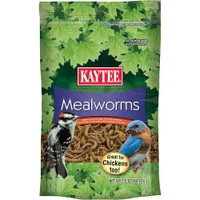
- Insect protein such as mealworms or finely chopped cooked chicken
- Water or electrolyte solution: keeps the bird hydrated
Mix these ingredients into a smooth paste. Avoid salt, sugar, or spices. The paste should be thick enough to hold shape but soft enough to swallow easily. Adjust water to get the right consistency.
Feeding Tools And Techniques
- Use a small syringe or dropper without the needle
- Soft-tipped tweezers can help place food safely
- Feed the bird slowly to avoid choking
- Hold the bird gently but firmly during feeding
- Feed small amounts frequently, mimicking natural feeding intervals
Always feed the baby bird in an upright position. Keep the feeding area clean to prevent infections. Watch the bird’s response to avoid stress. Patience and care improve feeding success.
Feeding Frequency And Amounts
Feeding a baby bird requires careful attention to how often and how much you feed. Young birds need frequent meals to grow strong. Too much or too little food can harm them. Understanding the right feeding frequency and portion sizes keeps the baby bird healthy and happy.
How Often To Feed
Baby birds eat very often because they have small stomachs. Most need feeding every 15 to 30 minutes during daylight hours. As they grow, the time between feedings increases. Here is a simple feeding schedule:
- Newborn to 1 week: Feed every 15-20 minutes
- 1 to 2 weeks: Feed every 20-30 minutes
- 2 to 3 weeks: Feed every 30-60 minutes
- After 3 weeks: Feed every 1-2 hours
Never feed a baby bird at night. They need rest just like people.
Portion Control Tips
Giving the right amount of food is key. Too much food can cause choking or illness. Too little slows growth.
- Offer small amounts that the bird can eat in one feeding.
- Watch if the bird’s crop (a pouch near the throat) fills but does not overfill.
- Stop feeding when the crop feels full and soft, not hard or tight.
- Adjust amounts as the bird grows bigger and eats more.
Keep food warm but not hot. Cold food can upset the baby bird’s stomach.

Credit: www.reddit.com
Hydration Needs
Hydration is just as important as nutrition when caring for a baby bird you find. Without enough water, a baby bird can quickly become weak and dehydrated, which could be fatal. Understanding how to properly provide hydration can make all the difference in its survival.
Water Vs. Food Moisture
Many people assume that the moisture in food alone is enough to keep a baby bird hydrated. While some food items do contain water, they often don’t provide sufficient hydration on their own. Baby birds need direct access to water because their tiny bodies lose fluids rapidly.
Think about how much water you drink daily compared to the food you eat—it’s similar for birds. Even juicy insects or soaked seeds won’t replace fresh water. So, don’t rely solely on food moisture; always consider a separate water source.
Safe Hydration Methods
Giving water to a baby bird requires care to avoid choking or drowning. Never force water directly into its beak with a syringe or dropper; this can cause aspiration. Instead, try these safer options:
- Use a shallow dish with a small amount of clean, lukewarm water and allow the bird to drink voluntarily.
- Moisten food lightly with water, making it easier to swallow and increasing fluid intake.
- If you must use a dropper, place tiny droplets on the tip of the bird’s beak and let it lick them up.
Have you ever tried giving water to a tiny creature? It’s tricky but crucial. Observe the bird closely for signs of dehydration like sunken eyes or lethargy, and adjust your hydration approach accordingly.
When To Seek Wildlife Help
Knowing when to seek wildlife help is crucial for a baby bird’s survival. Some situations require expert care beyond simple feeding. Quick action can save the bird from harm or death.
Not all baby birds need human intervention. Sometimes, parents are nearby or coming back. Signs of distress, injury, or abandonment call for professional help. Understanding these signs guides the right response.
Finding Licensed Rehabilitators
Licensed wildlife rehabilitators have training to care for wild birds safely. They know how to feed, treat, and release birds properly. Contacting them helps the bird get the best care.
Use local wildlife agencies or animal rescue groups to locate rehabilitators. Many have websites or hotlines for emergencies. Acting fast improves the baby bird’s chances of survival.
Legal Considerations
Wild birds are often protected by law. Handling them without permission can be illegal. Laws vary by region but usually require permits for care or keeping.
Always check local wildlife regulations before intervening. Licensed rehabilitators operate under these laws. Following rules protects both the bird and the caregiver from legal trouble.
Credit: www.petsradar.com
Frequently Asked Questions
What Should I Feed A Baby Bird I Found?
Feed baby birds soft, protein-rich foods like soaked dog food, boiled eggs, or mealworms. Avoid milk or bread, which can harm them.
How Often Should I Feed A Rescued Baby Bird?
Feed a baby bird every 15 to 20 minutes during daylight hours. Keep feedings consistent and watch for hunger signs.
Can I Give Water Directly To A Baby Bird?
Never give water directly to baby birds; they can choke. Hydration comes from their food, so moisten the feed slightly.
When Should I Contact A Wildlife Rehabilitator?
Contact a wildlife rehabilitator immediately if the baby bird is injured or orphaned. They provide proper care and safe release.
Conclusion
Feeding a baby bird needs care and the right food. Offer soft, small bits like soaked dog food or insects. Avoid bread or milk; they can harm the bird. Keep the bird warm and safe while feeding. Watch for signs of health and growth each day.
Contact a wildlife expert for help as soon as possible. Helping a baby bird is kind but requires knowledge. Your care can make a real difference in its life. Always act gently and with patience.