

Discovering a baby bird on the ground can stir a mix of emotions. You might feel a surge of compassion and a strong urge to help.
But then comes the pressing question: what do you feed this tiny, vulnerable creature? This is where many find themselves at a crossroads. You want to do your best, but misinformation can lead to more harm than good. In this guide, you’ll learn the essential steps to take when you encounter a baby bird in need.
By the end, you’ll feel confident and prepared to provide the right care. Let’s ensure your feathered friend gets the best start possible, shall we?
Credit: wildbloo.com
Identifying Baby Birds On The Ground
Finding a baby bird on the ground can be worrying. Not all baby birds on the ground need help. Identifying the type of baby bird is important before acting. This helps know what care or food they may need.
Distinguishing Nestlings From Fledglings
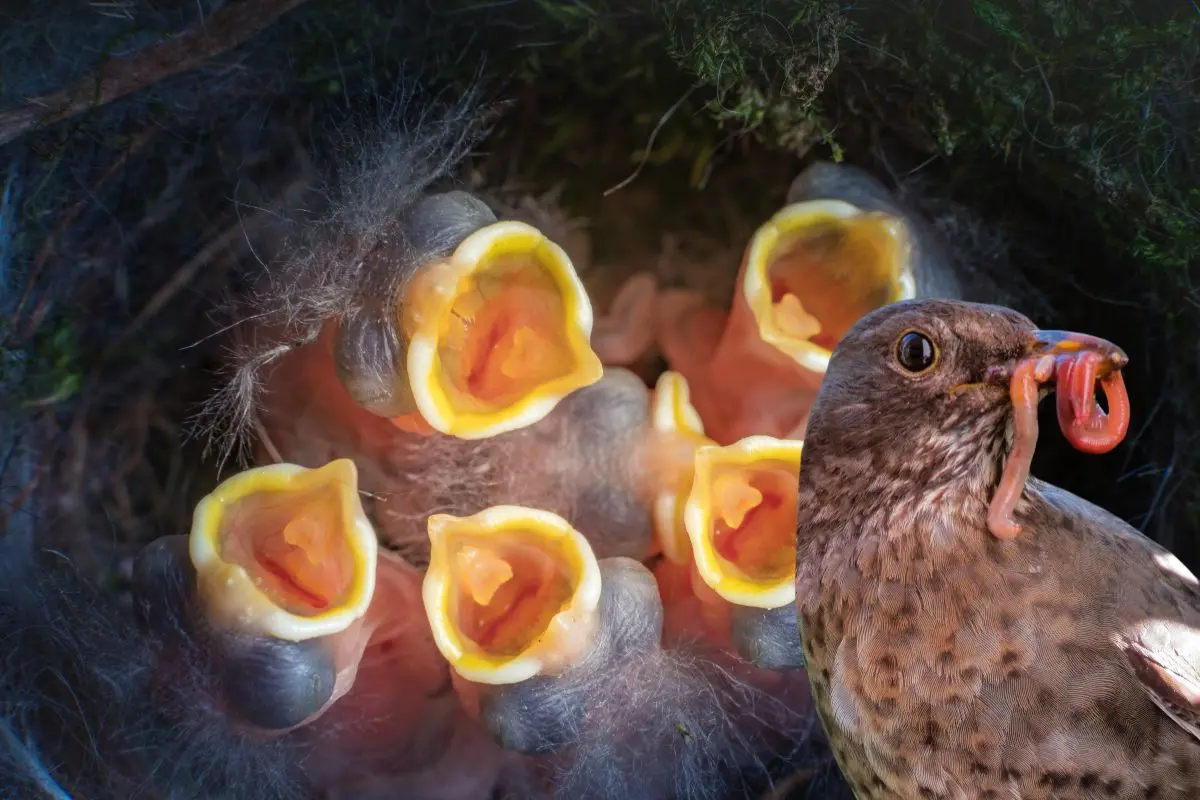
Nestlings are very young birds. They often have few or no feathers. Their eyes might be closed or just opening. Nestlings cannot walk or hop well. They need to stay in the nest for warmth and safety.
Fledglings look older. They have most of their feathers. They can hop, flutter, and sometimes fly short distances. Fledglings leave the nest while learning to fly. They may spend time on the ground but are usually cared for by parents nearby.
Signs Of Distress Or Abandonment
A baby bird alone is not always in danger. Parent birds often leave fledglings alone for short times. Signs of distress include visible injuries or weakness. Birds that are cold, lethargic, or very quiet may need help.
Look for signs of parent birds nearby. Parents often return quickly to feed or protect their young. If no parents appear after several hours, the baby might be abandoned. In such cases, action to help the bird is necessary.
Safe Feeding Practices
Feeding a baby bird found on the ground requires more than just offering any food. Ensuring safe feeding practices helps protect the fragile bird from harm and supports its growth. You must choose foods carefully and avoid items that can cause illness or injury.
Suitable Food Types For Baby Birds
Baby birds need high-protein, easily digestible foods. Soft insects like mealworms or small crickets are excellent choices. You can also offer soaked dog or cat kibble, which softens and provides essential nutrients.
Some fruits and vegetables can be added in small amounts, such as finely chopped apples or peas. Avoid anything too hard or large that the baby bird can choke on. Keep food portions small and frequent to mimic natural feeding habits.
Avoiding Harmful Foods
Never feed baby birds bread or milk. Bread fills their stomachs without nutrition and can cause serious digestive issues. Milk is hard for birds to digest and may lead to diarrhea.
Also, avoid salty, sugary, or processed human foods. These can disrupt their delicate digestive systems. Stay away from seeds meant for adult birds, as they are often too hard for babies.
Have you thought about how even a small mistake in feeding could affect a baby bird’s survival? Your choices directly influence its chances of growing strong and healthy.
Feeding Techniques
Feeding a baby bird found on the ground needs gentle care and the right technique. The bird is delicate and may be scared. Feeding methods should keep it calm and safe. Proper feeding helps the bird get needed nutrients and energy to grow strong. Use patience and calm hands to provide the best care.
Hand-feeding Tips
Wash your hands before feeding to avoid germs. Use small amounts of food at a time. Place food near the bird’s beak slowly. Let the bird open its mouth on its own. Do not force food inside. Feed the bird every 15 to 20 minutes during daylight. Keep the bird warm during and after feeding. Avoid loud noises or sudden movements. Watch the bird’s response and stop if it looks stressed.
Using Feeding Tools Safely
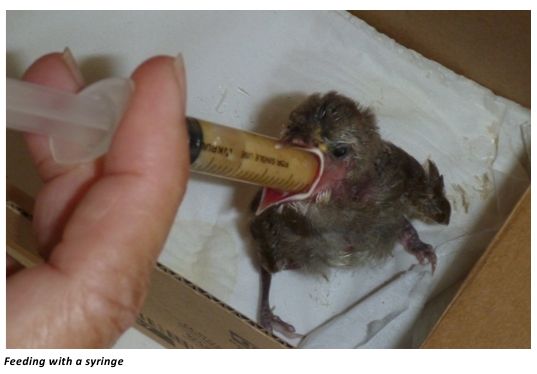
Use soft, small tools like a dropper or tweezers. Check tools for sharp edges before use. Warm food to room temperature; cold food can harm the bird. Hold tools gently to avoid hurting the bird’s mouth. Drop small bits of food near the beak. Clean tools after every feeding to prevent infections. Never push food down the throat. Feed slowly to help the bird swallow safely.
Credit: besgroup.org
Hydration Needs
Baby birds on the ground need water to stay healthy. Hydration is as important as food for their growth. Without enough water, they can become weak and sick. Young birds get most of their water from the food they eat. Sometimes, they need extra water to avoid dehydration. Giving water safely helps them survive until they can fly and find food alone.
Providing Water Safely
Offer water in a shallow dish to prevent drowning. Use a clean container and change water daily. Avoid deep bowls or bottles that can harm the baby bird. Use a dropper or small spoon to give water slowly. Never force water into the bird’s mouth. Let the bird drink at its own pace. Keep water near the bird but not inside its nest.
Signs Of Dehydration
Watch for these signs to know if a baby bird is thirsty:
- Dry or wrinkled skin
- Closed or sunken eyes
- Weakness or lack of movement
- Loss of appetite
- Dry mouth or cracked beak
Spotting these signs early helps you act quickly. Dehydration can become serious fast. Provide water carefully and seek help from a wildlife expert if needed.
When To Contact Wildlife Experts
Knowing when to reach out to wildlife experts can make a huge difference in the outcome for a baby bird found on the ground. Some situations require professional care beyond what you can provide at home. Acting quickly and wisely ensures the bird gets the help it truly needs.
Recognizing Medical Emergencies
Is the baby bird struggling to breathe or bleeding heavily? These signs indicate an urgent medical emergency. Other red flags include:
- Visible injuries like broken wings or legs
- Extreme lethargy or unresponsiveness
- Signs of dehydration such as sunken eyes or dry mouth
If you notice any of these, don’t wait to call a professional. Even if you’re unsure, erring on the side of caution can save the bird’s life.
Finding Local Rehabilitation Centers
Knowing where to find help quickly can reduce stress for both you and the baby bird. Many areas have wildlife rehabilitation centers equipped to care for injured or orphaned birds. You can:
- Search online for “wildlife rehab near me” or contact your local animal control
- Ask veterinarians for recommendations on licensed rehabilitators
- Check with local birdwatching groups or nature centers
Having this information ready before you encounter a baby bird in trouble can make all the difference. Have you ever tried to find help only to hit dead ends? Planning ahead saves precious time.

Credit: www.discovermagazine.com
Preventing Future Ground Falls
Preventing future ground falls is key to helping baby birds survive and thrive. Ground falls often happen because of unsafe surroundings or too much human activity nearby. By making smart changes around your home or garden, you can create a safer space where baby birds are less likely to end up in danger.
Creating Safe Environments
Think about the places where baby birds might fall or get trapped. You can make these spots safer by:
- Keeping bushes and shrubs trimmed to reduce hiding spots for predators.
- Adding soft ground covers like mulch or grass to cushion any accidental falls.
- Placing birdhouses or feeders higher up to encourage nesting away from the ground.
I once saw a baby robin fall near my garden shed. After adding a small bird platform above the bushes, I noticed fewer birds on the ground. Could small changes like this save more baby birds in your area?
Minimizing Human Disturbance
Human activity can scare parent birds and cause nests to be abandoned, leaving babies vulnerable on the ground. To reduce this risk, try to:
- Keep pets like dogs and cats away from nesting areas.
- Avoid loud noises and sudden movements near bird habitats.
- Limit foot traffic around known nesting spots, especially during breeding season.
One spring, I noticed a family playing loudly near a nest. The mother bird stopped returning, and the baby ended up on the ground. Have you thought about how your daily routine might affect local wildlife?
Frequently Asked Questions
What Is The Best Food For A Baby Bird On The Ground?
The best food includes soft insects like mealworms, small worms, and soaked dog food. Avoid bread or milk.
How Often Should You Feed A Baby Bird Found On The Ground?
Feed the baby bird every 20 to 30 minutes during daylight hours. Consistent feeding is essential for survival.
Can I Feed A Baby Bird Bread Or Milk Safely?
No, bread and milk can harm baby birds. They lack essential nutrients and can cause digestive issues.
Should I Give Water To A Baby Bird On The Ground?
Do not give water directly; baby birds get moisture from their food. Too much water can cause choking.
Conclusion
Feeding a baby bird on the ground needs care and patience. Offer soft, small foods like insects or soaked bread. Avoid giving milk or bread alone; it can harm the bird. Keep the bird warm and safe while feeding. Always watch the bird’s reaction to food.
Helping a baby bird grow strong takes time. Your gentle care can make a big difference. Remember, the goal is to support, not replace, nature. Every little effort counts when saving a baby bird.