

Finding a baby bird that can’t feed itself can be both heartbreaking and confusing. You want to help, but you might be unsure about what to feed it or how to keep it healthy.
Feeding a baby bird the wrong food can do more harm than good. You’ll discover simple, effective ways to nourish that fragile little life and give it the best chance to grow strong. Keep reading—you’ll learn exactly what your new feathered friend needs right now.
Credit: besgroup.org
Signs Baby Birds Can’t Eat Solids
Knowing when a baby bird can’t eat solids is crucial for its survival. Feeding the wrong food too early can cause choking or digestive issues. You need to look for clear signs before offering solid food.
Age And Development Indicators
Baby birds typically start with a diet of soft, easily digestible food. If the bird is less than two weeks old, it’s usually not ready for solids. Their digestive system is still developing and can only handle liquid or semi-liquid food.
Watch for feather growth and eye opening as clues. If feathers are still sparse and eyes are closed or just opening, solid food is likely too advanced. These age markers help you decide if it’s safe to try solid feeding.
Physical Limitations
Young birds have small, fragile beaks that aren’t strong enough to break down solid food. Their tongues and throats are also not developed to handle chunks or dry pieces. This makes swallowing solids difficult and risky.
Notice if the baby bird struggles to swallow or spits out food. These physical struggles mean it needs softer, mashed food. Feeding solids before the bird is ready can cause choking or injury.
Behavioral Clues
Baby birds unable to eat solids often show frustration or refusal when offered such food. They may open their mouths eagerly but then push the food away or make gagging sounds. These are clear signs that solid food is too much for them.
Listen to how the bird responds. If it eagerly accepts soft food but rejects solids, respect its cues. Pushing the bird to eat solids too early can harm its health and slow growth.
Safe Food Options For Baby Birds
Feeding a baby bird requires careful attention to what you offer. Choosing safe food options is crucial to support their growth and avoid health issues. You want to provide nourishment that mimics their natural diet as closely as possible.
Specialized Formula Choices
Specialized baby bird formulas are designed to meet the exact nutritional needs of different bird species. These formulas come in powdered or liquid forms and are easy to prepare at home. Using a commercial formula ensures your baby bird gets the right balance of proteins, fats, and vitamins.
Have you ever tried feeding a baby bird without a proper formula? I once used plain mashed food and quickly saw the bird’s energy drop. That experience taught me the importance of these specialized choices.
Softened Foods And Purees
Softened foods like soaked pellets, mashed fruits, and cooked vegetables can be good supplements once the baby bird starts weaning. Purees made from cooked grains, scrambled eggs, or finely chopped insects provide variety and help the bird transition to solid food.
Make sure all foods are soft enough to avoid choking hazards. You can gently warm purees to body temperature to make them more appetizing and easier to digest.
Avoiding Harmful Ingredients
Some common foods can be dangerous or toxic to baby birds. Avoid anything with salt, sugar, caffeine, chocolate, or processed human foods. Also, never feed bread or dairy products, as these can cause digestive problems.
It’s surprising how many well-meaning feeders unknowingly offer harmful snacks. Always double-check before giving your baby bird anything new. Your bird’s health depends on your vigilance.
Preparing Food For Baby Birds
Preparing food for baby birds requires careful attention to detail. The right texture, temperature, and storage can make a huge difference in their health and growth. You want to make sure the food is easy to digest and safe for their delicate systems.
Proper Mixing Techniques
Mix the food to a smooth, consistent texture. Avoid lumps that can choke the baby bird or make feeding difficult. Use a blender or whisk to get the right consistency.
Thicker mixtures can be dangerous. Thin the food with warm water or a specialized formula until it resembles a thick soup. This ensures the baby bird can swallow easily and get enough nutrients.
Temperature Guidelines
Temperature is critical when feeding baby birds. Food that is too hot can burn their mouths, while cold food can upset their digestion.
Always test the temperature by placing a small amount on your wrist. It should feel warm, not hot or cold. Aim for about 100°F (38°C), which mimics the warmth of the mother bird’s crop.
Storage Tips
Prepare only what you need for each feeding session to avoid spoilage. Baby bird food spoils quickly due to its moisture content.
If you must store leftovers, keep them in an airtight container in the refrigerator. Use within 24 hours to maintain freshness and reduce the risk of harmful bacteria.
Have you noticed how quickly baby bird formulas can go bad? Proper storage isn’t just convenient—it’s essential for the bird’s health.

Credit: www.youtube.com
Feeding Techniques For Fragile Birds
Feeding fragile baby birds requires gentle hands and careful attention. Their delicate bodies and tiny beaks need a special approach to ensure they get enough nutrition without harm. Understanding the right techniques can make all the difference in helping these vulnerable creatures thrive.
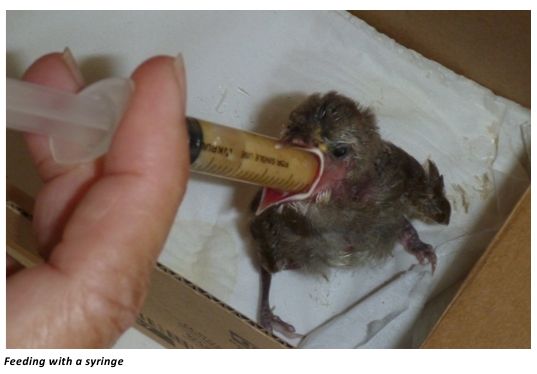
Using Syringes And Droppers
Syringes and droppers are essential tools for feeding fragile baby birds. These tools allow you to control the flow of food and avoid overwhelming the bird. Use a small syringe or dropper, gently placing it near the side of the beak rather than directly inside to prevent choking.
Always warm the food to about body temperature before feeding. Cold food can shock the bird’s system, while hot food can cause burns. If you feel unsure, try feeding a few drops and watch how the bird reacts before continuing.
Feeding Frequency And Amounts
Baby birds have high energy needs and require frequent feedings. Depending on the species and age, you may need to feed every 15 to 30 minutes during daylight hours. Avoid overfeeding; watch for signs like a bloated crop or regurgitation.
Start with small amounts to see how much the bird can handle. Gradually increase the quantity as the bird grows stronger. You can keep a feeding log to track times and amounts, which helps you stay consistent and avoid mistakes.
Signs Of Successful Feeding
Knowing when your feeding is effective is crucial. A well-fed baby bird will have a soft, rounded crop after feeding, which feels like a small, full pouch near the neck. The bird should appear alert and active rather than lethargic.
Look for steady weight gain and regular swallowing motions during feeding. If the bird refuses food or shows distress, pause and reassess your technique or the food’s temperature. Your careful observation can save the bird’s life.
Common Mistakes To Avoid
Feeding a baby bird requires care and attention. Mistakes can harm the bird’s health and growth. Avoiding common errors helps ensure the baby bird gets the right nutrition and stays safe. Below are some frequent mistakes to watch out for.
Overfeeding Risks
Feeding too much can cause serious problems. A baby bird’s stomach is small and cannot hold much food. Overfeeding can lead to choking or regurgitation. It also increases the risk of obesity and poor digestion. Watch the bird’s hunger signals carefully. Stop feeding when the bird shows signs of fullness.
Inappropriate Food Choices
Not all foods are safe for baby birds. Avoid bread, milk, or junk food. These can upset their stomachs or cause malnutrition. Baby birds need a diet rich in protein and nutrients. Use specialized formulas or suitable natural foods like insects or soaked seeds. Feeding the wrong food slows growth and weakens immunity.
Poor Hygiene Practices
Dirty feeding tools spread germs and cause infections. Always clean bottles, spoons, and containers before use. Wash your hands thoroughly before handling the baby bird or food. Keep the feeding area clean and dry. Change leftover food regularly to prevent bacteria growth. Good hygiene protects the baby bird’s health and promotes quick recovery.

Credit: www.youtube.com
When To Seek Professional Help
Knowing when to get expert help is key for a baby bird’s survival. Some signs show that a professional’s care is needed fast. Early action can save the bird’s life and improve its health.
Health Concerns
Watch for signs of illness or injury. These include:
- Feather loss or dull feathers
- Swelling or wounds
- Weakness or constant sleeping
- Labored breathing or unusual sounds
- Refusal to eat or drink
Such symptoms often mean the bird needs medical care. A wildlife rehabilitator or vet can provide the right treatment.
Growth Monitoring
Baby birds grow fast, but growth can vary. Track weight and size daily. If growth stalls or the bird looks thin, help is needed.
Experts can check for nutrition problems or illness. They offer advice on feeding and care to support healthy growth.
Emergency Situations
Some cases demand urgent help:
- Falling from a nest and unable to climb back
- Being attacked by predators or pets
- Severe bleeding or broken limbs
- Extreme lethargy or unresponsiveness
Call a wildlife rescue or vet immediately. Quick action can prevent lasting harm or death.
Frequently Asked Questions
What Should I Feed A Baby Bird That Cannot Eat Seeds?
Feed baby birds soft, protein-rich foods like soaked dog kibble or finely chopped cooked eggs. Avoid hard seeds until they grow.
Can I Give A Baby Bird Milk Or Bread?
Never feed baby birds milk or bread. These can cause digestive issues and malnutrition.
How Often Should I Feed A Baby Bird?
Feed baby birds every 15 to 20 minutes from dawn to dusk. Consistent feeding is crucial for their survival.
Is Water Necessary For Feeding A Baby Bird?
Baby birds get water from their food. Do not offer water directly; it may cause choking.
Conclusion
Feeding a baby bird requires care and attention. Offer the right foods. Ensure the bird gets proper nutrition for growth. Softened dog food or baby bird formula works well. Keep the bird warm and safe. Handle it gently. Regular feeding is crucial for its health.
Observe the bird’s behavior for cues. Seek professional help if unsure. Always prioritize the bird’s well-being. With patience and care, you can support its growth. A small effort makes a big difference in its life.