

You’ve just discovered a tiny, helpless baby bird without its mother, and your heart goes out to it. You might be feeling a mix of compassion and panic, wondering how you can possibly help.
Feeding a baby bird can seem daunting, but rest assured, you’re not alone in wanting to do the right thing. Your care and attention could be the lifeline this little creature desperately needs. We’ll guide you through what you should feed a baby bird that lost its mom, ensuring you’re equipped to give it the best chance for survival.
Stick with us, because this knowledge could transform you into a vital hero for the feathered friend in need.

Credit: www.reddit.com
Identifying The Baby Bird’s Species
Identifying the species of a baby bird is crucial before deciding what to feed it. Each bird species has different dietary needs, and feeding the wrong food can harm or even kill the baby bird. Knowing the species helps you provide the right nutrition to give the baby bird the best chance of survival.
Observing Physical Characteristics
Look closely at the bird’s size, feather color, and beak shape. These features can give you valuable clues about what species it belongs to. For example, a baby robin has a spotted chest, while a blue jay chick shows hints of blue feathers.
Pay attention to the bird’s eyes and feet as well. Some species have distinct eye colors or unique foot shapes that help in identification. Take a clear photo if you can, so you can compare it later with online guides or bird identification apps.
Listening To Vocalizations
Even baby birds make sounds that can hint at their species. Try to listen carefully to the chirps or calls it makes. Different species have distinct vocal patterns, and matching these sounds with online recordings can help you narrow down the options.
Don’t worry if the bird is quiet at first; sometimes gentle talking or tapping near it encourages vocal responses. These sounds are like a fingerprint for bird species—you just need to tune your ear to catch them.
Consulting Local Wildlife Resources
Reach out to nearby wildlife rehabilitators or bird experts. They often have experience with local species and can help you identify the baby bird quickly. Many areas have hotlines or online forums where you can send photos and descriptions for immediate advice.
Local birdwatching groups or nature centers can also be a great resource. They might recognize the species based on your location and the time of year. This step can save the baby bird’s life by getting you the right feeding instructions fast.
Signs A Baby Bird Needs Help
Recognizing when a baby bird needs help is the first step in giving it the care it deserves. Birds are delicate, and without their mother, they quickly become vulnerable. You might have found a tiny, helpless bird and wondered if it truly needs your intervention or if it’s better left alone.
Here are clear signs to watch for that indicate a baby bird needs your immediate attention and care.
Physical Appearance And Behavior
A baby bird that looks weak or injured needs help right away. Check if the bird is shivering, has closed or dull eyes, or appears featherless and vulnerable. Healthy baby birds usually chirp loudly when hungry and move actively; if your bird is silent, lethargic, or unresponsive, it’s a red flag.
I once found a baby sparrow that was barely moving and had feathers missing. It was clear this bird was not going to survive without care, so I acted fast to feed and warm it. Don’t wait for the bird to improve on its own—your quick response can make a huge difference.
Location And Environment
Where you find the baby bird matters. If it’s on the ground away from the nest, it’s often in danger from predators or exposure. However, some fledglings naturally leave the nest and may be learning to fly, so observe if the bird seems injured or abandoned.
Ask yourself: Is the bird alone for hours? Does it look vulnerable to weather or predators? If yes, it’s a sign the bird needs help.
Feeding And Vocalization Patterns
Baby birds rely on their parents for food and usually call out loudly when hungry. If you notice a baby bird repeatedly opening its beak but no one comes to feed it, that’s a clear sign it’s starving. Also, a bird that refuses to eat when offered food may be too weak or sick to feed itself.
One time, I tried feeding a baby robin that was silent and refused food. It turned out it was severely dehydrated. This shows how important it is to watch not just for hunger calls but also feeding response.
Signs Of Injury Or Illness
- Visible wounds or bleeding
- Swollen or misshapen limbs
- Breathing difficulties or wheezing sounds
- Fluffed up feathers indicating fever or cold
- Discharge from eyes or beak
If you spot any of these signs, the baby bird needs urgent care. Injuries or illness can quickly become fatal without treatment.
Safe Temporary Housing
Providing safe temporary housing for a baby bird that has lost its mom is crucial for its survival. The environment you create must keep the bird warm, secure, and comfortable. Without a proper space, the baby can become stressed or injured, which makes your role even more important.
Choosing The Right Container
Select a small box or a plastic container with ventilation holes to serve as the baby bird’s temporary home. The container should be shallow enough for you to reach inside easily but high enough to prevent the bird from escaping.
Line the bottom with soft, absorbent materials like paper towels or tissues. Avoid materials that can tangle around the bird’s legs, such as loose cotton or wool.
Maintaining Warmth
Baby birds cannot regulate their body temperature well, so warmth is essential. Place a heating pad under half of the container or use a warm water bottle wrapped in a towel nearby.
Make sure the bird can move away from the heat source if it gets too warm. Check the temperature frequently; it should feel comfortably warm but not hot to your hand.
Keeping The Space Clean And Safe
Change the lining regularly to prevent bacterial growth and keep the baby healthy. Avoid overcrowding the container if you’re caring for more than one bird.
Keep the housing away from pets, direct sunlight, and drafts. Have you considered how a quiet, calm environment could reduce the bird’s stress levels?
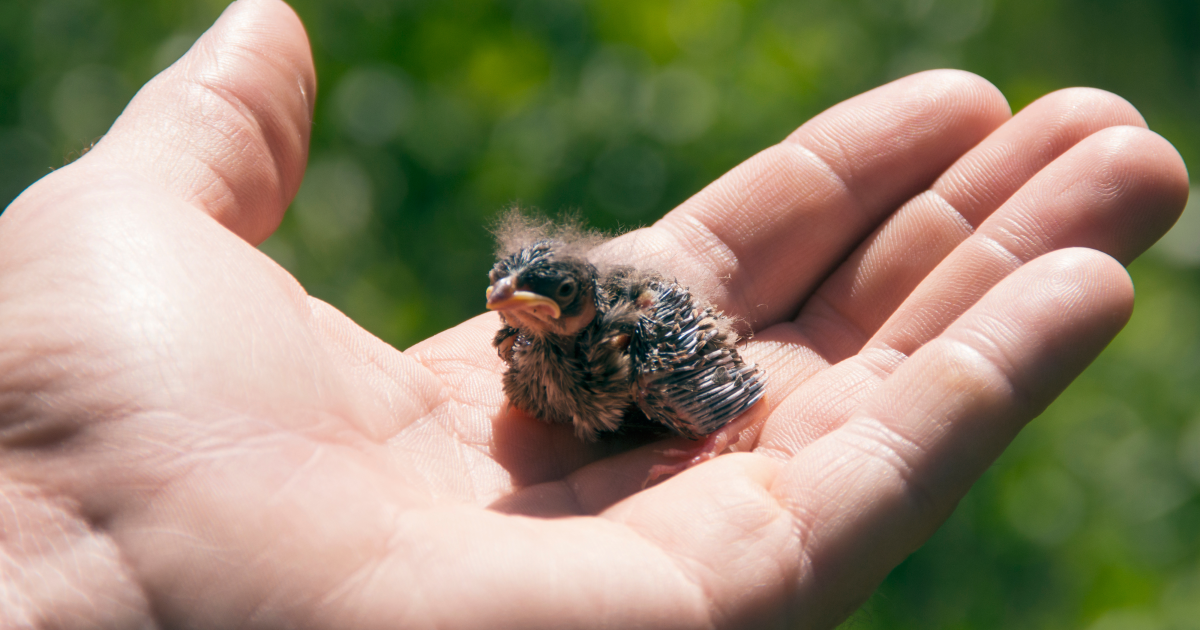
Credit: pethelpful.com
Choosing The Right Food
Choosing the right food for a baby bird that has lost its mom is crucial for its survival and healthy growth. Baby birds need a diet that closely mimics what their mother would provide, ensuring they get the right nutrients in the right amounts. Feeding the wrong food can cause serious health problems, so understanding your options is key.
Commercial Baby Bird Formulas
Commercial baby bird formulas are designed to meet the specific nutritional needs of various bird species. These formulas come in powder or paste forms and can be mixed with water to create a smooth, easily digestible meal. They save you time and reduce the risk of nutritional imbalances.
Make sure to choose a formula labeled for the type of bird you are caring for, such as finches, parrots, or doves. These products often contain essential vitamins, minerals, and proteins that support feather growth and immune health. Have you checked if the formula you’re using matches your baby bird’s species?
Homemade Food Options
If commercial formulas aren’t available, you can prepare homemade food, but it requires careful attention. A common homemade mixture includes soaked dog or cat kibble blended with water, hard-boiled eggs, and baby cereal for extra nutrients. This mix should be blended to a smooth, creamy consistency to avoid choking.
Adding small amounts of finely chopped fruits or insects can help replicate a natural diet. However, it’s essential to avoid spices, salt, or sugar in these homemade meals. Are you ready to adjust recipes based on your bird’s response and growth?
Avoiding Harmful Foods
Some foods that seem harmless can be dangerous or even deadly to baby birds. Avoid feeding bread, milk, chocolate, caffeine, avocado, and salty or sugary snacks. These can cause digestive problems, poisoning, or malnutrition.
Also, never give whole seeds or nuts to very young birds; they can choke or cause digestive blockages. Always watch your baby bird closely after feeding to spot any signs of distress or discomfort. Could a simple food choice be putting your bird at risk?
Feeding Techniques
Feeding a baby bird that has lost its mom requires careful attention to technique. The way you feed can impact the bird’s health and recovery. Learning the right methods helps you provide the best care and avoid injury or stress to the fragile bird.
Proper Feeding Tools
Choosing the right tools is essential. Use a small, soft-tipped syringe or a specialized bird feeding spoon to gently deliver food. Avoid anything too large or hard, which can hurt the baby bird’s delicate mouth.
Make sure all tools are clean and sterilized before each feeding. You don’t want to introduce bacteria that could cause illness. I once used a tiny syringe from a pet store and found it much easier to control the amount of food given without overwhelming the bird.
Feeding Frequency And Amounts
Newborn birds need frequent feedings, sometimes every 15 to 20 minutes during daylight hours. As they grow, the intervals can stretch longer. Watch the bird’s behavior to understand when it’s hungry or full.
Start with small amounts to prevent choking or overfeeding. If the bird opens its mouth wide and eagerly, it’s ready for more. If it turns away or closes its beak, it’s likely had enough.
Handling The Bird Safely
Handling a baby bird with care is critical. Support its body gently but firmly, avoiding squeezing or sudden movements. Keep your hands warm and quiet to avoid startling the bird.
Think about how you would feel if you were tiny and vulnerable—would you want to be grabbed roughly? Handling the bird calmly helps build trust and reduces stress, improving its chances of survival.
Hydration Needs
Keeping a baby bird hydrated is just as crucial as feeding it the right food. Without enough fluids, the little one can quickly become weak and dehydrated, which affects its survival chances. Understanding how to provide proper hydration can make all the difference in your rescue efforts.
Signs A Baby Bird Needs More Hydration
How can you tell if your baby bird is thirsty? Look for signs like dry mouth, sunken eyes, or lethargy. If the skin feels less elastic when gently pinched, it’s a clear signal dehydration is setting in.
Safe Ways To Provide Water
Never give water directly into a baby bird’s beak with a syringe or dropper; it can cause choking. Instead, use a damp cotton ball or gently moisten its food to add fluids. You can also offer water by letting the bird sip from a shallow dish, but only if it’s old enough to drink on its own.
Hydrating Foods To Include
Some foods naturally contain water and help with hydration. Soft fruits like mashed berries or melon work well. Mixing these into the bird’s feeding formula can boost fluid intake without adding risk.
How Often To Hydrate A Baby Bird
Baby birds need frequent hydration because they lose fluids quickly. Offer moisture with every feeding session, which is typically every 15-20 minutes for very young birds. Keeping a close eye on hydration can prevent serious health issues.
What To Avoid When Hydrating
- Do not give plain water to hatchlings that have not yet opened their eyes fully.
- Avoid sugary drinks, milk, or any liquids not designed for birds.
- Do not force fluids, as this can lead to aspiration and pneumonia.
Have you ever tried hydrating a fragile creature and realized it’s more delicate than you thought? Paying attention to these hydration details ensures you’re doing right by your tiny rescue.
When To Contact Wildlife Experts
Knowing when to reach out to wildlife experts can make all the difference for a baby bird that has lost its mom. Some situations require professional help to ensure the bird’s survival and proper care. Understanding these moments helps you act responsibly and effectively.
Signs The Baby Bird Needs Professional Care
If the bird is injured, lethargic, or appears weak, it’s important to seek expert help immediately. Baby birds that are cold, have missing feathers, or show signs of illness require specialized care beyond what you can provide at home.
Have you noticed unusual behavior or physical distress? Wildlife rehabilitators can offer medical treatment and a safe environment that you can’t replicate.
When You’re Unsure About The Bird’s Age Or Species
Identifying the bird’s age and species can be tricky but is crucial for feeding and care. If you cannot determine these details, contact a wildlife expert who can guide you or take over the care.
Experts know the specific diet and habitat needs for different bird species, which is essential for the baby bird’s growth and development.
Legal Considerations And Permits
In many places, it’s illegal to keep wild birds without proper permits. Wildlife experts operate under these legal frameworks and can ensure the bird is treated lawfully and ethically.
Before attempting long-term care, ask yourself if you have the right to keep the bird. If not, contacting professionals is the responsible step.
How To Find The Right Wildlife Expert
- Look for licensed wildlife rehabilitators in your area.
- Check local animal shelters or bird rescue organizations.
- Use online resources or hotlines dedicated to wildlife emergencies.
Reaching out can feel overwhelming, but experts are ready to guide you. Your quick action could save the bird’s life.
Preparing For Release
Preparing a baby bird for release takes careful attention and patience. The goal is to help the bird become strong and independent. This process starts once the bird can eat on its own and shows signs of healthy growth. Creating a safe and natural environment is key to success.
Helping the bird learn to fly and find food is essential. This phase requires less human contact to encourage natural behaviors. The right setup and gradual exposure to the wild will boost the bird’s chances of survival after release.
Creating A Safe Outdoor Space
Set up an outdoor aviary or enclosure that mimics the bird’s natural habitat. Use branches, leaves, and hiding spots to make the space comfortable. Protect the area from predators and harsh weather. Fresh air and sunlight improve the bird’s health and strength.
Encouraging Natural Foraging Skills
Place live insects, seeds, or fruits in the enclosure for the bird to find. Avoid hand-feeding at this stage to promote independence. Watch how the bird explores and eats on its own. This practice builds essential survival skills.
Supporting Flight Practice
Provide enough space for short flights inside the aviary. Encourage the bird to flap wings and glide between perches. Gradually increase the distance to build muscle strength. Flight practice is crucial for the bird’s confidence and mobility.
Minimizing Human Interaction
Limit handling to reduce stress and reliance on humans. Speak softly and avoid sudden movements during feeding or cleaning. The bird should see humans less as caregivers and more as part of the environment. This helps prepare it for life in the wild.
Credit: www.petsradar.com
Frequently Asked Questions
What Should I Feed A Baby Bird That Lost Its Mom?
Feed a baby bird with a specialized formula or a mix of soaked dog food and baby cereal. Avoid milk or bread. Feed small amounts every 15-20 minutes during daylight hours to mimic natural feeding patterns.
Can I Use Milk To Feed An Orphaned Baby Bird?
No, never feed milk to baby birds. Birds are lactose intolerant and milk can cause severe digestive issues. Stick to water-based formulas or natural substitutes safe for birds.
How Often Do I Need To Feed A Baby Bird?
Feed a baby bird every 15-20 minutes from sunrise to sunset. Young birds require frequent feeding because they have high metabolism and small stomachs.
What Foods Are Harmful To Baby Birds?
Avoid feeding bread, seeds, salt, or processed human food. These can cause malnutrition or choking. Stick to safe, bird-appropriate formulas or natural protein sources.
Conclusion
Feeding a baby bird that lost its mom takes care and patience. Choose foods that match its natural diet. Keep meals small and frequent to help it grow strong. Warmth and gentle handling also matter a lot. Remember, rescuing a baby bird is a big responsibility.
Reach out to wildlife experts if unsure. Every small effort helps the bird survive and thrive. Caring for these little creatures shows kindness and respect for nature.