

Finding a baby bird can stir a flurry of emotions. You might feel a mix of compassion, concern, and a pressing urge to help.
But what exactly should you do when you come across a tiny, feathered friend in need? The instinct to nurture is strong, but it’s crucial to know how to feed a baby bird properly to ensure its well-being. In this guide, you’ll discover straightforward tips on what to feed a baby bird you found.
By understanding the essentials, you can make a positive difference in the life of this little creature. Read on to learn how you can become a lifeline for a baby bird and ensure it gets the nourishment it needs to thrive.
Identifying The Baby Bird
Finding a baby bird can be both exciting and stressful. Before you decide what to feed it, you need to understand exactly what kind of bird you have and its age. Identifying these details helps you provide the best care and increases the chances of the bird’s survival.
Age And Species Basics
Start by looking closely at the bird’s feathers and size. Nestlings are usually featherless or have only a few down feathers, while fledglings have more developed feathers and can hop or flutter.
Knowing the species matters too. Different birds have different diets. For example, a baby robin often eats insects, while a baby finch might need seeds or soft fruits.
If you’re unsure, take a clear photo and compare it with local bird guides or online resources. This step can prevent feeding the wrong food that might harm the bird.
Signs Of Distress
Check if the baby bird is weak, shivering, or has open wounds. These signs mean it needs immediate help and possibly warmth and hydration before feeding.
Is the bird loud and calling for parents? Sometimes, loud calls mean it’s hungry, but quietness can be a sign of shock or illness. You need to carefully observe its behavior to decide the next step.
Have you noticed if the bird’s eyes are open or closed? Closed eyes often indicate a very young or sick bird that requires gentle care and patience.

Credit: www.petsradar.com
Immediate Care Steps
Finding a baby bird in need requires quick and gentle action. The first moments are critical for its survival. Immediate care focuses on handling the bird safely and keeping it warm. These steps help stabilize the bird before seeking expert help.
Safe Handling Tips
- Wear clean gloves or use a soft cloth to pick up the bird.
- Handle the bird gently to avoid injury or stress.
- Keep the bird in a small box with air holes for ventilation.
- Do not feed or give water before warming the bird.
- Keep the bird away from pets and loud noises.
Creating A Warm Environment
- Line the box with a soft cloth or paper towel for comfort.
- Place a heating pad set on low under half of the box.
- Use a warm water bottle wrapped in cloth if no heating pad is available.
- Check the temperature often; the bird should feel warm, not hot.
- Keep the environment quiet and dim to reduce stress.
Choosing The Right Food
Choosing the right food for a baby bird you found is crucial for its survival and healthy growth. Baby birds have specific nutritional needs that differ from adult birds, so feeding them the wrong food can do more harm than good. Understanding what to offer and what to avoid will help you provide the best care until you can get professional help or release the bird back into the wild.
Natural Diet Components
Baby birds usually eat what their parents bring them, which depends on their species. Most common baby birds thrive on a diet rich in protein, such as insects, worms, and small larvae. Protein supports rapid growth and development of feathers, muscles, and organs.
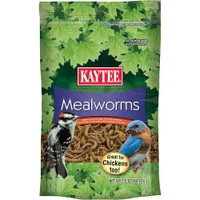
You can provide small, soft insects like mealworms or finely chopped boiled eggs to mimic this natural diet. Some species also need soft fruits or seeds, but it’s important to research the specific bird you found. Have you noticed how picky baby birds can be about texture and size? Matching the natural diet is key to keeping them healthy.
Avoiding Harmful Foods
Not all human foods are safe for baby birds. Avoid feeding them bread, milk, or processed foods, as these can cause malnutrition or digestive problems. Salt, sugar, and seasoning are also toxic to birds and should never be given.
Additionally, avoid giving whole seeds or large pieces of food that could choke the baby bird. It’s tempting to share your snacks, but remember that baby birds have delicate digestive systems. Sticking to soft, natural foods reduces risk and ensures your little bird gets the nutrients it really needs.
Credit: www.petsradar.com
Feeding Techniques
Feeding a baby bird requires care and patience. Knowing how often and how much to feed is key. Using the right tools helps make feeding safe and easy. Proper feeding techniques support the bird’s growth and health.
Frequency And Amount
Baby birds need feeding every 15 to 20 minutes during daylight. This can mean up to 8-12 times per hour for very young birds. As they grow, reduce feedings to every 30 minutes or hourly.
The amount depends on the bird’s size and age. Feed just enough to fill the crop, a small pouch near their throat. Overfeeding can cause harm and underfeeding slows growth.
Tools For Feeding
Choose tools that allow gentle feeding and control. Soft-tipped droppers or small syringes work well for tiny birds. Tweezers can help place food safely inside the mouth.
- Use clean tools to prevent infection.
- Warm the food to about body temperature before feeding.
- Never force food; let the bird open its mouth naturally.
These tools help deliver food carefully. They reduce stress and avoid injury during feeding.
Hydration Needs
Hydration is as vital to a baby bird as food. Without enough water, their tiny bodies can quickly become weak and dehydrated. You need to understand how to provide water safely and recognize when they might be in trouble.
Providing Water Safely
Giving water to a baby bird is trickier than it sounds. Never offer water directly from a bowl or bottle—it can cause choking or aspiration. Instead, use a small dropper or syringe to gently place tiny drops of water on the side of the bird’s beak.
Make sure the water is clean and at room temperature. If you’ve ever tried to drink cold water when you’re sick, you know how uncomfortable it can be—baby birds feel the same. Always handle the bird gently and avoid forcing water down its throat.
Signs Of Dehydration
How can you tell if the baby bird is thirsty or dehydrated? Look for these warning signs:
- Sunken eyes or dull, lifeless appearance
- Dry or wrinkled skin around the beak and eyes
- Weakness or lethargy, less response to touch
- Sticky or dry mouth when you carefully open the beak
Spotting these signs early can make a difference. Have you ever noticed how quickly a person’s energy drops when dehydrated? Baby birds are just as fragile. If you see any of these symptoms, providing hydration becomes an urgent priority.
When To Seek Professional Help
Finding a baby bird can stir a strong urge to help. But knowing when to step back and call in experts is crucial for the bird’s well-being. Some situations need professional care beyond what you can provide at home.
If the bird looks injured, is very weak, or cold, don’t wait to get help. Even if you’re feeding it right, improper care can cause more harm. Ask yourself: can I meet all its needs safely, or is it time to reach out?
Wildlife Rehabilitator Contacts
Wildlife rehabilitators specialize in caring for orphaned or injured birds. They have the right training and equipment to ensure the bird’s survival and eventual release.
Keep a list of local rehabilitators handy. Many areas have organizations or licensed individuals ready to assist. You can find contacts through:
- Local animal shelters
- Wildlife rescue centers
- State wildlife agencies
- Online directories specific to wildlife care
Don’t hesitate to call them for advice even if you’re unsure about the bird’s condition. Early intervention makes a big difference.
Legal Considerations
Handling wild birds often comes with legal restrictions. Many species are protected by law, making it illegal to keep, feed, or move them without proper permits.
Before taking any action, check your local wildlife laws. Some regions require you to hand over the bird to authorized professionals immediately.
Failing to follow legal rules can lead to penalties and harm the bird’s chance of recovery. Ask yourself: am I aware of the laws in my area, or do I need to learn more before proceeding?
Preparing For Release
Preparing a baby bird for release is a careful process. It helps the bird adjust back to nature. The goal is to build strength and teach survival skills. This time allows the bird to regain independence. It also ensures the bird can find food and avoid danger. Proper preparation increases the chance of a successful release.
Building Independence
Encourage the baby bird to eat on its own. Offer natural foods similar to what it will find outside. Gradually reduce hand feeding as the bird grows stronger. Provide a safe space for the bird to practice flying. Use perches and small flights within a larger enclosure. Allow the bird to explore and develop confidence.
Safe Release Practices
Choose a release site near where the bird was found. Look for a quiet spot with trees and shelter. Release the bird during calm weather and daylight. Place the bird on a low branch or soft ground. Avoid crowds, pets, and loud noises during release. Monitor from a distance to ensure the bird adjusts well.

Credit: www.youtube.com
Frequently Asked Questions
What Is The Best Food For A Baby Bird?
The best food for a baby bird depends on its species. Generally, a mix of soaked dog or cat kibble, boiled eggs, and insects works well. Avoid milk and bread, as they can harm the bird. Always aim for protein-rich, soft foods.
How Often Should I Feed A Baby Bird?
Feed a baby bird every 15 to 20 minutes during daylight hours. Young birds have high metabolism and need frequent meals. As they grow, reduce feeding to every 30 minutes. Never feed at night to mimic natural feeding patterns.
Can I Feed A Baby Bird Bread Or Milk?
No, bread and milk are harmful to baby birds. Bread lacks nutrition and can cause choking. Milk is hard to digest and may cause diarrhea. Stick to protein-rich foods like insects, soaked kibble, or specialized bird formula for safe feeding.
Should I Give Water To A Baby Bird?
Usually, baby birds get water from their food, so extra water isn’t necessary. Giving water directly may cause choking or aspiration. If the bird looks dehydrated, moisten its food slightly. Consult a wildlife rehabilitator for proper care guidance.
Conclusion
Feeding a baby bird takes care and the right food. Choose soft, small bits that suit its age. Avoid giving bread or milk, as these harm birds. Keep the bird warm and safe while feeding. Watch the bird closely for signs of health.
Contact a wildlife expert for the best advice. Helping a baby bird can make a big difference. Stay patient and gentle throughout the process. Every little effort counts in saving the bird’s life.