

Feeding a baby bird with a syringe can feel like a daunting task, but it’s an essential skill for anyone who finds themselves caring for a tiny, feathered friend in need. You may be wondering what exactly to feed them, how to do it safely, and how often it should be done.
These questions can make you anxious, but don’t worry. You’re about to discover a simple and effective way to ensure the little bird in your care gets the nutrition it needs to thrive. Imagine the satisfaction of watching a baby bird grow strong and healthy because of your efforts.
This guide will provide you with the knowledge to make that happen. From understanding the specific dietary needs of baby birds to mastering the syringe feeding technique, every tip is designed to empower you with confidence and clarity. Are you ready to learn how to become a lifeline for your feathered friend? Dive into the following sections and transform your nurturing instincts into lifesaving actions. Your journey to becoming a bird whisperer begins now!

Credit: www.reddit.com
Choosing The Right Food
Choosing the right food for a baby bird you’re feeding with a syringe is crucial for its growth and health. The bird’s tiny body needs proper nutrients in the right form to digest easily. Feeding the wrong food can lead to serious health problems or even death.
Types Of Suitable Foods
Baby birds require foods that are soft, nutritious, and easy to swallow. You can use:
- Commercial baby bird formulas:These are specially designed to meet the nutritional needs of baby birds.
- Soaked dog or cat kibble:When soaked thoroughly in water, it becomes soft and provides protein.
- Boiled eggs:Mashed eggs offer protein and essential fats.
- Soft fruits and vegetables:Items like mashed bananas or cooked carrots can add vitamins.
Have you noticed how some birds prefer different foods? This can depend on their species and age, so observe your baby bird closely.
Foods To Avoid
Not all foods are safe for baby birds. Avoid:
- Milk and dairy products:Birds cannot digest lactose properly.
- Raw meat or fish:These can carry harmful bacteria.
- Honey:It can cause infections in young birds.
- Salt, sugar, and processed human foods:These disrupt their delicate digestive system.
Think twice before offering any food. Is it something you would trust for your own health? If not, it’s likely not safe for the bird either.
Preparing Homemade Mixtures
Making your own baby bird food can be simple and effective if you use the right ingredients. Start with a base like soaked kibble or baby bird formula powder.
Mix it with warm water to create a smooth, porridge-like consistency. Add mashed boiled egg or soft fruits for extra nutrition.
Always test the temperature before feeding—too hot or too cold can harm the bird. Have you tried homemade mixtures before? You might find they’re fresher and more customizable than store-bought options.
Selecting The Syringe
Selecting the right syringe is crucial for feeding a baby bird safely and comfortably. The syringe must fit the bird’s size and deliver the correct amount of food. Using the wrong syringe can cause choking or overfeeding. Choose a syringe that allows gentle control and easy handling. The material and tip shape also affect how well you can feed the bird. Proper syringe selection improves feeding success and keeps the baby bird healthy.
Syringe Sizes And Types
Syringes come in various sizes, measured in milliliters (ml). Small syringes, between 1 ml and 5 ml, work best for tiny baby birds. Larger syringes may release too much food at once, which is risky. Choose syringes with soft, rounded tips to prevent injury to the bird’s mouth. Plastic syringes are common and lightweight. Some syringes have removable tips for easy cleaning. Avoid needles; they are unsafe for feeding baby birds.
Cleaning And Sterilizing
Keep syringes clean to avoid infections. Wash the syringe with warm water and mild soap after each use. Rinse well to remove soap residue. Sterilize syringes by boiling in water for 5 minutes or using a safe disinfectant. Dry the syringe completely before the next feeding. Never share syringes between birds without cleaning. Proper hygiene protects the bird’s health and ensures safe feeding.
Feeding Techniques
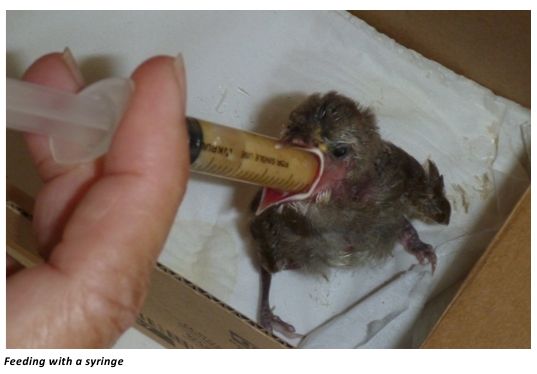
Feeding a baby bird with a syringe requires patience and care. Your technique can make a big difference in the bird’s comfort and safety. Learning the right way to position the bird, hold the syringe, and manage feeding times helps you support its growth effectively.
Proper Positioning Of The Bird
Hold the baby bird gently but firmly to avoid stress or injury. Keep its body upright or slightly tilted forward to prevent food from entering the lungs.
Support the bird’s head with your fingers, making sure the beak is easily accessible. If the bird struggles, pause and adjust your hold instead of forcing it.
How To Hold The Syringe
Use a syringe with a small, soft tip to avoid hurting the bird’s mouth. Hold the syringe at a slight angle and slowly insert the tip just inside the beak.
Push the plunger gently to control the flow of food. Quick squirts can cause choking or aspiration. Your calm hands will help the bird feel secure during feeding.
Feeding Frequency And Amounts
Young birds need frequent meals, often every 15 to 20 minutes during daylight hours. Overfeeding can harm them, so watch for signs like a full crop or refusal to eat.
Start with small amounts and increase gradually as the bird grows. Ask yourself: is the bird gaining weight steadily? That’s the best sign you’re feeding the right amounts.

Credit: www.amazon.com
Safety Precautions
Feeding a baby bird with a syringe is a delicate task that requires more than just the right food. Your top priority should always be the bird’s safety. Taking the right precautions can prevent serious health risks and ensure your little feathered friend thrives under your care.
Preventing Aspiration
Aspiration happens when food or liquid enters the bird’s lungs instead of its stomach. This can cause choking or pneumonia, which is life-threatening for baby birds. To prevent this, always hold the bird upright or slightly tilted forward while feeding.
Use a syringe with a small tip to control the flow of food. Never force-feed or squeeze the syringe too quickly. Offering small amounts slowly helps the bird swallow properly and reduces the risk of aspiration.
Have you noticed how quickly a baby bird can panic if food goes the wrong way? Staying calm and gentle is key to keeping feeding safe and stress-free for both of you.
Recognizing Signs Of Distress
Knowing when the bird is struggling can save its life. Watch for signs like coughing, choking, gasping, or wheezing during feeding. These indicate that the bird may be aspirating or having trouble swallowing.
Other signals include the bird becoming unusually quiet or refusing to eat. If you see these signs, stop feeding immediately and allow the bird to rest. Sometimes, repositioning the bird or giving it a break can help.
Have you ever felt overwhelmed trying to care for a tiny creature in distress? Learning these signs will give you confidence and keep your baby bird safe.
Monitoring Growth And Health
Monitoring the growth and health of a baby bird you feed with a syringe is essential. It helps you catch potential problems early and ensures your little feathered friend thrives. Paying close attention to their development keeps you informed about their well-being and guides your feeding routine.
Tracking Weight And Development
Weigh your baby bird daily using a small, precise scale. Keep a simple log to record these numbers and look for steady weight gain. Sudden drops or stalled growth signal that something might be wrong.
Observe physical changes like feather growth and alertness. Healthy baby birds become more active and start showing interest in their surroundings. If your bird remains lethargic or stops growing feathers, it’s time to reassess your care approach.
- Use a kitchen scale accurate to 0.1 grams
- Weigh at the same time every day
- Note down any changes in behavior or appearance
When To Consult A Veterinarian
If the bird loses weight for two consecutive days or appears weak and unresponsive, seek professional help immediately. A vet can diagnose issues like infections or nutritional deficiencies that you might miss.
Don’t wait if you notice unusual droppings, swollen areas, or breathing difficulties. Early intervention often makes a big difference in recovery. Remember, your role is to provide support, but expert care is crucial when problems arise.
Have you ever wondered how small signs could reveal big health issues? Keeping a close eye and acting quickly might save your baby bird’s life.
Credit: besgroup.org
Transitioning To Solid Food
Transitioning your baby bird from syringe feeding to solid food is a delicate but essential phase. It helps build their independence and supports natural development. Watching your little one take their first bites is a rewarding experience that also requires patience and careful observation.
Signs Baby Birds Are Ready
You might wonder how to tell if your baby bird is ready for solid food. Look for increased interest in your food or the food around them. They may start pecking at the edges of the syringe or even try to grab food with their beak.
Another clear sign is when they begin to open their mouths less eagerly for syringe feeding but still show curiosity. Their crop (a small pouch in their throat) should be emptying faster, indicating they are digesting food well. If your bird is active and alert, that’s a good indicator they’re ready to try solids.
Introducing Solid Foods Gradually
Start by offering soft, easy-to-digest foods like soaked pellets, soft fruits, or finely chopped vegetables. You can place a small amount on a plate or your finger to encourage pecking. Don’t worry if they don’t eat much at first—this is about exploration.
Keep syringe feeding alongside solid foods to ensure they get enough nutrition. Slowly reduce syringe meals as they eat more solids. Remember, patience is key; each bird adapts at their own pace.
- Offer small portions several times a day.
- Observe which foods they prefer and respond to best.
- Keep food fresh and clean to avoid illness.
Have you noticed your bird’s unique personality emerge during feeding? Use that to guide your approach. This phase is as much about bonding as it is about nutrition.
Frequently Asked Questions
What Is The Best Food For Feeding A Baby Bird With A Syringe?
The best food is a soft, protein-rich mix like soaked dog kibble or specialized baby bird formula. It provides essential nutrients and is easy to digest through a syringe.
How Often Should You Feed A Baby Bird Using A Syringe?
Feed the baby bird every 15 to 20 minutes during daylight hours. Young birds need frequent feeding to maintain energy and growth.
What Syringe Size Is Ideal For Feeding Baby Birds?
A 1 to 3 ml syringe is ideal. It allows controlled feeding without overfeeding or choking the baby bird.
Can I Feed A Baby Bird With Water In A Syringe?
Do not feed only water. Baby birds need nutrient-rich food; water can be offered separately but sparingly.
Conclusion
Feeding a baby bird with a syringe needs care and patience. Use the right food to help the bird grow strong. Keep the syringe clean to avoid germs. Feed small amounts slowly to prevent choking. Watch the bird’s reactions and adjust as needed.
This simple care can save a baby bird’s life. Stay gentle and consistent every time you feed. Helping a baby bird can be a rewarding experience. Remember, your careful feeding makes a big difference.