

Are you worried about what to feed a baby bird you’ve found? You’re not alone.
Many people find themselves in a similar situation, unsure how to help the tiny creature chirping for food. Choosing the right diet is crucial for their growth and survival. You want to ensure you’re doing the best for your little feathered friend, but with so much information out there, it can be overwhelming.
Let’s simplify it for you. By understanding what baby birds need, you can become their hero. Stick around, and you’ll discover the simple, effective feeding tips that will help your baby bird thrive.
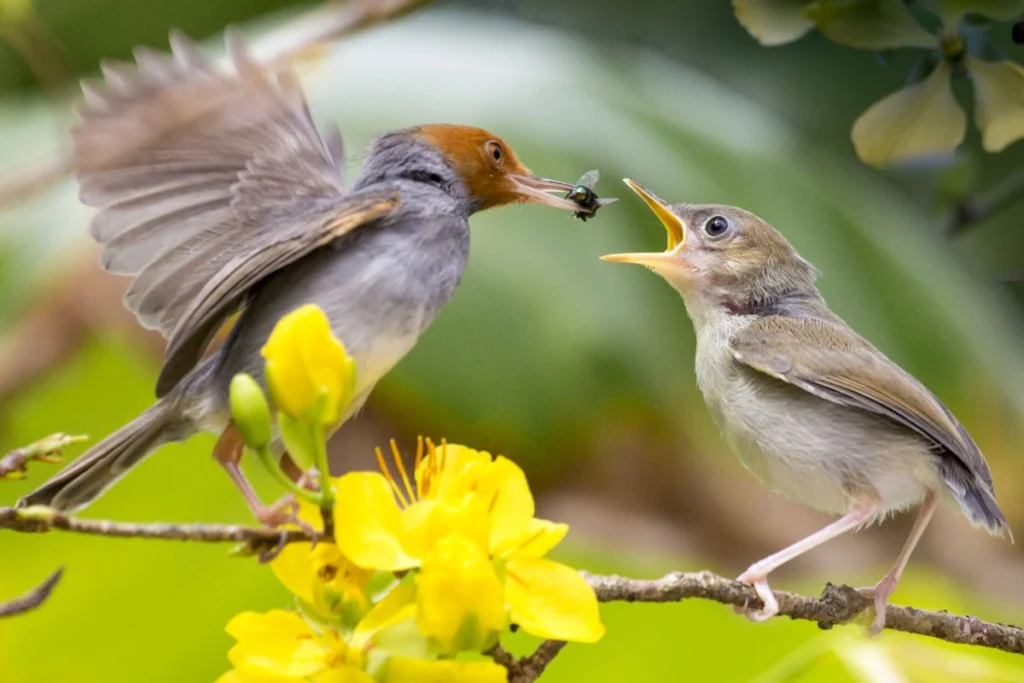
Credit: wildbloo.com
Types Of Baby Birds
Understanding the types of baby birds is crucial when deciding what to feed them. Not all baby birds have the same needs, and their early diet depends largely on how developed they are at birth. Recognizing these differences helps you provide the right nutrition and care, increasing their chances of survival.
Altricial Vs Precocial Birds
Baby birds fall into two main categories: altricial and precocial. Altricial birds hatch blind, featherless, and completely dependent on their parents for warmth and food. These babies require frequent feeding with soft, protein-rich diets like insects or specialized bird formula.
Precocial birds, on the other hand, hatch with their eyes open and are covered in downy feathers. They can move around shortly after hatching and often feed themselves under parental supervision. Their diet usually includes seeds, insects, and small plants, depending on the species.
Have you ever noticed how some baby birds seem helpless while others quickly start exploring? This difference impacts how you approach feeding them if you find one in need of care.
Common Baby Bird Species
Knowing specific species helps tailor your feeding approach. Here are a few common baby birds you might encounter:
- Robins:These altricial birds need a diet rich in worms and insects. Soft, protein-packed food is key for their growth.
- Quail chicks:Precocial and able to eat small seeds and insects soon after hatching. They require less frequent feeding but still need a balanced diet.
- Sparrows:Altricial birds that thrive on a mix of insects and softened seeds. They need frequent feeding sessions throughout the day.
- Ducks:Precocial birds that start nibbling on plants and insects almost immediately. Their diet must be diverse to support their active lifestyle.
When you come across a baby bird, identifying whether it’s altricial or precocial—and knowing its species—can guide you in choosing the right food. What kind of baby bird have you encountered, and what feeding challenges did you face?
Nutritional Needs
Baby birds need special care and food to grow strong and healthy. Their bodies require certain nutrients to develop properly. Feeding them the right nutrients helps their feathers, muscles, and bones form well. It also supports their energy and immune system. Understanding their nutritional needs ensures they thrive during this delicate stage.
Protein Requirements
Protein is vital for baby birds. It builds muscles and repairs tissues. Insects, worms, and soft meats are excellent protein sources. Young birds need a higher protein amount than adults. This supports fast growth and development. Feeding them protein-rich food helps them gain strength quickly.
Vitamins And Minerals
Vitamins and minerals keep baby birds healthy. Vitamin A is important for vision and skin health. Calcium and phosphorus strengthen their bones and beaks. Iron helps carry oxygen in the blood. Fruits, vegetables, and small amounts of eggs provide these nutrients. Balanced vitamins and minerals prevent illnesses and support growth.
Hydration Essentials
Water is crucial for baby birds. It helps digest food and regulate body temperature. Dehydration can cause serious health problems. Baby birds get water from their food and direct drinking. Keep their environment moist and provide fresh water often. Proper hydration aids their overall health and energy.
Safe Foods For Baby Birds
Feeding baby birds requires careful choice of safe and nutritious foods. Baby birds need a diet that supports their rapid growth and development. Not all foods are suitable, so selecting safe options is crucial for their health.
Providing the right food helps baby birds build strong bones and feathers. It also keeps their energy levels high and supports a healthy immune system. Here are some safe food choices for baby birds.
Insects And Worms
Insects and worms are a natural food source for many baby birds. They provide essential protein and fats needed for growth. Common safe options include:
- Mealworms
- Crickets
- Earthworms
- Small caterpillars
These foods should be fresh and free from pesticides. Avoid wild insects from unknown areas to prevent poisoning.
Fruits And Vegetables
Soft fruits and vegetables add vitamins and minerals to a baby bird’s diet. Suitable choices include:
- Mashed bananas
- Chopped apples (without seeds)
- Cooked carrots
- Peas
- Spinach
Always serve fruits and vegetables in small, bite-sized pieces. Avoid citrus fruits and anything acidic or spicy.
Commercial Baby Bird Formulas
Commercial formulas offer balanced nutrition designed for baby birds. They mimic natural diets and are easy to prepare. Look for formulas that are:
- Specifically made for baby birds
- Rich in protein and vitamins
- Easy to mix and feed
Follow package instructions carefully to avoid overfeeding or underfeeding. These formulas help ensure proper growth and health.
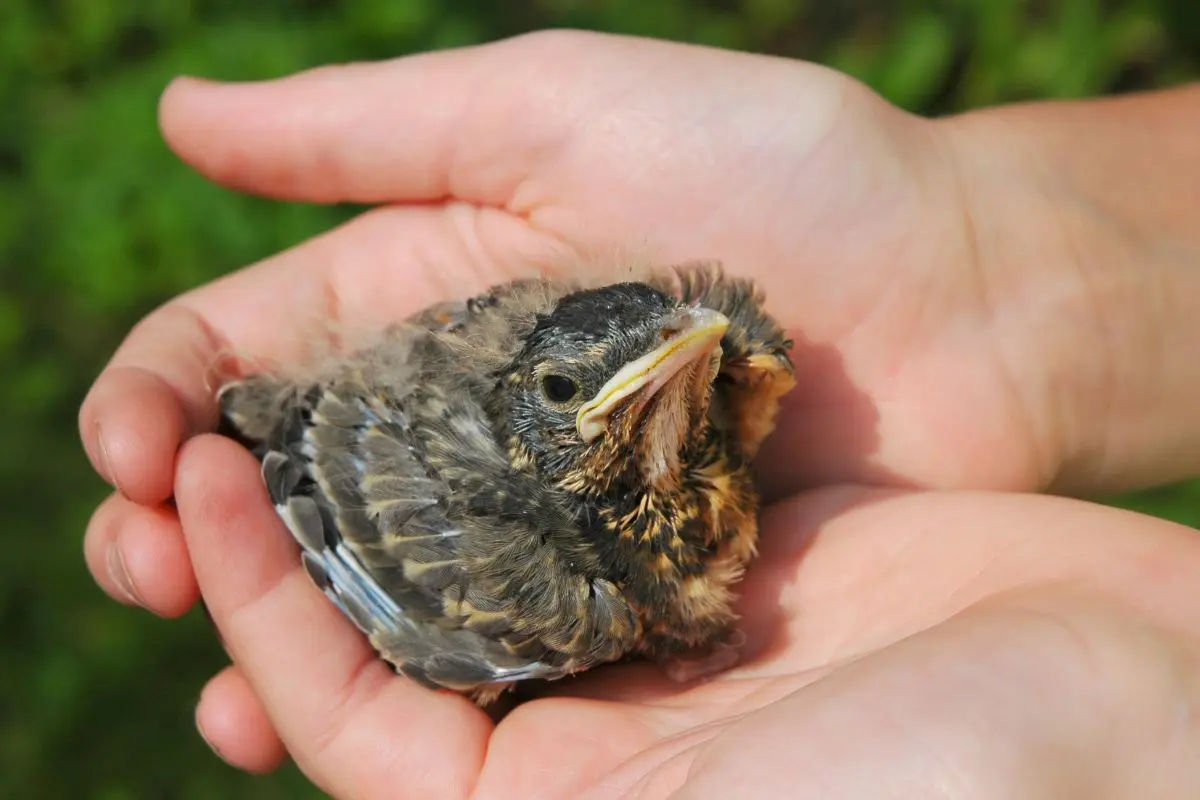
Credit: wildbloo.com
Foods To Avoid
Feeding baby birds requires careful attention to what they eat. Some foods can harm their health or even cause death. Avoiding certain items keeps baby birds safe and helps them grow strong.
Knowing which foods to avoid is just as important as choosing the right ones. Some foods are toxic, while others pose choking risks. Stay informed to protect these fragile creatures.
Toxic Foods
Many common foods are toxic to baby birds. Never feed them chocolate or caffeine. Both contain substances that harm their heart and nervous system.
Avocado is another toxic food. It contains persin, which can cause breathing problems and heart failure in birds.
Onions and garlic can damage their red blood cells. This leads to weakness and illness.
Also, avoid salty foods and anything with added sugar. These disrupt their delicate metabolism and hydration.
Choking Hazards
Baby birds have small throats and weak swallowing muscles. Large or hard pieces of food can block their airways.
Avoid nuts, seeds with shells, popcorn, and hard bread crusts. These items can cause choking or injury.
Fruit with large seeds, like cherries or apples, should be removed before feeding. Cut food into tiny, soft pieces for safe eating.
Never give sticky foods like peanut butter. It can stick in their throat and cause suffocation.
Feeding Techniques
Feeding baby birds requires more than just the right food; how you feed them plays a crucial role in their growth and survival. Handling these fragile creatures with care and precision can make a significant difference. Let’s look at effective feeding techniques that can help you nurture baby birds successfully.
Hand-feeding Tips
Use a small, soft-tipped syringe or a specialized feeding spoon to avoid injuring the baby bird’s delicate mouth. Warm the food to about body temperature before feeding—it should feel cozy, not hot or cold. Gently open the bird’s beak by pressing at the corners, then slowly offer the food, allowing the bird to swallow at its own pace.
Patience is key. Rushing can cause choking or stress. Have you noticed how birds naturally tilt their heads back when hungry? Mimicking this posture helps the feeding process feel more natural and comfortable for them.
Feeding Frequency
Baby birds require frequent feedings because their metabolism is incredibly fast. During the first week, aim to feed every 15 to 20 minutes from dawn until dusk. As they grow, you can gradually extend the time between feedings.
Pay attention to the bird’s behavior—if it starts to turn away or closes its beak, it’s a sign it’s full. How often do you think your baby bird needs feeding right now? Adjusting to their cues is more effective than sticking to a rigid schedule.
Proper Portion Sizes
Serving the right amount is crucial. Too little food can stunt growth, but overfeeding may cause health problems. Start with small portions, roughly the size of the bird’s eye, and increase gradually as it grows.
Keep a close eye on how much the bird swallows and its crop (the small pouch in the throat) size after feeding. A crop that is full but not distended indicates a perfect meal size. Have you checked your baby bird’s crop after feeding today?
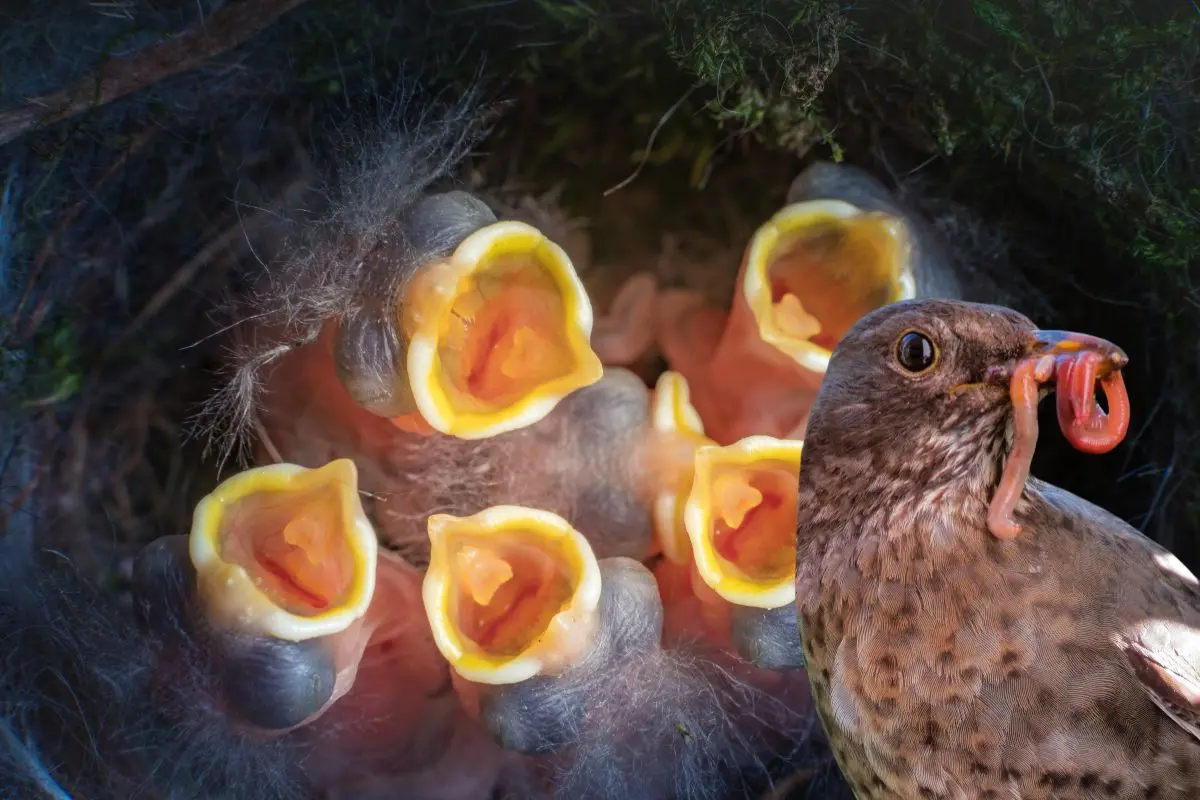
Credit: wildbloo.com
Signs Of Healthy Growth
Knowing the signs of healthy growth in baby birds helps you care for them better. Healthy growth shows that the bird is getting enough food and nutrients. It also means the baby bird is developing well and strong.
Check several key signs to track progress. These signs give clear clues about the baby bird’s health and development. Watch closely to spot any problems early.
Weight Gain Benchmarks
Weight gain is a simple way to measure growth. Healthy baby birds gain weight steadily each day. Sudden weight loss or no gain may signal a problem.
- Weigh the bird daily using a small scale.
- Compare weight with average weights for the species.
- Record weight to track trends over time.
Steady weight gain shows the bird is eating well and digesting food properly.
Feather Development
Feathers develop quickly in baby birds. Check for smooth, shiny feathers as they grow. New feathers should appear regularly on the wings, tail, and body.
- Look for clean, well-formed feathers without bald spots.
- Notice if feathers are soft and fluffy at first.
- Feathers should become stronger and more colorful with age.
Poor feather growth may mean poor nutrition or illness.
Behavioral Indicators
Behavior shows how healthy a baby bird feels. Active and alert birds are usually healthy. Watch for normal movements and sounds.
- Baby birds should respond to touch or sound.
- They should open their mouths wide when fed.
- Healthy birds move their heads and wings often.
Weak or quiet birds may need extra care or veterinary help.
Frequently Asked Questions
What Is The Best Food For Baby Birds?
The best food for baby birds is a protein-rich diet. Soft insects, mealworms, and finely chopped boiled eggs work well. Avoid bread or milk, as they can harm birds. Providing moisture-rich foods helps keep them hydrated and healthy.
How Often Should I Feed Baby Birds?
Feed baby birds every 15 to 20 minutes from dawn to dusk. Young birds need frequent feeding to support rapid growth. Avoid overfeeding, as it can cause health issues. Consistency and proper timing are essential for their survival.
Can I Feed Baby Birds With Milk Or Bread?
No, avoid feeding baby birds milk or bread. Milk can cause digestive problems, and bread lacks essential nutrients. Instead, offer insects, soft fruits, or specialized bird formula. Proper nutrition ensures healthy development and growth.
When Can Baby Birds Start Eating Solid Food?
Baby birds start eating solid food around two weeks old. Gradually introduce soft fruits, seeds, and insects. Monitor their ability to swallow and digest new foods. Transition slowly to prevent choking or digestive upset.
Conclusion
Feeding baby birds the right food helps them grow strong and healthy. Use soft, easy-to-digest foods like insects, soaked dog food, or mashed fruits. Avoid giving bread or milk, as these can harm them. Always feed small amounts often to match their needs.
Watching them eat is rewarding and supports their survival. Caring for baby birds takes patience and kindness. Small efforts make a big difference for these fragile creatures. Keep learning and stay gentle with every feeding moment.