

Have you ever stumbled upon a baby blue jay in your yard and wondered what to feed it? These striking birds with their vivid blue feathers and charming personalities can tug at your heartstrings.
Whether you’re a bird enthusiast or someone who’s taken on the unexpected role of caregiver, knowing what to feed a baby blue jay is crucial. You want to ensure they grow healthy and strong, but navigating the world of bird nutrition can be confusing.
You’ll discover simple, effective ways to nourish your tiny feathered friend. Get ready to become a blue jay expert, armed with the knowledge to give your little one the best start in life. Stay with us, and let’s dive into the essentials of feeding a baby blue jay!
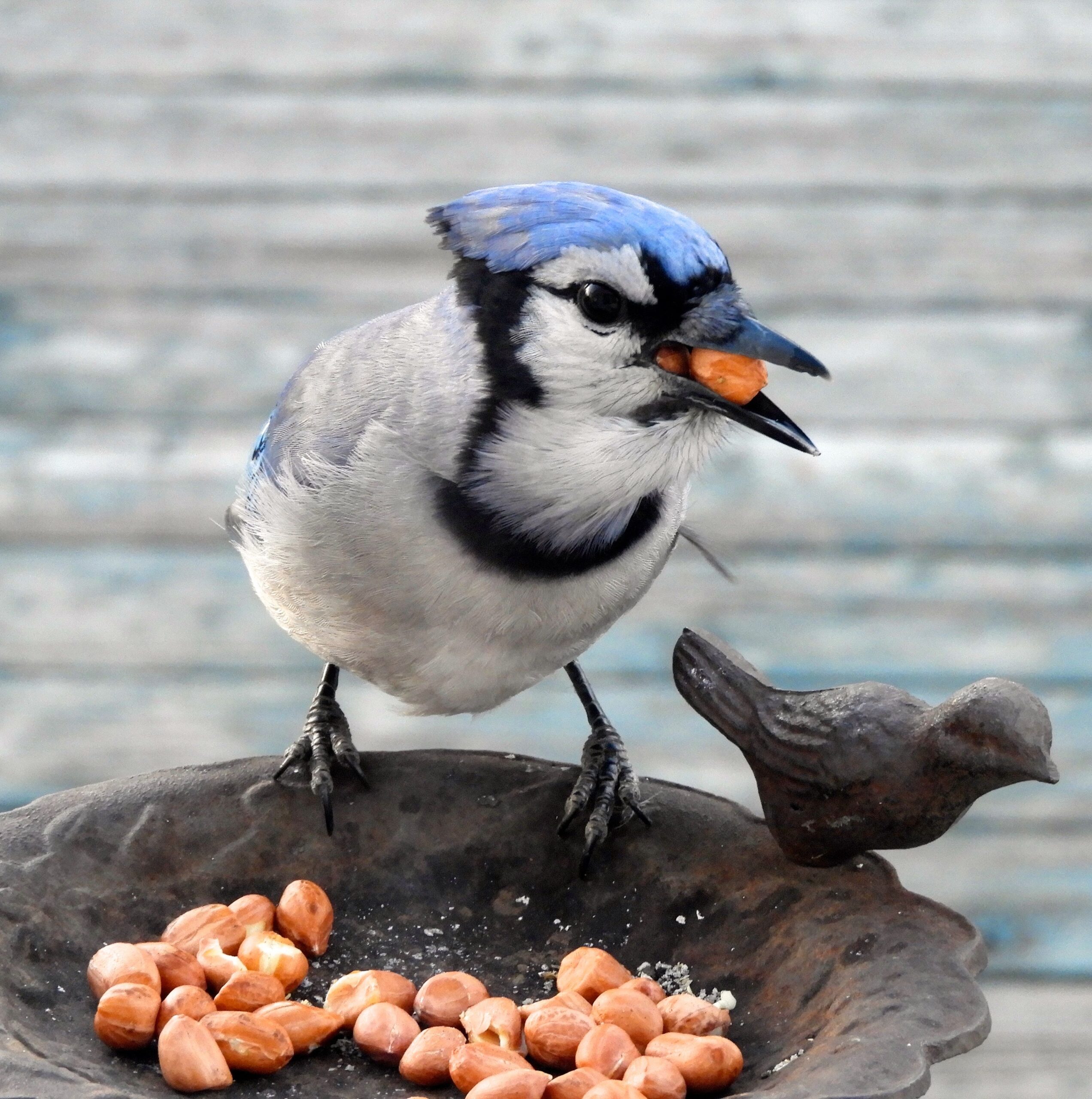
Credit: localgardener.net
Baby Blue Jay Diet Basics
Feeding a baby Blue Jay requires understanding its diet basics. These birds need food that supports their rapid growth and energy needs. Their diet in the wild is varied and nutritious. Mimicking this variety helps young Blue Jays thrive in care.
Natural Food Sources
Baby Blue Jays eat a mix of foods found in nature. Their diet includes:
- Insects like caterpillars, beetles, and grasshoppers
- Fruits such as berries, apples, and grapes
- Nuts like acorns and beechnuts
- Seeds from trees and plants
- Occasionally small eggs or nestlings of other birds
These foods provide the energy and nutrients needed for growth. Insects offer protein, while fruits and nuts give vitamins and fats.
Nutritional Needs
Baby Blue Jays need protein to build strong muscles. They also require fats for energy and brain development. Vitamins and minerals support their immune system and bone growth.
Balanced feeding includes:
| Nutrient | Source | Purpose |
|---|---|---|
| Protein | Insects, eggs | Muscle and tissue growth |
| Fats | Nuts, seeds | Energy and brain health |
| Vitamins | Fruits | Immune support |
| Minerals | Various natural foods | Bone and feather development |
Providing a mix of these nutrients helps baby Blue Jays develop strong and healthy.

Credit: www.reddit.com
Safe Foods For Baby Blue Jays
Knowing what to feed a baby Blue Jay is crucial for its growth and health. Safe foods provide the right nutrients and keep the young bird strong. Let’s look at some excellent food choices that you can offer to baby Blue Jays to help them thrive.
Insects And Protein Options
Baby Blue Jays need plenty of protein for muscle and feather development. Live or dried insects like mealworms, crickets, and waxworms are excellent sources. These protein-rich snacks mimic what parent Blue Jays hunt in the wild.
You can also offer small pieces of cooked eggs or finely chopped lean meats. Avoid anything seasoned or processed to keep their diet natural and safe. Have you ever noticed how quickly baby birds gobble up insects? It’s a clear sign they’re essential for their growth.
Fruits And Vegetables
Fruits and veggies add vitamins and minerals to the baby Blue Jay’s diet. Soft fruits like berries, apples (without seeds), and grapes are favorites. Chop them into tiny pieces so the little bird can eat easily.
Vegetables like peas, corn, and leafy greens provide fiber and nutrients. Be careful to avoid anything toxic, such as avocado or onions. Including fresh fruits and vegetables keeps your baby Blue Jay’s diet balanced and colorful.
Seeds And Nuts
Seeds and nuts are a natural part of a Blue Jay’s diet but should be given in moderation to babies. Offer unsalted sunflower seeds, peanuts (shelled and chopped), and pumpkin seeds. These provide healthy fats and energy.
Make sure to grind larger nuts or seeds into smaller pieces to prevent choking. If you’ve ever tried cracking open a sunflower seed, you know it takes patience—your baby Blue Jay will appreciate you doing it for them. Seeds and nuts add variety and help develop strong beaks.
Foods To Avoid
Feeding a baby blue jay requires careful attention to what foods to avoid. Some items can harm their delicate system or even prove deadly. Knowing these foods helps keep baby blue jays safe and healthy.
Toxic Foods
- Avocado: Contains persin, harmful to many birds.
- Chocolate: Toxic substances can cause heart problems.
- Onions and garlic: Can damage red blood cells.
- Caffeine: Leads to rapid heartbeat and nervousness.
- Alcohol: Causes severe poisoning and can be fatal.
- Raw beans: Contain toxins that affect digestion.
- Salt: Too much causes dehydration and kidney issues.
Harmful Human Foods
- Processed snacks: High in salt and unhealthy fats.
- White bread: Lacks nutrients and can cause digestive issues.
- Sugary treats: Lead to poor health and obesity.
- Fried foods: Difficult to digest and unhealthy.
- Raw dough: Contains yeast that can expand in the stomach.
- Milk and dairy: Many birds cannot digest lactose.
Feeding Techniques
Feeding a baby Blue Jay requires more than just offering the right food. The way you feed them influences their growth and trust towards you. Understanding effective feeding techniques can make this nurturing process smooth and enjoyable for both you and the bird.
Hand-feeding Tips
Start by using a small syringe or dropper to feed the baby Blue Jay. This helps control the flow of food and prevents choking. Hold the bird gently but securely to keep it calm during feeding sessions.
Make sure the food is at the right temperature—neither too hot nor too cold. Warm food mimics what the mother bird would provide and encourages the baby to eat. If the bird resists, try a slower approach and speak softly to build comfort.
Feeding Frequency
Baby Blue Jays need frequent feedings, especially in the first few weeks. Aim to feed them every two to three hours during daylight. As they grow, you can gradually extend the time between feedings.
Watch the bird’s behavior for signs of hunger or fullness instead of sticking rigidly to a clock. Sometimes, a baby may need extra feedings during growth spurts. Are you ready to adjust your schedule based on your bird’s cues?
Proper Portion Sizes
Start with small amounts—about a pea-sized portion—and increase gradually as the baby grows. Overfeeding can cause health problems, so less is often more. Observe how much the bird consumes and adjust to avoid leftovers.
Using a small measuring spoon or syringe can help maintain consistent portion sizes. Keep track of daily intake to ensure your Blue Jay is getting enough nutrition without overeating. How precise are you willing to be with your feeding routine?
Hydration Needs
Hydration is as vital for a baby Blue Jay as the right food. Young birds need consistent access to water to stay healthy and grow strong. Without proper hydration, their development can slow, and they may become vulnerable to illness.
Water Sources
Providing fresh, clean water is key. You can offer water in a shallow dish or a small birdbath. Avoid deep containers to prevent accidents.
If you hand-feed a baby Blue Jay, add a few drops of water to their food to keep them hydrated. Natural water sources like rain or dew are great, but always ensure the water is clean and safe.
Signs Of Dehydration
How can you tell if your baby Blue Jay needs more water? Watch for dry, wrinkled skin around the eyes or a sunken appearance in the eyes. Lethargy and weak movements are also warning signs.
In my experience, a once lively baby Blue Jay became quiet and sluggish when dehydrated. After carefully adding water to its feeding routine, the bird quickly bounced back.
Keep an eye on these signs daily. Staying proactive with hydration keeps your Blue Jay happy and healthy.
Monitoring Growth And Health
Monitoring the growth and health of a baby Blue Jay is essential for its survival. Careful observation helps catch any problems early. This ensures the bird grows strong and healthy. Regular checks guide adjustments in diet and care. Let’s explore key signs to watch.
Weight Tracking
Weigh the baby Blue Jay daily using a small scale. Record the weight in a notebook or app. Steady weight gain means the bird is thriving. Sudden weight loss or no gain signals a problem. Compare with typical growth charts for Blue Jays. Keep the scale clean and use gentle handling.
Behavioral Indicators
Watch for alertness and activity levels. A healthy baby Blue Jay is curious and responsive. Pay attention to eating habits and vocal sounds. Weakness, lethargy, or silence may show illness. Bright eyes and smooth feathers also indicate good health. Note any changes and act quickly if needed.
When To Transition To Adult Diet
Transitioning a baby blue jay to an adult diet is an important step for its growth. The diet change must happen at the right time. This helps the bird develop strong health and proper feeding habits. Understanding the age milestones and diet changes will guide you in feeding your blue jay correctly.
Age Milestones
- Newborns rely on soft, easy-to-digest food from parents.
- By 2 to 3 weeks, they start eating small insects and soft fruits.
- At around 4 weeks, their beak and digestive system strengthen.
- By 5 to 6 weeks, blue jays begin to try solid foods.
- After 6 weeks, they are usually ready for adult diet foods.
Diet Changes
- Begin introducing seeds and nuts in small amounts.
- Add more protein sources like insects and small fruits.
- Reduce soft food gradually as solid food intake increases.
- Ensure fresh water is always available during transition.
- Watch for signs of difficulty eating or digestion issues.
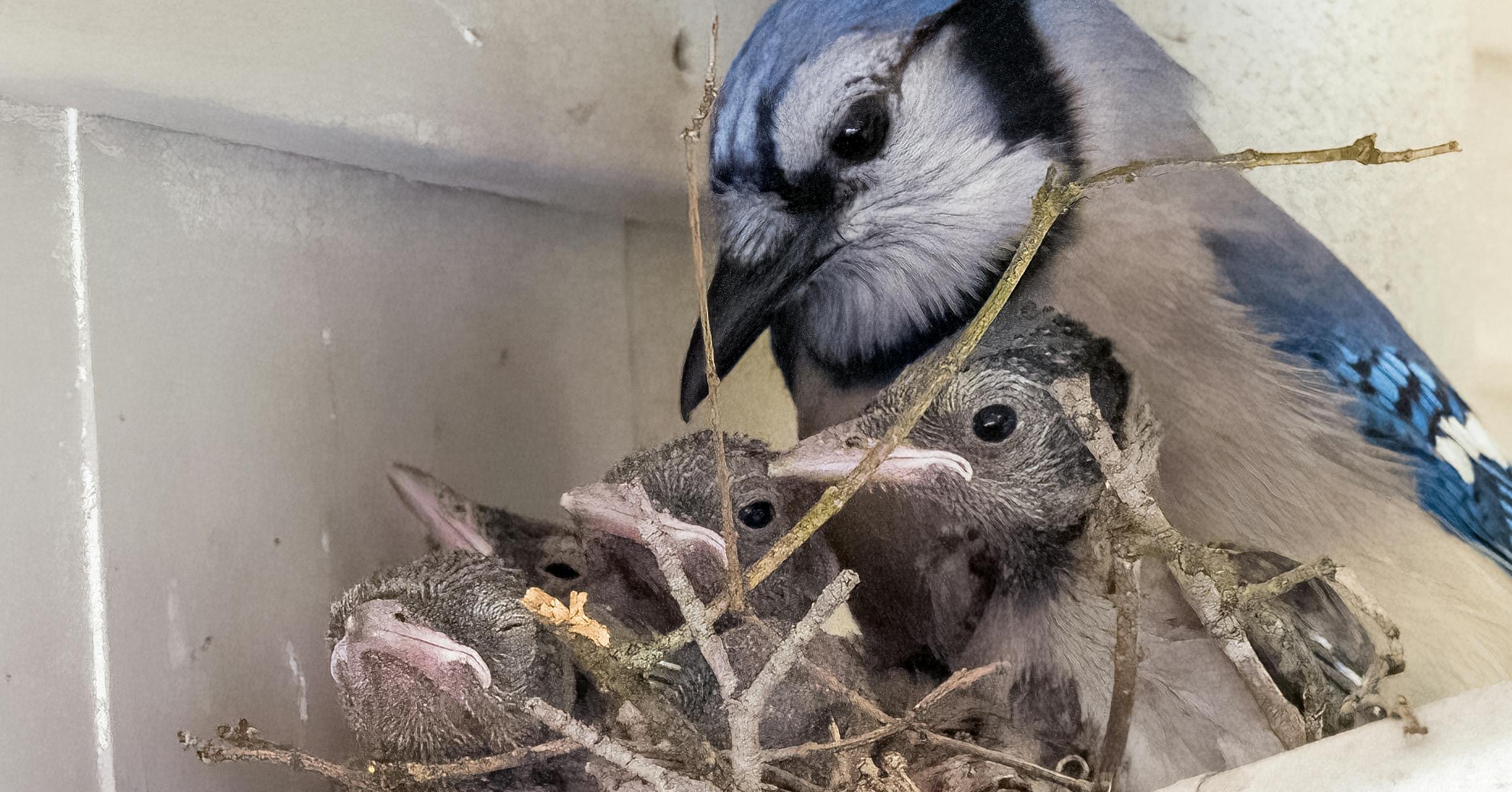
Credit: www.startribune.com
Frequently Asked Questions
What Is The Best Food For Baby Blue Jay Birds?
Baby Blue Jays thrive on a diet of soft insects, nuts, and fruits. Mealworms, caterpillars, and finely chopped nuts are ideal. Fresh fruits like berries help provide essential vitamins. Avoid processed or salty foods to ensure healthy growth.
Can I Feed Bread To Baby Blue Jays?
Bread is not recommended for baby Blue Jays. It lacks essential nutrients and can cause digestive issues. Instead, offer protein-rich foods like insects and nuts. Fresh fruits and seeds provide balanced nutrition for their development.
How Often Should I Feed A Baby Blue Jay?
Feed baby Blue Jays every 20 to 30 minutes during daylight hours. Frequent small meals mimic natural feeding patterns. Ensure food is soft and easy to swallow. Consistent feeding supports their rapid growth and energy needs.
Are Seeds Enough For Feeding Baby Blue Jays?
Seeds alone do not meet all nutritional needs of baby Blue Jays. They require protein from insects and soft fruits for balanced growth. Incorporate mealworms and berries alongside seeds for a healthy diet.
Conclusion
Feeding a baby blue jay requires care and attention. Offer soft foods like soaked seeds and insects. Keep meals small and frequent to mimic nature. Clean water should always be nearby for drinking. Watch the bird’s behavior to know if it’s eating well.
Patience helps the baby grow strong and healthy. Enjoy the experience of helping a wild bird thrive. Simple, natural foods keep baby blue jays happy and safe.