

If you’ve found a baby cat bird or are caring for one, you’re probably wondering what to feed it to keep it healthy and strong. Feeding a baby bird isn’t always easy, but with the right knowledge, you can give your little feathered friend the best start in life.
In this guide, you’ll discover simple, practical tips that make feeding your baby cat bird stress-free and effective. Keep reading to learn exactly what your baby bird needs to grow happy and healthy.
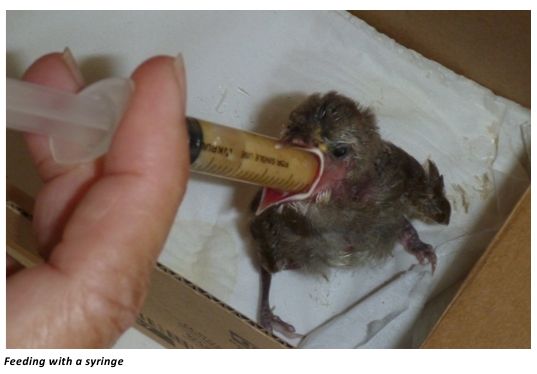
Credit: besgroup.org
Choosing The Right Food
Choosing the right food for a baby cat bird is essential to ensure healthy growth and development. The diet you provide should meet their nutritional needs without causing harm. Understanding what to feed and what to avoid can make a big difference in your bird’s early life.
Types Of Suitable Foods
Baby cat birds need a diet rich in protein and essential nutrients. Soft, easily digestible foods work best since their tiny beaks and developing digestive systems require gentle options.
- Insects:Small insects like mealworms and crickets provide excellent protein. You can buy these frozen or live, but make sure they come from a clean source.
- Soft fruits:Mashed bananas, apples, and berries offer vitamins and hydration. Always remove seeds and skin to avoid choking hazards.
- Specialized bird formula:Commercially available baby bird formulas are often fortified with all necessary nutrients. Mixing the powder with warm water creates a smooth, easy-to-feed consistency.
Have you noticed your baby bird showing more interest in certain foods? Paying attention to these preferences can guide you in adjusting the diet to keep them thriving.
Avoiding Harmful Ingredients
Not all food that’s safe for adult birds is suitable for babies. Some ingredients can cause digestive upset or even poisoning.
- Avoid salt and sugar:These can lead to dehydration and serious health issues.
- No processed human foods:Avoid giving bread, dairy, or fried snacks as they lack essential nutrients and may contain harmful additives.
- Stay away from avocado and chocolate:Both are toxic to birds and can cause severe reactions.
Remember, what you feed now shapes your baby bird’s health long-term. Are you confident that every meal you offer supports their growth safely?
Feeding Schedule And Frequency
Feeding a baby cat bird needs a clear schedule and proper frequency. Young birds require regular meals to grow strong and healthy. The feeding routine depends on the bird’s age and size. Consistency in feeding times helps the bird develop good habits. Overfeeding or underfeeding can cause health issues. Understanding the right times and amounts is key for proper care.
How Often To Feed
Baby cat birds need frequent feedings. Newborns eat every 2 to 3 hours during the day. Night feedings are necessary for very young birds. As the bird grows, feedings can reduce to every 4 to 6 hours. By 3 to 4 weeks, feedings usually occur 4 times a day. Older birds, closer to weaning, eat 2 to 3 times daily. Watch the bird’s behavior to adjust feeding times.
Portion Sizes By Age
Portion sizes increase as the bird grows. Newborns need small amounts, about a pea size per feeding. At 1 to 2 weeks, increase to a small marble size. By 3 weeks, portions grow to about a grape size. Older baby birds eat larger amounts, similar to a walnut size. Feeding too much can cause digestive problems. Use a soft feeding syringe to control portions easily.
Preparing Food Safely
Preparing food safely for a baby cat bird is crucial for its health and development. You want to avoid any risks of infection or nutritional imbalance that could harm your little feathered friend. Paying close attention to how you handle and prepare the food can make a big difference in keeping your baby bird strong and thriving.
Proper Hygiene Practices
Cleanliness is the first step to safe food preparation. Always wash your hands thoroughly before handling any food or feeding equipment. Dirty hands can transfer harmful bacteria that might cause illness.
Make sure to sterilize feeding bottles, spoons, and bowls after each use. Hot, soapy water followed by a rinse in boiling water works well. Avoid using harsh chemicals that could leave residues dangerous to your baby bird.
Have you ever noticed how quickly bacteria multiply on leftover food? That’s why it’s best to prepare fresh meals for each feeding and discard any uneaten portions promptly. This habit helps prevent bacterial growth that could upset your bird’s delicate digestive system.
Using Fresh Ingredients
Fresh ingredients provide the nutrients your baby cat bird needs to grow. Use only high-quality fruits, vegetables, and proteins that look vibrant and smell fresh. Old or spoiled food can carry toxins and lose nutritional value.
Check expiration dates carefully when using commercial bird formulas or supplements. If you’re mixing homemade blends, chop ingredients just before feeding to maintain their vitamins and minerals.
Think about the last time you ate stale or wilted food—did it taste right? Your baby bird’s health depends on the freshness of its food just as much as yours does. Keeping ingredients fresh ensures every bite is packed with goodness.

Credit: www.youtube.com
Hydration Needs
Keeping a baby cat bird properly hydrated is just as important as feeding it the right nutrients. Water supports every vital function, from digestion to temperature regulation. Missing the signs of dehydration early can put your little bird at serious risk.
Water Requirements
Baby cat birds need frequent access to clean, fresh water throughout the day. Unlike adult birds, they cannot rely on moisture from food alone. You should provide water in a shallow dish that’s easy for the baby to reach without risk of drowning.
Offering water multiple times daily helps maintain hydration. Sometimes, baby birds may prefer water mixed with a tiny amount of electrolyte solution to replenish lost minerals. Are you prepared to adjust water delivery based on your bird’s behavior and environment?
Signs Of Dehydration
Watch closely for these warning signs that your baby cat bird might be dehydrated:
- Sunken eyes or dull, lifeless appearance
- Dry or wrinkled skin around the beak and eyes
- Weakness or lethargy, less active than usual
- Loss of appetite and reduced vocalization
If you notice these symptoms, it’s crucial to increase hydration immediately and consult a vet. Early intervention can prevent serious complications, but ignoring these signs can quickly lead to distress.
Monitoring Growth And Health
Monitoring growth and health is crucial for a baby cat bird’s development. Careful observation helps catch problems early. Healthy growth means the bird is getting the right food and care.
Tracking Weight Gain
Weigh the baby bird daily using a small scale. Record the weight at the same time each day. Healthy baby birds should steadily gain weight. Sudden weight loss or no gain can signal health issues.
Keep a simple chart to track progress. Note weight changes to share with a vet if needed.
Identifying Nutritional Deficiencies
Watch for signs like weak feathers, slow movement, or poor appetite. These could mean missing vitamins or minerals. A balanced diet with proteins, fats, and vitamins is key.
Use a checklist to ensure the bird gets:
- Proteins from insects or specialized food
- Calcium for bone strength
- Vitamins A, D, and E for overall health
Consult a vet if you notice unusual symptoms or lack of growth.
Common Feeding Challenges
Feeding a baby catbird can be tricky. Many owners face common challenges that affect the bird’s growth and health. Understanding these issues helps provide better care and nutrition. Two main problems often arise: refusal to eat and digestive troubles. Both require patience and careful attention to solve.
Dealing With Refusal To Eat
Baby catbirds may refuse food for several reasons. Stress, unfamiliar food, or illness can cause this behavior. Try offering small amounts of soft, easy-to-swallow food. Warm the food slightly to mimic natural feeding conditions. Use a syringe or dropper gently to encourage eating. Keep feeding times calm and quiet to reduce stress. If refusal continues, consult a vet for advice.
Handling Digestive Issues
Digestive problems can make feeding challenging. Symptoms include diarrhea, vomiting, or bloating. Feed small portions frequently instead of large meals. Avoid sudden changes in diet. Offer foods rich in nutrients but low in fat. Clean feeding tools thoroughly to prevent infections. Monitor the bird closely and seek veterinary help if symptoms persist. A healthy gut is key to proper growth and energy.
When To Consult A Vet
Knowing when to consult a vet is crucial for a baby cat bird’s health. Early care can prevent serious problems. Watch for signs that suggest the baby bird needs professional help. Acting quickly can save its life and ensure proper growth.
Recognizing Warning Signs
- Refusing to eat or drink for more than a few hours
- Weakness or lethargy, such as sitting still and not moving much
- Visible injuries or wounds on the body or wings
- Breathing difficulties, like gasping or wheezing
- Unusual droppings, either very watery or very dry
- Fluffed-up feathers lasting longer than normal
- Constant crying or distress sounds
Preparing For A Vet Visit
Gather information about the baby bird’s diet and behavior. Note any changes or symptoms you observed. Use a small, secure box with soft cloth for transport. Keep the bird warm and quiet during the trip. Avoid feeding or giving water unless the vet advises it. Bring any food or supplements the bird has been eating. This helps the vet understand the situation better and provide the right care.

Credit: www.petsradar.com
Frequently Asked Questions
What Is The Best Food For A Baby Cat Bird?
The best food for a baby cat bird is a specialized hand-rearing formula. It provides essential nutrients for growth and development. Avoid feeding seeds or adult bird food. Consult a vet for the right formula and feeding schedule to ensure the baby bird thrives.
How Often Should I Feed A Baby Cat Bird?
Feed a baby cat bird every 2 to 3 hours during the day. Young birds need frequent meals to maintain energy and growth. As they grow, gradually increase the time between feedings. Always monitor hunger cues and adjust feeding frequency accordingly.
Can I Feed A Baby Cat Bird With Milk?
No, do not feed a baby cat bird with milk. Birds are lactose intolerant and milk can cause digestive problems. Stick to bird-specific formulas or natural food appropriate for their species. Always prioritize safe and suitable feeding options.
When Can A Baby Cat Bird Start Eating Solid Food?
Baby cat birds can start eating solid food around 4 to 6 weeks old. Introduce soft fruits, insects, or soaked pellets gradually. Continue hand-feeding until they can eat independently. Monitor their progress and adjust food types as needed.
Conclusion
Feeding a baby cat bird requires care and attention. Always offer fresh, appropriate food. Observe their growth and adjust diet as needed. Hydration is crucial. Provide clean water frequently. A varied diet supports healthy development. Consult a vet for specific concerns.
Understanding their needs ensures a happy, thriving pet. Your efforts will help them grow strong. Enjoy the journey of nurturing your feathered friend. With love and patience, they will flourish.