

Are you a proud new owner of a baby lovebird? Congratulations!
These vibrant, social creatures can bring a lot of joy to your life. But as a responsible pet parent, you might be wondering, “What should I feed my hand-fed baby lovebird? ” Feeding your feathered friend the right nutrition is crucial for their growth and well-being.
Understanding their dietary needs can feel overwhelming, but don’t worry—you’re not alone. With the right guidance, you can ensure your little lovebird thrives. Stick around to discover simple, effective feeding tips that will help your baby lovebird grow into a healthy, happy companion. Your lovebird deserves the best, and you have the power to give it!
Choosing The Right Formula
Choosing the right formula is key for hand-feeding baby love birds. The right choice supports healthy growth and development. It ensures your baby bird gets all the nutrients it needs to thrive. Feeding the wrong formula can cause health problems and slow growth.
Types Of Hand-feeding Formulas
There are different formulas available for baby love birds. You can find powder-based, liquid, and homemade options. Powdered formulas mix with warm water before feeding. Liquid formulas are ready to use but may spoil faster. Homemade formulas use natural ingredients but need careful preparation. Choose formulas made especially for love birds or small parrots.
Nutritional Needs Of Baby Love Birds
Baby love birds need proteins, fats, vitamins, and minerals. Proteins help build muscles and feathers. Fats provide energy for growth and activity. Vitamins support the immune system and bone health. Minerals like calcium strengthen bones and beaks. A good formula balances all these nutrients in the right amount.
Avoiding Harmful Ingredients
Check formulas for harmful ingredients before buying. Avoid formulas with artificial colors, flavors, or preservatives. Some formulas contain too much sugar or salt, which can harm the bird. Avoid cow’s milk or human baby food as they lack proper nutrients. Always choose high-quality, bird-specific formulas to keep your baby love bird safe.
Preparing The Formula
Preparing the formula for your hand-fed baby lovebird is a crucial step in ensuring its health and growth. The right preparation not only provides essential nutrients but also prevents digestive issues and infections. Taking your time and following precise methods will give your little feathered friend the best start.
Proper Mixing Techniques
Start by measuring the formula powder and water carefully according to the package instructions. Using too much powder can cause clumps, while too little might not provide enough nutrition.
Mix the powder and water slowly, stirring gently to avoid air bubbles. A smooth, lump-free consistency helps your baby lovebird swallow easily and digest better.
Have you noticed how a poorly mixed formula can frustrate your bird? Patience here makes a big difference.
Safe Temperature For Feeding
Check the temperature of the formula before feeding by dropping a few drops on your wrist; it should feel warm, not hot. Around 102°F (39°C) is ideal.
Feeding formula that’s too hot can burn your baby bird’s crop, while cold formula can cause digestive problems. Always test the temperature every time you prepare a fresh batch.
Do you have a reliable kitchen thermometer? It can help you keep the temperature just right, avoiding guesswork.
Storage And Shelf Life
Store unused prepared formula in a clean, covered container in the refrigerator. Use it within 24 hours to prevent harmful bacteria growth.
Throw away any formula left in the feeding syringe after each session to avoid contamination. Never reheat formula more than once.
Keeping your feeding tools and formula fresh protects your baby lovebird from illnesses. How do you ensure your feeding routine stays safe and hygienic?
Feeding Schedule And Techniques
Feeding a baby lovebird by hand requires a clear schedule and proper techniques. The right timing and method help the bird grow healthy and strong. This section covers how often to feed, what tools to use, and the correct hand-feeding steps.
Frequency Of Feeding
Newborn lovebirds need feeding every 2 to 3 hours during the day. As they grow, space out feedings to every 4 to 6 hours. Avoid feeding at night once they are older. Watch the baby’s crop to know if it is full or empty. Overfeeding can cause health problems.
Feeding Tools And Equipment
- Small syringe or spoon for feeding
- Clean bowl to mix formula
- Warm water for mixing
- Soft cloth to wipe beak and hands
- Thermometer to check formula temperature
Use tools made for hand-feeding birds. Always sterilize equipment before use. This prevents infections and keeps the baby safe.
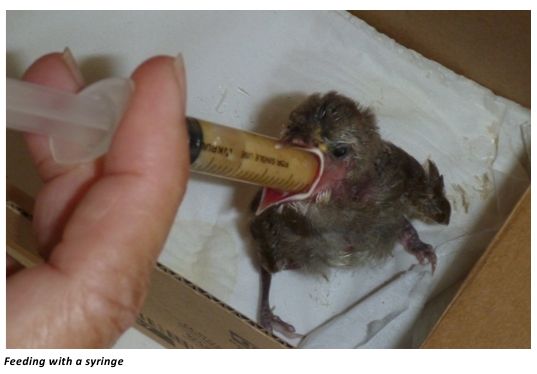
Hand-feeding Method Steps
- Prepare the formula as per instructions, warm to about 104°F (40°C).
- Draw formula into the syringe or spoon.
- Hold the baby bird gently but firmly.
- Place the tip near the baby’s beak carefully.
- Allow the baby to open its mouth naturally.
- Slowly feed small amounts to avoid choking.
- Pause if the baby shows signs of fullness.
- Clean the beak and wipe hands after feeding.
Feed calmly and patiently. This helps build trust and comfort for the baby lovebird.
Credit: besgroup.org
Signs Of Healthy Growth
Recognizing the signs of healthy growth in your hand-fed baby lovebird is crucial for ensuring it thrives. These signs help you understand if your feeding routine supports its development or if adjustments are needed. Paying close attention to specific markers can make a big difference in your bird’s wellbeing.
Weight Monitoring
Weigh your baby lovebird daily using a small, accurate scale. Healthy growth shows a steady weight increase without sudden drops. If your bird’s weight stalls or falls, it’s a clear signal to review its feeding schedule or formula.
Keep a simple chart or notebook to track the weight over time. Seeing the trend can help you spot problems early. Have you noticed any unexpected weight changes in your bird during hand feeding?
Behavioral Indicators
Active and alert behavior is a strong sign your lovebird is healthy. Look for eagerness during feeding times and curiosity in its surroundings afterward. A baby bird that seems lethargic or uninterested in food may be struggling with nutrition.
Healthy birds often chirp, move around, and respond to your voice. If your bird is quiet and inactive, it might need more attention or a vet check. Do you spend enough time observing your bird’s daily behavior?
Physical Development Milestones
Watch how your lovebird’s feathers grow and how its body shape changes. A healthy baby lovebird develops smooth feathers and gains muscle tone as it grows. Weak wing muscles or patchy feathers can indicate nutritional gaps.
Compare your bird’s progress to standard growth timelines for lovebirds. This helps you ensure it’s on track. Have you noticed your bird reaching new milestones like stronger wings or brighter eyes recently?
Common Feeding Challenges
Feeding a baby lovebird by hand can bring many challenges. These tiny birds need gentle care and patience. Understanding common problems helps ensure they grow healthy and strong.
Some challenges include refusal to eat, risks of overfeeding, and digestive issues. Each requires careful attention and proper handling to keep the bird safe.
Refusal To Eat
Sometimes baby lovebirds refuse to eat. This can happen due to stress or discomfort. They may feel scared or not trust the feeder. Trying different feeding tools or warming the food slightly can help. Gentle talking and calm movements encourage them to accept food. Watch their behavior closely to avoid hunger.
Overfeeding Risks
Overfeeding can harm baby lovebirds. Too much food causes choking or crop problems. It may also lead to obesity and weak health. Feed small amounts and check the crop after feeding. Allow the crop to empty before the next meal. Keeping a feeding schedule helps control portions and avoids overfeeding.
Dealing With Digestive Issues
Digestive problems are common in hand-fed lovebirds. Symptoms include vomiting, diarrhea, or bloating. These signs mean the bird needs immediate care. Use warm, clean food to reduce illness risk. Keep feeding tools clean and sterile. Consult a vet if digestive issues last more than a day. Proper hygiene and diet prevent most problems.
Transitioning To Solid Foods
Transitioning your baby lovebird from hand feeding to solid foods is a key stage in its growth. This change helps the bird develop strong beak muscles and learn how to eat by itself. The process should be gentle and gradual to avoid stress. Pay close attention to your bird’s readiness and preferences. Offer a variety of safe, nutritious foods to support healthy development. Patience and consistency make this transition smoother for both of you.
When To Start Introducing Solids
Begin introducing solids around 4 to 5 weeks old. Watch for signs like curiosity about food and pecking at solid items. The bird should still receive hand feeding but start tasting soft solids. Start with easy-to-digest options and small pieces. Avoid rushing; some birds take longer to adapt. Monitor how your lovebird reacts to new textures and flavors.
Best Solid Food Choices
- Soft fruits like banana and melon, cut into tiny pieces
- Cooked vegetables such as carrots and peas, mashed well
- Sprouted seeds and small grains for added nutrition
- Pellets designed for lovebirds, broken into small bits
- Avoid avocado, chocolate, caffeine, and salty foods
Offer fresh, clean food daily. Remove leftovers to prevent spoilage.
Encouraging Independent Eating
Place food in a shallow dish within reach. Show your bird how to peck and eat. Praise small efforts with gentle words and soft sounds. Gradually reduce hand feeding as the bird becomes more confident. Keep mealtime calm and stress-free. Offer different foods to maintain interest and balance nutrition.
Maintaining Hygiene And Safety
Keeping your baby love bird healthy starts with strict hygiene and safety during feeding. Every small detail—from the cleanliness of feeding tools to how you handle your bird—matters. Neglecting these can lead to infections or other health problems that are easily avoidable.
Cleaning Feeding Equipment
Always wash feeding bottles, syringes, and utensils immediately after use. Warm soapy water works well, but make sure to rinse thoroughly to remove any soap residue. You can also sterilize equipment by boiling them for a few minutes or using a bird-safe disinfectant.
Dirty feeding tools can harbor bacteria that put your baby love bird at risk. I learned this the hard way when my little one developed a mild infection after I skipped sterilizing a feeding syringe. Since then, I clean everything meticulously after every feeding session.
Preventing Infections
Check your baby love bird daily for signs of illness like swelling, unusual droppings, or lethargy. Infection can spread quickly in young birds, so early detection is key. Keep their feeding area dry and free of leftover food to discourage harmful germs.
Also, avoid sharing feeding equipment between different birds to prevent cross-contamination. If your bird does show symptoms of illness, isolate it and consult a vet immediately.
Safe Handling Practices
Wash your hands thoroughly before and after handling your baby love bird or its feeding equipment. This simple step reduces the chance of transferring germs. Handle your bird gently but securely to avoid stress or injury during feeding.
Have you noticed how calm your bird becomes when you speak softly and move slowly? Creating a calm environment during feeding helps prevent accidents and promotes bonding. Always support their body properly—never squeeze or hold too tightly.
Credit: pethelpful.com

Credit: dornmusic.com
Frequently Asked Questions
What Is The Best Food For Hand-feeding Baby Lovebirds?
The best food for hand-feeding baby lovebirds is a specialized hand-rearing formula. It is nutrient-rich and easy to digest, ensuring proper growth and health. Avoid homemade mixtures unless guided by an avian vet to prevent nutritional imbalances.
How Often Should I Feed A Baby Lovebird By Hand?
Feed baby lovebirds every 2 to 3 hours during the day. As they grow, gradually increase the time between feedings. Night feeding is usually unnecessary after they reach a few weeks old.
Can I Feed Baby Lovebirds Fruits And Vegetables?
Yes, introduce soft fruits and vegetables once the baby lovebird starts weaning. Offer finely chopped, fresh options like apples or carrots. Avoid citrus and avocado, as they can be toxic to birds.
When Can Baby Lovebirds Start Eating Seeds?
Baby lovebirds can start eating seeds around 6 to 8 weeks old. Initially, offer small, softened seeds mixed with formula. Gradually transition to a balanced seed mix suitable for adult lovebirds.
Conclusion
Feeding a baby lovebird by hand needs care and patience. Use the right formula and feed often for healthy growth. Keep their food warm and clean to avoid illness. Watch the baby’s behavior to know if it’s happy and well-fed.
Feeding lovebirds this way builds trust and helps them thrive. Small steps make a big difference in their life. Care and love will help your baby bird grow strong and happy.