

Spotting a fledgling bird on your lawn can be an emotional experience. You might feel a mix of wonder, responsibility, and perhaps a bit of panic.
What should you do? How can you help this tiny creature without causing harm? The first and most crucial step is understanding what to feed a fledgling bird. This knowledge can mean the difference between life and death for these delicate beings.
By reading this article, you’ll learn how to offer the right nutrition that could nurture a fledgling back to strength. Get ready to unlock the secrets of nature’s menu and become a hero to the feathered friend in your care. Dive in to discover exactly what a fledgling bird needs to thrive.
Fledgeling Bird Basics
Feeding a fledgeling bird requires understanding its basic needs. These young birds are at a critical stage of development, and what you feed them will shape their growth and survival. Knowing the right foods and when to offer them can make a big difference in their health and strength.
Growth Stages
Fledgelings move quickly through several growth stages. At first, they rely entirely on their parents—or you—to provide soft, easily digestible food. As they grow feathers and gain strength, their diet shifts to more solid food to support increased activity.
During the earliest days, a diet rich in protein is essential to fuel rapid cell growth. Around two weeks old, fledgelings start exploring different foods but still need frequent feeding. By the time they are ready to leave the nest, their diet begins to resemble that of adult birds.
Nutritional Needs
Meeting a fledgeling’s nutritional needs means focusing on protein, fats, vitamins, and minerals. Protein supports muscle and feather development, so insects like mealworms or finely chopped boiled eggs work well. You want to avoid anything too hard or dry that could cause choking.
Adding small amounts of fruit can supply essential vitamins and hydration. For instance, mashed berries or soft pieces of apple can be gentle additions. Keep in mind, water is crucial but should be offered carefully—too much at once can be dangerous.
Have you noticed how a small change in diet can affect an animal’s energy and behavior? Paying close attention to what your fledgeling eats helps you spot problems early and adjust feeding accordingly.
Safe Food Choices
Feeding a fledgling bird requires safe and nutritious food. Their small bodies need energy and nutrients to grow strong. Choosing the right food helps them develop feathers and learn to fly. Only offer items that mimic their natural diet. This ensures they get what they need without harm.
Insects And Protein Sources
Protein is vital for young birds. Insects provide excellent protein and fat. Offer small, soft insects like mealworms or crickets. Avoid hard or large insects that are difficult to eat. Boiled egg yolk is also a good protein source. Mash it finely to make it easy to swallow. Small bits of cooked chicken can be given sparingly.
Fruits And Vegetables
Fruits and vegetables add vitamins and moisture. Soft fruits such as mashed bananas or berries work well. Avoid citrus fruits as they can upset the bird’s stomach. Cooked vegetables like peas or carrots can be offered in small pieces. Always cut fruits and veggies into tiny bits. This prevents choking and helps easy digestion.
Avoiding Harmful Foods
Certain foods can be dangerous for fledglings. Never feed chocolate, caffeine, or salty snacks. Dairy products can cause stomach problems. Avoid bread, as it has little nutrition and may swell in their stomach. Raw beans and onions are toxic to birds. Keep food fresh and clean to prevent illness. Always wash your hands before handling bird food.
Feeding Techniques
Feeding a fledgling bird requires gentle care and the right techniques. Proper feeding helps the bird grow strong and healthy. Understanding feeding methods ensures you meet the bird’s nutritional needs safely. Patience and consistency play key roles in this process.
Hand-feeding Tips
Use a small syringe or dropper for feeding. Warm the food to body temperature before offering. Feed the bird slowly to prevent choking. Hold the bird gently but firmly to avoid stress. Clean all feeding tools after each use. Observe the bird’s reaction to adjust feeding speed. Avoid overfeeding by giving small amounts at a time.
Feeding Frequency
Feed young fledglings every 20 to 30 minutes during daylight. As the bird grows, reduce feedings to every 1 to 2 hours. Nighttime feedings are usually not necessary after the first week. Watch for hunger signs like begging or opening the mouth. Create a consistent schedule to build trust and routine.
Hydration Importance
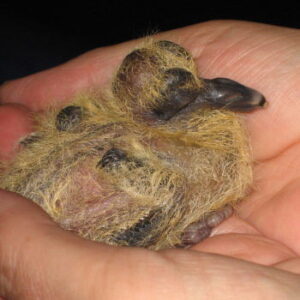
Fresh water is crucial for fledgling health. Offer water in a shallow dish or through a syringe. Avoid forcing water directly into the bird’s throat. Hydration aids digestion and keeps the bird active. Check that food is moist enough to provide some hydration. Dehydration signs include lethargy and dry skin around the eyes.
Credit: irishwildlifematters.ie
Monitoring Health
Monitoring the health of a fledgeling bird is essential for its growth and survival. Careful observation helps spot any nutritional problems early. Healthy birds show clear signs of good feeding and proper development. Paying attention to feeding behavior and physical condition guides you in adjusting the diet.
Signs Of Good Nutrition
- Bright, clear eyes and clean feathers
- Active movements and strong grip
- Steady weight gain over days
- Regular begging for food with energy
- Firm, well-formed droppings
These signs indicate the bird receives enough nutrients. A healthy fledgeling grows steadily and stays alert.
Recognizing Feeding Issues
- Weak or lethargic behavior
- Slow or no weight gain
- Fluffed up feathers or dull eyes
- Refusal to eat or weak begging
- Loose, watery, or discolored droppings
These symptoms suggest feeding problems or illness. Early detection allows quick action to improve care. Watch closely for any changes in behavior or appearance.
Preparing For Independence
Preparing a fledgeling bird for independence is a crucial phase that requires patience and attention. Your goal is to help the young bird gradually adapt to eating on its own without risking its health. This transition sets the foundation for a strong, self-sufficient adult bird.
Transitioning To Solid Foods
Start by introducing soft, easy-to-digest solid foods alongside their usual diet. You can offer small pieces of cooked vegetables, soft fruits, or specially formulated bird pellets.
Keep the pieces tiny—about the size of the bird’s beak—to avoid choking hazards. Notice how the fledgeling reacts; if it struggles, slow down the transition and stick with semi-liquid foods a bit longer.
Patience matters here. Some fledgelings take days or even weeks to fully accept solid foods. Have you observed how your bird responds to new textures and tastes?
Encouraging Self-feeding
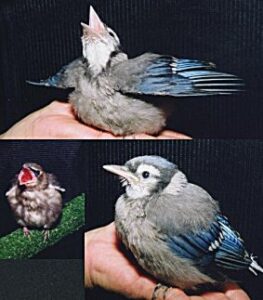
Encourage your fledgeling to feed itself by placing food within easy reach. Use shallow dishes and avoid overcrowding the feeding area to reduce stress.
- Offer hand-feeding only when necessary, gradually reducing this support.
- Make mealtimes consistent so your bird knows when to expect food.
- Celebrate small victories, like the first time it picks up food independently.
Remember, your encouragement makes a difference. Watching a fledgeling gain confidence with each bite can be surprisingly rewarding. Are you ready to step back and let your bird take the lead in feeding?
Credit: irishwildlifematters.ie
When To Seek Help
Knowing when to seek help for a fledgling bird is very important. Some situations need expert care to give the bird a better chance to survive. Signs of injury, illness, or abandonment require immediate attention.
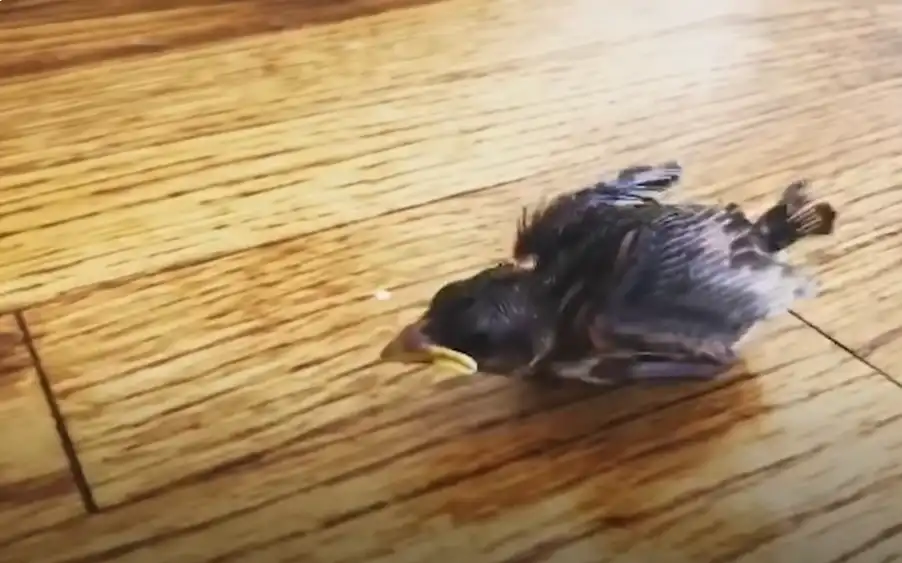
Fledglings that are cold, weak, or have visible wounds need professional help fast. Also, birds that do not respond or try to fly after several days may need intervention. Acting quickly can make a big difference in their recovery.
Veterinary Care
Veterinarians with experience in birds can assess the bird’s health. They can treat injuries, infections, and dehydration. A vet can also advise on proper feeding and care. Early medical care increases the bird’s survival chances.
Some common signs to visit a vet include:
- Broken wings or legs
- Bleeding or open wounds
- Difficulty breathing or gasping
- Extreme weakness or unresponsiveness
- Signs of parasites or infections
Wildlife Rehabilitation Resources
Wildlife rehabilitators specialize in caring for wild birds and animals. They provide a safe place and the right diet for fledglings. Rehabilitators also prepare birds for release back into nature.
Contact local wildlife centers or animal control for help. They have permits and knowledge to care for wild birds properly. This support ensures the bird receives the best care possible.
Always keep the bird warm and quiet while seeking help. Avoid feeding the bird unless you have proper guidance. Let professionals guide you for the bird’s safety and recovery.
Credit: www.earthofbirds.com
Frequently Asked Questions
What Is The Best Food For A Fledgeling Bird?
The best food for fledgelings is high-protein insects like mealworms, crickets, and small caterpillars. Soft fruits and soaked bird pellets can also help. Avoid bread or processed foods as they lack nutrients and can harm the bird’s growth and health.
How Often Should I Feed A Fledgeling Bird?
Feed a fledgeling bird every 20 to 30 minutes from dawn to dusk. Consistent feeding supports their fast growth and energy needs. Gradually increase feeding intervals as they mature and learn to eat independently.
Can I Feed A Fledgeling Bird With Milk Or Bread?
No, avoid feeding fledgeling birds milk or bread. Birds cannot digest dairy, and bread lacks essential nutrients. Feeding these can cause malnutrition or digestive issues. Stick to natural, protein-rich foods for healthy development.
How To Prepare Food For A Fledgeling Bird?
Prepare food by chopping insects into small, manageable pieces. Soften hard foods with water if needed. Ensure the food is fresh and free from pesticides. Proper preparation helps fledglings swallow easily and gain nutrients efficiently.
Conclusion
Feeding a fledgling bird needs care and patience. Use soft, easy-to-digest foods like soaked dog food or insects. Feed small amounts often to keep the bird healthy. Avoid giving milk or bread, as these can harm the bird. Always keep the feeding area clean to stop sickness.
Watching the bird grow is rewarding and fun. Caring for nature starts with simple acts like feeding young birds right. Remember, your help gives fledglings a better chance to survive.