

When you find a tiny, helpless bird in need of care, your first instinct might be to help. But knowing what to feed an infant bird can be a daunting task.
You want to do the right thing to give this little creature the best chance of survival. Understanding their needs is crucial, and the thought of making a mistake can be overwhelming. Imagine the satisfaction of knowing that you’re giving the bird exactly what it needs to grow strong.
By reading this guide, you’ll discover simple, effective feeding tips that will empower you to make the right choices. So, are you ready to learn how to nurture your feathered friend back to health? Let’s dive in!
Choosing The Right Food
Choosing the right food for an infant bird is crucial for its health and growth. Baby birds need a diet that supports their developing bodies and immune systems. Feeding the wrong food can lead to poor health or even death. Understanding the types of food available and the specific needs of the bird species helps ensure proper care.
Types Of Infant Bird Food
Infant birds usually eat soft, easy-to-digest food. Common types include:
- Specialized powdered formulas made for baby birds
- Soaked pellets that become soft and mushy
- Blended mixtures of fruits, vegetables, and proteins
- Insects or small worms for insect-eating species
The texture must be smooth to avoid choking. Fresh water should always be available.
Commercial Vs. Homemade Options
Commercial formulas offer balanced nutrition and convenience. They are designed to meet baby birds’ needs. These products undergo safety and quality checks.
Homemade food lets caregivers control ingredients. It requires careful preparation to match nutritional needs. Common homemade recipes include:
- Mashed fruits mixed with protein like boiled egg yolk
- Softened dog or cat food with added vitamins
- Pureed vegetables and grains
Homemade diets need careful monitoring to avoid nutrient gaps.
Nutritional Needs By Species
Different bird species have unique diet requirements. Seed-eating birds need more fats and carbohydrates. Insect-eating birds require higher protein content. Parrots often need a mix of fruits, vegetables, and proteins.
| Bird Species | Key Nutrients | Recommended Food |
|---|---|---|
| Parrots | Proteins, vitamins A and C | Fruits, vegetables, commercial formula |
| Finches | Carbohydrates, fats | Seed blends, soaked pellets |
| Insectivores | High protein | Insects, protein-rich formula |
Meeting these needs helps infant birds grow strong and healthy.
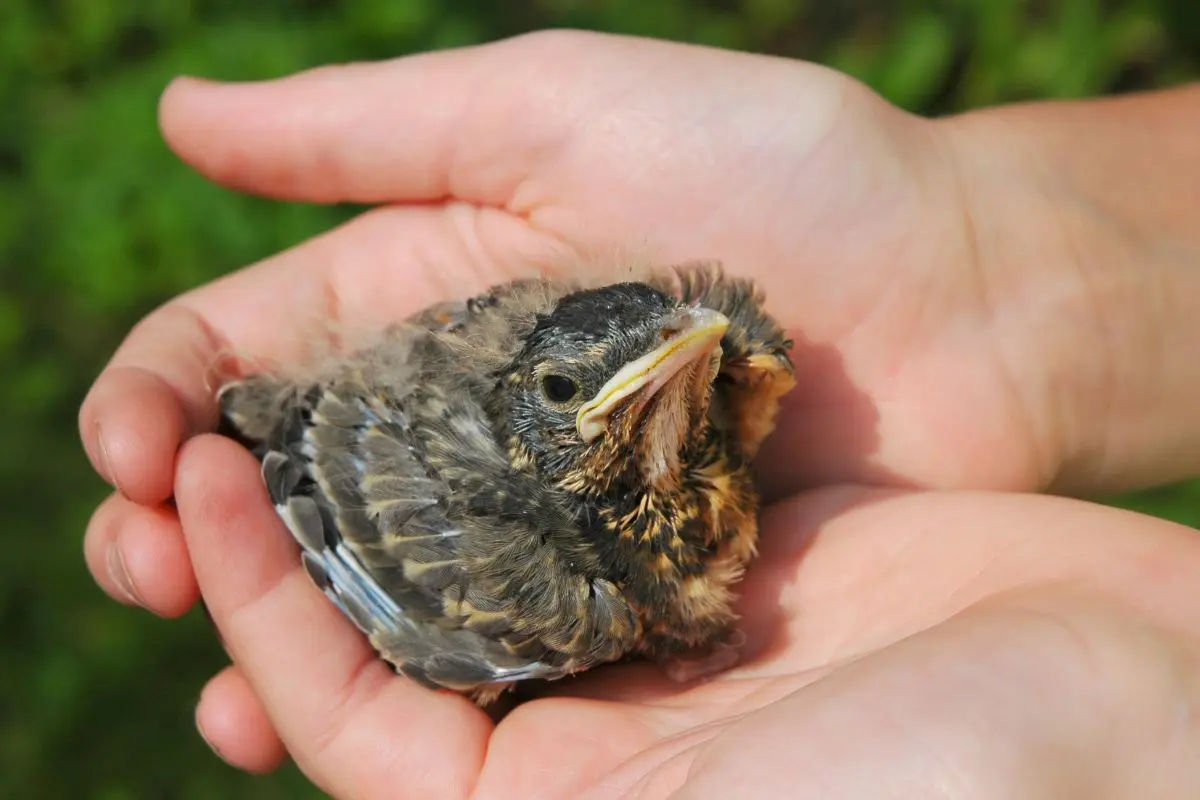
Credit: wildbloo.com
Feeding Techniques
Feeding an infant bird requires careful attention and the right techniques to ensure it grows healthy and strong. Proper feeding methods not only provide essential nutrients but also help build trust between you and the bird. Let’s look at some practical ways to feed your feathered friend effectively.
Hand-feeding Tips
Hand-feeding an infant bird can be a rewarding experience, but it demands patience and gentleness. Use a small syringe or dropper to control the food flow and avoid choking hazards.
Keep the food warm, around 100°F (38°C), as cold food can upset the bird’s stomach. Always hold the bird securely but gently, supporting its body to prevent stress.
Pay attention to the bird’s cues—if it turns away or closes its beak, it may be full or uncomfortable. Your calm demeanor will help the bird feel safe during feeding.
Feeding Frequency And Quantity
Infant birds need frequent feeding, often every 15 to 20 minutes during daylight hours. Younger birds require smaller amounts but more frequent meals, while older nestlings can handle larger portions spaced further apart.
Watch for signs of hunger like open mouths or chirping to time feedings well. Overfeeding can cause health problems, so stop feeding once the crop feels full but not hard.
Keeping a feeding schedule can prevent missed meals and help you monitor the bird’s growth and health closely.
Avoiding Common Feeding Mistakes
Avoid feeding the bird inappropriate foods like bread or milk, which can cause digestive issues. Using unsterilized feeding tools can introduce harmful bacteria, so always clean equipment thoroughly.
Never force food into the bird’s throat—it can lead to aspiration or choking. Watch for signs of illness such as lethargy or regurgitation, which might indicate feeding problems.
Have you ever noticed how a slight change in technique can make feeding smoother? Small adjustments often improve the bird’s comfort and your feeding success.
Preparing Food Safely
Preparing food safely for an infant bird is very important. Birds have delicate systems that can easily get sick. Safe food preparation helps keep the baby bird healthy and strong. It also prevents infections and other health problems.
Always pay close attention to cleanliness and storage. Avoid anything that can harm the bird. Small steps make a big difference in caring for your feathered friend.
Hygiene And Cleanliness
Wash your hands before and after handling food. Use clean utensils and bowls only. Clean all surfaces where you prepare food. This stops bacteria and germs from spreading. Change cloths or paper towels often. Avoid touching the bird while preparing its food.
Proper Food Storage
Store food in airtight containers to keep it fresh. Keep food in the fridge if not used immediately. Label containers with the date of preparation. Discard any food left out for too long. Never feed spoiled or old food to the bird. Fresh food helps the baby bird grow healthy.
Avoiding Harmful Ingredients
- Do not use salt or sugar in the food.
- Avoid giving spices, caffeine, or alcohol.
- Never feed raw meat or fish to the baby bird.
- Stay away from foods with preservatives or additives.
- Use only bird-safe ingredients recommended by experts.
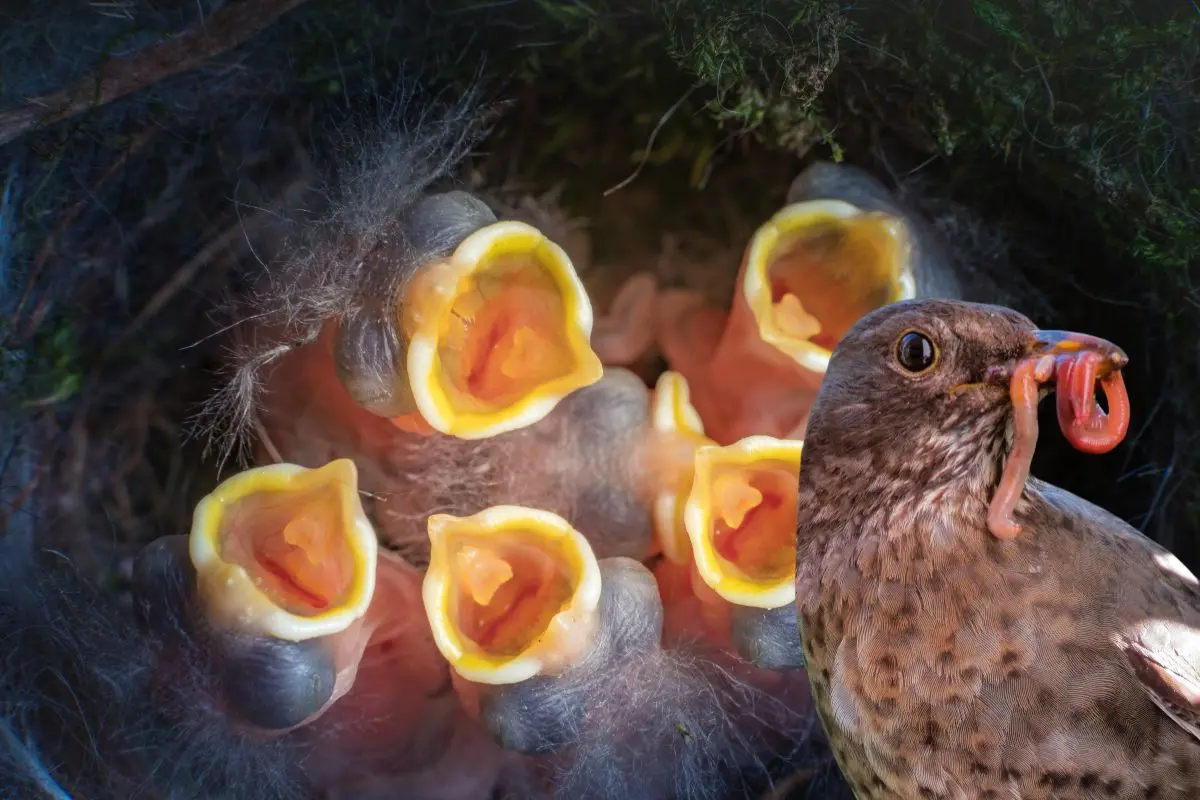
Credit: wildbloo.com
Signs Of Healthy Growth
Knowing the signs of healthy growth in an infant bird can make a big difference in how you care for it. These signs help you understand if your feeding routine is working or if adjustments are needed. Paying close attention to these clues ensures your little feathered friend thrives.
Monitoring Weight And Development
Regularly weighing your infant bird is one of the simplest ways to track its growth. Use a small, precise scale and note the weight daily at the same time. Consistent weight gain, even if small, usually means your bird is getting enough food.
Besides weight, watch how its feathers develop and how it moves. Healthy growth shows as smooth feathering and stronger movements each day. If you notice any stagnation or decline in these areas, it could be a warning sign.
Behavioral Indicators
Healthy infant birds are active and respond to your presence. They often open their beaks eagerly when it’s feeding time. If your bird seems lethargic or uninterested in food, this behavior needs attention.
Listen for clear, sharp calls or chirps. These sounds usually indicate comfort and good health. Quiet or weak vocalizations might mean your bird is stressed or ill.
When To Consult A Vet
If you observe sudden weight loss, refusal to eat, or unusual behavior, don’t wait to get professional help. Persistent signs like fluffed feathers, labored breathing, or swelling also require immediate veterinary attention.
Remember, early intervention can prevent serious health problems. Trust your instincts—if something feels off, a vet visit is the safest choice for your infant bird’s well-being.
Transitioning To Solid Food
Transitioning an infant bird to solid food is a vital stage in its growth. This change helps the bird develop strong beak muscles and learn how to eat independently. The process should be slow and gentle to avoid stress or digestive problems. Patience and observation are key during this phase.
Timing The Switch
Start the transition when the bird’s crop empties quickly after feeding. This shows the bird is ready for more solid food. Usually, this happens at about 3 to 4 weeks old. Watch for signs like interest in food or pecking at solid items.
Introducing New Foods Gradually
Begin with soft, easy-to-digest foods like soaked pellets or mashed fruits. Mix these with the usual formula to create a smooth texture. Offer small amounts several times a day. Increase solid food slowly while reducing formula feedings.
Encouraging Independent Feeding
Place soft food on a shallow dish within the bird’s reach. Show the bird how to peck and eat from the dish. Allow the bird to explore and try eating alone. Offer praise and gentle support to build confidence. This helps the bird learn to feed itself fully over time.

Credit: www.youtube.com
Frequently Asked Questions
What Is The Best Food For Feeding An Infant Bird?
Infant birds thrive on a diet of soft, protein-rich foods. Use soaked dog kibble, hard-boiled eggs, or specialized bird formula. Avoid bread or milk, as they harm birds. Feeding small amounts frequently helps mimic natural feeding patterns and supports healthy growth.
How Often Should I Feed A Baby Bird?
Feed infant birds every 15 to 20 minutes from sunrise to sunset. Young birds need frequent, small meals to maintain energy and growth. As they mature, gradually increase feeding intervals. Consistent feeding prevents starvation and promotes healthy development.
Can I Feed A Baby Bird With Milk Or Bread?
No, never feed infant birds milk or bread. Milk can cause digestive issues, while bread lacks essential nutrients. Instead, provide a balanced diet of protein-rich foods or commercial bird formulas. Proper nutrition ensures the bird’s survival and healthy growth.
How Do I Know If The Baby Bird Is Hungry?
Signs of hunger include open mouth begging, chirping, and restlessness. A hungry baby bird will actively seek food and respond to feeding attempts. Monitor these behaviors to ensure timely feeding and prevent malnourishment.
Conclusion
Feeding an infant bird takes care and attention every day. Use soft, easy-to-digest foods that match the bird’s needs. Keep meals small and frequent to help the bird grow strong. Always offer clean water alongside food. Watch the bird closely for any signs of trouble.
Patience and kindness make a big difference in care. With the right feeding, the baby bird will thrive and grow healthy. Remember, you play a key role in its early life. Caring for an infant bird is rewarding and important.