

You’ve just welcomed a tiny, fragile bird into the world, and now you’re wondering: what should you feed a new hatched bird? This moment is exciting but also a bit overwhelming.
The right food can make all the difference in helping your little feathered friend grow strong and healthy. If you want to avoid common mistakes that can harm your bird, keep reading. You’ll discover simple, effective tips to give your baby bird the best start in life—without stress or confusion.
Let’s dive in and make sure your new hatchling thrives!

Credit: swibirds.org
Choosing The Right Food
Choosing the right food for a newly hatched bird is crucial to ensure its healthy growth and survival. Baby birds have very specific nutritional needs that differ from adult birds. Feeding the wrong type of food can lead to malnutrition or even fatal health issues.
Types Of Suitable Foods
Newly hatched birds need a diet rich in protein and easy to digest. Soft, moist foods are ideal because hatchlings cannot handle hard seeds or pellets. You can offer:
- Commercial hand-rearing formulas:These are specially designed for baby birds and provide balanced nutrition.
- Soft-boiled eggs:Eggs are high in protein and fats, essential for rapid growth.
- Insects like mealworms or small crickets:These mimic what many wild baby birds eat and are packed with nutrients.
- Mashed fruits and vegetables:Use sparingly and only after the bird is a bit older, as they need more protein initially.
Always prepare food fresh and warm it to body temperature before feeding. Cold food can cause digestive problems and stress the hatchling.
Avoiding Harmful Ingredients
Some foods can cause serious harm to baby birds, even if they seem healthy to us. Avoid feeding:
- Salt and sugar:These can upset the bird’s delicate digestive system and cause dehydration.
- Milk and dairy products:Birds lack the enzymes to digest lactose properly.
- Processed human foods:Items like bread, chips, or sweets offer no nutritional value and can be toxic.
- Avocado:Known to be toxic to many bird species.
Have you ever wondered why some bird owners insist on hand-feeding formulas? It’s because these products are carefully balanced to avoid harmful ingredients and provide exactly what the hatchling needs. Feeding your bird anything else is a risk not worth taking.
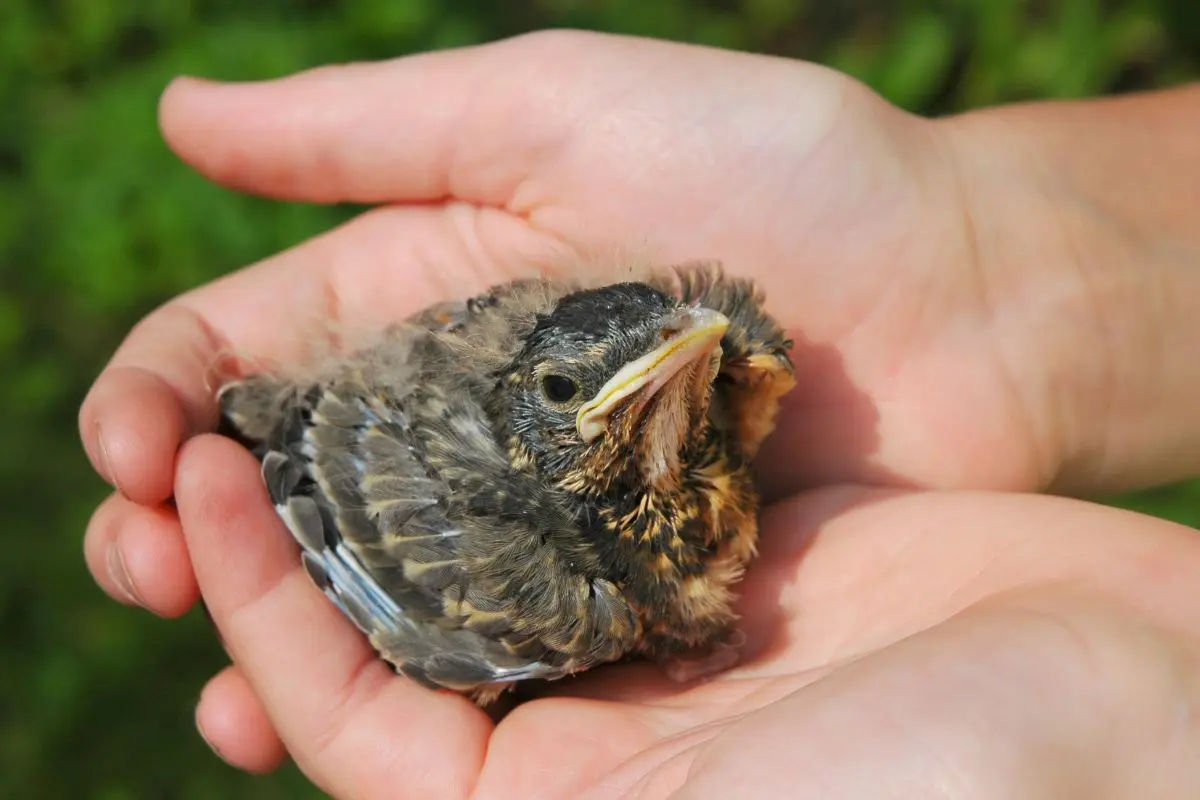
Credit: wildbloo.com
Feeding Frequency And Amount
Feeding a newly hatched bird requires careful attention to both how often you feed and the amount you provide. These factors directly impact the bird’s health and growth. Understanding the right balance helps you avoid overfeeding or underfeeding, both of which can cause serious problems.
How Often To Feed
Newly hatched birds usually need to be fed very frequently, sometimes every 15 to 20 minutes during daylight hours. The exact frequency depends on the species and age of the chick. For example, some small songbirds require feeding up to 12 times a day, while larger birds may need less frequent feedings.
As the bird grows, you can gradually extend the time between feedings. Watch for signs like begging intensity and energy levels to adjust the schedule. Have you noticed how some chicks calm down after a good meal? That’s a clear sign you’re feeding them enough.
Portion Sizes For Growth Stages
Portion sizes should increase as the bird grows, but only enough to meet its nutritional needs without causing discomfort. In the first few days, the portions are tiny—just enough to fill the crop without overfilling. A good rule of thumb is to feed small, frequent meals rather than large ones.
| Age of Bird | Portion Size | Feeding Frequency |
|---|---|---|
| 0-3 Days | Very small, about the size of a pea | Every 15-20 minutes |
| 4-7 Days | Increase to the size of a small grape | Every 30 minutes |
| 8-14 Days | About the size of a cherry | Every 45 minutes to 1 hour |
Remember, the crop of a young bird should never feel hard or overly full. When I first started hand-feeding hatchlings, I learned this the hard way. Overfeeding led to crop stasis, a serious condition. Always feel the crop gently to check for fullness and softness before offering more food.
Preparing Food Safely
Preparing food safely for a newly hatched bird is crucial for its health. Young birds have delicate systems. Contaminated food can cause serious illness. Take care to keep food clean and fresh. Follow safe habits to protect the bird’s growth.
Proper Food Handling
Always wash your hands before preparing food. Use fresh ingredients each time you feed the bird. Avoid using leftovers or spoiled food. Measure food carefully to prevent overfeeding. Store food in clean, sealed containers. Keep food at safe temperatures to stop bacteria growth. Prepare small batches to ensure freshness. Avoid cross-contamination by using separate utensils for different foods.
Maintaining Clean Feeding Tools
Wash feeding tools after every use. Use hot water and mild soap to clean bowls and syringes. Rinse tools well to remove soap residue. Dry tools completely before next feeding. Replace worn or cracked tools to avoid bacteria buildup. Sterilize tools regularly by boiling or using a safe disinfectant. Keep feeding areas tidy and free of food debris. Cleanliness helps prevent infections in young birds.
Feeding Techniques
Feeding a newly hatched bird requires patience and care. The right techniques can make a big difference in your bird’s health and growth. Learning how to feed them properly ensures they get enough nutrition without stress or injury.
Hand-feeding Tips
Hand-feeding is delicate work. Use a small syringe or a spoon with soft edges to avoid hurting the bird’s beak. Gently open the bird’s mouth and place the food near the throat, allowing it to swallow naturally.
Keep the food warm but not hot—around body temperature is best. Cold food can cause digestive issues, while hot food can burn the bird’s mouth. Always prepare fresh food mixtures and discard leftovers to avoid bacterial growth.
Feed small amounts frequently, mimicking how parent birds feed their chicks. Watch for signs of fullness or distress to avoid overfeeding. Have you noticed how some birds open their mouths wider when hungry? Use this as a guide for timing your feeding.
Encouraging Self-feeding
Encouraging your bird to self-feed helps build independence and confidence. Once the bird shows strength, place soft, easily digestible food in a shallow dish. You might need to demonstrate by placing food near its beak or gently guiding its head toward the food.
Introduce a variety of textures gradually to keep the bird interested and promote healthy eating habits. Use finger feeding to transition from hand-feeding to self-feeding, letting your bird explore the food on its own terms.
Patience is key here. Some birds take longer to start eating independently. How will you know when your bird is ready? Look for signs like pecking at the food or trying to grab it with its beak. Celebrate these small victories—they mark important progress.
Monitoring Bird Health
Monitoring your newly hatched bird’s health is crucial to ensure it grows strong and healthy. Feeding the right diet is just one part of the equation; you must also watch for signs that your bird is thriving or struggling. Paying close attention to its behavior and physical condition can help you catch problems early.
Signs Of Proper Nutrition
Healthy feathers that look smooth and bright tell you your bird is getting the nutrients it needs. A good appetite and steady weight gain are also positive signs. You might notice your chick is alert, active, and responsive to its surroundings, which means the feeding routine is working well.
Watch for regular droppings that are neither too watery nor too hard. Changes in droppings often signal dietary issues or illness. If your bird maintains a strong grip and can move around comfortably, it’s another indicator of good health.
When To Consult A Vet
If you see your bird becoming lethargic, refusing food, or showing unusual behaviors, it’s time to get professional advice. Sudden weight loss or swollen areas on the body should not be ignored. Sometimes, even subtle changes in breathing or posture can mean underlying problems.
Don’t wait for a crisis to act. Early vet visits can prevent serious conditions and save your bird’s life. Are you confident you can spot the warning signs before it’s too late? If not, keeping a vet’s contact handy is a smart move for any bird owner.
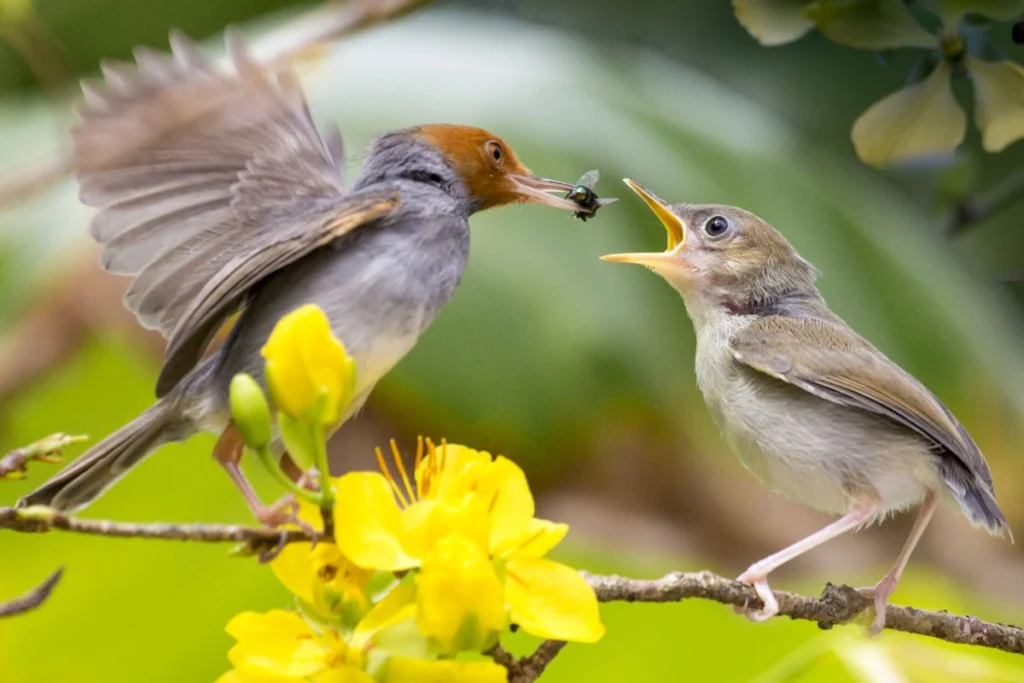
Credit: wildbloo.com
Common Feeding Mistakes
Feeding a newly hatched bird is delicate work. Mistakes can harm its growth and health. Knowing common feeding errors helps keep your bird safe and strong.
Many new bird owners overfeed or choose wrong foods. Both can cause serious problems. Understanding these risks avoids unnecessary harm and ensures proper care.
Overfeeding Risks
Giving too much food can stress a baby bird’s tiny stomach. Overfeeding may cause vomiting or choking. It can also lead to obesity and weak muscles.
Watch for signs like bloating or lethargy. Feed small, frequent amounts instead of large portions. Let the bird’s hunger guide feeding times.
Feeding Inappropriate Foods
Not all foods suit young birds. Avoid salty, sugary, or processed items. These can upset digestion or cause poisoning.
Never offer milk, bread, or human snacks. These lack necessary nutrients and harm growth. Use species-appropriate formulas or natural foods recommended by experts.
Frequently Asked Questions
What Is The Best Food For Newly Hatched Birds?
Newly hatched birds need soft, easily digestible food like soaked dog kibble, boiled eggs, or specialized formula. Avoid hard seeds or solid food until they grow feathers and develop stronger digestive systems.
How Often Should I Feed A Hatchling Bird?
Feed a hatchling bird every 15 to 20 minutes during daylight hours. Young birds have high metabolism and need frequent feeding to grow healthy and strong.
Can I Feed A Hatchling Bird With Baby Formula?
Yes, specialized bird baby formulas are safe and provide balanced nutrition. Avoid cow’s milk or human baby formula, as they lack essential nutrients for birds.
When Can Hatchling Birds Start Eating Solid Food?
Hatchlings can begin solid food around two weeks old, when feathers start growing. Introduce soft fruits, insects, or seeds gradually while monitoring their digestion.
Conclusion
Caring for a new hatched bird requires patience and knowledge. Proper food choices are crucial for its health. Start with soft, nutrient-rich foods like soaked dog biscuits or bird formula. Gradually introduce seeds and grains as it grows. Always ensure fresh water is available.
Monitor the bird’s health and growth closely. This ensures it gets the right nutrients. A balanced diet supports strong development and vitality. Remember, small changes can make a big difference. Keep learning and adapting to the bird’s needs. Your attentive care helps it thrive and flourish.