

Have you ever found a tiny, helpless baby bird on the ground and felt an overwhelming urge to help? You’re not alone.
Many people stumble upon these fragile creatures and wonder what they can do to give them the best chance at survival. One of the first and most critical questions is: What should you feed a rescued baby bird? Navigating the delicate process of caring for a baby bird can feel daunting, especially when it comes to feeding.
The wrong food could harm the bird, while the right nourishment could give it the strength to thrive. You want to do the right thing, but where do you start? The answer is simpler than you might think. By understanding the specific needs of these feathered friends, you can play a vital role in their recovery and growth. In this guide, you’ll discover safe, effective feeding tips that could make all the difference in your feathered friend’s journey back to health. Stick around and learn how you can transform uncertainty into confidence, ensuring that your new little companion gets the nourishment it needs.
Credit: besgroup.org
Identifying The Bird Species
Identifying the species of a rescued baby bird is crucial before deciding what to feed it. Different birds have unique nutritional needs and feeding methods. Misidentifying the species can lead to improper care and harm the bird’s chances of survival.
Common Rescued Baby Birds
Some bird species appear more often in rescue situations than others. Familiarizing yourself with these common types helps you quickly recognize what you’re dealing with.
- Robins:These baby birds have wide mouths and bright orange beaks. They often fall out of nests in suburban areas.
- Sparrows:Small and brown with streaky feathers, sparrows are frequent backyard visitors and rescues.
- Pigeons:Larger than sparrows, baby pigeons have soft gray feathers and a distinctive chunky body.
- Blue Jays:Recognizable by their blue plumage and crest, blue jay chicks require specific care.
- Finches:Tiny birds with conical beaks, often found in garden settings.
Have you ever wondered how different these baby birds really are just by looking at their beaks or feather patterns? These clues are your first step in providing the right food.
Diet Differences Among Species
Not all baby birds eat the same food. Some need insects, while others thrive on seeds or fruit. Understanding these differences is key to their health.
| Bird Species | Typical Diet | Feeding Notes |
|---|---|---|
| Robins | Insects and worms | Feed soft earthworms or soaked dog kibble for protein |
| Sparrows | Seeds and insects | Mix softened seeds with small insects or egg yolk |
| Pigeons | Seeds and grains | Offer soaked grains and pigeon formula if available |
| Blue Jays | Insects, nuts, and fruits | Provide a mix of chopped fruits, nuts, and protein sources |
| Finches | Seeds | Feed finely ground seeds and occasional insects |
Have you noticed how some birds need a balance of protein and seeds, while others focus more on one type? Tailoring their diet can make the difference between recovery and decline.
Immediate Care Steps
Taking immediate care of a rescued baby bird is vital for its survival. The first moments after rescue set the foundation for its health. Proper steps ensure the bird stays safe and comfortable. Knowing how to handle and warm the bird helps prevent shock and injury. Also, recognizing signs that need expert help is crucial. Quick, gentle care can make a big difference.
Safe Handling And Warmth
Handle the baby bird gently and calmly. Use soft cloth or gloves to protect it. Avoid squeezing or holding too tight. Place the bird in a small box lined with soft, dry cloth. Keep the box in a warm, quiet place away from noise and pets.
Baby birds cannot regulate body temperature well. Use a heating pad set on low under half the box. This allows the bird to move away from heat if needed. Avoid direct heat or hot water bottles to prevent burns. Keep the temperature around 85°F (29°C) for the best comfort.
When To Seek Professional Help
Look for signs that need urgent care from a wildlife rehabilitator or vet:
- Visible injuries or bleeding
- Weakness or inability to stand
- Respiratory distress or labored breathing
- Cold to touch or unresponsive
- Feather damage or deformities
Contact a licensed wildlife professional immediately. They have the skills and resources to provide proper care. Avoid feeding or giving water if unsure, as this can harm the bird. Quick professional help improves the chances of survival and recovery.
Feeding Basics For Baby Birds
Feeding a rescued baby bird requires care and attention. Baby birds need proper food for healthy growth. Their tiny bodies need nutrients that match their natural diet. Understanding feeding basics helps keep them strong and safe. Proper feeding supports their development and survival.
Appropriate Food Types
Baby birds eat different foods depending on their species. Most need soft, easy-to-digest food. Insects, worms, and soft fruits are common choices. Some species eat seeds or nectar. Use a commercial baby bird formula if unsure. Avoid solid chunks that baby birds can’t swallow.
- Soft insects like mealworms and crickets
- Mashed fruits such as bananas or apples
- Specialized baby bird formula from pet stores
- Small amounts of soaked dog or cat food in emergencies
Avoiding Harmful Foods
Some foods can harm baby birds. Avoid giving bread or milk. These cause digestive problems. Do not feed salty, sugary, or spicy items. Human snacks lack needed nutrients. Avoid raw meat or eggs. These can carry bacteria. Always provide fresh, clean water alongside food.

Credit: www.youtube.com
Preparing Homemade Bird Food
Preparing homemade bird food is a caring way to nourish a rescued baby bird. It allows control over the ingredients and ensures the food is fresh and nutritious. Using simple, natural ingredients helps mimic what birds eat in the wild. Fresh food supports healthy growth and development. Avoid processed or sugary foods, which can harm delicate birds.
Mixing the right texture is important. The food should be soft enough to swallow but not too runny. A well-balanced diet includes proteins, vitamins, and minerals. Homemade recipes can be adjusted as the bird grows and its needs change. Cleanliness during preparation is key to prevent infections.
Simple Recipes For Baby Birds
- Egg and Oatmeal Mix:Mash one hard-boiled egg and mix with cooked oatmeal. Add a few drops of water for softness.
- Soaked Dog or Cat Kibble:Soak in warm water until soft. Crush into small pieces to ease feeding.
- Mashed Banana and Baby Cereal:Blend ripe banana with plain baby cereal. This provides quick energy and nutrients.
- Boiled Chicken and Rice:Finely chop boiled chicken and mix with soft rice. This is rich in protein.
Storage And Freshness Tips
- Store homemade bird food in a clean, airtight container.
- Keep it refrigerated and use within 24 hours to maintain freshness.
- Discard any leftovers not eaten after feeding to avoid bacteria.
- Prepare small batches to reduce waste and ensure food quality.
- Wash utensils and containers thoroughly before each use.
Feeding Techniques
Feeding a rescued baby bird requires careful attention and the right techniques to ensure its survival and growth. You need to handle the feeding process gently and use tools that mimic the natural feeding environment. Understanding how often and how much to feed can make a big difference in the bird’s recovery and development.
Proper Feeding Tools
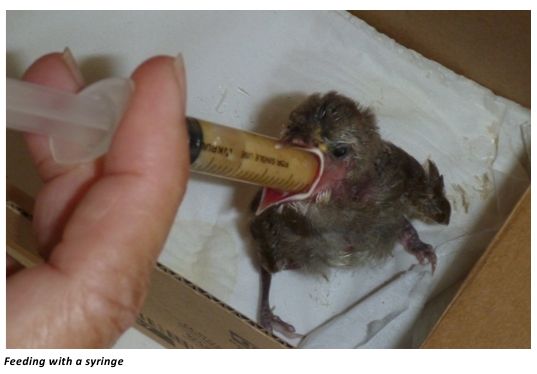
Using the right tools can make feeding easier and safer for both you and the baby bird. A small syringe or an eyedropper works well for most baby birds, allowing you to control the amount of food given. Avoid using a spoon or anything too large, as this might cause choking or stress.
Soft, flexible feeding tubes can also be helpful, especially if you have experience or guidance from a wildlife rehabilitator. Cleanliness is crucial—always sterilize your tools before each feeding to prevent infections. Have you ever noticed how delicate these tiny creatures are? The tools you choose should match their fragile size.
Feeding Frequency And Amounts
Baby birds need frequent feedings because they have fast metabolisms and small stomachs. Generally, feeding every 20 to 30 minutes during daylight hours is necessary for very young birds. As they grow, you can gradually space out the feedings to every hour or two.
Pay close attention to how much you feed. Overfeeding can be as dangerous as underfeeding. A good rule is to feed until the bird’s crop—a small pouch in their throat—feels just full but not stretched. You can gently feel the crop before and after feeding to gauge the right amount.
Have you ever tried to find the perfect balance between giving enough and not too much? It’s a challenge, but your careful observation helps the bird thrive. Keep a feeding log to track timing and amounts; it will guide you and show progress over time.
Monitoring Growth And Health
Keeping a close eye on a rescued baby bird’s growth and health is essential to ensure it thrives. Feeding alone isn’t enough; you need to monitor how the bird responds to its diet and overall care. This attention helps you spot potential problems early and adjust your care routine to support the bird’s development.
Signs Of Proper Nutrition
One clear sign your baby bird is getting the right nutrition is steady weight gain. You can weigh the bird daily using a small kitchen scale. Consistent increases in weight usually mean the diet meets its energy needs.
Look for a bright, alert bird with smooth feathers and active behavior. Dull eyes, lethargy, or fluffed-up feathers could indicate nutritional issues or illness. Also, check the bird’s droppings; they should be regular and well-formed, not watery or foul-smelling.
Have you noticed your bird chirping eagerly during feeding time? That enthusiasm often means it’s satisfied and healthy. If your bird refuses food or seems weak, it’s a sign to reassess its diet.
When To Adjust Diet
Adjust your baby bird’s diet if weight plateaus or drops over several days. This could mean the bird isn’t absorbing nutrients properly or needs more protein or fat. Try adding small amounts of suitable foods like finely mashed insects or soft fruits based on the species.
As the bird grows, its dietary needs change. For example, many baby birds require more frequent feeding early on but can move to less frequent, larger meals as they develop. Watch for changes in activity levels or feather development to guide these adjustments.
If you notice digestive upset, such as diarrhea or vomiting, pause feeding and consult a vet. Sometimes, simple tweaks in feeding technique or food temperature can make a big difference in digestion.
Transitioning To Solid Foods
Transitioning a rescued baby bird to solid foods is a delicate yet rewarding process. It marks a crucial stage where the bird moves from hand-feeding to self-feeding, gaining independence and strength. Understanding the bird’s cues and introducing new foods carefully can make this transition smooth and successful.
Recognizing Readiness
Not every baby bird is ready to try solid foods at the same time. Look for signs like increased interest in your feeding spoon or pecking motions toward food. If your bird starts to open its beak eagerly or tries to grab bits of food, it’s a good signal they’re ready.
Patience is key here. Rushing the process can cause stress or refusal to eat. Have you noticed your bird mimicking adult birds eating or showing curiosity around food? These behaviors tell you it’s time to begin the transition.
Introducing New Foods Gradually
Start by mixing soft solids with the usual formula to create a mushy texture. This helps your bird get used to the feel and taste of solid foods without overwhelming them. Offer small amounts on a shallow dish or your finger to encourage pecking.
Keep an eye on how your bird responds. If they hesitate, slow down and repeat the softer mixtures before increasing the solid content. You can try foods like mashed fruits, finely chopped veggies, or soaked pellets, depending on the species.
- Begin with soft, easy-to-digest options.
- Increase texture firmness gradually.
- Maintain regular feeding times to establish routine.
- Always provide fresh water alongside new foods.
Have you noticed a particular food your bird prefers? Offering variety can keep them interested and ensure balanced nutrition. Remember, your encouragement and calm approach can make all the difference in this learning stage.
Credit: www.petsradar.com
Frequently Asked Questions
What Is The Best Food For A Rescued Baby Bird?
The best food for a rescued baby bird depends on its species. Generally, soft, protein-rich foods like soaked dog kibble, mealworms, or specialized bird formula are ideal. Avoid bread or milk, as they can harm the bird. Always research or consult a wildlife expert before feeding.
How Often Should I Feed A Rescued Baby Bird?
Newborn baby birds need feeding every 15 to 20 minutes from sunrise to sunset. Older nestlings require feeding every 30 to 60 minutes. Consistent feeding is crucial to keep them healthy and growing. Avoid overfeeding to prevent choking or digestive issues.
Can I Feed A Rescued Baby Bird With Milk Or Bread?
No, never feed milk or bread to a rescued baby bird. Milk can cause digestive problems, and bread lacks necessary nutrients. Instead, provide species-appropriate food like soaked dog kibble or commercial bird formula. Proper nutrition ensures the bird’s survival and healthy development.
How Do I Prepare Homemade Food For Baby Birds?
To prepare homemade baby bird food, soak dog kibble in water until soft. Mash it finely for easy swallowing. You can also use cooked egg yolk or mealworms. Avoid seasoning or additives. Fresh, soft, protein-rich food supports the bird’s growth and health.
Conclusion
Feeding a rescued baby bird takes care and patience. Use soft, easy-to-digest foods often. Keep the bird warm and safe during feeding. Avoid giving harmful human foods or water directly. Watch the bird’s health and growth closely. Consult wildlife experts for the best care advice.
Helping a baby bird survive feels rewarding. Every small effort makes a big difference. Your kindness gives the bird a chance to live. Keep learning and caring for these fragile creatures. Rescue work helps nature stay strong and alive.