

Are you wondering what to feed your thrush bird to keep it healthy and happy? You’re not alone.
Many bird enthusiasts are eager to ensure their feathered friends receive the best nutrition possible. Thrush birds, with their melodious songs and vibrant energy, deserve a diet that supports their unique needs. Feeding your thrush the right foods can enhance its vitality and even improve its singing abilities.
Stick around to discover the perfect diet plan for your thrush bird, and learn how simple changes in its food can lead to a more joyful and lively pet. Unlock the secrets to a thriving thrush with our easy-to-follow guide.
Credit: besgroup.org
Thrush Diet Basics
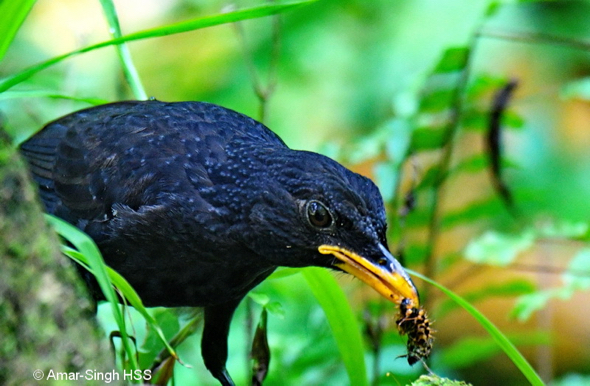
Thrush birds eat a variety of foods that keep them healthy and active. Their diet mainly includes natural items found in their environment. Understanding what thrushes eat helps in supporting these birds whether in the wild or your garden. Their diet changes depending on the season and food availability.
Natural Food Sources
Thrushes feed on many natural foods such as:
- Insects like beetles, worms, and caterpillars
- Small snails and slugs
- Fruits such as berries, cherries, and apples
- Seeds and nuts during tougher months
They forage on the ground and in bushes. This variety gives them energy and nutrients.
Seasonal Variations
Thrush diets change with the seasons. In spring and summer, they eat mostly insects and worms. These foods provide protein for raising their young.
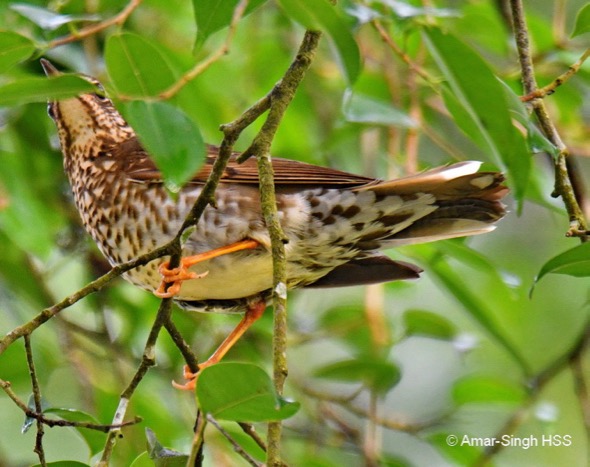
In autumn and winter, fruits and berries become important. These foods offer energy and help thrushes survive cold months. Sometimes, they also eat seeds when other foods are scarce.
Credit: besgroup.org
Fruits For Thrushes
Fruits are a favorite treat for thrushes, offering natural sugars and nutrients that help them stay active and healthy. Including a variety of fruits in your feeding routine can attract these beautiful birds to your garden. But not every fruit is safe or suitable, so knowing which ones to offer is key to supporting their diet without harm.
Berries And Soft Fruits
Thrushes love berries and soft fruits because they are easy to eat and packed with energy. Blueberries, raspberries, and blackberries are excellent choices that you can easily provide. Soft fruits like sliced apples, pears, and bananas also work well, especially when the skin is removed or softened.
When I started leaving out fresh berries near my birdbath, I noticed more thrushes visiting daily. They seemed to prefer the juicy blueberries, which were quick to disappear. This simple addition made my garden a mini haven for these birds.
Safe Fruits To Avoid Harm
Not all fruits are safe for thrushes. You should avoid grapes with seeds, citrus fruits like oranges or lemons, and any fruit treated with pesticides. Always wash fruits thoroughly before offering them and cut them into manageable pieces to prevent choking.
Here’s a quick list of safe fruits you can feed thrushes:
- Blueberries
- Raspberries
- Blackberries
- Apples (peeled and sliced)
- Pears (peeled and sliced)
- Bananas (soft and mashed)
- Cherries (pitted)
Have you ever thought about how the fruit you choose could affect the health of your local birds? Offering the right fruits can make a big difference in their survival, especially during colder months when food is scarce.
Insects And Protein
Insects provide thrush birds with essential protein for energy and growth. Protein helps build strong muscles and supports their immune system. Thrushes naturally eat many insects, making this a vital part of their diet. Feeding them a variety of insects mimics their natural food sources.
Common Insect Choices
- Mealworms: Easy to find and rich in protein
- Crickets: Provide good nutrition and encourage natural foraging
- Beetles: Offer variety and are commonly eaten by wild thrushes
- Flies: Small and easy for thrushes to catch
- Aphids: Soft-bodied insects that are gentle on young birds
Supplementing With Worms
Worms are an excellent source of protein and moisture. Earthworms are especially favored by thrushes in the wild. They are easy to digest and full of nutrients. Offering worms can help keep thrush birds healthy and active. You can provide live or dried worms, depending on availability.
Seeds And Grains
Seeds and grains form a vital part of a thrush bird’s diet. They provide essential nutrients and energy that help these birds stay active and healthy. But not all seeds and grains are created equal, so knowing which ones to offer is key.
Preferred Seeds
Thrushes enjoy a variety of seeds that are easy to digest and rich in nutrients. Sunflower seeds rank high on their list—they are packed with healthy fats and proteins. Millet is another favorite; its small size makes it perfect for thrushes to pick up quickly.
Other good options include:
- Safflower seeds – low in oil, easy on the digestive system
- Nyjer seeds – tiny and nutrient-dense, great for small birds
- Hulled oats – provide fiber and energy
Offering a mix of these seeds can keep your visiting thrushes satisfied and coming back for more. Have you noticed which seeds your local birds prefer?
Avoiding Harmful Grains
Not every grain is safe or healthy for thrush birds. Avoid feeding them grains that are treated with pesticides or contain additives. Corn and wheat, while common, can sometimes cause digestive issues if given in excess.
Grains with hard shells or hulls, like untreated whole corn kernels, may be difficult for thrushes to crack open. Also, stay away from salty or flavored seeds as these can harm their delicate systems.
Keeping an eye on what you feed ensures the thrushes stay healthy and vibrant. What steps can you take to make sure your bird feeder is a safe dining spot?
Water And Hydration
Water is essential for thrush birds’ health and survival. It keeps their bodies cool and helps digestion. Proper hydration supports their energy and singing. Providing fresh water encourages thrushes to visit your garden or yard.
Providing Clean Water
Always offer clean, fresh water for thrush birds. Change the water daily to avoid germs and algae. Use shallow dishes or birdbaths with a depth of 1 to 2 inches. Place water containers in safe, quiet areas away from predators.
Use materials like ceramic or metal for easy cleaning. Avoid deep bowls as thrushes may struggle to drink safely. Add small stones or pebbles to the water dish for better footing. Clean containers weekly with mild soap and water to maintain hygiene.
Water Sources In Nature
Thrush birds find water in natural places such as:
- Streams and rivers
- Puddles after rain
- Dew on leaves
- Wet soil or mud
These natural sources offer hydration and sometimes food like insects. Protect natural water spots by keeping areas clean and pesticide-free. Thrushes also bathe in shallow water to keep feathers healthy and free from parasites.
Feeding Tips For Wildlife
Feeding wildlife like thrush birds requires care and attention. Proper feeding helps these birds stay healthy and active. It also supports their natural habits without causing harm. Here are some tips to feed thrush birds safely and correctly.
Feeding Frequency
Offer food regularly but avoid overfeeding. Twice a day is enough to keep thrush birds nourished. Feed in the early morning and late afternoon. This timing matches their natural feeding routines. Keep food fresh and remove leftovers to prevent spoilage.
Safe Feeding Practices
Choose clean, dry places to put food. Use shallow dishes or bird feeders to avoid drowning risks. Wash feeders and dishes often to stop germs from spreading. Avoid foods with salt, sugar, or preservatives. Natural fruits, insects, and seeds work best for thrush birds.
Foods To Avoid
Knowing what not to feed a thrush is as important as knowing what to feed it. Certain foods can harm these birds and cause health problems. Avoid feeding anything that might be toxic or unhealthy for thrushes. This keeps them safe and thriving in your garden or backyard.
Toxic Foods
- Avocado – Contains persin, which is harmful to birds
- Chocolate – Contains theobromine, toxic to thrushes
- Caffeine – Found in coffee and tea; dangerous for birds
- Onions and garlic – Can cause digestive issues and anemia
- Raw beans – Contain toxins that can affect the bird’s health
- Alcohol – Very toxic and should never be given to birds
Human Snacks To Skip
- Salty chips – Too much salt can harm thrushes
- Sugary sweets – Lead to poor nutrition and illness
- Processed foods – Often contain harmful additives and preservatives
- Bread – Lacks nutrients and can cause digestive problems
- Fatty foods – Difficult for thrushes to digest properly

Credit: www.thewoodthrushshop.com
Frequently Asked Questions
What Is The Best Food For Thrush Birds?
Thrush birds thrive on a diet of fruits, berries, insects, and earthworms. Fresh berries like blueberries and blackberries provide essential nutrients. Insects offer protein, vital for their energy. Providing a mix of these foods supports their natural feeding habits and health.
Can Thrush Birds Eat Bread Or Seeds?
Bread is not recommended as it lacks nutrients and can harm thrush birds. Seeds can be offered, but only those naturally part of their diet, like sunflower seeds. Always prioritize fresh fruits and insects to keep their diet balanced and nutritious.
How Often Should I Feed Thrush Birds In My Garden?
Feed thrush birds daily, especially during breeding and winter seasons. Consistent food supply helps them survive harsh weather and supports their energy needs. Offer fresh food early in the morning or late afternoon for best results.
Are Thrush Birds Attracted To Specific Fruits?
Yes, thrush birds prefer soft, juicy fruits such as apples, pears, and berries. These fruits provide hydration and essential vitamins. Planting berry bushes or placing fresh fruit in your garden encourages thrush visits.
Conclusion
Feeding thrush birds helps them stay healthy and strong. They enjoy fruits, insects, and seeds daily. Fresh water nearby makes them feel safe and welcome. Keep their food clean and change it often. Watching these birds eat brings joy and peace.
Small efforts can help thrushes thrive in your yard. Try feeding them regularly to see them return. Caring for wildlife is simple and rewarding. Give nature a little help, and it will thank you.