

Imagine finding a tiny, helpless baby bird, just a week old, chirping weakly for food. Your heart goes out to this fragile creature, and you instinctively know that its survival could depend on you.
But what do you feed a week-old baby bird? The answer might not be as straightforward as you think. In this guide, you’ll discover the essentials of caring for these delicate creatures. You’ll learn how to provide the right nutrition to help them thrive.
This is crucial because the wrong diet can harm their fragile systems. Unlock the secrets to nourishing them properly, ensuring they grow strong and healthy. Stay with us as we dive into the specifics of feeding a week-old baby bird. Whether you’re a nature enthusiast or someone who stumbled upon a needy chick, this information is invaluable. Let’s ensure you have the confidence to help these little birds take their first steps—or rather, flights—toward a healthy life.
Signs A Baby Bird Needs Feeding
Knowing when a baby bird needs feeding is crucial for its survival. Baby birds cannot wait long for food. They show clear signs when they are hungry or unwell. Recognizing these signs helps you provide timely care. This section explains how to spot hunger cues and health indicators.
Identifying Hunger Cues
- The baby bird opens its mouth wide and repeatedly.
- It makes soft, continuous chirping sounds.
- The bird stretches its neck upward eagerly.
- Wings may flutter gently as it waits for food.
- It may nudge or peck at your fingers or nearby objects.
Health Indicators To Watch
- Look for bright, clear eyes; dull eyes signal trouble.
- Check if the bird is alert or unusually quiet.
- Observe the breathing; heavy or noisy breathing is a concern.
- Watch the skin color; pale or blue tint indicates distress.
- Note any unusual droppings or lack of waste output.
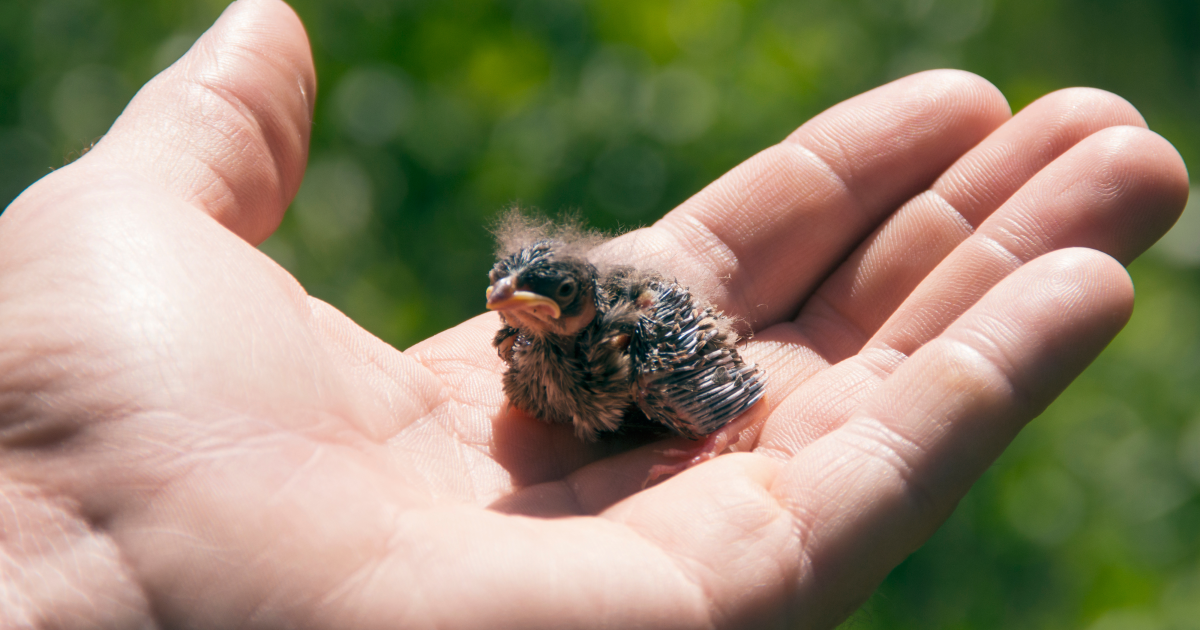
Credit: pethelpful.com
Safe Food Options For Baby Birds
Feeding a week-old baby bird requires careful attention. Their tiny bodies need gentle, nutritious food to grow strong. Choosing safe food options helps avoid health problems and supports proper development.
Baby birds need soft, easily digestible foods. The diet must provide proteins, fats, vitamins, and minerals. Water content is also important to keep them hydrated.
Recommended Diet For Week-old Birds
- Soft insects like mealworms and small crickets, finely chopped
- Boiled and mashed egg yolk for protein and fat
- Commercial hand-feeding formula made for baby birds
- Moistened dog or cat kibble, ground into a fine powder
- Small amounts of plain cooked rice or oatmeal, softened with water
- Mashed fruits such as banana or apple, in tiny amounts
Feed in small portions often. Use a syringe or dropper to feed gently. Keep food warm but not hot.
Foods To Avoid
- Milk and dairy products — hard to digest for birds
- Raw meat or fish — risk of bacteria and parasites
- Seeds and nuts — may cause choking or be too hard
- Salty, sugary, or processed human foods
- Avocado — toxic for many bird species
- Onions, garlic, and chocolate — harmful to birds
- Anything with caffeine or alcohol
Preparing Food For Feeding
Preparing food for a week-old baby bird is a delicate task that requires attention and care. Your goal is to provide nourishment that mimics what the mother bird would offer, supporting healthy growth and development. Getting the formula right not only helps the bird thrive but also makes feeding a smoother experience for you.
How To Make A Suitable Formula
Start with a base that is easy to digest and rich in nutrients. You can use a mix of soaked dog kibble or high-quality baby bird formula powder combined with warm water. Avoid cow’s milk as it lacks the necessary nutrients and can upset the baby bird’s stomach.
Here is a simple recipe to try:
| Ingredient | Amount |
|---|---|
| Soaked dog kibble (softened) | 2 tablespoons |
| Warm water | 4 tablespoons |
| Hard-boiled egg yolk (mashed) | 1 teaspoon |
Mix these ingredients until you get a smooth, creamy consistency. Using a blender can help achieve the right texture quickly. Are you wondering if you should add vitamins? Only do so if advised by a vet, as too many supplements can harm the tiny bird.
Food Texture And Temperature Tips
Texture is crucial. The formula should be smooth but not too watery. If it’s too thick, the baby bird may struggle to swallow and could choke. If it’s too thin, it won’t provide enough nutrition or energy.
Temperature matters just as much. The food should be warm, around 100-105°F (37-40°C), which matches the warmth the baby bird would receive from its mother. Use a thermometer or test a drop on your wrist—it should feel comfortably warm, not hot.
Feeding cold or hot food can cause digestive problems. Have you ever tried feeding something too hot or too cold to a baby? You know how quickly they reject it. The same principle applies here—finding the right temperature keeps the feeding time calm and successful.

Credit: www.youtube.com
Feeding Techniques And Tools
Feeding a week-old baby bird needs care and the right tools. Proper techniques help the baby bird eat safely and grow strong. Using gentle tools and correct posture makes feeding easier and less stressful for both you and the bird.
Using Syringes And Pipettes
Syringes and pipettes are useful tools for feeding baby birds. They let you control the food amount and speed. Choose a small syringe or pipette with a soft tip to avoid hurting the bird.
- Fill the syringe or pipette with warm, soft food.
- Gently place the tip near the bird’s mouth.
- Slowly push the plunger to release small drops.
- Allow the bird to swallow before giving more food.
Never force food into the bird’s mouth. Small, slow feeding prevents choking and stress.
Proper Feeding Posture
Hold the baby bird carefully to keep it safe during feeding. Support its body gently but firmly. Keep the bird upright or slightly tilted forward. This posture helps the bird swallow food easily and breathe well.
- Use one hand to support the bird’s chest and feet.
- Keep the head steady but not forced back.
- Avoid squeezing or applying pressure on the bird’s body.
Stay calm and patient. Feeding time should be quiet and gentle to avoid scaring the bird.
Feeding Schedule And Quantity
Feeding a week old baby bird requires careful attention to timing and amounts. Proper feeding helps the bird grow strong and healthy. The schedule must match the bird’s natural needs. Quantity matters to avoid hunger or overeating. A clear plan supports steady development and wellbeing.
How Often To Feed
Baby birds need frequent feedings. At one week old, feed every 2 to 3 hours. Include night feedings to prevent hunger. Watch the bird’s behavior for hunger signs. Crying or opening its mouth wide means it needs food. Avoid long gaps between feedings. Consistency is key for their growth.
Portion Sizes For Growth
Start with small amounts of food. The size depends on the bird’s species and weight. Offer enough to fill the crop without overfilling. Overfeeding can cause health issues. Use a small syringe or dropper for control. Increase portions gradually as the bird grows. Track the bird’s weight to adjust food volume. Proper portions help the bird gain weight steadily.

Credit: www.amazon.com
Hygiene And Safety Practices
Keeping a week old baby bird healthy means focusing on hygiene and safety. Clean feeding tools and careful habits protect the bird from harm. Birds are very delicate. Germs can cause serious illness fast. Every feeding moment needs attention to cleanliness. This helps the baby bird grow strong.
Sanitizing Feeding Equipment
Always wash bottles, syringes, or spoons before use. Use hot water and mild soap to clean them well. Rinse thoroughly to remove soap residue. Boil the equipment for a few minutes to kill germs. Let tools air dry on a clean towel. Avoid using harsh chemicals that might harm the baby bird.
Preventing Infections
Wash your hands before and after feeding the bird. Keep the feeding area clean and dry. Use fresh food for every feeding to stop bacteria growth. Do not share feeding tools with other birds. Watch the baby bird for signs of illness, such as swelling or discharge. Seek advice from a vet if infection appears.
When To Seek Veterinary Help
Knowing when to seek veterinary help is key to saving a baby bird’s life. Baby birds are fragile and can get sick fast. Early veterinary care can prevent serious problems.
Watch the bird closely for any unusual signs. Quick action gives the best chance for recovery. Do not wait if something seems wrong.
Signs Of Illness
- Weakness or limpness
- Refusing to eat or drink
- Labored or noisy breathing
- Swollen or red eyes
- Discharge from the beak or nostrils
- Unusual droppings or diarrhea
- Fluffed up feathers or constant shivering
- Inactivity or unusual sleeping
Emergency Care Tips
- Keep the bird warm using a soft cloth or heating pad
- Handle the bird gently and avoid stress
- Offer small amounts of water with a dropper if it can’t drink
- Do not try to feed solid food if the bird is weak
- Contact a veterinarian immediately for advice and treatment
- Transport the bird in a quiet, secure box
Frequently Asked Questions
What Should I Feed A Week Old Baby Bird?
Feed a week-old baby bird with a specialized formula or softened dog/cat food. Avoid bread or milk, which can harm them. Frequent feeding, every 15-20 minutes during daylight, is essential for their growth and hydration.
How Often To Feed A Week Old Baby Bird?
Feed the baby bird every 15-20 minutes from dawn to dusk. Consistent feeding keeps the bird hydrated and nourished. As the bird grows, gradually increase the time between feedings.
Can I Feed Insects To A Week Old Baby Bird?
Yes, you can feed small, soft insects like mealworms or crickets. They provide essential protein for growth. Ensure insects are chopped into tiny pieces to prevent choking.
Is Water Necessary For A Week Old Baby Bird?
No direct water is needed; hydration comes from moist food. Too much water can cause health issues. Keep food moist and ensure the bird is well-fed.
Conclusion
Feeding a week-old baby bird takes care and attention. Use soft, small food that matches the bird’s needs. Keep feeding often to help it grow strong. Stay patient and watch for signs of health. Clean water and a warm place matter too.
With proper care, the little bird will thrive. Remember, gentle hands and the right food make a big difference. Helping baby birds is rewarding and important. Keep learning and caring to give them the best start.