

Finding an abandoned bird can tug at your heartstrings and spark the urge to help. You might wonder what to feed this fragile creature to keep it safe and healthy.
Knowing the right food is crucial, and it can make all the difference in its survival. Imagine the relief you’ll feel, knowing you’ve given it the best chance to thrive. You’re about to discover simple yet effective feeding tips that could transform you into a hero for an abandoned bird.
Ready to unlock these secrets and ensure you’re making the right choices? Let’s dive in and explore what you can do to nurture this little life.
Credit: besgroup.org
Identifying Bird Species
Identifying the species of an abandoned bird is key to providing the right care and nutrition. Each bird has unique dietary needs, and feeding the wrong food can harm their health. Take a moment to observe their size, color, and beak shape to get clues about their species.
Common Abandoned Birds
You might come across several types of abandoned birds, especially in urban and rural areas. Some of the most frequent include:
- Baby pigeons (squabs)– Often found in cities, they have soft gray feathers and a wide beak.
- Robins– Small birds with a distinctive red or orange breast.
- Sparrows– Tiny birds with brown and gray feathers, common in backyards.
- Finches– Small, colorful birds with short, stout beaks.
Have you ever noticed how different a baby crow looks compared to a finch? Identifying these subtle differences can make a big difference in the care you provide.
Dietary Needs By Species
Each species requires specific nutrients and food types. Feeding a baby pigeon bread might seem helpful, but it lacks the protein pigeons need to grow strong.
| Bird Species | Recommended Food | Foods to Avoid |
|---|---|---|
| Baby Pigeon (Squab) | Soaked dog food, pigeon pellets, mashed peas | Bread, milk, seeds |
| Robin | Soft fruits, mealworms, finely chopped insects | Bread, dairy, processed foods |
| Sparrow | Cracked seeds, insects, soaked grains | Whole seeds (too hard), bread |
| Finch | Small seeds, fresh fruits, insect larvae | Large seeds, salty snacks |
Have you tried feeding a bird something unfamiliar and watched it refuse? That’s nature’s way of guiding us toward the right food. Understanding these specific needs helps you support their growth and chances of survival.

Credit: www.reddit.com
Safe Foods For Birds
Feeding an abandoned bird requires careful attention to what you offer. Not all foods are safe, and choosing the right ones can make a big difference in their recovery and well-being. Let’s look at some safe options that provide essential nutrients and energy.
Seeds And Grains
Seeds and grains are a natural part of many birds’ diets. Sunflower seeds, millet, and cracked corn are usually safe and loved by most species.
Try to provide a mix rather than just one type. This variety ensures your bird gets a balance of nutrients and keeps meals interesting.
Fruits And Vegetables
Fresh fruits and vegetables offer vital vitamins and hydration. Apples (without seeds), berries, and peeled carrots are excellent choices.
Be cautious with citrus fruits and avoid avocado, as they can be harmful. Chop everything into small, manageable pieces to make eating easier for the bird.
Protein Sources
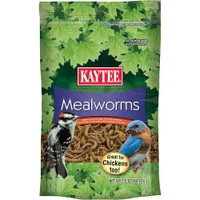
Protein is crucial, especially for young or injured birds. You can offer hard-boiled eggs, mealworms, or finely chopped cooked chicken.
Providing protein helps with feather growth and muscle repair. Always avoid processed meats or anything with seasoning.
Foods To Avoid
Feeding an abandoned bird requires careful attention to what you offer. Some foods can be more harmful than helpful, causing serious health problems or even death. Knowing which foods to avoid will help you protect the bird and support its recovery.
Toxic Human Foods
Many common human foods are dangerous for birds. Chocolate, for example, contains substances that can poison birds quickly. Even small amounts of caffeine found in coffee or tea can cause heart problems.
Onions and garlic may seem harmless but can damage a bird’s red blood cells. Avoid salty snacks, sugary treats, and processed foods—they offer no nutritional value and can upset the bird’s digestive system. Have you ever thought about how a simple piece of avocado could be deadly? Yes, it contains persin, which is toxic to many bird species.
Harmful Plants And Seeds
Not all plants and seeds are safe for birds, even if they look natural. Apple seeds contain cyanide and should never be fed to birds. Also, avoid rhubarb leaves and tomato leaves, which can cause poisoning.
Many wild berries might look inviting but can be toxic depending on the species. If you find a bird near a bush or tree, don’t assume the fruits are safe. When in doubt, stick to bird-safe fruits like berries that are known to be safe or commercial bird feed designed to meet their dietary needs.
Credit: www.petsradar.com
Feeding Techniques
Feeding abandoned birds requires patience and care. The way you offer food can affect how well they accept it and how quickly they recover. Using the right feeding techniques helps the bird feel safe and nourished, increasing their chances of survival.
Hand Feeding Tips
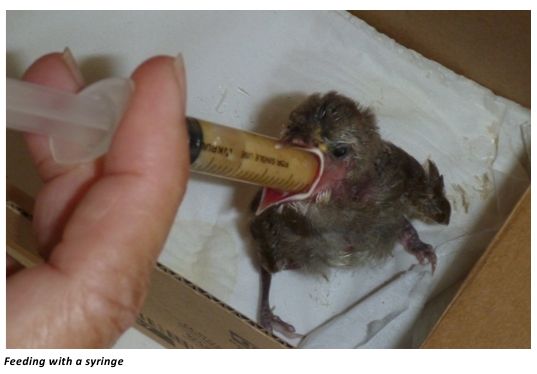
Hand feeding a young or injured bird can be challenging but rewarding. Start by offering small pieces of soft food like soaked dog kibble or mashed fruits. Use tweezers or your fingers gently to place the food near the bird’s beak.
Watch the bird’s reaction carefully. If it refuses, don’t force it—try again after a short break. Keep your movements slow and calm to avoid frightening the bird.
Stay consistent with feeding times. Birds get used to routine and feel more comfortable when they know when to expect food. Also, clean your hands and tools before each feeding to prevent infection.
Using Feeders Safely
If hand feeding isn’t possible, using feeders can be a good alternative. Choose feeders that are easy to clean and safe from predators. Avoid feeders with sharp edges or small openings that could trap the bird.
Place feeders in quiet, sheltered spots. This helps the bird eat without stress or distraction. Check the feeders regularly to keep food fresh and prevent mold growth.
- Use shallow dishes for water and food to avoid drowning hazards.
- Keep feeders away from busy areas to reduce stress for the bird.
- Clean feeders frequently to stop bacteria build-up.
Have you noticed how some birds prefer certain feeder types over others? Observing these preferences can help you adjust your setup to better support the bird’s needs.
Hydration Needs
Water is crucial for the survival of abandoned birds. It helps regulate their body temperature and supports digestion. Birds can quickly become weak without enough hydration. Providing clean, fresh water is one of the best ways to care for them. Understanding hydration needs ensures better chances of recovery for these vulnerable creatures.
Fresh Water Importance
Fresh water must be available at all times for abandoned birds. It keeps them healthy and active. Change the water daily to avoid bacteria growth. Use a shallow dish to prevent drowning risks. Birds drink small amounts often, so refilling regularly is key.
Avoiding Contaminants
Contaminated water can harm birds and cause illness. Avoid using water from ponds or puddles. These sources may contain parasites or chemicals. Always provide clean tap water or filtered water. Keep water dishes away from dirt and droppings. Clean the dish daily with mild soap and rinse well.
When To Seek Help
Knowing when to seek help for an abandoned bird can be the difference between life and death. It’s not always obvious if a bird just needs a little rest or if it’s suffering from serious issues like malnutrition or injury. Paying close attention to certain signs can guide you to act wisely and get the bird the expert care it truly needs.
Signs Of Malnutrition
Malnutrition in birds shows up in subtle and clear ways. You might notice the bird is unusually thin, with feathers looking dull or falling out. Its energy level may drop sharply—it might sit quietly without moving much or seem weak when trying to fly.
Other signs include:
- Visible breastbone due to loss of muscle mass
- Swollen abdomen or an empty crop (the pouch where food is stored before digestion)
- Repeated begging for food even after feeding attempts
Have you ever tried feeding a bird only to see it refuse or look exhausted? This often signals something more serious than hunger.
Contacting Wildlife Experts
If you spot these warning signs, don’t hesitate to reach out to wildlife professionals. They have the training and tools to assess the bird’s health accurately. Calling a local wildlife rehabilitation center or a veterinarian who specializes in wild birds should be your next step.
Keep these tips in mind when contacting experts:
- Provide clear details about the bird’s condition and location
- Follow their instructions carefully—sometimes, they may advise you to keep the bird warm and quiet until help arrives
- Avoid feeding or handling the bird too much, as stress can worsen its condition
Remember, your quick action and the right support can give that abandoned bird a real chance at survival. What would you do if you found a bird showing these signs in your backyard?
Frequently Asked Questions
What Should I Feed An Abandoned Baby Bird?
Feed abandoned baby birds with soaked dog or cat kibble. You can also offer mashed boiled eggs or baby bird formula. Avoid milk and bread. Always provide small, frequent meals to mimic natural feeding patterns.
Can I Give Bread To An Abandoned Bird?
No, bread lacks necessary nutrients and can harm birds. It causes malnutrition and digestive issues. Instead, offer seeds, insects, or specially formulated bird food to ensure proper nourishment.
How Often Should I Feed An Abandoned Bird?
Feed abandoned birds every 15-20 minutes during daylight hours. Young birds require frequent feeding to maintain energy and growth. Adjust feeding frequency as the bird grows older.
Is Water Necessary For Feeding Abandoned Birds?
Yes, but cautiously. Offer a few drops of water using a dropper. Avoid forcing water to prevent choking. Most hydration comes from moist food in early stages.
Conclusion
Feeding an abandoned bird needs care and patience. Offer seeds, soft fruits, and clean water daily. Avoid giving bread or milk as they harm birds. Watch the bird’s behavior and adjust food if needed. Remember, gentle handling helps the bird feel safe.
Rescue groups can offer expert help if unsure. Small steps can make a big difference in the bird’s life. Keep learning and caring to give the bird the best chance. Every act of kindness counts.