

Finding a baby bird on the ground can tug at your heartstrings and stir a flurry of questions. You might be wondering: “What should I feed this tiny creature?”
Your instincts to help are spot-on, but knowing the right steps can make all the difference in ensuring the bird’s survival and well-being. In this guide, you’ll discover exactly what to do when you come across a baby bird out of its nest.
The stakes are high, and the little life in your hands depends on your next move. So, if you’re eager to learn how to provide the best care, keep reading to unlock the secrets of proper feeding and nurturing.
Identifying Baby Bird Species
Identifying the species of a baby bird is crucial before feeding it. Different birds have varied diets and care needs. Recognizing the species helps provide the right food and environment. This improves the chances of the bird’s survival and healthy growth.
Common Nestling Types
- Altricial Birds:These hatchlings are born blind and featherless. Examples include robins, sparrows, and finches.
- Precocial Birds:Born with feathers and open eyes. They can walk shortly after hatching. Examples include ducks and quails.
- Semi-Altricial Birds:These fall between the two groups. They hatch with some feathers but still need care. Examples include hawks and owls.
Feeding Needs By Species
| Species Type | Diet | Feeding Frequency |
|---|---|---|
| Altricial | Soft insects, worms, and small bits of meat | Every 15-20 minutes during the day |
| Precocial | Seeds, grains, and small insects | Several times a day |
| Semi-Altricial | Meat-based diet with insects and small animals | Every 30 minutes to 1 hour |
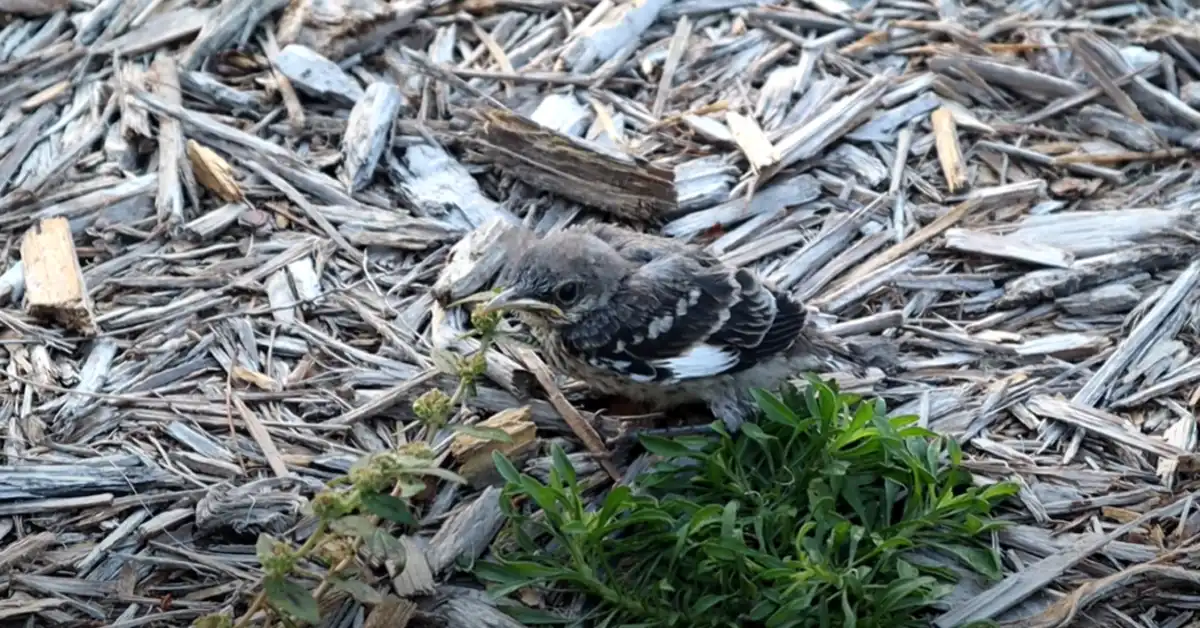
Credit: www.earthofbirds.com
Immediate Steps After Finding A Baby Bird
Finding a baby bird that has fallen from its nest can be a shocking experience. Your immediate actions can make a big difference in its survival. Before rushing to feed or care for it, take a moment to understand what the bird needs right now.
Assessing Health And Injuries
Look closely at the baby bird for any visible injuries such as bleeding, broken wings, or swelling. Check if it is warm and responsive; a cold or lethargic bird may need urgent warmth and help. If the bird seems seriously hurt, contacting a wildlife rehabilitator or veterinarian is your best move.
Sometimes, a bird might just be stunned or tired. Gently placing it in a small box with soft cloth can keep it safe while you decide the next step. Avoid giving food or water until you’re sure it’s healthy enough to eat, as this can cause choking or other complications.
When To Return To The Nest
Not every fallen baby bird needs rescue away from the nest. If the nest is within reach and the bird looks unharmed, try returning it carefully. Parent birds usually continue to care for their young, even after brief human contact.
Watch quietly from a distance to see if the parents come back. If they do, it’s a good sign the bird is safe in the nest. However, if the nest is destroyed or out of reach, creating a temporary substitute nearby can help while you seek professional advice.
Have you ever paused and asked yourself if your help might do more harm than good? Observing first can prevent unnecessary intervention and give the baby bird the best chance to thrive naturally.
Safe Feeding Practices
Feeding a baby bird that fell out of its nest requires careful attention. Safe feeding practices help ensure the bird grows healthy and strong. Avoid giving harmful foods or wrong amounts. Proper feeding supports its natural development and survival chances.
Suitable Foods For Baby Birds
- Soft, small insects like mealworms or crickets
- Boiled eggs, mashed finely
- Commercial baby bird formula available at pet stores
- Moistened dog or cat kibble, crushed into tiny pieces
- Small bits of fruit such as apples or berries, without seeds
Foods To Avoid
- Milk or dairy products, as birds cannot digest them
- Salted or seasoned human food
- Whole seeds or nuts that can cause choking
- Avocado, chocolate, caffeine, and alcohol which are toxic
- Hard bread or crackers that are difficult to swallow
Feeding Frequency And Amounts
Feed baby birds every 15 to 20 minutes during daylight hours. Young birds need many small meals to stay healthy. Use a small syringe or dropper to control portions. Stop feeding before the bird shows fullness or refuses food. Overfeeding can cause choking or illness.

Credit: www.reddit.com
Feeding Techniques
Feeding a baby bird that has fallen out of its nest requires careful attention and gentle handling. Your approach can impact the bird’s survival and growth. Understanding proper feeding techniques ensures you provide the right nutrition safely and effectively.
Hand-feeding Methods
Hand-feeding a baby bird means you become its temporary parent. Use a small syringe or dropper to offer food in tiny, manageable amounts. Keep the bird calm by holding it gently in your palm or on a soft cloth.
Feed small portions frequently—every 15 to 20 minutes during daylight hours for very young birds. Watch the bird’s response closely; if it turns away or closes its mouth, it might be full or stressed. Never force food, as this can cause choking or harm.
Try mimicking the natural feeding rhythm you observe in wild birds. This helps the baby bird adjust and feel secure. Have you noticed how patient wild birds are? You’ll need to match that patience to succeed.
Using Feeding Tools Safely
Choosing the right feeding tools is crucial to avoid injury or infection. Use clean, sterilized droppers or feeding syringes designed for small animals. Avoid sharp or rigid tools that can hurt the bird’s fragile mouth.
Always warm the food to about body temperature before feeding—too cold or hot can cause digestive problems. Hold the tool gently but firmly to control the flow of food and prevent spills or aspiration.
Clean your feeding tools thoroughly after each use to prevent bacteria buildup. Have you prepared a dedicated feeding kit? Keeping everything organized makes the feeding process smoother and safer for both you and the bird.
Maintaining Warmth And Shelter
Keeping a baby bird warm and safe is very important after it falls out of its nest. Young birds cannot control their body heat well. They need a cozy place that mimics their natural nest. Proper warmth and shelter help the bird stay healthy and calm. This section covers how to create a temporary nest and the best environment for the bird’s safety.
Creating A Temporary Nest
Use a small box or container as a base for the nest. Line it with soft materials like clean cloth, paper towels, or dry grass. Avoid materials that can tangle the bird’s legs or feathers. The nest should be deep enough to hold the bird safely but not too large. Place the bird gently inside to avoid stress or injury.
Ideal Temperature And Environment
Baby birds need warmth similar to their mother’s body heat. Keep the temperature between 85°F and 90°F (29°C to 32°C). Use a heating pad set on low beneath half of the nest box. This allows the bird to move if it gets too warm. Avoid direct heat sources like lamps or hot water bottles that can cause burns. Place the nest in a quiet, draft-free area away from pets and loud noises.
When To Seek Professional Help
Knowing when to seek professional help is crucial if you find a baby bird that has fallen out of its nest. Some situations are beyond simple feeding and care, and delaying expert intervention can harm the bird’s chances of survival. Understanding the signs that indicate distress or illness will guide you in making the right call quickly.
Signs Of Distress Or Illness
Watch closely for these warning signs that the baby bird needs immediate attention:
- Weakness or lethargy:The bird is too weak to move or respond to stimuli.
- Visible injuries:Bleeding, broken wings, or a swollen body.
- Labored breathing:Rapid or heavy breathing, open-mouth breathing, or gasping.
- Abnormal posture:Head drooping, wings hanging down, or inability to perch.
- Unusual noises:Constant crying or silence when it usually chirps.
If you notice any of these signs, don’t try to care for the bird on your own. These symptoms often indicate serious health issues that require professional treatment.
Contacting Wildlife Rehabilitators
Finding a licensed wildlife rehabilitator should be your next step when the baby bird shows distress or you are unsure how to care for it. These experts have the training and resources to provide proper medical care and ensure the bird’s safe return to the wild.
Reach out to local animal rescue centers, bird sanctuaries, or wildlife rehabilitation organizations. Many of them offer advice over the phone and can guide you on immediate steps to take before you bring the bird in.
Have you ever thought about how critical timing is? A quick call could save the bird’s life. Keep contact numbers handy and act fast when you find a fallen baby bird.

Credit: www.petsradar.com
Frequently Asked Questions
What Is Safe Food For A Baby Bird Fallen From Nest?
Feed small insects like mealworms or finely chopped boiled eggs. Avoid milk or bread as they harm birds. Use a dropper to feed gently every 20-30 minutes during daylight.
How Often Should I Feed A Baby Bird Out Of Nest?
Feed the baby bird every 20-30 minutes from dawn to dusk. Young birds need frequent feeding to stay healthy and grow. Skip feeding during the night to mimic natural conditions.
Can I Give Water Directly To A Baby Bird?
Avoid giving water directly; baby birds get hydration from food. Too much water can cause choking or illness. Moist food like soaked insects provides necessary hydration safely.
When Should I Seek Professional Help For A Fallen Baby Bird?
If the bird is injured, lethargic, or not eating, contact a wildlife rehabilitator immediately. Professionals have the knowledge and resources to care properly for wild baby birds.
Conclusion
Feeding a baby bird that fell from its nest needs care and patience. Offer soft, small foods like insects, soaked dog food, or mashed fruits. Avoid giving milk or bread, as these can harm the bird. Keep the bird warm and safe while feeding.
Reach out to a wildlife expert for the best help. Helping a baby bird grow strong takes time and gentle care. Your kindness can save a little life.