

Wondering what to feed those tiny baby birds with their eyes still closed? You’re not alone.
Finding yourself caring for these fragile creatures can be both rewarding and daunting. You’re filled with the desire to help, but you might feel a bit anxious about getting it right. After all, their survival could depend on the choices you make.
But don’t worry, you’ve come to the right place. You’ll discover simple and effective feeding tips that could make all the difference for these little ones. Stick around to find out exactly what you need to do to give these baby birds the best start in life.
Identifying Baby Birds With Closed Eyes
Identifying baby birds with closed eyes is essential before feeding them. These tiny creatures need special care and different food than older birds. Recognizing their features helps provide the right nutrition.
Physical Characteristics
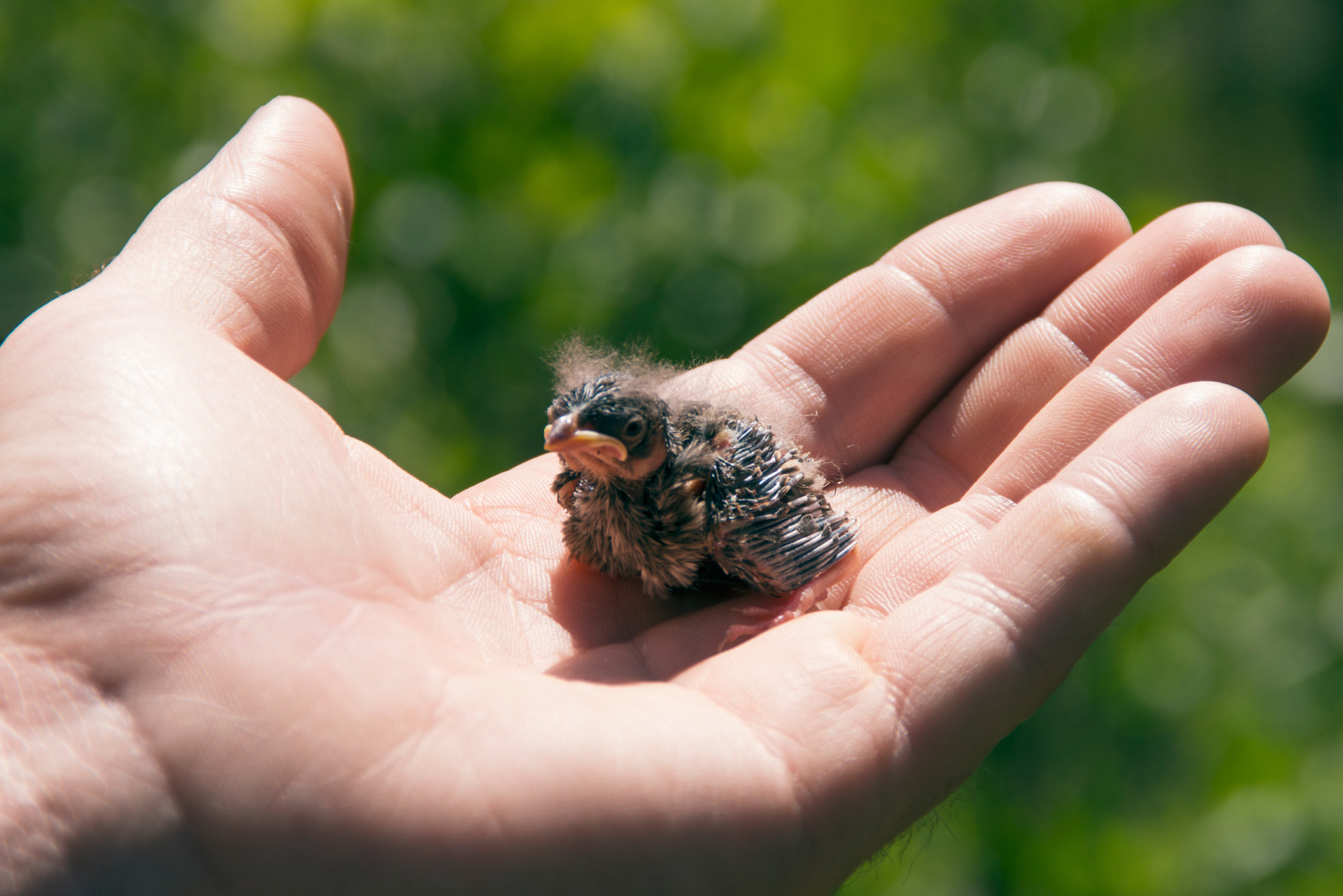
Baby birds with closed eyes are usually very small and fragile. Their skin often looks thin and may show some veins. They have little or no feathers, sometimes just downy fuzz. Their eyes remain shut for several days after hatching. Their beaks look soft and short. Their bodies feel warm but delicate to touch.
Common Species
Several bird species hatch with their eyes closed. Robins, sparrows, and finches are common examples. These birds stay in the nest for days while their eyes remain shut. Crows and blue jays also hatch blind and featherless. Knowing the species helps understand their feeding needs. Each type requires slightly different care and food types.
Credit: pethelpful.com
Nutritional Needs Of Newborn Birds
Newborn birds with their eyes closed depend entirely on you to provide the right nutrition for healthy growth. Their tiny bodies need specific nutrients in the right amounts to build strong muscles, feathers, and organs. Understanding what these baby birds require helps you avoid common feeding mistakes that can affect their survival.
Protein Requirements
Protein is the building block for baby birds’ development. It supports muscle growth and helps repair tissues. You should aim to provide high-quality protein sources that mimic what parent birds feed their young.
In my experience caring for a rescued nestling, I found that feeding finely chopped insects like mealworms or crickets worked best. These insects are rich in essential amino acids necessary for rapid growth. Avoid feeding only seeds or bread, as they lack the protein content baby birds need.
- Use soft, small insects or specially formulated bird formulas with high protein.
- Avoid dairy or fatty meats that can upset their delicate digestive systems.
- Feed small amounts frequently to match their high metabolism.
Hydration Essentials
Hydration is just as critical as protein. Baby birds get most of their water from their food, so wet or moist feeding options are vital. Dry food can lead to dehydration quickly, which can be dangerous for newborns.
You can add a few drops of clean, lukewarm water to their feed to keep them hydrated. Be careful not to overdo it, as too much water can cause choking or digestive problems. Watching their energy levels and droppings can give you clues about their hydration status.
- Offer soft, moist food or mix dry food with water.
- Never give plain water directly; always mix it with food or use a syringe carefully.
- Check if the baby bird’s crop feels full but not overly swollen.
Have you noticed how sensitive baby birds are to even small changes in their diet? Their nutritional needs can challenge even experienced caregivers. Paying close attention to protein and hydration can make all the difference in their survival and growth.
Safe Food Options For Baby Birds
Feeding baby birds with their eyes still closed requires extra care to ensure they get the nutrients they need without harming their delicate systems. Choosing safe food options is critical because their tiny bodies are very sensitive to what they eat. Let’s explore some reliable food choices that can support their growth and health during this vulnerable stage.
Insects And Worms
Baby birds naturally depend on protein-rich insects and worms. Small mealworms, crickets, and soft-bodied caterpillars are excellent sources of protein and fats necessary for their development.
Make sure the insects are soft and easy to swallow, avoiding anything hard or sharp. Avoid wild-caught insects as they might carry pesticides or parasites. You can buy farmed insects from pet stores to ensure safety.
Have you ever tried feeding mealworms to your baby birds? Many bird enthusiasts find that these tiny creatures keep the babies energized and growing fast.
Soft Fruits And Vegetables
Soft fruits like mashed bananas, cooked apples, and peeled pears provide essential vitamins and hydration. Vegetables such as cooked carrots, peas, and zucchini also add vital nutrients.
Always mash or puree these foods to a smooth consistency to prevent choking. Avoid citrus fruits as their acidity can upset the young birds’ stomachs.
Did you know that adding a bit of mashed pumpkin can help with digestion? It’s a gentle and nutritious option worth trying.
Commercial Bird Formulas
Specially designed commercial bird formulas offer a balanced diet tailored for baby birds. These powders mix with warm water to create a smooth, nutritious paste that mimics natural feeding.
They contain the right blend of proteins, fats, and vitamins your baby birds need during the early days. Using these formulas can save you from guessing the right food proportions.
Have you considered keeping a commercial formula on hand? It’s a practical solution that many bird rescuers recommend for quick and safe feeding.
Preparing Food For Feeding
Preparing food for feeding baby birds with their eyes closed requires special care. These tiny creatures are extremely delicate and need a diet that supports their early growth while being safe for their fragile systems. Getting the texture and temperature right, along with avoiding harmful ingredients, can make a huge difference in their survival and development.
Proper Texture And Temperature
Baby birds with closed eyes cannot swallow solid food, so you must prepare a soft, smooth mixture. A finely mashed or pureed blend works best, ensuring no chunks or hard bits that could choke them. Think about consistency similar to a thick porridge—easy to swallow but not too watery.
Temperature matters just as much as texture. Food that is too hot can burn their tiny mouths, while cold food might cause digestive issues. Aim for lukewarm, roughly the temperature of your skin. You can test it by placing a drop on your wrist; it should feel warm but not hot.
Avoiding Harmful Ingredients
Not all foods are safe for baby birds. Avoid giving them anything seasoned, salty, or sugary. These ingredients can harm their internal organs or upset their delicate balance.
Raw dairy, processed meats, and bread are often tempting to feed but should be skipped. They lack the right nutrients and can cause digestive problems. Instead, stick to natural, bird-safe foods like soaked dog kibble, baby bird formula, or finely chopped insects.
Have you ever wondered what ingredients could silently harm a baby bird? It’s surprising how common kitchen staples can be dangerous. Being cautious with every ingredient you add protects these vulnerable birds during their crucial early days.
Feeding Techniques For Closed-eye Birds
Feeding baby birds with their eyes still closed is a delicate task that requires patience and careful technique. These tiny creatures depend entirely on you for nourishment and warmth. Using the right feeding methods ensures they get enough food without causing harm or stress.
Hand-feeding Tips
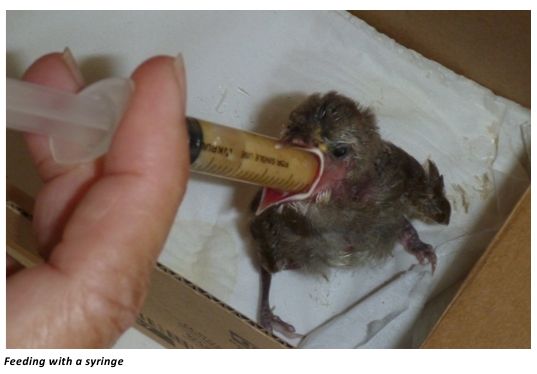
Use a small, soft dropper or a tiny spoon to feed the baby bird. The goal is to mimic the way parent birds feed their young, which means gently placing food at the edge of the beak. Never force food inside the mouth; let the baby open its beak naturally.
Keep the bird warm during feeding sessions. Cold baby birds may refuse to eat, so warming the food slightly to body temperature can make a big difference. Always test the temperature on your wrist before feeding to avoid burns.
Hold the bird securely but gently. Support its body with your hand or a soft cloth, keeping it calm and steady. Sudden movements or squeezing can stress the bird and disrupt feeding.
Frequency And Quantity
Newborn birds have tiny stomachs and need to be fed frequently—sometimes every 15 to 20 minutes during daylight hours. Monitor your bird’s size and behavior to adjust feeding intervals as it grows.
Offer small amounts of food each time, just enough to see the crop (a small pouch in the throat) fill but not overfill. Overfeeding can cause serious health problems like crop stasis or choking.
Watch for signs that the baby bird is full—usually, it will close its beak or stop begging for food. Are you confident in reading these subtle cues? They are key to preventing overfeeding and ensuring healthy growth.
Credit: besgroup.org
Monitoring Health And Growth
Monitoring the health and growth of baby birds with their eyes closed is essential for their survival. These tiny creatures rely completely on you for nourishment and care. Keeping a close eye on their development helps you catch issues early and adjust feeding or environment as needed.
Weight Tracking
Weighing your baby birds daily is one of the most reliable ways to track their growth. Use a small digital scale that measures in grams for accuracy. Record their weight at the same time each day to notice trends clearly.
Healthy baby birds should gain weight steadily. If you see no gain or sudden weight loss, it could signal a problem. I once noticed my baby bird’s weight plateau for two days, which led me to check its feeding schedule—adjusting it made all the difference.
- Weigh before feeding to get a baseline
- Keep a simple chart or log of daily weights
- Compare with species-specific growth charts if available
Signs Of Illness
Early detection of illness can save a baby bird’s life. Watch for signs like lethargy, weak or irregular breathing, and fluffed-up feathers. These symptoms often indicate that the bird is unwell and needs immediate attention.
Notice changes in behavior such as refusal to eat or constant crying. These are red flags that something is wrong. I recall a baby bird that suddenly stopped eating and became quiet; quick action and a vet visit helped it recover fully.
- Monitor for droppings that look unusual in color or consistency
- Check for swelling or redness around the eyes and beak
- Keep the environment clean to prevent infections
Are you prepared to respond quickly when you spot these warning signs? Your attentiveness can make all the difference in nurturing a healthy, thriving baby bird.
When To Seek Professional Help
Knowing when to seek professional help is crucial for baby birds with closed eyes. These tiny creatures need special care that only experts can provide. Early action can save their lives and ensure proper growth.
Some signs show that a baby bird requires immediate attention beyond home care. Understanding these signs helps protect the bird and avoid common mistakes.
Identifying Emergencies
- The bird is cold and unresponsive.
- Visible injuries or bleeding are present.
- The bird is weak and cannot stand or move.
- Persistent crying or distress signals.
- Signs of dehydration like dry skin or sunken eyes.
These symptoms indicate urgent care is necessary. Attempting to feed or care for the bird without expertise can cause more harm.
Finding Wildlife Rehabilitators
Wildlife rehabilitators specialize in caring for injured or orphaned birds. They have the right tools and knowledge to help baby birds survive.
To find a rehabilitator:
- Contact local animal shelters or nature centers.
- Search online for licensed wildlife rescue organizations.
- Call local veterinarians for referrals.
Act quickly to give baby birds the best chance of recovery and healthy development.

Credit: www.youtube.com
Frequently Asked Questions
What Do Baby Birds With Closed Eyes Eat?
Baby birds with closed eyes need soft, easily digestible food. Offer protein-rich options like soaked dog food, hard-boiled eggs, or specialized bird formula. Avoid seeds or solid food that may choke them. Feeding should be frequent and in small portions to mimic natural feeding patterns.
How Often Should I Feed A Blind Baby Bird?
Feed a blind baby bird every 15 to 20 minutes during daylight hours. Frequent feeding supports their rapid growth and energy needs. Avoid overfeeding to prevent health problems. Keep the food warm and use a small syringe or dropper for safe feeding.
Can I Feed Baby Birds Milk Or Bread?
No, baby birds should not be fed milk or bread. These items lack essential nutrients and can cause digestive issues. Instead, provide a balanced diet of protein, moisture, and vitamins with commercial baby bird formula or homemade mixtures designed for young birds.
What Is The Best Homemade Food For Baby Birds?
A good homemade food mix includes hard-boiled egg yolk, soaked dog food, and a little water. This mix supplies protein and moisture essential for baby birds. Always mash ingredients finely and feed in small amounts to avoid choking hazards.
Conclusion
Feeding baby birds with closed eyes needs care and the right food. Soft, small bits of protein help them grow strong. Keep their food fresh and at room temperature. Avoid giving harmful or hard-to-digest items. Watch the babies often to see if they eat well.
Patience and gentle feeding support their healthy development. Helping these tiny birds thrive feels rewarding and kind. Every small effort counts in giving them a good start.