

Are you wondering what to feed those adorable baby blue jay birds chirping in your backyard? You’ve come to the right place.
Ensuring these little ones get the right nutrition is crucial for their growth and survival. But don’t worry, it’s easier than you might think. You’ll discover simple and effective feeding strategies to keep your feathered friends healthy and thriving. With the right knowledge, you can transform your backyard into a safe haven for baby blue jays.
Keep reading to unlock the secrets to nurturing these delightful creatures, ensuring they flourish under your care.

Credit: www.youtube.com
Diet Needs For Baby Blue Jays
Baby Blue Jays have specific diet needs that support their rapid growth and development. Meeting these needs ensures they build strong bones, feathers, and muscles necessary for survival. Understanding what to feed them and how often can make a big difference in their health and vitality.
Nutritional Requirements
Baby Blue Jays need a protein-rich diet to fuel their growth. High-protein insects like mealworms, crickets, and caterpillars provide essential amino acids. You can also add soft fruits such as berries to supply vitamins and minerals.
Calcium is crucial for strong bones and developing feathers. Crushed eggshells or calcium supplements can help meet this need. Avoid feeding bread or processed foods as they lack proper nutrients.
Feeding Frequency
Young Blue Jays require feeding every 20 to 30 minutes from dawn to dusk. Their fast metabolism means they burn energy quickly and need constant nourishment. As they grow, you can gradually reduce feeding frequency to every hour.
If you’re hand-feeding, watch their response closely. Are they eagerly opening their mouths or turning away? These cues tell you when they’re hungry or full.
Hydration Tips
Hydration is often overlooked but vital. Baby Blue Jays usually get water from their food, especially juicy insects and fruits. However, providing a shallow dish of clean water nearby encourages them to drink directly when they are ready.
Never force water into their mouths; it can cause choking. Instead, keep their food moist to maintain hydration naturally. Have you noticed how wild birds pick at dew-covered leaves? That’s their way of staying hydrated without a water source.
Safe Foods For Baby Blue Jays
Feeding baby Blue Jays requires careful selection of safe foods. Their growing bodies need nutrients that support strong bones and feathers. Choosing the right foods helps them thrive and develop properly.
Safe foods include a balance of proteins, fruits, and vegetables. These provide essential vitamins and minerals. Avoiding harmful foods protects their health and prevents illness.
Protein Sources
Baby Blue Jays need protein to build muscles and feathers. Offer small insects like mealworms and crickets. Soft-boiled eggs chopped into tiny pieces work well too. Cooked lean meats without seasoning are safe in small amounts. Protein supports rapid growth and energy.
Fruits And Vegetables
Fresh fruits and vegetables add vitamins and fiber. Offer mashed berries, chopped apples, and soft grapes. Small pieces of cooked carrots, peas, and spinach provide nutrients. Avoid citrus fruits as they can upset their stomachs. Wash all fruits and vegetables thoroughly before feeding.
Avoiding Harmful Foods
Some foods can harm baby Blue Jays. Do not feed chocolate, caffeine, or alcohol. Avoid salty, sugary, or processed human foods. Raw beans and avocado are toxic to birds. Keep food fresh to prevent bacteria and mold growth.
Feeding Techniques
Feeding baby Blue Jays requires patience and careful attention to their natural behaviors. The right feeding techniques can make a big difference in their growth and comfort. Understanding how to offer food effectively helps you connect with these birds and supports their healthy development.
Hand-feeding Methods
Hand-feeding baby Blue Jays involves gently offering small amounts of food directly to their beaks. You want to mimic the way parent birds feed their chicks by offering soft, easy-to-digest foods like soaked dog kibble, mealworms, or finely chopped fruits.
Hold the baby securely but gently, and use a small spoon or your finger to place food near its mouth. Be patient—some babies might hesitate at first, but consistent, calm feeding encourages trust and eagerness to eat.
Using Feeding Tools
Feeding tools like syringes or tweezers can help you deliver food precisely and safely. Syringes are especially useful for feeding liquid or semi-liquid diets like specialized bird formula or blended foods.
Tweezers allow you to offer small insects or fruit pieces without risking injury to the delicate bird. Choose tools that feel comfortable in your hand and avoid anything too large or sharp that might harm the baby Blue Jay.
Encouraging Self-feeding
As baby Blue Jays grow, encouraging them to feed themselves is crucial for their independence. Place small food items like seeds or insects in shallow dishes nearby to spark their curiosity.
You can also try gently placing food near their beak and then stepping back to see if they peck at it. This gradual process helps the birds build confidence and develop natural foraging skills.
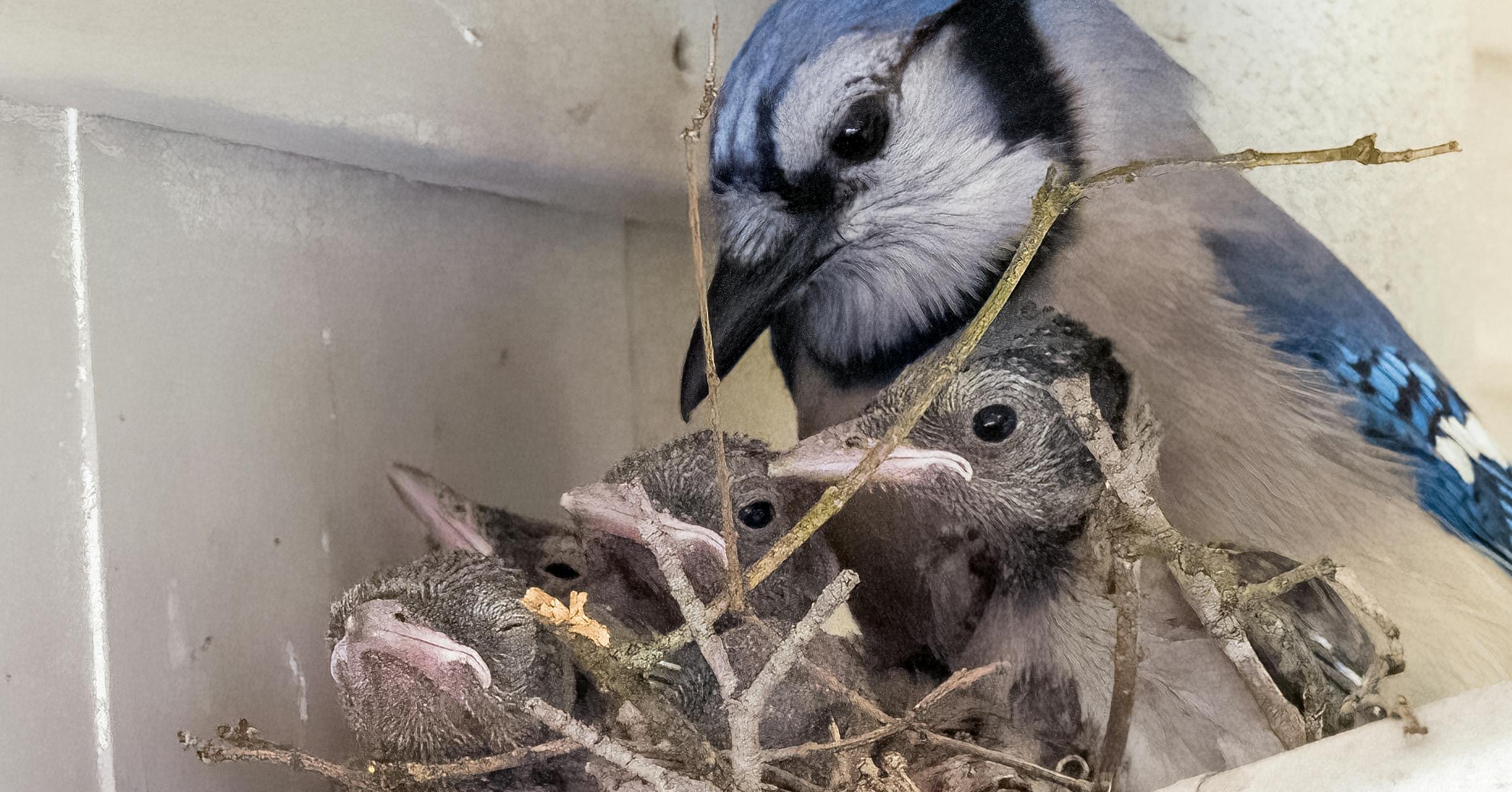
Credit: www.startribune.com
Monitoring Growth And Health
Monitoring the growth and health of baby blue jay birds ensures they develop strong and healthy. Careful observation helps spot problems early. Regular checks help keep their diet and environment suitable for their needs.
Weight Tracking
Weigh baby blue jays daily using a small, accurate scale. Record their weight to watch steady growth. Sudden weight loss or no gain can signal health issues. Healthy babies gain weight consistently each day.
Behavioral Signs
Watch for active movements and alertness. Healthy baby blue jays chirp and respond to sounds. Weakness, lethargy, or lack of appetite shows a problem. Bright eyes and smooth feathers also indicate good health.
When To Seek Help
Contact a wildlife rehabilitator if weight drops or behavior changes. Seek help if the baby is weak or stops eating. Early intervention increases chances of survival. Never delay when signs of illness appear.
Preparing For Independence
Preparing baby blue jays for independence is a crucial phase that shapes their survival skills. It’s about more than just feeding; it’s about guiding them toward self-sufficiency. You’ll see how small changes in their diet and environment can boost their confidence and ability to thrive on their own.
Transition To Solid Foods
Start by gradually introducing solid foods alongside the soft diet. Offer small pieces of nuts, berries, and insects to encourage chewing and swallowing.
Watch how your baby blue jay reacts to new textures and flavors. Patience here is key—don’t rush the process or switch foods too quickly.
Have you noticed which foods your baby prefers? Use that to tailor their diet and keep them interested in exploring new options.
Building Foraging Skills
Encourage natural foraging by hiding food in safe, accessible places. This practice helps young blue jays learn to search and identify edible items.
Try creating simple challenges like placing food under leaves or inside small containers. These activities sharpen their problem-solving skills and mimic real-life scenarios.
Remember, your role is to observe and support without taking over. Let the baby bird discover and learn at its own pace.
Safe Outdoor Practices
Introduce your blue jay to outdoor environments carefully, making sure the area is free from predators and hazards.
Supervise initial outdoor sessions closely to ensure they don’t wander into unsafe zones. Gradually increase their time outside as they become more confident.
Have you thought about how weather and human activity might affect their outdoor experiences? Choose calm, quiet times for these important lessons.

Credit: nextdoornature.org
Frequently Asked Questions
What Is The Best Food For Baby Blue Jay Birds?
Baby Blue Jays thrive on a diet of soft insects, nuts, and seeds. Mealworms and small fruits are ideal too. Avoid hard foods to prevent choking and support healthy growth.
Can Baby Blue Jays Eat Peanuts Or Seeds?
Yes, baby Blue Jays can eat peanuts and seeds. Offer unsalted, shelled peanuts and sunflower seeds. These provide essential protein and fats for growth.
How Often Should I Feed Baby Blue Jay Birds?
Feed baby Blue Jays every 20-30 minutes during daylight hours. They need frequent, small meals for proper development and energy.
Is It Safe To Give Milk Or Bread To Baby Blue Jays?
No, avoid giving milk or bread to baby Blue Jays. These can cause digestive issues and lack proper nutrients for their growth.
Conclusion
Feeding baby blue jay birds takes care and attention. Offer soft foods like soaked seeds and insects. Avoid foods that are hard or spicy. Fresh water is important for their health. Watch them closely to see what they like best.
Feeding helps them grow strong and healthy. Enjoy watching these beautiful birds thrive in your yard. Small efforts make a big difference for baby blue jays. Keep their diet simple and natural for best results.