

Are you wondering what to feed your baby fig bird to keep it healthy and happy? Knowing the right food is key to helping your little feathered friend grow strong.
Feeding a baby fig bird isn’t always simple, but with the right tips, you can make sure your bird gets all the nutrients it needs. Keep reading to discover easy, practical advice that will make feeding time stress-free and enjoyable for both you and your baby bird.

Credit: babybirdsfarm.com
Baby Fig Bird Diet Basics
Understanding the diet basics of a baby fig bird is crucial for its healthy growth and development. Their nutritional needs differ from adult birds, so providing the right foods can make a big difference. Let’s dive into what fuels these young birds best.
Natural Food Sources
Baby fig birds mainly rely on foods they can easily digest and that provide quick energy. In the wild, they often eat soft fruits like figs, berries, and small insects. These foods are gentle on their tiny digestive systems and rich in essential nutrients.
If you’re raising a baby fig bird, try offering mashed figs or berries first. You can also add finely chopped insects such as mealworms, which are packed with protein. Have you noticed how your fig bird reacts to fresh fruits compared to store-bought pellets?
Key Nutrients Needed
Protein is a top priority for baby fig birds—it supports muscle and feather growth. Alongside protein, calcium helps build strong bones, while vitamins A and E boost their immune system.
Balancing these nutrients can be simple. Feed a mix of soft fruits for vitamins and minerals, plus a small amount of insect protein. Avoid giving too much sugar or fatty foods, which can upset their digestion and growth.
Have you checked the nutrient content of what you feed your baby fig bird? Keeping track can help you spot any gaps before they become problems.
Suitable Fruits And Vegetables
Choosing the right fruits and vegetables for your baby fig bird is crucial for its growth and health. These foods provide essential vitamins and nutrients that support development and keep your bird active. Understanding which options are safe and beneficial helps you create a balanced diet that your little companion will enjoy.
Safe Fruits To Offer
Fruits are a favorite treat for baby fig birds, but not all are safe to feed. Always wash fruits thoroughly and cut them into small, manageable pieces. Here are some safe fruits you can offer:
- Apple:Remove seeds and core before feeding.
- Banana:Soft and easy to digest, perfect for beginners.
- Blueberries:Packed with antioxidants and bite-sized.
- Grapes:Cut in halves to prevent choking.
- Melon:Sweet and hydrating, a refreshing snack.
Have you noticed how some fruits your fig bird prefers more than others? Offering a variety keeps mealtime interesting and encourages healthy eating habits.
Vegetables For Variety
Vegetables add important fiber and nutrients to your baby fig bird’s diet. Introducing them early helps your bird develop a taste for different flavors. Here are some vegetables that work well:
- Carrots:Shredded or finely chopped for easy eating.
- Spinach:Rich in iron but offer in moderation.
- Broccoli:Steamed or raw, both are fine in small amounts.
- Peas:A natural source of protein and vitamins.
- Sweet Potato:Cooked and mashed, gentle on the tummy.
Have you tried mixing different veggies to find your bird’s favorite combo? Sometimes a simple mix can make all the difference in acceptance.
Protein Options For Growth
Protein is crucial for the healthy growth of your baby Fig bird. It supports muscle development, feather growth, and overall energy. Offering the right protein sources can make a significant difference in how quickly and well your bird thrives.
Insects And Larvae
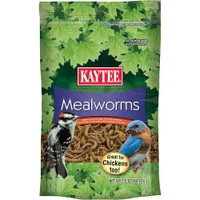
Insects and larvae are natural protein-packed snacks for baby Fig birds. Mealworms, crickets, and waxworms are favorites because they are easy to digest and rich in nutrients.
You can offer live or dried options, but live insects often encourage natural hunting behavior. Have you noticed how your bird lights up when it chases a cricket? That excitement means it’s not just about food; it’s about stimulation too.
- Mealworms: High in protein and easy to find.
- Crickets: Provide essential amino acids and keep the bird active.
- Waxworms: Great treat but use sparingly due to high fat content.
Egg And Meat Alternatives
Eggs offer a simple and effective protein boost. Hard-boiled or scrambled eggs can be chopped into tiny pieces, making them easy for the baby bird to eat.
Lean meats like chicken or turkey, cooked without seasoning, are also excellent choices. These alternatives can be a lifesaver when insects aren’t available.
- Boiled eggs: Packed with protein and easy to prepare.
- Cooked chicken/turkey: Provides lean protein and helps diversify diet.
- Ensure all meat is fully cooked and cut into small, manageable pieces.
Have you tried mixing small amounts of egg with mashed fruits? It’s a surprising combo that some baby Fig birds enjoy, balancing protein with natural sugars.
Credit: www.petsradar.com
Feeding Frequency And Portions
Feeding your baby fig bird the right amount at the right times is essential for its growth and health. Too little food can stunt development, while too much can overwhelm their tiny digestive system. Finding the perfect balance in feeding frequency and portions helps your baby bird thrive and stay happy.
Daily Feeding Schedule
Baby fig birds need frequent meals throughout the day because their metabolism is fast. Aim to feed your bird every 3 to 4 hours during daylight hours to keep its energy levels steady. For example, feeding times could be at 7 AM, 11 AM, 3 PM, and 7 PM.
Keep an eye on how eager your bird is during feedings. If it seems restless or hungry between meals, you might need to add a small extra feeding. Your bird’s behavior is a great guide to fine-tuning the schedule.
Adjusting Amounts By Age
The amount of food your baby fig bird needs changes as it grows. In the first two weeks, small, frequent feedings of about 2-3 ml per meal work well. As the bird reaches four weeks, increase the portion gradually to around 5-7 ml per feeding.
Pay attention to your bird’s weight and activity levels to decide if you need to adjust portions. Are they gaining weight steadily? If not, consider increasing the amount slightly. Conversely, if they seem sluggish or refuse food, reduce the portions.
Feeding your baby fig bird is a dynamic process. How closely can you observe and respond to its needs throughout its growth? Your attentive care makes all the difference.
Hydration Needs
Hydration is vital for a baby fig bird’s health and growth. Water supports digestion, temperature control, and overall energy. Young fig birds need regular access to clean water to stay healthy. Their small bodies lose moisture quickly, so proper hydration prevents serious health issues.
Water Intake Tips
- Offer fresh, clean water daily in a shallow dish.
- Change water at least twice a day to keep it clean.
- Place the water dish where the baby bird can easily reach it.
- Use a dropper or syringe for very young birds who struggle to drink.
- Provide water along with soft fruits that contain natural moisture.
Signs Of Dehydration
- Dry or sticky mouth and tongue.
- Sunken eyes or dull appearance.
- Weakness or lethargy.
- Fluffed-up feathers and lack of energy.
- Reduced appetite or refusal to eat.

Credit: www.youtube.com
Avoiding Harmful Foods
Feeding a baby fig bird requires careful attention to avoid harmful foods. Some items can cause sickness or severe reactions. Knowing which foods to skip protects the young bird’s health. It also helps promote strong growth and good development.
Not all fruits and seeds are safe for baby fig birds. Some contain toxins or substances that may trigger allergies. Feeding the wrong food can lead to illness, discomfort, or worse. It is best to learn about these foods and keep them away from your bird.
Toxic Foods To Skip
- Avocado – Contains persin, which is deadly to many birds.
- Chocolate – Has theobromine, a poison for birds.
- Caffeine – Found in coffee and tea, it harms bird’s heart and nerves.
- Onions and garlic – Can cause blood problems in birds.
- Raw beans – Contain toxins that can poison fig birds.
- Fruit seeds and pits – May have harmful chemicals like cyanide.
Foods That Cause Allergies
- Dairy products – Birds often cannot digest milk or cheese well.
- Nuts – Some birds may develop allergies or choking hazards.
- Eggs – Can cause allergic reactions in sensitive fig birds.
- Wheat and grains – May trigger digestive issues or allergies.
- Processed foods – Contain additives that may irritate the bird’s system.
Supplementing Nutrition
Supplementing nutrition is essential when feeding a baby fig bird to ensure it grows healthy and strong. While their natural diet provides many nutrients, sometimes additional vitamins and minerals are needed to fill gaps. Understanding when and how to add supplements can make a big difference in your bird’s development.
Vitamins And Minerals
Baby fig birds need a balanced mix of vitamins like A, D, and E, along with minerals such as calcium and phosphorus. These nutrients support bone growth, feather development, and immune health. You can provide these through fresh fruits, vegetables, and specialized bird supplements available at pet stores.
Be careful not to overdo supplements. Too much vitamin A, for example, can harm your bird. Always follow recommended doses and observe your bird’s response closely.
When Supplements Are Needed
Supplements become necessary if your bird shows signs of poor health, such as weak feathers, lethargy, or slow growth. Also, if your bird’s diet lacks variety or is mainly commercial seed mixes, extra vitamins and minerals can help.
Consider consulting a vet to identify specific deficiencies. They might suggest adding calcium powders or liquid vitamins directly to the food or water. Have you noticed any changes in your baby fig bird’s energy or appearance? That could signal the need for supplements.
Weaning Process Tips
Starting the weaning process for your baby fig bird is a crucial step toward its growth and independence. It requires patience and attention to your bird’s reactions and preferences. Paying close attention to how your fig bird adjusts helps you support a smooth transition.
Transitioning To Solid Foods
Begin by mixing soft, easily digestible fruits like mashed banana or papaya with the usual formula. Offer small amounts to avoid overwhelming your bird’s delicate digestive system.
Gradually increase the thickness and variety of solid foods over several days. Watch for signs of readiness, such as pecking at food or showing interest during feeding time.
Remember, sudden changes can cause stress. Slow and steady introduction helps your fig bird accept new textures and tastes without fuss.
Encouraging Independent Eating
Place small portions of soft fruit or soaked pellets within your bird’s reach to promote self-feeding. Your fig bird will enjoy exploring food with its beak and feet, which builds confidence.
Try offering food on a shallow dish or hand-feeding occasionally to create positive associations. Consistency is key—regular practice encourages your bird to eat independently.
Have you noticed your fig bird’s unique preferences? Tailor feeding times and food types to what excites your bird most. This personal touch can speed up the learning process and make mealtime a joy.
Frequently Asked Questions
What Is The Best Food For Baby Fig Birds?
Baby fig birds thrive on a diet of soft fruits like figs, bananas, and berries. Supplement with soaked seeds and insects for protein. Always provide fresh water. Avoid processed foods to ensure healthy growth and development.
How Often Should I Feed A Baby Fig Bird?
Feed baby fig birds every 2 to 3 hours during the day. As they grow, gradually reduce feeding frequency. Consistent feeding supports proper nutrition and energy for growth. Nighttime feeding is generally not necessary once they mature.
Can Baby Fig Birds Eat Insects?
Yes, baby fig birds benefit from small insects like mealworms and fruit flies. Insects provide essential protein for muscle and feather development. Offer insects in moderation alongside fruits for a balanced diet.
Should I Avoid Any Foods For Baby Fig Birds?
Avoid feeding baby fig birds citrus fruits, avocado, and processed human foods. These can be toxic or harmful. Stick to natural, fresh fruits, insects, and seeds to keep them healthy and thriving.
Conclusion
Feeding your baby fig bird the right food helps it grow strong. Fresh figs, soft fruits, and insects provide good nutrition. Avoid giving harmful or processed foods to keep the bird healthy. Watch your baby bird’s eating habits to know what it likes.
Patience and care make feeding time easier and enjoyable. Your effort ensures the baby fig bird thrives in its early days. Keep learning about its needs for the best care. Simple steps bring big rewards in raising happy birds.