

Springtime in the UK is a magical season. As the days grow longer and the flowers begin to bloom, birds fill the air with their cheerful songs.
If you’re eager to welcome these feathered visitors to your garden, knowing what to feed them is crucial. Have you ever wondered which foods are best for attracting a vibrant array of birds to your outdoor space during this season?
You might be surprised at how a few simple changes can transform your garden into a bird paradise. By choosing the right foods, not only do you invite a diverse range of birds to your garden, but you also play a vital role in their survival and well-being. Ready to discover the secrets to attracting more birds and bringing your garden to life? Let’s dive into the essentials of feeding birds in the UK this spring.
Best Foods For Spring Birds
Spring brings new life and energy to gardens across the UK. Birds need extra nutrition after winter. Feeding them the right foods supports their health and helps them build nests. Offer a variety of foods to attract different species. Focus on natural, nutritious options that suit springtime needs.
Seeds And Grains
Seeds are a staple for many garden birds. Sunflower seeds are popular and rich in fat and protein. Nyjer seeds attract finches and siskins. Mixed grains provide energy and variety. Clean, fresh seeds keep birds healthy and active during spring.
Fruits And Berries
Fresh fruits offer vitamins and moisture. Soft fruits like apples, pears, and grapes are favorites. Berries such as blackberries, elderberries, and rowan berries are natural food sources. Cut fruits into small pieces for easy eating. Avoid citrus fruits as they can upset birds’ digestion.
Insects And Mealworms
Insects provide vital protein for growing chicks. Mealworms are easy to buy and loved by many birds. Live or dried mealworms work well. Worms and beetles are also good choices. Providing insects encourages natural feeding habits.
Nuts And Suet
Nuts like peanuts offer energy and fats. Use unsalted and chopped nuts to avoid choking. Suet is a great high-energy food. It melts slowly, giving birds steady energy. Offer suet in mesh bags or feeders designed for it.

Credit: www.allaboutbirds.org
Feeding Tips For Different Bird Species
Feeding different bird species in spring helps support their energy needs during breeding and nesting. Birds require varied diets based on their size, beak shape, and feeding habits. Knowing what to offer ensures healthy birds and a lively garden.
Feeding Garden Birds
Garden birds such as robins, blackbirds, and tits enjoy seeds, nuts, and fruit. Offer sunflower seeds and peanuts in feeders. Soft fruits like berries and chopped apples attract them too. Avoid salty or processed food.
Attracting Songbirds
Songbirds like warblers and finches prefer insects and small seeds. Mealworms are a great protein source in spring. Provide nyjer seeds for finches. Use hanging feeders to keep food clean and dry.
Supporting Nesting Birds
Nesting birds need extra protein to feed their chicks. Offer live or dried mealworms near nesting sites. Soft, natural materials like wool or pet hair help with nest building. Keep fresh water available for drinking and bathing.
Setting Up Your Bird Feeding Area
Setting up a bird feeding area invites wildlife right to your garden. A well-planned spot attracts many birds and keeps them safe. Simple steps can create a welcoming space for spring visitors. Clean feeders, good locations, and fresh water make a big difference.
Choosing Feeders And Locations
Select feeders based on the birds you want to attract. Tube feeders work well for small birds like finches. Platform feeders suit larger birds such as blackbirds and thrushes. Hang feeders from trees or sturdy poles away from predators.
Place feeders near shrubs or bushes for shelter. Avoid spots too close to windows to prevent bird collisions. Keep feeders in shaded areas to stop food spoiling quickly. Change locations occasionally to keep birds interested.
Keeping Feeders Clean
Clean feeders regularly to stop disease spread. Use warm water and mild soap for washing. Rinse thoroughly to remove soap residue. Clean at least once every two weeks, more often in wet weather.
Remove old or damp food daily. Check for mold or clumps in seed mixes. Clean feeder trays and perches where droppings gather. Proper hygiene helps keep birds healthy and returning.
Providing Fresh Water
Fresh water is vital for birds, especially in spring. Use shallow dishes or birdbaths with clean water. Change water daily to prevent mosquitoes and bacteria. Place water near feeders but safe from cats.
Keep birdbaths free of ice in cold spells. Add stones or twigs to water for birds to perch on. Water encourages birds to stay and visit your garden often.
Seasonal Feeding Considerations
Feeding birds in spring needs special care. The weather changes often. Birds start nesting and need different foods. Feeding them right helps them stay healthy and strong.
Adjusting Food For Weather Changes
Spring weather can be warm or cold. Offer foods that suit these changes. On cold days, provide high-energy foods like sunflower seeds. On warmer days, fresh fruits and insects are good. Keep an eye on the weather to change food types.
Avoiding Overfeeding
Birds find natural food in spring. Too much extra food can stop them from searching. Offer small amounts and remove old food quickly. This keeps birds active and prevents illness from spoiled food.
Encouraging Natural Foraging
Let birds find food on their own. Scatter seeds on the ground or use feeders that mimic natural feeding. This helps young birds learn to search for food. It also keeps adult birds healthy by encouraging movement.
Common Mistakes To Avoid
Feeding birds in spring is a kind act. Yet, some common mistakes can harm them. Knowing what to avoid helps keep birds safe and healthy. It also makes your garden a better place for wildlife.
Feeding Harmful Foods
Not all foods are safe for birds. Some snacks can cause illness or blockages in their digestive systems. Avoid giving birds:
- Salted or seasoned foods
- Raw bread or dough
- Chocolate or sweets
- Avocado, which is toxic
- Uncooked rice, which can swell inside
Always offer fresh seeds, nuts, and fruits suited for local birds.
Ignoring Hygiene
Dirty feeders spread diseases quickly. Birds gather in groups and can pass on infections. Clean feeders regularly with warm water and mild soap. Avoid moldy or old food, which harms birds’ health. Place feeders where water drains well and does not pool.
Disturbing Nests
Spring is nesting time. Birds build nests and raise chicks carefully. Avoid touching or moving nests. Keep pets away from nesting areas. Loud noise and constant human presence stress birds and may cause them to abandon their nests.

Credit: www.livingwithbirds.com
Benefits Of Feeding Birds In Spring
Feeding birds in spring offers more than just a chance to enjoy their beauty up close. It plays a crucial role in supporting their health during a demanding time of year. By providing the right foods, you can actively contribute to the well-being of your local bird population and witness the positive impact firsthand.
Supporting Bird Health
Spring is a time when birds need extra energy to recover from winter and prepare for breeding. Offering high-energy foods like sunflower seeds, mealworms, and suet can help them stay strong and active. You might notice that birds visiting your garden appear more vibrant and lively when you feed them regularly.
Clean, fresh water is equally important. Birds need water not just for drinking but also for bathing, which keeps their feathers in top condition. Have you ever watched a bird splashing in a shallow dish? It’s a simple way you can support their health every day.
Encouraging Breeding Success
Spring marks the start of the breeding season, and birds require extra nutrients to build nests and raise chicks. Protein-rich foods such as mealworms and soft fruits boost their chances of successful breeding. By feeding birds in your garden, you help reduce the stress of finding enough food, allowing parents to focus on caring for their young.
Providing natural materials like twigs or soft grasses near feeding stations can encourage birds to settle and nest nearby. Have you thought about how your garden can become a safe haven for new generations of birds?
Enhancing Garden Biodiversity
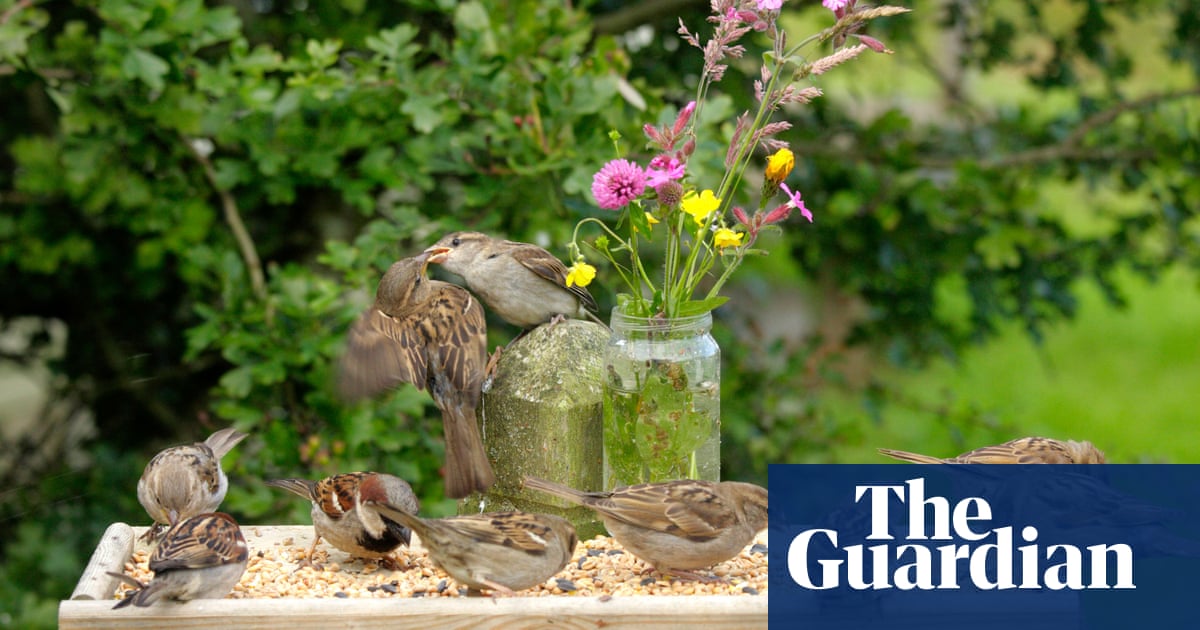
Feeding birds attracts a variety of species, increasing your garden’s biodiversity. Different birds bring unique behaviors and benefits, such as pest control and pollination. Watching a mix of finches, tits, and robins can turn your outdoor space into a lively ecosystem.
Encouraging diverse bird life can also lead to healthier plants and fewer pests without chemicals. Could your garden become a thriving habitat for wildlife simply by adding a bird feeder?
Credit: www.theguardian.com
Frequently Asked Questions
What Are The Best Foods For Birds In Spring Uk?
In spring UK, offer birds high-energy foods like mealworms, sunflower seeds, and suet. Fresh fruits and insects also attract birds during breeding season.
Can I Feed Birds Bread In Spring?
Avoid feeding birds bread in spring. Bread lacks nutrients and can harm birds. Instead, provide seeds, nuts, or mealworms for healthy feeding.
How Often Should I Feed Birds In Spring?
Feed birds daily in spring to support their energy needs. Regular feeding helps birds during breeding and when natural food is scarce.
Which Seeds Attract Spring Birds In The Uk?
Sunflower seeds, nyjer seeds, and hemp seeds attract many UK spring birds. These seeds provide essential fats and proteins for growing chicks.
Conclusion
Feeding birds in spring helps them stay strong and healthy. Offer fresh seeds, fruits, and insects they enjoy. Clean water nearby is also very important. Watch as different birds visit your garden happily. Small efforts make a big difference for nature.
Enjoy this simple way to connect with wildlife. Keep feeding regularly to support birds all season. Your garden becomes a safe place for many birds. Try to learn about local bird needs too. Happy birdwatching!