

Imagine stepping into your garden and being greeted by a vibrant symphony of chirping birds. It’s a delightful experience that can brighten your day.
But to keep these feathered friends visiting, you need to know what to feed them. The right food not only attracts a variety of birds but also ensures they stay healthy and happy. Are you curious about the best bird foods that will make your garden a favorite spot?
Dive into this guide, and discover how to create a bird-friendly paradise right in your backyard. By the end, you’ll be equipped with simple yet effective tips to transform your garden into a haven for birds.

Credit: www.amazon.ca
Best Seeds For Garden Birds
Choosing the best seeds helps attract a variety of birds to your garden. Different seeds appeal to different bird species. Offering a mix ensures more visitors and lively bird activity. Seeds also provide essential nutrients for birds’ health and energy.
Sunflower Seeds
Sunflower seeds are a favorite for many garden birds. They are rich in fat and protein. Birds like finches, chickadees, and cardinals enjoy them most. Black oil sunflower seeds have thin shells, making them easy to eat. They also attract larger birds like jays and woodpeckers.
Millet And Sorghum
Millet and sorghum are great for small ground-feeding birds. Sparrows, doves, and juncos prefer these seeds. Millet is small and easy to digest. Sorghum seeds provide good energy for birds during colder months. Scatter these seeds on the ground or in feeders designed for small seeds.
Nyjer And Thistle Seeds
Nyjer and thistle seeds attract specialized birds like goldfinches. These tiny seeds are high in oil content. Nyjer seeds require special feeders with small holes. Birds use their slender beaks to extract the seeds. Offering nyjer encourages colorful and lively visitors to your garden.
Credit: www.msn.com
Fruits And Berries Birds Love
Fruits and berries provide essential nutrients to garden birds. They offer natural sugars, vitamins, and hydration. Many birds prefer soft, juicy fruits during colder months. These foods help birds stay active and healthy. Planting or placing fruits in your garden attracts a variety of bird species. Here are some popular fruits and berries that birds love to eat.
Apples And Pears
Apples and pears are favorites for many garden birds. Cut them into small pieces or slices for easy eating. Birds enjoy the sweet juice and soft texture. Avoid giving birds any fruit treated with pesticides. Both fruits attract species like robins, thrushes, and waxwings. Offering these fruits fresh or slightly softened increases their appeal.
Berries And Grapes
Berries and grapes are rich in antioxidants and sugars. Birds like blackberries, blueberries, and raspberries. Grapes should be cut in half for smaller birds. These fruits attract finches, warblers, and starlings. Place berries on low branches or feeders for easy access. They provide excellent energy during migration and cold weather.
Raisins And Dried Fruits
Raisins and other dried fruits are a great winter food source. They offer concentrated energy and nutrients. Soak raisins in water to soften them before feeding. Dried apricots and figs also attract many bird species. These fruits suit small feeders or garden trays. Always avoid fruits with added sugars or preservatives.
Nuts For Energy And Nutrition
Nuts are a fantastic source of energy and nutrition for garden birds, especially during colder months or when natural food is scarce. They provide essential fats, proteins, and vitamins that help birds stay active and healthy. Offering a variety of nuts can attract different bird species, making your garden a lively spot for birdwatching.
Peanuts And Almonds
Peanuts are one of the most popular nuts to feed birds. They are rich in protein and fat, giving birds a quick energy boost. You can offer them raw or roasted, but avoid salted peanuts as the salt can harm birds.
Almonds are another great choice, packed with nutrients that support feather growth and overall health. Birds like jays and woodpeckers often enjoy almonds. Chop them into smaller pieces if you notice smaller birds struggling to eat them whole.
Hazelnuts And Walnuts
Hazelnuts have a hard shell that some birds love to crack open, making feeding time entertaining to watch. These nuts are full of healthy fats and vitamins that help birds build fat reserves for winter.
Walnuts are larger and may be preferred by bigger birds such as crows or ravens. Their high oil content provides excellent energy, especially during migration periods. Breaking walnuts into manageable chunks can help more birds enjoy them.
Safe Preparation Tips
- Avoid salted or flavored nuts:Additives can be toxic to birds.
- Offer nuts in moderation:Too many fats can upset a bird’s diet.
- Break large nuts:Make sure smaller birds can access the food easily.
- Keep nuts dry:Store them in a cool, dry place to prevent mold growth, which is harmful to birds.
Have you noticed certain birds preferring one type of nut over another in your garden? Try offering a mix and observe which ones your feathered visitors favor the most.
Vegetables And Greens For Birds
Vegetables and greens provide essential nutrients for garden birds. They offer vitamins, minerals, and moisture that birds need. Including these foods supports their health and energy. Choose fresh, clean, and pesticide-free options for best results.
Leafy Greens
Leafy greens like spinach, kale, and lettuce are great for birds. They contain vitamins A and K, which help birds stay healthy. Chop the greens into small pieces for easy eating. Offer them fresh and avoid wilted leaves to keep birds interested.
Carrots And Peas
Carrots and peas are tasty, crunchy treats for many birds. Carrots provide vitamin A and fiber. Peas are rich in protein and natural sugars. Serve these vegetables raw or lightly cooked without salt or seasoning. Cut into bite-sized pieces for small birds.
Avoiding Toxic Plants
Some plants can harm garden birds. Avoid feeding onions, garlic, and avocado. These plants can cause sickness or worse. Research any new vegetable before offering it to your feathered visitors. Always remove spoiled or moldy food promptly.
Protein-rich Foods For Birds
Providing protein-rich foods in your garden can boost the health and energy of visiting birds. Protein supports feather growth, strengthens muscles, and helps birds stay active, especially during breeding or migration periods. Including a variety of protein sources ensures you cater to different bird species and their unique dietary needs.
Mealworms And Insects
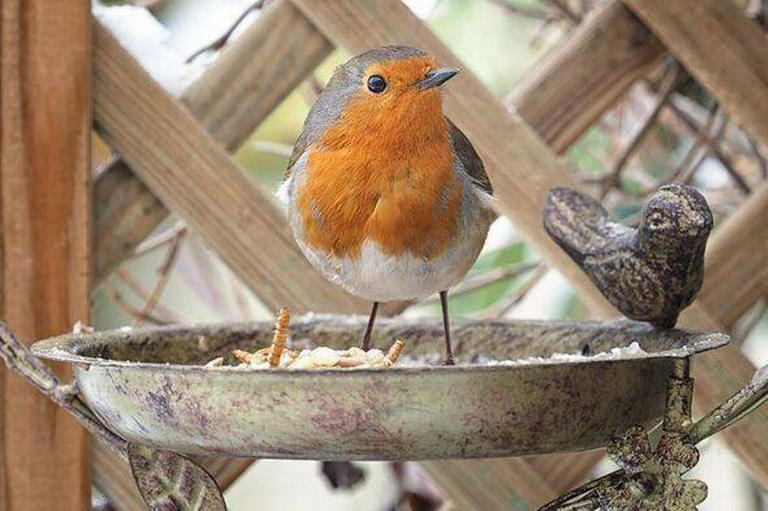
Mealworms are a favorite among many garden birds like robins and blue tits. You can buy dried or live mealworms from garden centers or online. Offering live insects mimics their natural diet and keeps birds coming back for more.
Besides mealworms, small insects such as crickets or waxworms also provide excellent protein. Try placing them in shallow dishes or feeders designed for soft food. Have you noticed how quickly birds flock to these treats compared to seeds?
Boiled Eggs
Boiled eggs are an easy and affordable source of protein for your feathered friends. Simply hard boil an egg, chop it finely, and scatter it on your bird table or in a dish. Birds like blackbirds and thrushes particularly enjoy this treat.
Eggs contain essential amino acids that help birds recover during nesting or after long flights. Avoid adding salt or seasoning, as pure egg is best. Would you believe that some birds even crack open shells to get extra calcium?
Cheese And Yogurt
Small amounts of plain cheese and yogurt can add variety to your bird feeding routine. Choose unsalted, unflavored options to keep it safe and healthy. Soft cheeses or thick yogurt attract species such as tits and sparrows.
These dairy products provide protein and beneficial fats, supporting energy levels during colder months. However, offer them sparingly to avoid spoilage and waste. Are you surprised to learn that some birds enjoy dairy despite common misconceptions?
Foods To Avoid In The Garden
Feeding birds in your garden helps support local wildlife. Choosing the right foods keeps birds healthy and happy. Some foods can harm birds or make them sick. Avoid these to protect your feathered friends.
Salty And Sugary Items
Birds cannot process salt well. Too much salt causes dehydration and health problems. Sugary foods offer no real nutrition. They can upset birds’ digestion and energy balance. Avoid giving chips, candy, or salty snacks.
Processed Human Foods
Processed foods often have additives and preservatives. These can harm birds’ health over time. Items like bread, crackers, and fast food lack essential nutrients. Bread can fill birds up but cause malnutrition. Stick to natural, bird-friendly foods instead.
Toxic Plants And Seeds
Some plants and seeds are poisonous to birds. Avoid feeding avocado, rhubarb leaves, and fruit pits. These contain toxins that can cause illness or death. Check if a plant or seed is safe before offering it in your garden.
Tips For Feeding Garden Birds Safely
Feeding birds in your garden can be a joyful experience, but it comes with responsibilities. Ensuring that you feed them safely protects their health and keeps your garden birds coming back. Simple habits can make a big difference in creating a safe feeding environment for your feathered friends.
Clean Feeding Areas Regularly
Dirty feeders can spread diseases among birds quickly. Clean your bird feeders at least once every two weeks using hot water and mild soap. Rinse well and let them dry completely before refilling to prevent mold and harmful bacteria.
If you notice leftover food or droppings, clear them out immediately. You’ll see more birds visiting a clean, inviting spot rather than a dirty one.
Provide Fresh Water
Birds need water not just for drinking but also for bathing. Keep a shallow birdbath filled with fresh water and change it daily, especially in hot weather. Stagnant water can attract pests and spread illnesses.
In winter, consider a heated birdbath to prevent freezing. Your birds will appreciate having safe water access all year round.
Avoid Overfeeding
Offering too much food can lead to waste and attract unwanted pests like rats or squirrels. Start by giving small amounts of seeds or nuts and observe how quickly the birds eat. Adjust the quantity to match their appetite.
Overfeeding can also cause birds to rely too much on your feeder, reducing their natural foraging skills. Ask yourself: are you helping birds or making them dependent?
Credit: www.inkl.com
Frequently Asked Questions
What Types Of Seeds Attract Garden Birds?
Sunflower seeds, millet, and nyjer seeds are top choices. These seeds attract a wide variety of birds. They provide essential nutrients and energy for garden birds year-round.
Can I Feed Birds Bread In My Garden?
Avoid feeding bread to birds as it lacks nutrition. Bread can cause health issues and pollution. Opt for seeds, nuts, or fruits instead for a healthier diet.
How Often Should I Refill Bird Feeders?
Refill feeders every few days or when empty. Consistent food supply helps birds rely on your garden. Clean feeders regularly to prevent mold and disease.
Are Suet Cakes Good For Garden Birds?
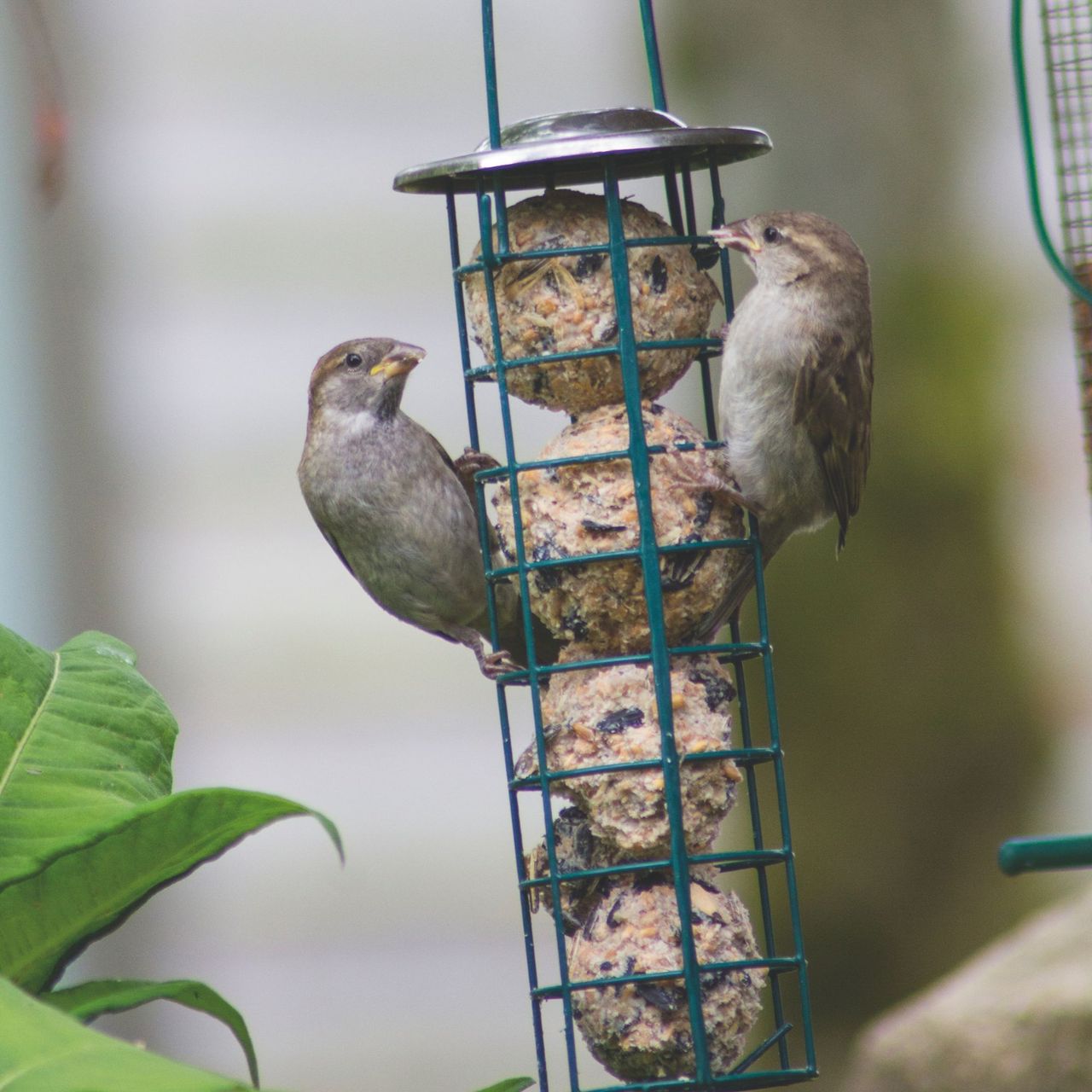
Yes, suet cakes are excellent, especially in winter. They provide high-energy fats birds need in cold weather. Choose suet with seeds, nuts, or dried fruits.
Conclusion
Feeding birds in your garden brings joy and helps nature thrive. Choose seeds and foods that suit local bird species well. Keep feeders clean to protect birds from illness. Offer fresh water for drinking and bathing too. Watch birds enjoy their meals and brighten your days.
Small efforts make a big difference for garden wildlife. Start feeding today and connect with the beauty of birds nearby.