

Are you tired of birds treating your backyard like their personal dining area? Perhaps you’re looking for a way to gently encourage them to find a new spot to frequent.
Feeding birds to make them go away might sound counterintuitive, but with the right approach, it can be surprisingly effective. Imagine waking up to a quieter morning, with fewer feathered visitors causing a ruckus. In this guide, we’ll explore clever feeding strategies that will peacefully redirect birds elsewhere.
Ready to reclaim your outdoor space? Let’s dive into the surprising solutions that work like magic.
Bird Feeding Basics
Understanding bird feeding basics is key if you want to influence which birds visit your yard—or even encourage them to move on. Birds are attracted to different foods based on their species and habits. Knowing what each bird prefers helps you decide what to offer or avoid.
Common Bird Types Around Homes
Many birds commonly hang around residential areas. These include:
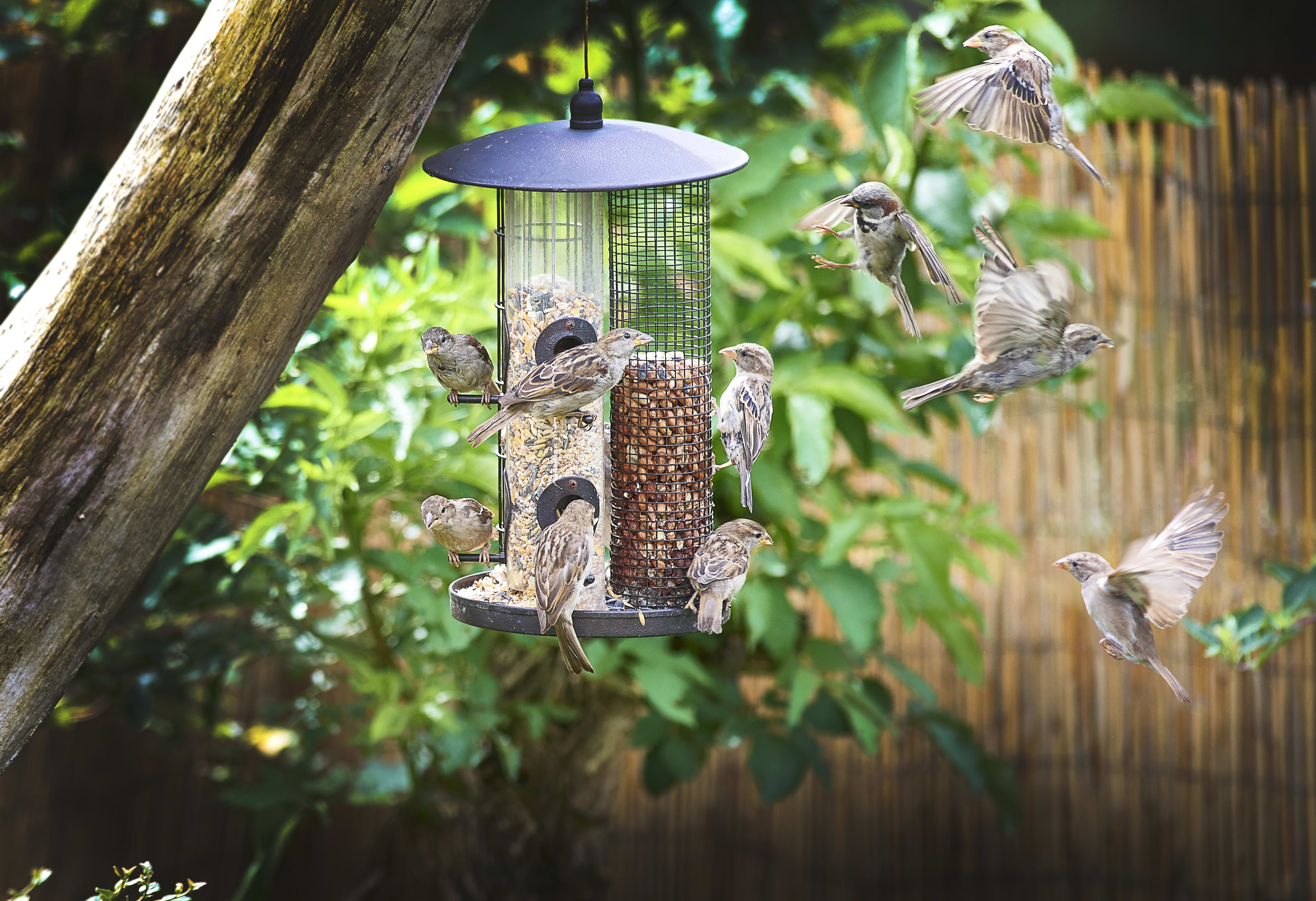
- House Sparrows:Small and social, often found near human activity.
- Pigeons:Large and adaptable, they thrive in urban settings.
- Starlings:Known for their noisy flocks and love for seeds.
- Finches:Colorful and seed-eaters, they enjoy feeders with sunflower seeds.
- Woodpeckers:Attracted to suet and insects in bark.
Each bird type has unique preferences. This influences what food you should put out.
Bird Feeding Habits
Birds don’t all eat the same way. Some prefer seeds, while others seek insects or fruit.
- Seed Eaters:Birds like finches and sparrows go for sunflower, millet, and cracked corn.
- Fruit Lovers:Orioles and some thrushes prefer berries and sliced fruits.
- Insect Eaters:Warblers and woodpeckers hunt insects or enjoy suet feeders.
- Generalists:Pigeons and starlings eat almost anything, including bread (though bread isn’t healthy for them).
Have you ever noticed how certain birds avoid your feeder while others swarm it? That’s because the food you provide shapes the visitors you attract.
To steer birds away, consider what they like to eat. If you stop offering their favorite food or replace it with less appealing options, they may look elsewhere. Think about your local birds and their habits—what could you change in your feeding routine to encourage them to move on?
Foods Birds Avoid
Knowing what foods birds avoid can be a clever way to discourage them from hanging around your yard or garden. Birds have sensitive taste buds and strong preferences that often keep them away from certain flavors and smells. By understanding these preferences, you can manage your outdoor space more effectively without harming the birds.
Bitter And Spicy Foods
Birds tend to steer clear of bitter and spicy flavors. Ingredients like chili peppers or bitter herbs can act as natural repellents. You might find that sprinkling crushed red pepper flakes around your plants or using bitter-tasting sprays keeps birds at bay.
One time, I noticed sparrows avoiding the peppered area near my vegetable patch after a few days. That small change saved my crops without needing traps or scare tactics.
Certain Seeds And Grains
Not all seeds attract birds. Some grains like rye or barley are less appealing to many bird species. If you want to avoid inviting birds, avoid scattering these seeds in your garden or bird feeders.
Instead, you can use seeds birds dislike to divert them away from specific areas. It’s a subtle way to manage their movement without causing harm.
Foods With Strong Smells
Strong odors often repel birds. Foods like garlic, onion, and vinegar have scents birds generally avoid. Placing these items or using sprays made from these ingredients around your garden can reduce bird visits.
Have you ever noticed how birds don’t linger near compost bins heavy with onion peels or garlic? That’s a practical example of how smell influences their behavior.
Natural Repellents In Food
Natural repellents in food offer a safe way to keep birds away from your garden or home. These substances use taste and smell to discourage birds without harming them. Using natural ingredients helps protect other wildlife and pets. These repellents work best when applied correctly and consistently. Here are some effective options you can try.
Using Capsaicin-based Ingredients
Capsaicin is the spicy compound found in chili peppers. Birds dislike its hot and burning sensation. Sprinkling chili powder or crushed red pepper around plants or bird-prone areas can repel them. Mix capsaicin with water to create a spray for leaves and surfaces. Avoid touching your eyes after handling capsaicin products. This natural irritant keeps birds away without toxic chemicals.
Applying Vinegar Solutions
Vinegar has a strong smell that birds find unpleasant. Dilute white vinegar with water in a spray bottle. Spray the mixture on surfaces where birds like to perch or nest. Vinegar also cleans bird droppings and deters return visits. Avoid spraying vinegar directly on plants as it may harm them. This easy method uses a common household item for bird control.
Incorporating Garlic And Onion
Garlic and onion have sharp odors that birds avoid. Crush garlic cloves or onions and place them near bird gathering spots. You can also mix garlic powder with water to spray around your yard. The scent masks food smells that attract birds. These natural ingredients help reduce bird visits without chemicals. Refresh the garlic and onion regularly to maintain effectiveness.

Credit: nesthollow.com
Foods To Avoid Feeding Birds
Choosing the wrong foods for birds can cause problems. Some foods harm birds or attract them more. Knowing what to avoid helps keep birds away safely.
Harmful Human Foods
Many common human foods are toxic to birds. Avoid these to protect birds and discourage them from visiting.
- Chocolate – contains substances toxic to birds.
- Avocado – can cause heart and respiratory issues in birds.
- Onions and garlic – may cause digestive upset and anemia.
- Alcohol – even small amounts can be deadly.
- Caffeine – harmful to birds’ nervous systems.
High-sugar And Processed Items
Sweet and processed foods attract birds but damage their health. They also encourage more birds to gather.
- Candy and sweets – cause obesity and health problems.
- Processed bread – lacks nutrition and can cause mold growth.
- Chips and salty snacks – disrupt birds’ water balance.
- Sugary drinks – harmful to birds and should never be offered.
Alternative Bird Deterrent Methods
When feeding birds to deter them doesn’t work or isn’t an option, alternative bird deterrent methods can help protect your space effectively. These methods focus on discouraging birds through their senses or by blocking access. Let’s look at some practical ways you can use visual, sound, and physical barriers to keep birds away without causing harm.
Visual Deterrents
Birds rely heavily on sight, so visual deterrents can be very effective. Reflective objects like shiny tape, old CDs, or metallic balloons catch the light and create movement that birds find unsettling.
Placing decoys such as fake owls or hawks can also work, especially when you move them regularly so birds don’t get used to their presence. Have you noticed how birds avoid areas with flashing or moving reflections? That’s the key to making visual deterrents work for you.
Sound-based Repellents
Birds are sensitive to sound, and certain noises can drive them away. Devices emitting predator calls or distress signals trigger a natural fear response in birds.
Ultrasonic repellents use high-frequency sounds that humans can’t hear but birds find uncomfortable. However, effectiveness varies, and you might need to combine sounds with other methods for better results. What sounds do you think would annoy birds enough to leave your garden alone?
Physical Barriers
Blocking birds from landing or nesting is a straightforward way to keep them away. Netting over fruit trees or garden beds stops birds from reaching your plants.
Spikes on ledges or wires stretched across surfaces prevent birds from perching comfortably. These barriers don’t harm the birds but make your space less inviting. Have you tried using physical barriers around your home, and how did the birds react?

Credit: www.youtube.com
Safety Tips When Feeding Birds
Feeding birds can be enjoyable but requires care to keep everyone safe. Safety is important to protect your family, pets, and the environment. Follow these tips to feed birds without harm.
Protecting Pets And Children
Keep bird food out of reach of pets and children. Some bird seeds and feeders can cause choking or digestive issues. Use bird feeders placed high or away from play areas.
Teach children not to touch wild birds or their droppings. Wash hands after any contact with bird food or feeders. Watch pets around bird feeding spots to avoid fights or eating harmful items.
Avoiding Environmental Damage
Choose bird food that does not attract pests like rats or insects. Avoid overfeeding to prevent leftover food from rotting on the ground. Clean feeders regularly to stop mold and bacteria growth.
Use natural, non-toxic bird seed and avoid processed foods. Dispose of empty bags and waste properly. Feeding birds in one spot can prevent damage to other garden areas.
Credit: dengarden.com
Frequently Asked Questions
What Types Of Bird Food Repel Birds Effectively?
Birds dislike spicy or bitter foods like chili flakes or pepper. Avoid seeds and sweet foods to prevent attraction. Using these foods can discourage birds without harming them, making your space less appealing.
Can Feeding Birds Unwanted Foods Keep Them Away?
Yes, feeding birds foods they dislike, such as citrus peels or garlic, can deter them. These strong smells and tastes make birds avoid the area naturally, reducing their presence without using harmful chemicals.
Are There Safe Foods To Feed Birds To Make Them Go Away?
Safe deterrent foods include spicy seeds or bitter-tasting grains. These options discourage birds gently without causing harm. Avoid toxic substances and always choose non-toxic natural repellents for humane bird control.
How Does Food Affect Bird Behavior In My Garden?
Food influences bird visits by attracting or repelling them. Providing disliked foods sends a clear message to birds to avoid your garden. This method helps control bird presence naturally and safely.
Conclusion
Feeding birds the right way helps keep them away safely. Avoid foods they like, such as seeds and bread crumbs. Use less attractive options like spicy or bitter foods instead. Keep your feeding spots clean to reduce visits. Remember, gentle methods work best to protect both you and birds.
Patience and consistency make a big difference over time. This simple approach keeps birds at a distance without harm. Try these tips and enjoy a peaceful outdoor space.