

Have you ever stumbled upon a baby bird, chirping helplessly on the ground? Your instinct might be to help, but knowing what to feed fledgling wild baby birds can be a challenge.
You want to ensure their survival and give them the best chance to grow strong. But what exactly do they need to eat? Understanding the right diet is crucial, and it can make all the difference in these little creatures’ lives.
By the end of this article, you’ll feel confident in providing the right care and nourishment for these tiny, feathered beings. Let’s dive into what you need to know to help these fledglings thrive.
Credit: www.kwikpets.com
Identifying Fledgling Birds
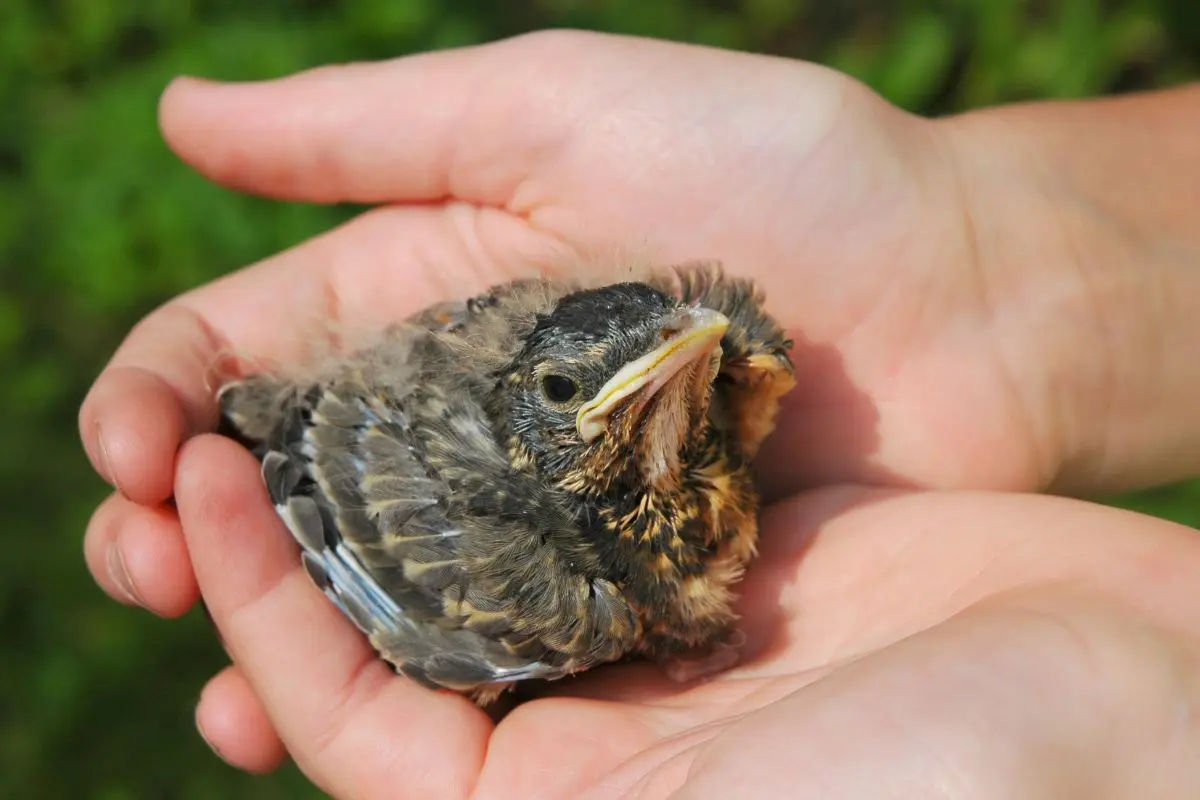
Identifying fledgling birds is key to helping them properly. These young birds have just left the nest but still need care. Understanding their traits helps decide if feeding or rescue is needed.
Signs Of A Fledgling
- Fluffy feathers mixed with growing adult feathers
- Short tail and wing feathers that look uneven
- Clumsy movements and weak flight attempts
- Begging calls or open mouths signaling hunger
- Staying on the ground or low branches
Common Species Found
| Species | Typical Habitat | Diet in the Wild |
|---|---|---|
| American Robin | Gardens, parks | Insects, berries |
| House Sparrow | Urban areas, farms | Seeds, insects |
| Blue Jay | Woodlands, suburban areas | Nuts, insects, small fruits |
When To Intervene
- Bird is injured or bleeding
- Left alone in bad weather for hours
- Signs of extreme weakness or inability to move
- Parent birds are not nearby despite watching
- Clear danger from pets or predators
Credit: wildbloo.com
Nutritional Needs Of Fledglings
Feeding fledgling wild baby birds requires attention to their unique nutritional needs. These young birds are growing rapidly, so their diet must support strong muscles, healthy bones, and overall development. Understanding what nutrients they need can make a big difference in helping them thrive.
Protein Requirements
Protein is crucial for fledglings because it builds their muscles and feathers. You should aim to provide high-protein foods like insects, worms, and finely chopped boiled eggs. These options are easy to digest and closely match what wild birds naturally eat.
Have you noticed how active fledglings are? Their energy comes from protein-rich meals that fuel their daily exploration and growth. Avoid feeding them bread or seeds alone as these lack enough protein.
Hydration Essentials
Water is just as important as food. Young birds get most of their hydration from their diet, especially insects, but offering a small, shallow dish of fresh water nearby can help if you’re caring for them. Never force water directly into their mouths as this can cause choking.
Think about how often you drink water to stay alert—fledglings need hydration to keep their tiny bodies functioning. Moist foods like soaked dog kibble or finely mashed fruits can help maintain hydration levels.
Calcium And Vitamins
Calcium supports strong bones and healthy development. Crushed eggshells or a pinch of powdered calcium supplement added to their food can help meet this need. Vitamins A, D, and E are also essential for immune health and feather growth.
Can you imagine growing wings without enough calcium? That’s why a balanced diet with varied natural foods is key. Including leafy greens or small amounts of fruit can provide the vitamins fledglings require.
Safe Food Options
Feeding fledgling wild baby birds the right food is important for their growth. Safe food options provide necessary nutrients without harming their health. Choose foods that are natural and easy to digest. Avoid anything processed or toxic.
Insects And Worms
Insects and worms are a great source of protein for young birds. They mimic what birds eat in the wild. Offer small mealworms, crickets, or earthworms. These foods help build strong muscles and feathers. Avoid wild insects that may carry pesticides.
Soft Fruits And Berries
Soft fruits and berries provide vitamins and hydration. Use small pieces of apple, banana, or melon. Blueberries and strawberries are also good choices. Remove seeds and pits to prevent choking. These fruits support a bird’s energy and immune system.
Commercial Bird Foods
Specialized commercial bird foods can be safe and nutritious. Choose formulas made for baby birds or hand-feeding. These foods contain balanced proteins, fats, and vitamins. Follow the package instructions for mixing and feeding. Avoid foods with added sugars or artificial ingredients.
Credit: www.petsradar.com
Feeding Techniques
Feeding fledgling wild baby birds requires care and patience. Proper feeding techniques ensure the birds get enough nutrients without harm. Learning safe handling and timing helps the birds grow strong.
How To Feed Safely
Use a small, soft tool like a syringe or tweezers. Gently place food near the bird’s mouth. Avoid forcing food inside. Hold the bird securely but softly. Keep the feeding area clean to stop infections. Never feed birds with your fingers to avoid bites or injury.
Feeding Frequency
Young birds need frequent feeding. Feed every 15 to 20 minutes during daylight. As they grow, reduce feeding to every 30 minutes. Follow the bird’s hunger cues. Watch for signs like opening the mouth wide. Avoid feeding at night unless the bird is very young.
Avoiding Overfeeding
Do not feed too much at once. Overfeeding causes choking or digestive problems. Feed small amounts slowly. Stop feeding if the bird turns away or closes its mouth. Observe weight and growth to adjust food amounts. Keep food fresh and avoid leftovers that spoil.
When To Seek Professional Help
Knowing when to seek professional help for fledgling wild baby birds is crucial for their survival. Sometimes, despite your best efforts, the bird’s condition may require expert care. Acting quickly can make the difference between life and death for these fragile creatures.
Signs Of Illness
Watch closely for symptoms like lethargy, labored breathing, or visible injuries. If the bird is weak, not eating, or has unusual discharge from its eyes or beak, these are clear warning signs. You might notice the bird is unresponsive or has difficulty standing, which means it needs urgent care.
Have you ever tried feeding a baby bird only to find it refuses food repeatedly? That refusal could signal illness, not just hunger. These signs are your cue to stop trying home care and reach out for help.
Contacting Wildlife Rehabilitators
Wildlife rehabilitators have the training and resources to treat and nurture wild birds properly. You can find local rehabilitators through wildlife organizations or animal control agencies. Before transporting the bird, call ahead and follow their instructions carefully to avoid causing more stress.
Remember, handling a wild bird improperly can do more harm than good. A quick phone call can connect you to someone who knows exactly what to do next.
Legal Considerations
Keep in mind that many wild birds are protected by law, and it might be illegal to keep or care for them without a permit. This includes most native species, so it’s important to check regulations in your area. Contacting a licensed wildlife rehabilitator not only ensures proper care but also helps you stay within legal boundaries.
Have you ever thought about the legal side of rescuing wildlife? Understanding these rules protects both you and the bird, ensuring your good intentions don’t lead to unintended trouble.
Frequently Asked Questions
What Do Fledgling Wild Baby Birds Eat?
Fledgling wild baby birds eat soft insects, worms, and small larvae. These foods provide protein and nutrients vital for growth. Avoid feeding bread or milk, as they lack necessary nutrition. Always offer fresh, natural foods to mimic their natural diet.
How Often Should I Feed A Fledgling Bird?
Feed fledgling birds every 20 to 30 minutes during daylight hours. Frequent feeding supports their fast growth and energy needs. Avoid overfeeding or feeding at night, as it disrupts their natural development and rest cycles.
Can I Use Commercial Bird Food For Fledglings?
Commercial bird food is generally unsuitable for fledglings. They require soft, live or freshly prepared foods rich in protein. Use mealworms, crickets, or finely chopped insects instead. Always prioritize natural, species-appropriate diets over processed options.
Is It Safe To Feed Fledglings With A Syringe?
Using a syringe can be safe if done carefully. Feed small amounts slowly to avoid choking. Ensure the food is soft and at room temperature. Avoid forcing food, and consult wildlife experts for guidance on feeding techniques.
Conclusion
Feeding wild baby birds takes care and patience. Offer soft, protein-rich foods like insects and soaked dog food. Avoid giving bread or milk, which can harm them. Keep the feeding spot clean to prevent disease. Watch the birds often, but do not touch them too much.
Helping them grow strong is rewarding. Nature depends on our kindness and respect. Small acts make a big difference for fledglings. Keep learning and caring for these tiny lives.