

As April rolls in, your garden starts to buzz with life. Birds flit from branch to branch, singing melodies that signal the arrival of spring.
But with the changing season, these feathered friends need your help to thrive. So, what should you feed garden birds in April to keep them happy and healthy? This simple guide will reveal the best foods to offer, ensuring your garden becomes a bustling haven for birds.
You’ll discover why certain foods make a difference and how your choices can impact their well-being. Stick around to learn how you can transform your outdoor space into a sanctuary for birds, and enjoy the vibrant life it brings to your garden. You might just find that these small acts of kindness bring joy not only to the birds but also to your own heart.
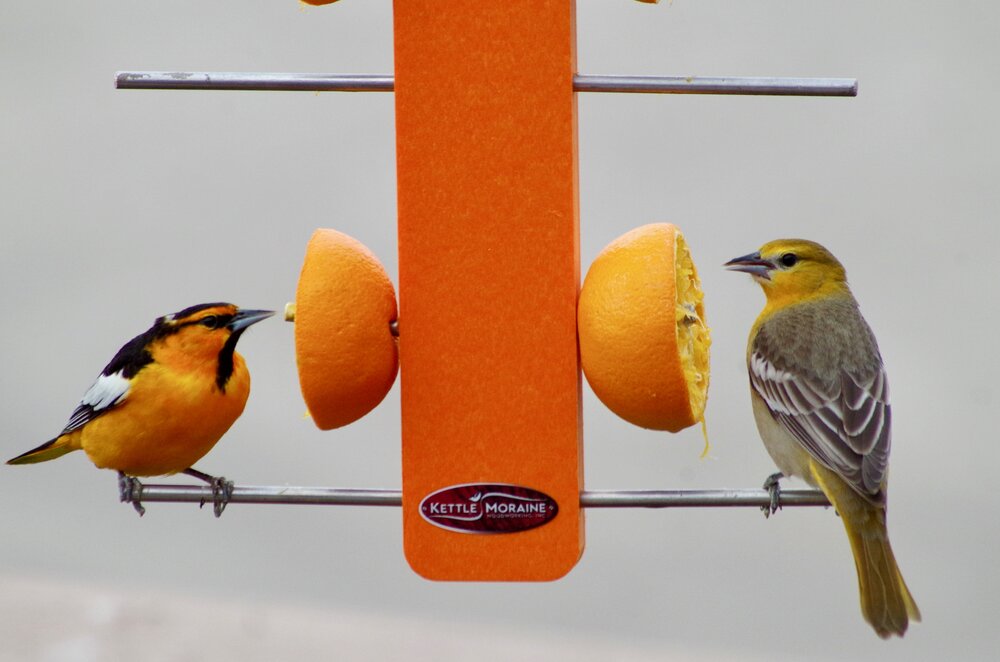
Credit: www.coffeeandchlorophyll.com
Spring Feeding Basics
Spring is a crucial time to support garden birds with the right food. Birds begin to change their diet as the season shifts. Providing suitable nourishment helps them stay healthy and build strength for nesting and raising chicks. Understanding the basics of spring feeding sets the stage for a thriving bird population in your garden.
Why April Matters
April marks the heart of spring. Birds start nesting and need extra energy. Natural food sources increase but may not be enough yet. Feeding birds now helps them survive and thrive. It supports breeding and chick growth during this busy time.
Birds’ Changing Diets
Birds eat less fat-rich food in spring. They shift toward insects, seeds, and fresh greens. Young birds need protein for growth. Adults require varied foods to stay strong. Offer mealworms, sunflower seeds, and chopped fruits to match their needs.
Weather Considerations
Spring weather can be unpredictable. Sudden cold snaps or rain affect food availability. Keep feeders stocked during bad weather spells. Use weather-resistant feeders to keep food dry. Monitor conditions and adjust feeding amounts as needed.
Best Foods For April
April brings a fresh wave of activity to your garden birds. They are busy feeding their young and rebuilding energy after winter. The right foods can make a real difference in supporting their health and growth during this crucial time.
High-energy Seeds
Seeds like sunflower, safflower, and nyjer provide essential fats and energy. These seeds help birds stay warm and active as they raise chicks. Offering a mix keeps your garden visitors coming back again and again.
- Black oil sunflower seedsare a favorite for many species because of their high fat content and thin shells.
- Safflower seedsare great for attracting cardinals and grosbeaks while keeping squirrels away.
- Nyjer seedsare perfect for small finches like goldfinches and siskins.
Soft Fruits And Berries
Birds love soft fruits in April as they are rich in vitamins and easy to digest. You can offer chopped apples, ripe pears, or small berries to add variety. It’s rewarding to see thrushes and robins eagerly pecking at these treats.
- Chopped apples and pears – remove seeds to keep it safe.
- Blueberries and raspberries – fresh or frozen works well.
- Grape halves – a juicy, sweet option birds enjoy.
Insects And Protein Sources
Protein is vital for growing chicks, and April is when insects become a key part of the diet. You can supplement natural feeding by offering mealworms or crickets in your feeders. I noticed when I added live mealworms last spring, my garden hosted more nesting birds than usual.
- Live or dried mealworms – excellent protein boost for insect-eating birds.
- Crickets – another nutritious option if you can source them.
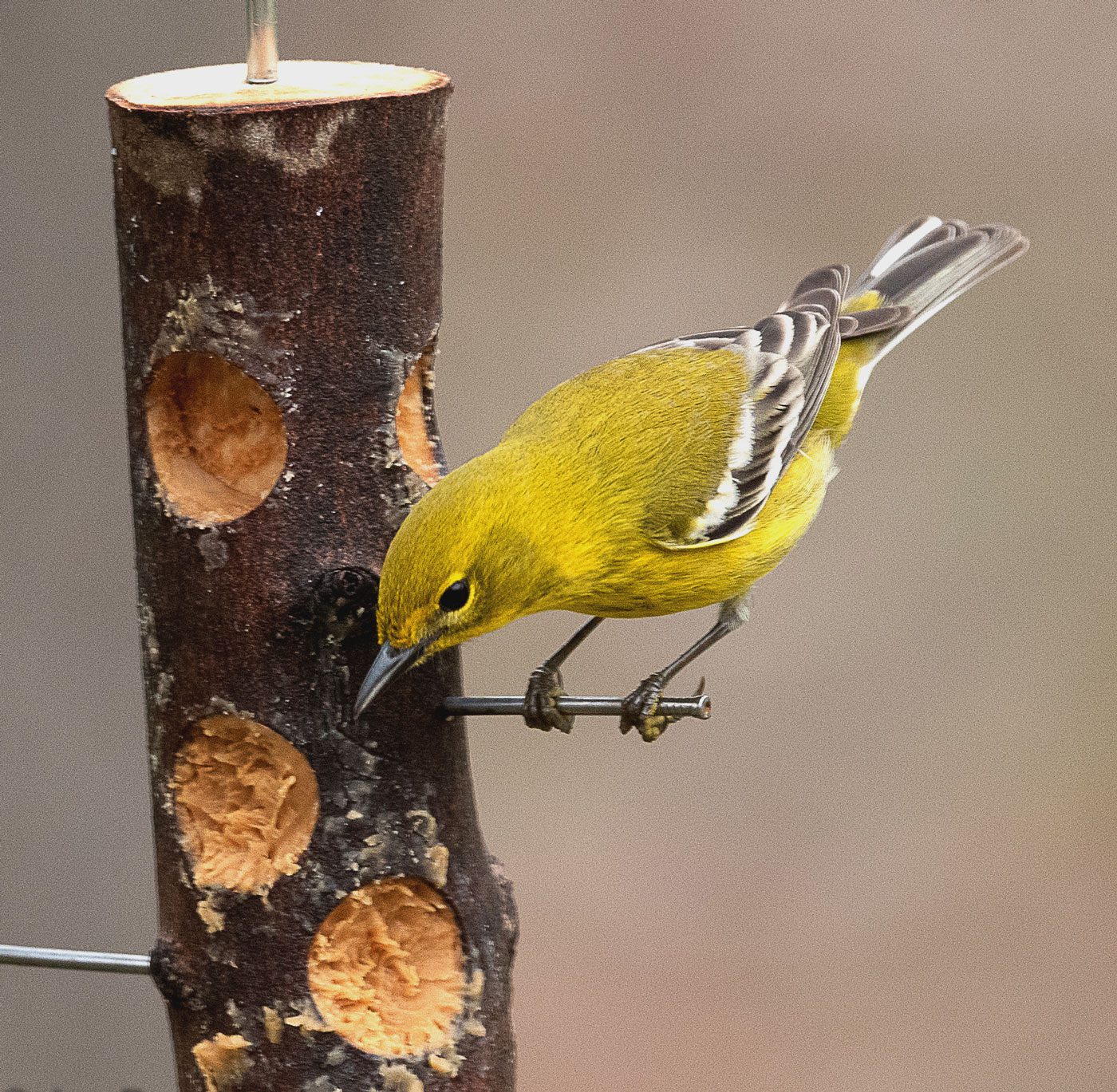
- Peanut pieces – high in protein but serve in moderation to avoid choking hazards.
What changes have you noticed in bird behavior during April? Trying these foods might reveal new visitors or encourage your regulars to stick around longer.
Feeding Techniques
Feeding garden birds in April requires more than just putting out food; it’s about how you present it. The right feeding techniques can attract a variety of birds and keep them coming back. Let’s look at some practical ways to make your garden a favorite spot for your feathered visitors this spring.
Choosing The Right Feeders
Select feeders based on the types of birds visiting your garden. Tube feeders are great for small birds like finches, while platform feeders attract larger species such as thrushes.
Consider feeder materials too. Metal feeders resist squirrels better than plastic ones. Also, think about ease of refilling and cleaning to make your feeding routine simpler.
Have you noticed certain birds shy away from crowded feeders? Adding multiple feeders spaced apart can reduce competition and stress among birds.
Safe Feeding Spots
Place feeders where birds feel safe from predators like cats. Near bushes or trees offers quick shelter and a lookout point.
Avoid areas with heavy foot traffic or loud noises that might scare birds away. In my garden, moving feeders closer to shrubs doubled the number of visits within a week.
Do you know where birds prefer to perch before landing? Observing their behavior helps you position feeders where they feel most comfortable.
Keeping Feeders Clean
Regularly cleaning feeders prevents the spread of diseases among birds. Use hot, soapy water and rinse thoroughly at least once a week.
Remove old or moldy food daily, especially during wet weather. Wet seeds can spoil quickly and harm your birds.
Have you ever seen birds avoiding a feeder? It might be time for a thorough clean. Healthy birds mean a lively garden you’ll enjoy watching every day.
Supporting Nesting Birds
Supporting nesting birds in April is essential as this is the peak breeding season. Birds need extra energy and nutrients to build nests, lay eggs, and raise their chicks. By providing the right foods and resources, you can help your garden visitors thrive during this critical time.
Foods For Breeding Birds
Breeding birds need high-protein foods to support egg production and chick growth. You can offer mealworms, chopped boiled eggs, and unsalted nuts, which are all rich in protein.
Fatty seeds like sunflower seeds and safflower seeds also give birds the energy they need for long days of feeding and nest building. Avoid sugary or processed foods, as these don’t provide the nutrients birds require.
Encouraging Natural Foraging
Let your garden stay a bit wild by allowing leaf litter and dead wood to remain in some areas. This creates a natural habitat for insects, which are a vital food source for many nesting birds.
Plant native shrubs and flowers that attract insects and provide berries. Have you noticed how birds spend time searching through bushes? That’s natural foraging in action, and it’s crucial for their diet.
Water Sources For Birds
Fresh water is just as important as food during nesting season. Birds need it not only to drink but also to soften food for their chicks.
Place a shallow birdbath or a small dish of water in a quiet, shaded spot. Remember to change the water daily to keep it clean and safe for your feathered friends.
Avoiding Common Mistakes
Feeding garden birds in April can be rewarding, but many well-meaning gardeners make mistakes that could harm the birds or reduce the benefits of feeding. Avoiding these common pitfalls ensures your feathered friends stay healthy and keep visiting your garden. Let’s look at some key areas where you can improve your feeding routine.
Foods To Skip In Spring
Some foods that seem harmless might actually cause problems in spring. Avoid offering bread, as it fills birds up with little nutrition and can lead to digestive issues. Also, steer clear of salty or processed foods since they can harm birds’ kidneys.
High-fat foods like suet are great in winter but can spoil quickly in warmer weather, attracting pests and mold. Instead, focus on fresh seeds, mealworms, and fruit that match the birds’ natural diet this season. Have you noticed certain foods making birds avoid your feeder? That could be why.
Preventing Mold And Spoilage
Moldy or spoiled food is dangerous for birds and can cause illness. Check your feeders daily during April when humidity rises and temperatures climb. Clean feeders regularly with hot soapy water to stop mold buildup.
Use feeders that protect food from rain and moisture, and only put out small amounts of food that birds can eat quickly. If you spot any damp or clumpy seeds, remove them immediately. Have you ever seen birds turn away from your feeder? Spoiled food might be the culprit.
Avoiding Overfeeding
It’s tempting to fill feeders generously, but overfeeding can discourage birds from foraging naturally. Too much food also leads to waste and attracts unwanted pests like rats or squirrels. Try to offer amounts that birds finish within a day or two.
Monitor your garden’s bird activity and adjust feeding amounts accordingly. If you notice leftover food piling up, cut back to prevent dependency and keep your garden balanced. What’s the right amount for your garden? Observing your local birds closely will guide you best.

Credit: www.allaboutbirds.org
Promoting Bird Health
Promoting bird health in April is essential for supporting their energy and growth. Birds need more than just seeds to stay strong during this busy season. Fresh food and proper nutrients help them build feathers and prepare for nesting.
Healthy birds are more active and better able to avoid illness. Careful feeding can reduce stress and boost their immune systems. Observing their needs helps you provide the best support for wild birds in your garden.
Supplements And Vitamins
Birds need vitamins to maintain good health and energy. Offer foods rich in vitamins A, D, and E. These support feather growth and immune defense.
- Soft fruits like berries provide vitamin C and antioxidants.
- Sprouted seeds contain essential nutrients.
- Mealworms and insects add protein and minerals.
You can also add crushed eggshells for calcium. This helps birds build strong bones and eggshells during breeding.
Monitoring Bird Behavior
Watch how birds react to your feeding. Notice changes in activity or appearance. Healthy birds appear alert and active.
Look for signs of illness like fluffed feathers or lethargy. If many birds avoid the feeder, check the food quality. Clean feeders regularly to prevent disease spread.
Seasonal Feeding Adjustments
Bird diets change with the seasons. In April, birds need more protein for nesting and raising chicks. Offer high-protein foods like insects and mealworms.
Reduce fatty seeds like sunflower kernels compared to winter. Provide fresh water daily to support hydration and digestion. Adjust feeding amounts as natural food sources increase outdoors.
Credit: www.allaboutbirds.org
Frequently Asked Questions
What Are The Best Seeds To Feed Garden Birds In April?
Sunflower seeds, nyjer seeds, and millet are ideal for April. These seeds provide essential nutrients and energy for birds returning from migration. Offering a mix attracts diverse species and supports their springtime activities.
Can I Feed Birds Fresh Fruits And Vegetables In April?
Yes, fresh fruits like apple slices and berries are great for birds. Vegetables such as peas and corn also provide vitamins and hydration. Always offer small, bite-sized pieces to make feeding easy and safe.
How Often Should I Refill Bird Feeders In April?
Refill feeders every two to three days in April. Birds are more active and need consistent food sources during breeding season. Clean feeders regularly to prevent mold and disease.
Is It Safe To Feed Birds Mealworms In Spring?
Yes, mealworms are a protein-rich treat perfect for spring. They help birds build strength for nesting and raising chicks. Use dried or live mealworms in moderation for best results.
Conclusion
Feeding garden birds in April helps them stay strong and healthy. Offer seeds, nuts, and soft fruits to attract many birds. Fresh water is also important for their daily needs. Keep feeding spots clean to avoid sickness. Watching birds enjoy your food brings joy and peace.
Small acts like these support nature close to home. Enjoy the lively visits and help birds thrive this spring.