

Are you looking to transform your garden into a vibrant haven for our feathered friends? Feeding garden birds in the UK is not just a hobby; it’s a delightful way to connect with nature and bring your outdoor space to life.
Imagine waking up to the cheerful chirps and colorful flutters right outside your window. But what should you offer these charming visitors to keep them coming back for more? In this guide, you’ll discover exactly what to feed garden birds in the UK, ensuring they receive the right nutrition throughout the year.
From seeds to suet, you’ll learn the secrets to attracting a diverse array of bird species, turning your garden into a bustling sanctuary. Stick around, and you’ll find out how a few simple changes can make your garden the go-to spot for birds. Ready to create your own avian paradise? Let’s dive in!
Best Seeds For Garden Birds
Choosing the right seeds can make a big difference in attracting a variety of birds to your garden. The best seeds provide energy, nutrition, and taste that garden birds love. Let’s look at some top seed options that you can easily add to your bird feeders to keep your feathered visitors happy and healthy.
Sunflower Seeds
Sunflower seeds are a favourite for many garden birds like tits, finches, and sparrows. They are rich in oil, which gives birds the energy they need, especially during colder months. Black oil sunflower seeds, in particular, have thinner shells, making them easier for smaller birds to crack open.
If you’ve noticed birds flocking around your feeder, it’s likely because they love sunflower seeds. I once swapped regular seeds for sunflower seeds, and the difference was immediate—more birds and more variety showed up within days.
Nyjer Seeds
Nyjer seeds are tiny but packed with nutrition. They are a top pick for attracting finches, like goldfinches and siskins, which have slender bills perfect for handling these small seeds. Nyjer seeds are best offered in special feeders with small holes to prevent spillage.
Are you struggling to attract colorful finches? Try adding nyjer seeds to your feeding routine and watch your garden come alive with vibrant birds.
Mixed Birdseed
Mixed birdseed blends offer a variety of seeds that can attract a broad range of birds. These mixes often include millet, cracked corn, sunflower seeds, and sometimes peanuts, catering to different tastes and species. They’re ideal if you want to encourage diversity without buying multiple seed types.
One tip: check the seed mix ingredients carefully. Some low-quality mixes contain filler seeds that birds often ignore, wasting your money. Choosing a high-quality mix ensures your garden birds get the best nutrition and keep coming back.
Nutritious Foods To Offer
Feeding garden birds with nutritious foods helps them stay healthy and active. Birds need a variety of foods to get enough energy and nutrients. Offering the right foods supports their natural diet and habits. Here are some nutritious options to include in your bird feeding routine.
Peanuts And Tree Nuts
Peanuts and tree nuts provide high energy and protein. Birds like blue tits, great tits, and woodpeckers enjoy these. Always offer unsalted and unroasted nuts to keep birds safe. Avoid giving whole nuts that are too large to swallow. Chop them into smaller pieces if needed. Nuts can be offered in mesh bags or scattered on feeders.
Suet And Fat Balls
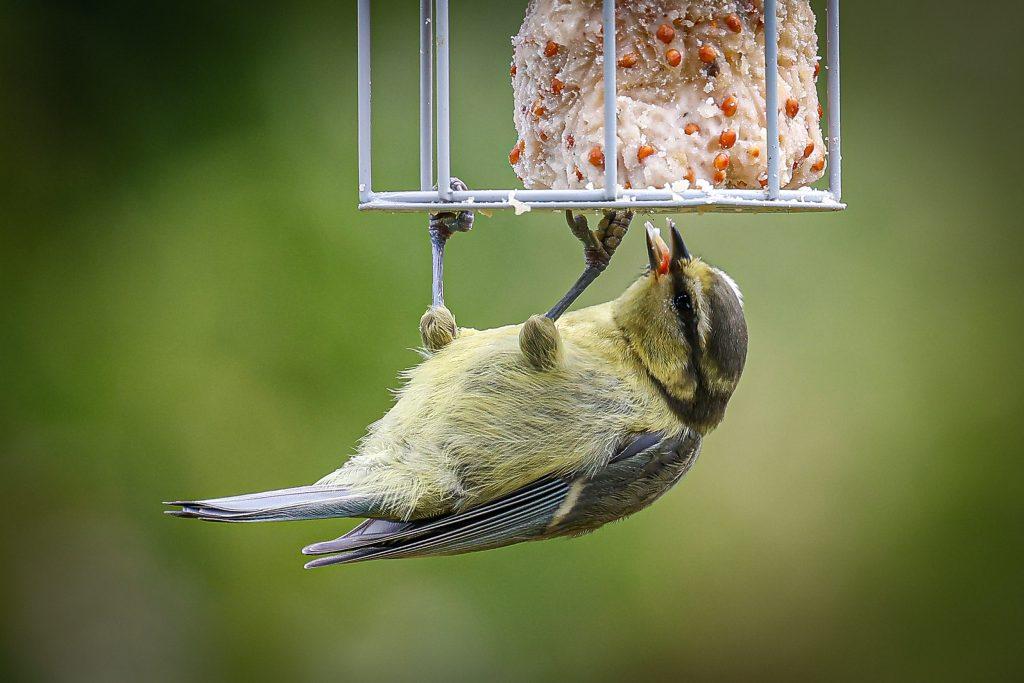
Suet and fat balls are rich in fats that birds need for warmth. They are especially useful during cold months. These foods attract species like robins, tits, and nuthatches. You can buy ready-made suet balls or make your own at home. Place them in suet feeders or hang them from tree branches. Avoid suet with added sugars or artificial ingredients.
Mealworms And Insects
Mealworms and insects offer protein and essential nutrients. Birds feeding young chicks benefit from these foods. Blackbirds, robins, and wrens often seek out live or dried mealworms. Provide live mealworms in a shallow dish or dried ones in feeders. Insects support natural feeding habits and help birds grow strong.
Fruits And Vegetables For Birds
Fruits and vegetables are a wonderful way to add variety to your garden birds’ diet. They provide essential vitamins and hydration, especially during dry spells or cold months. Offering a mix of these natural treats can encourage different bird species to visit your garden.
Berries And Apples
Many birds love juicy berries like blackberries, raspberries, and elderberries. These fruits are packed with nutrients and antioxidants that help birds stay healthy. Apples are also a great choice—cut them into small pieces or thin slices to make it easier for birds to eat.
Try putting out a small plate of mixed berries or apple slices and watch which birds show up. You might be surprised by the variety! Have you noticed certain birds prefer one fruit over another in your garden?
Vegetable Scraps
Vegetable scraps can be a great food source, especially in colder months when fresh options are scarce. Offer bits of carrot, peas, sweetcorn, or leafy greens like spinach and kale. Make sure the pieces are small and soft enough for birds to manage easily.
I once left out some boiled potato peelings and was amazed to see robins and blackbirds quickly enjoying the unexpected treat. Do you keep a small bowl of veggie scraps by your feeder? It can turn into a popular spot for hungry birds.
Avoiding Harmful Foods
Not all fruits and vegetables are safe for birds. Avoid onions, garlic, avocado, and raw potato, as these can be toxic. Also, stay away from salted or seasoned scraps—birds don’t need extra salt or spices in their diet.
Keeping harmful foods out of reach protects your feathered visitors and keeps them coming back happily. Are you confident that what you offer is safe? Double-checking can make a big difference.
Feeding Tips For Different Seasons
Feeding garden birds changes with the seasons. Different weather and food availability affect their needs. Birds need energy and nutrients that match the time of year. Providing the right food helps them stay healthy and active all year.
Winter Feeding Needs
Winter is harsh for garden birds. Food is scarce, and cold weather demands more energy. Offer high-energy foods like sunflower seeds, peanuts, and suet. These foods help birds keep warm and strong. Fresh water is important too, as natural sources may freeze. Keep feeders clean to prevent disease.
Summer Feeding Advice
In summer, birds find natural food easily. Offer fresh fruits and mealworms to add variety. Avoid fatty foods like suet in hot weather. Water is very important for drinking and bathing. Place shallow dishes with clean water in the garden. Change water daily to keep it fresh.
Spring And Autumn Considerations
Spring is breeding time for many birds. Provide soft foods like mealworms and chopped fruits. Seeds and nuts support birds preparing for migration in autumn. Clean feeders regularly to stop mold growth. Watch for new birds learning to feed themselves. Adjust the food type as the seasons change.
Safe Feeding Practices
Feeding garden birds is a rewarding activity, but it comes with responsibilities to ensure their health and safety. Safe feeding practices prevent the spread of diseases and help create a thriving bird-friendly environment. Paying attention to cleanliness, food quality, and feeder design plays a big role in supporting your feathered visitors.
Clean Feeders Regularly
Dirty feeders can quickly become breeding grounds for bacteria and fungi. Clean your feeders at least once a week with hot water and a mild detergent. Rinse thoroughly to remove any soap residues that might harm the birds.
During wet weather, increase cleaning frequency to prevent sticky seeds or droppings from accumulating. I once noticed a drop in bird visits when feeders were left uncleaned for two weeks. After a thorough wash, the birds returned almost immediately, showing how cleanliness matters.
Avoiding Mold And Spoiled Food
Moldy or spoiled food is dangerous to birds and can cause serious illness. Always check seeds and suet for signs of mold before filling feeders. If you see any discoloration, clumping, or odd smells, discard the food immediately.
Store bird food in airtight containers in a cool, dry place to extend freshness. Have you ever wondered why some birds avoid certain feeders? Spoiled food might be the reason they stay away. Keeping food fresh ensures birds keep coming back.
Choosing The Right Feeder Types
Different bird species prefer different feeder styles, and choosing the right type can reduce contamination risks. Tube feeders with small perches keep food off the ground and away from pests. Tray feeders are easier to clean but require more frequent maintenance.
Consider feeders with drainage holes to prevent water buildup that causes mold. I found that using a mix of hanging and platform feeders attracts a wider variety of birds while keeping feeding areas cleaner. What feeder type works best in your garden to balance convenience and bird safety?
Credit: www.birdspot.co.uk
Attracting Specific Bird Species
Attracting specific bird species to your garden requires understanding their food preferences. Different birds enjoy different types of seeds, fruits, and insects. Tailoring your feeding choices helps bring a variety of birds to your outdoor space. This also supports their health and natural behaviour.
Feeding Tits And Finches
Tits and finches love high-energy seeds. Sunflower seeds are a popular choice. These birds enjoy peanuts and nyjer (thistle) seeds too. Fat balls or suet cakes provide extra energy, especially in winter.
- Black sunflower seeds
- Nyjer seeds for finches
- Peanuts, unsalted and shelled
- Suet balls or cakes
Use feeders with small perches. This suits their size and feeding style. Keep feeders clean to avoid disease.
Attracting Robins And Blackbirds
Robins and blackbirds prefer soft foods. Mealworms are a great choice. They also eat chopped apple and berries. These birds like ground feeding or low trays.
- Live or dried mealworms
- Chopped apples
- Blackberries and other berries
- Soft fruits like grapes
Place feeders near bushes or shrubs. This offers shelter and a sense of safety.
Welcoming Sparrows And Starlings
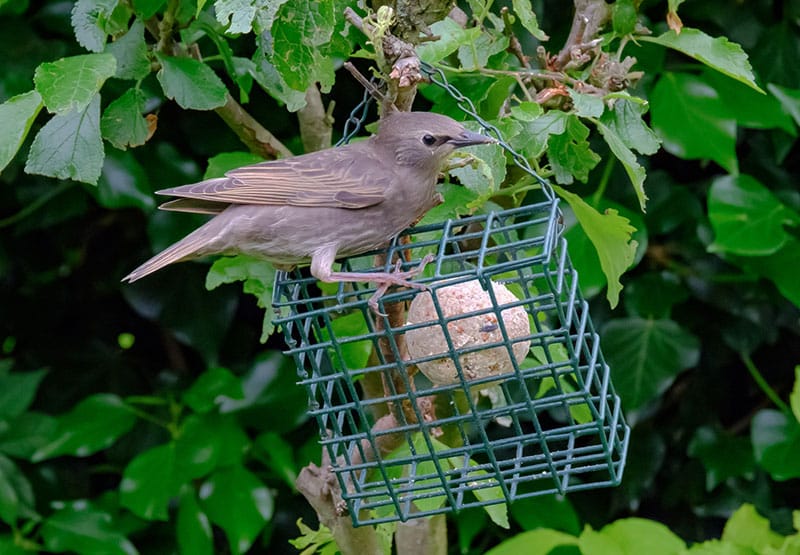
Sparrows and starlings enjoy mixed seeds and grains. Wheat, oats, and cracked corn attract them. Bread crumbs in small amounts can work too. These birds often feed on the ground.
- Mixed bird seed blends
- Cracked maize or corn
- Oats or wheat grains
- Small bread crumbs
Use wide, shallow trays or ground feeders. Place feeders in open areas to help these birds feel safe.
Water Sources For Garden Birds
Water is as essential for garden birds as food. Birds need fresh, clean water for drinking and bathing. Providing water sources helps birds stay healthy and active. Your garden can become a safe haven for many bird species with simple water options.
Birdbaths And Fresh Water
Birdbaths offer a perfect spot for birds to drink and bathe. Choose a shallow bath, about 2 inches deep. Place it in a quiet, visible area. A stable, non-slippery surface is best to avoid accidents. Adding small stones inside helps birds perch safely. Change the water daily to keep it fresh.
Maintaining Clean Water
Clean water prevents diseases in garden birds. Remove leaves, dirt, and droppings regularly. Use a soft brush and mild soap to scrub birdbaths weekly. Avoid harsh chemicals that can harm birds. Rinse well to remove soap traces. Check water temperature; avoid freezing or overheating.
Providing Water Year-round
Birds need water in every season. In winter, prevent water from freezing. Use heated birdbaths or add warm water often. Summer requires frequent water changes to avoid algae. Rainwater collection can be a natural water source. Keep water accessible during dry spells and frosty days.
Credit: www.wigglywigglers.co.uk
Credit: help.gardeningexpress.co.uk
Frequently Asked Questions
What Food Attracts Garden Birds In The Uk?
Seeds like sunflower, nyjer, and mixed seeds attract many UK garden birds. Peanuts, suet, and mealworms also are popular choices, providing energy and nutrients birds need.
Can I Feed Bread To Garden Birds In The Uk?
Bread is not recommended for garden birds. It lacks nutrients and can cause health problems, especially moldy bread. Safer options include seeds, nuts, and fruits.
When Is The Best Time To Feed Garden Birds In The Uk?
Feed garden birds year-round, but especially in winter. Cold months reduce natural food supplies, so providing food helps birds survive and stay healthy.
How Do I Keep Bird Feeders Clean And Safe?
Clean feeders weekly with hot water and mild detergent. Rinse thoroughly to remove bacteria and mold. Cleanliness prevents disease and keeps birds safe.
Conclusion
Feeding garden birds in the UK brings joy and life to your outdoor space. Choose seeds, nuts, and fruits that suit local birds. Keep food fresh and clean to help birds stay healthy. Small changes make a big difference for your feathered friends.
Enjoy watching birds visit your garden every day. Simple care creates a happy, lively garden full of birds.