

Feeding infant baby birds can feel like a daunting task, especially if you’re new to the world of avian care. You might be wondering what the right food is, how often to feed them, and how to ensure they’re getting all the nutrients they need to grow strong and healthy.
It’s a delicate balance, but with the right guidance, you can become confident in your ability to nurture these tiny creatures. Imagine the joy and fulfillment you’ll experience knowing you’re giving them the best start in life. We’ll walk you through exactly what you need to know about feeding infant baby birds, ensuring they thrive under your care.
Are you ready to become a vital part of their journey? Let’s dive in!
Choosing The Right Food
Choosing the right food for infant baby birds is vital for their growth and survival. Baby birds need nutrients to build strong bones, feathers, and muscles. The food must be easy to digest and match their natural diet as closely as possible. Feeding the wrong food can cause health problems or slow development.
Young birds rely on high-protein, soft, and moist food. Their tiny bodies require frequent feeding with small portions. Understanding which foods support their needs helps ensure they thrive. Below are key points to guide your feeding choices.
Types Of Suitable Foods
- Soft insects like mealworms, crickets, and small caterpillars provide protein.
- Mashed hard-boiled eggs offer essential amino acids and fats.
- Moistened dog or cat kibble can be used if softened well with water.
- Fruit purees such as apples, bananas, or berries can add vitamins and hydration.
- Cooked rice or oatmeal supplies carbohydrates and energy.
Foods To Avoid
- Milk and dairy products are hard for baby birds to digest.
- Salty, sugary, or processed human foods can harm their health.
- Whole seeds or nuts may cause choking or digestive issues.
- Raw meat and bones are unsafe and difficult to digest.
- Foods with pesticides or chemicals can be toxic.
Commercial Baby Bird Formulas
Specialized formulas designed for baby birds contain balanced nutrients. They come in powder or paste form and mix easily with water. These formulas support proper growth and reduce feeding risks. Use formulas as directed for best results.
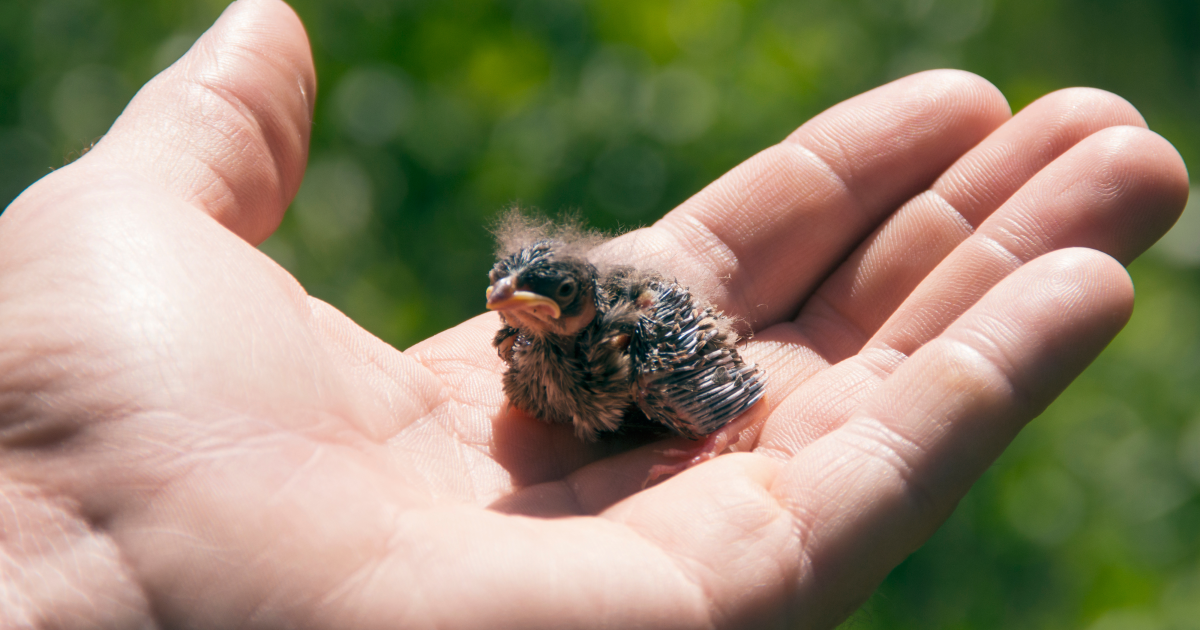
Credit: pethelpful.com
Feeding Techniques
Feeding infant baby birds requires more than just offering the right food; the techniques you use can greatly affect their survival and growth. Mastering these feeding techniques ensures that the tiny birds get the nutrition they need without causing harm or stress. Let’s look at how to prepare the food, establish a proper feeding schedule, and use safe tools to make feeding easier and safer for both you and the birds.
Preparing The Food
Start by selecting foods that closely match what the bird’s parents would feed them. Soft, moist foods like soaked dog kibble, hard-boiled eggs, or finely chopped insects work well.
Always mash or blend the food into a smooth, pudding-like texture to avoid choking hazards. If the mixture is too thick, add a little warm water to thin it out.
Keep the food fresh and prepare small batches to prevent spoilage. Have you noticed how some baby birds refuse food that’s too cold? Serving the food lukewarm can make a big difference.
Proper Feeding Frequency
Baby birds have tiny stomachs, so they need frequent feedings throughout the day. Feeding every 20-30 minutes during daylight hours mimics natural feeding patterns for many species.
As the chicks grow, you can gradually increase the time between feedings. Watch for signs of hunger or fullness, like begging calls or a closed mouth, to adjust your schedule.
Remember, overfeeding can be as harmful as underfeeding. Are you paying close attention to your feathered friend’s cues?
Safe Feeding Tools
Use tools that allow you to feed gently and accurately. Small spoons, eyedroppers, or soft paintbrushes work well for delivering food into the baby bird’s mouth.
Avoid using sharp or large objects that can injure the delicate beak or throat. Sterilize your feeding tools before each use to prevent infections.
Holding the bird carefully but securely will help prevent accidental injury during feeding. Have you tried using a soft cloth to gently support the bird while feeding? It helps keep them calm and steady.
Nutritional Needs
Infant baby birds need the right nutrition to grow strong and healthy. Their bodies require specific nutrients to support rapid development. Feeding them properly helps build muscles, feathers, and a strong immune system. Understanding what nutrients they need is key to their survival and growth.
Protein Requirements
Protein is essential for baby birds. It helps build muscles and tissues. Their diet should include high-quality protein sources. Insects, worms, and small pieces of cooked egg are good options. Protein supports quick growth and energy. Avoid foods low in protein as they slow development.
Vitamins And Minerals
Vitamins and minerals keep baby birds healthy. They help with bone growth and feather formation. Calcium is vital for strong bones and beaks. Vitamin A supports eye health and immune function. Include foods like finely chopped fruits and vegetables to provide these nutrients. Supplements can help if natural food is lacking.
Hydration Tips
Water is important for baby birds’ health. They get some moisture from their food. Offer clean, fresh water daily to avoid dehydration. Use a dropper or shallow dish for easy access. Never force-feed water as it can cause choking. Proper hydration aids digestion and overall well-being.

Credit: www.amazon.com
Monitoring Growth And Health
Keeping a close eye on your infant baby bird’s growth and health is crucial. Early signs can tell you if your feeding routine is working or if adjustments are needed. Regular monitoring helps you catch problems before they become serious, ensuring your little feathered friend thrives.
Signs Of Healthy Development
Healthy baby birds should show steady weight gain and growing feathers. Their eyes open on schedule, and they become more active each day. Listen for their soft chirping sounds—they indicate comfort and well-being.
You might notice your baby bird’s posture improving; a strong, upright stance means good muscle development. Bright, clear eyes and smooth skin also signal good health. Are you tracking their progress with a small scale or notebook? It helps you spot any slow growth early.
Common Health Issues
Watch for signs like lethargy, weak limbs, or constant begging without feeding. Swollen eyes, runny nostrils, or abnormal droppings can hint at infections. Sometimes, baby birds develop crop infections—if their crop feels hard or doesn’t empty properly, it’s a red flag.
Feather loss or unusual fluffiness could mean parasites or skin problems. These issues often appear suddenly, so daily checks are vital. Have you noticed any changes in behavior or appearance that worry you?
When To Seek Veterinary Help
If your baby bird stops eating or losing weight despite your care, it’s time to call an expert. Sudden breathing difficulties, persistent swelling, or injuries also require immediate attention. Don’t wait for symptoms to worsen; early veterinary care can save lives.
Keep contact info for a bird-savvy vet handy before problems arise. Sometimes, you’ll need professional advice on feeding techniques or medication. Remember, your attentiveness makes a huge difference in your baby bird’s survival and happiness.
Weaning Baby Birds
Weaning baby birds is a crucial step in their growth. It marks the time they begin to eat solid food instead of only relying on regurgitated meals from their parents or caregivers. This process needs patience and care to ensure the baby birds grow strong and healthy. Understanding when and how to start weaning helps make this transition smooth and stress-free for the young birds.
Recognizing Readiness
Baby birds show clear signs when ready to start weaning. They begin pecking at food and showing curiosity about new textures. Their beaks grow stronger, allowing them to handle solid food better. Watch for increased activity and eagerness during feeding times. These signs mean they can handle more than just soft, mashed food.
Transitioning To Solid Food
Introduce soft solid foods gradually. Start with small pieces of fruit, soaked seeds, or softened pellets. Offer food that mimics their natural diet for better acceptance. Avoid hard or dry foods that might be difficult to chew. Keep fresh water available at all times. Patience is key; some birds take longer to adjust than others.
Encouraging Independence
Let baby birds try feeding themselves under supervision. Place food within easy reach and reduce hand-feeding slowly. Praise and gentle encouragement help build confidence. Allow them to explore new foods and textures safely. Independence is vital for their survival outside the nest. Support their learning without forcing or rushing the process.
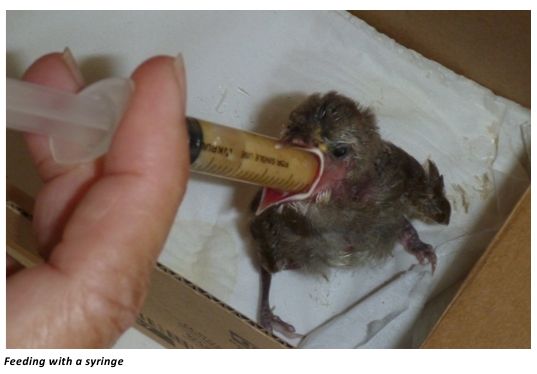
Credit: besgroup.org
Frequently Asked Questions
What Do Infant Baby Birds Eat In The Wild?
Infant baby birds mainly eat insects, worms, and regurgitated food from parents. These provide essential proteins and nutrients. Their diet varies by species and habitat, but protein-rich soft foods are crucial for healthy growth and development.
Can I Feed Baby Birds Bread Or Milk?
No, bread and milk are harmful to baby birds. Bread lacks nutrients and can cause malnutrition. Milk can upset their digestive system. Instead, provide specialized bird formula or soft insects to ensure proper nutrition and survival.
How Often Should I Feed An Infant Baby Bird?
Feed infant baby birds every 15 to 20 minutes from dawn until dusk. Frequent feeding mimics natural parental care and supports their rapid growth. Avoid long gaps to prevent starvation or dehydration.
What Is The Best Homemade Food For Baby Birds?
A mix of soaked dog or cat kibble, hard-boiled eggs, and mealworms works well. This blend offers protein, fats, and moisture, closely resembling natural diets. Always mash food to a soft consistency for easy swallowing.
Conclusion
Feeding baby birds right helps them grow strong and healthy. Soft foods like soaked dog kibble or mealworms work well. Avoid giving bread or milk, as they can harm the birds. Keep feedings small and frequent to mimic nature. Watch the babies carefully to see if they eat enough.
Your care can make a big difference in their survival. Every small step counts in helping these little creatures thrive. Caring for baby birds brings joy and teaches patience too.