

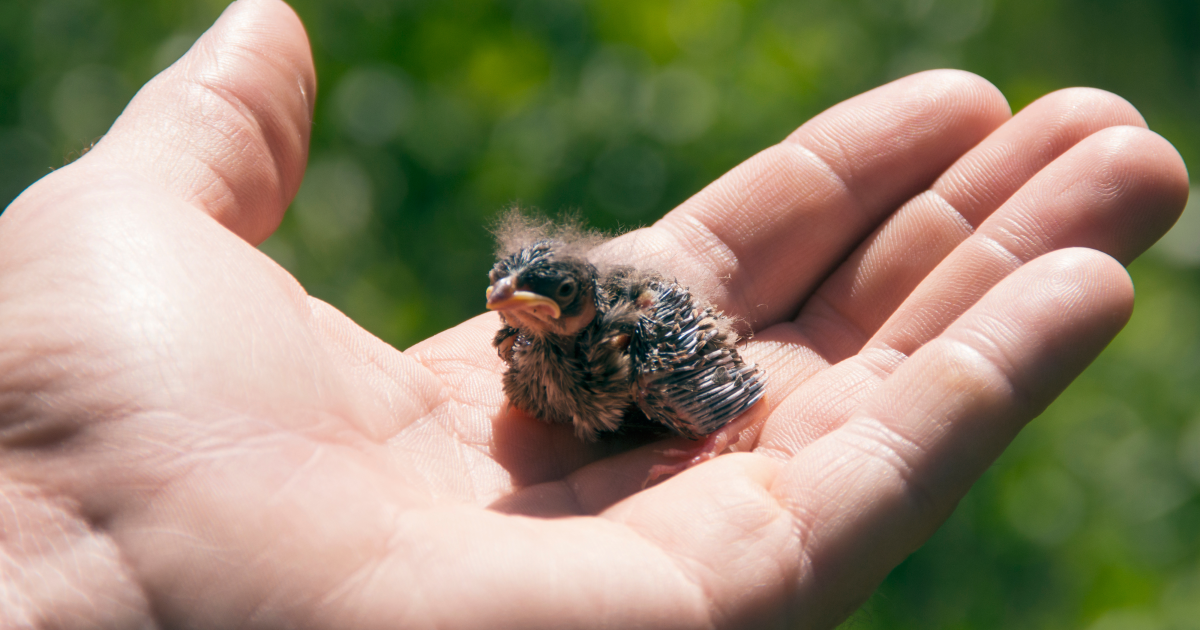
Watching baby birds chirping and fluttering around is a delightful sight. Yet, when you stumble upon a tiny, hungry hatchling, the question arises: what do you feed little baby birds?
Your heart might be full of good intentions, but it’s crucial to know the right steps to take. Feeding these delicate creatures the wrong food can be harmful. Understanding their needs is essential to ensure they grow healthy and strong.
Keep reading to discover the simple yet vital information that can help you make a real difference in a baby bird’s life. Your nurturing touch could be the key to its survival and thriving, making this knowledge not just useful, but transformative.
Credit: pethelpful.com
Choosing The Right Food
Choosing the right food for little baby birds is very important. Their tiny bodies need the right nutrients to grow strong and healthy. Feeding them the proper diet helps support their development and keeps them safe from harm. Understanding what baby birds naturally eat and what foods to avoid will guide you in making the best choices.
Natural Diet Of Baby Birds
Baby birds usually eat a diet rich in protein and moisture. Their parents feed them insects, worms, and small larvae. These foods provide essential nutrients for growth. Soft fruits and seeds can also be part of their diet, depending on the species. Mimicking this natural diet is the best way to care for baby birds.
Commercial Bird Foods
Many pet stores sell special formulas for baby birds. These foods are made to match the nutrition found in a natural diet. They come in powder or pellet form and are easy to prepare. Using commercial bird food ensures baby birds get balanced nutrients. Always follow the instructions on the packaging for safe feeding.
Avoiding Harmful Foods
Some foods can be dangerous or harmful to baby birds. Avoid giving them bread, milk, or salty snacks. These can cause illness or digestive problems. Also, do not feed baby birds chocolate, caffeine, or anything with sugar. Stick to safe, natural, or commercial foods designed for birds only.
Feeding Techniques
Feeding little baby birds requires more than just the right food—you need the right techniques to ensure they get the nutrition they need safely and comfortably. Handling tiny, fragile birds can be intimidating, but using proper feeding techniques helps you build trust and avoid harm.
Hand-feeding Methods
Hold the baby bird gently but firmly to avoid injury. Use a small syringe or a dropper to deliver food slowly into the bird’s mouth. Never force the food; let the bird swallow at its own pace to prevent choking.
Some birds respond better to hand-feeding when you mimic their natural feeding posture, like holding them upright or slightly tilted. Pay attention to their reactions—if they pull away or refuse, pause and try again later.
Feeding Frequency And Amounts
Baby birds need frequent feeding because their metabolism is very fast. Newborns might require feeding every 15 to 20 minutes, while older chicks can go longer between meals.
Start with small amounts of food and increase gradually as the bird grows. Overfeeding can cause health problems, so watch for signs of fullness, such as a rounded crop or lack of interest in food.
Tools For Feeding
- Syringes:Ideal for precise feeding and controlling flow, especially for very young birds.
- Dropper Pipettes:Useful for gentle feeding and smaller portions.
- Small Spoons or Brushes:Good for older chicks who can lap up food on their own.
Choose tools that fit the size of the baby bird’s mouth and are easy for you to handle. Clean your tools thoroughly after every feeding to prevent infections. Have you noticed how having the right tool can make feeding less stressful for both you and the bird?
Hydration Needs
Keeping little baby birds properly hydrated is as important as feeding them. Without enough water, their tiny bodies can quickly become weak and dehydrated, which can be life-threatening. Understanding their hydration needs helps you provide the right care and support their healthy growth.
Water Requirements
Baby birds need water to stay alive, but they don’t drink like adult birds do. They usually get moisture from the food you provide, especially if it’s soft and juicy. However, in hotter weather or if the food is dry, you may need to add water carefully.
Too much water can be dangerous. Baby birds can accidentally inhale water, causing choking or pneumonia. So, always keep water amounts small and controlled.
Safe Hydration Practices
- Use a dropper or syringe:Gently offer water drop by drop to avoid choking.
- Mix water with food:Add a little water to soften dry foods like soaked dog kibble or baby bird formula.
- Never give plain water in a bowl:Baby birds can drown easily in open water containers.
- Observe their response:If a baby bird refuses water or coughs, stop immediately and try again later.
Have you ever noticed how quickly a small bird can become lethargic without water? It’s a powerful reminder that hydration is a life-or-death issue. Always prioritize safe water delivery as much as feeding to keep your little feathered friends thriving.

Credit: www.youtube.com
Signs Of Healthy Growth
Recognizing the signs of healthy growth in baby birds is key to ensuring they receive the right nutrition and care. These signs help you track their progress and adjust feeding routines as needed. Watching your little birds develop can be a rewarding experience that keeps you connected to their wellbeing.
Physical Development Milestones
Healthy baby birds show clear physical signs of growth. Their feathers begin to grow in smoothly, replacing the initial downy fluff. You’ll notice their eyes open fully and become bright, signaling alertness and vitality.
Weight gain is another important milestone. If you can, gently weigh the bird daily to see consistent increases. Their legs and wings also strengthen, preparing them for their first attempts at fluttering or hopping.
Have you seen how the beak hardens and sharpens over time? This change means they are ready to start nibbling on more solid foods. Keep an eye on these milestones to know when to adjust their diet.
Behavioral Indicators
Healthy baby birds are active and responsive. They will often beg energetically for food, showing strong feeding motivation. If they seem lethargic or uninterested in eating, it may signal a problem.
As they grow, you’ll see more curious behavior like head bobbing or chirping loudly. This shows good neurological development and overall health. Are your baby birds reacting to sounds and movements around them?
Another sign is their ability to regulate body temperature. Healthy chicks fluff up and adjust their posture to stay warm without excessive shivering. Watching these behaviors gives you clues about their comfort and health status.
Common Feeding Challenges
Feeding little baby birds can be rewarding, but it comes with its own set of challenges. You might find that despite your best efforts, some birds don’t respond well to the food you provide. Understanding these common feeding challenges helps you adapt your approach and keep your tiny guests healthy and happy.
Dealing With Picky Eaters
Not all baby birds have the same taste preferences. Some may refuse certain foods, even if those foods are nutritious and safe. You might notice your baby bird turning away from a meal you prepared carefully.
Try offering a variety of textures and flavors to see what they prefer. Mixing soft insects with small bits of fruit or soaked dog kibble can sometimes tempt picky eaters. Have you tried changing the food temperature? Some birds respond better to warm food, while others might prefer it cooler.
Patience is key. It often takes several attempts before a baby bird accepts a new type of food. Don’t give up too quickly—your persistence can make a big difference.
Health Issues Related To Diet
Feeding baby birds the wrong diet can lead to health problems such as malnutrition or digestive issues. A diet too high in fat or too low in protein can weaken their immune system and slow growth.
Watch for signs like lethargy, unusual droppings, or failure to gain weight. These can indicate dietary problems. If you notice any of these, reconsider the food you’re offering and consult a wildlife rehabilitator if possible.
Remember, baby birds need a balanced diet rich in protein, vitamins, and minerals. You can add boiled egg yolk, mealworms, or specialized bird formula to support their development. How often do you check the condition of the food to prevent spoilage? Freshness matters as much as content.
Transitioning To Solid Foods
Transitioning baby birds to solid foods is a crucial step in their growth. This phase helps them develop the skills they need to feed themselves and thrive outside the nest. Understanding when and how to make this change ensures the little birds get the nutrition they need without stress.
When To Start
You should begin introducing solid foods when the baby bird’s feathers start to grow in and they show curiosity about what you are feeding. This usually happens around 10 to 14 days after hatching, but it varies by species. Watch for signs like pecking at food or opening their mouths eagerly for new textures.
If you start too early, the bird may struggle to digest solid foods. Too late, and they might become dependent on hand-feeding. Have you noticed your baby bird trying to nibble on something? That’s your cue to introduce solids.
Types Of Solid Foods
Choose soft, easy-to-digest foods that mimic what wild baby birds eat. You can offer small bits of cooked vegetables like peas or carrots, soaked dog kibble softened with water, or mashed fruits such as apples and bananas.
- Boiled egg yolks mashed finely provide excellent protein.
- High-quality baby bird formula mixed thicker than usual helps with the transition.
- Mealworms or finely chopped insects support natural diets for insectivorous species.
Keep the pieces small and moist to avoid choking. Your goal is to gradually reduce reliance on formula and increase the variety of textures.
Encouraging Independent Eating
Patience is key when encouraging baby birds to eat on their own. Place small amounts of food within easy reach and let them explore at their own pace. You might be surprised how quickly curiosity leads to independence.
Try offering food on a shallow dish or your finger to make it accessible. Praise and gentle encouragement help build their confidence. Have you seen how a little encouragement can turn hesitation into eager pecking?
Remember to keep mealtimes consistent. Over time, you’ll notice your baby bird reaching for food more often without your help. This independence is an important milestone toward a healthy, self-sufficient bird.

Credit: m.youtube.com
Frequently Asked Questions
What Is The Best Food For Baby Birds?
The best food for baby birds is a mix of high-protein insects and soft fruits. Mealworms, mashed boiled eggs, and finely chopped fruits provide essential nutrients. Avoid bread or milk, as they can harm baby birds. Always offer food suitable for the bird species.
Can I Feed Baby Birds Bread Or Milk?
No, feeding bread or milk to baby birds is harmful. Bread lacks nutrients and can cause malnutrition. Milk is hard for birds to digest and may lead to illness. Instead, provide protein-rich foods like insects or specialized bird formula for healthy growth.
How Often Should I Feed Little Baby Birds?
Feed baby birds every 15 to 20 minutes from sunrise to sunset. Young birds require frequent feeding to maintain energy and growth. As they mature, feeding intervals can gradually increase. Always observe the bird’s hunger signals to adjust feeding frequency.
Is It Safe To Give Baby Birds Water Directly?
Generally, do not give baby birds water directly. They get enough hydration from their food. Offering water can cause choking or aspiration. If necessary, provide moisture-rich foods instead. Always ensure the baby bird’s environment is warm to prevent dehydration.
Conclusion
Feeding baby birds needs care and the right food. Soft, small insects and mashed fruits help them grow strong. Avoid giving bread or milk; these can harm them. Always offer fresh water nearby for drinking. Patience matters—feed little amounts often to keep them healthy.
Watching them eat brings joy and teaches kindness. Helping baby birds means supporting nature’s small lives gently. Keep learning about their needs to give the best care. Every little action makes a difference for these tiny creatures.