
Have you ever stumbled upon a tiny, chirping baby bird, seemingly lost and helpless? It tugs at your heartstrings, doesn’t it?
In that moment, your instincts kick in, urging you to help. But what should you feed a lost baby bird to ensure it gets the nourishment it needs? You might be worried, hoping not to harm the fragile creature with the wrong food.
This guide is here to ease your concerns and provide you with the best tips on how to care for these little feathered friends. Keep reading to uncover essential insights that could turn you into a hero for a needy nestling. Your newfound knowledge could make all the difference.
Identifying The Baby Bird
Identifying a lost baby bird is the first crucial step before deciding what to feed it. Knowing exactly what kind of bird you are dealing with helps you provide the right care and avoid causing harm. You need to carefully observe the bird’s features and behavior to understand its needs.
Signs Of A Lost Bird
Is the baby bird alone or separated from a nest? Young birds often fall out accidentally, but some might be abandoned. Look for signs like open mouth begging, weak chirping, or visible distress.
Check if the bird is featherless or has only down feathers—that usually means it’s very young and needs more delicate care. If the bird is hopping around and has feathers but looks confused, it might be a fledgling learning to fly. Recognizing these signs helps you decide if the bird truly needs help or if it’s better to leave it alone.
Age And Species Matters
Baby birds’ diets vary widely depending on their age and species. A tiny hatchling that hasn’t left the nest yet usually needs a high-protein diet, often insects or specialized formula. Older fledglings may start eating seeds, fruits, or other types of food.
Knowing the species can guide you toward the right feeding approach. For example, songbirds like robins eat insects, while pigeons feed their young with “pigeon milk” produced in their crops. If you’re unsure about the species, use a bird identification app or consult a local wildlife expert.
Have you ever tried feeding a baby bird without knowing its species? The chances of giving the wrong food are high, which can harm the bird. Taking the time to identify the bird’s age and species increases its chances of survival and thriving once returned to the wild.
Immediate Care Steps
Taking immediate care of a lost baby bird is crucial for its survival. The first moments after finding the bird set the tone for its safety and health. Proper steps help calm the bird and prepare it for feeding.
Focus on creating a calm space and gentle handling. These steps reduce stress and prevent injury. Start by making the bird feel secure and comfortable.
Creating A Safe Environment
Place the baby bird in a small, warm container. Use a box lined with soft cloth or paper towels. Keep the container away from drafts and direct sunlight.
Ensure the space is quiet and free from pets or loud noises. This helps the bird stay calm and rest. Avoid overcrowding or adding too many items inside the box.
Maintain warmth by using a heating pad under half of the container. Check that the heat is gentle to avoid overheating. A temperature of about 85-90°F (29-32°C) is ideal for most baby birds.
Handling The Bird Gently
Use clean hands or soft gloves to handle the bird. Avoid sudden movements or loud sounds. Hold the bird carefully, supporting its body without squeezing.
Keep handling to a minimum to reduce stress. If you must move the bird, do so slowly and calmly. Avoid touching the bird’s wings or legs too much.
Observe the bird’s behavior for signs of distress. If the bird struggles or makes noise, pause and give it time to relax. Gentle care helps build trust and keeps the bird safe.
Feeding Basics
Feeding a lost baby bird requires careful attention to its needs. Baby birds have delicate stomachs and specific diets. Providing the right food supports their growth and health. Offering improper food can harm or stress the bird. Understanding the basics helps keep the bird safe and nourished.
What Baby Birds Eat
Most baby birds eat soft, protein-rich foods. Common choices include:
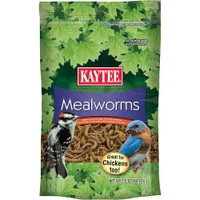
- Insects like mealworms and small crickets
- Soft fruits such as mashed berries or bananas
- Boiled eggs, finely chopped
- Specialized bird formula from pet stores
- Soaked dog or cat kibble, softened with water
Food should be small and easy to swallow. Feeding should happen every 15-20 minutes during daylight.
Foods To Avoid
Some foods can be dangerous to baby birds. Avoid these:
- Milk or dairy products
- Bread or crackers
- Raw meat or fish
- Salty, sugary, or processed human foods
- Avocado, chocolate, caffeine, or alcohol
These foods can cause illness or death. Always provide fresh, clean water in small amounts.
Credit: www.petsradar.com
Preparing The Food
Preparing food for a lost baby bird requires care and attention. The food must be soft, nutritious, and easy to swallow. Birds need protein, vitamins, and minerals to grow strong. Avoid giving them bread or milk. These can harm their health. Use fresh ingredients and clean water for every feeding. The right food helps the baby bird heal and grow quickly.
Homemade Feeding Mixtures
Homemade mixtures offer natural nutrition. Use cooked egg yolk, mashed banana, and soaked dog or cat kibble. Blend these ingredients with warm water to make a smooth paste. The texture should be like thick oatmeal. Avoid lumps that can choke the bird. Feed small amounts to prevent overfeeding.
- Cooked egg yolk provides protein and fat
- Banana adds vitamins and energy
- Soaked kibble supplies essential nutrients
- Warm water softens the mix for easy feeding
Using Commercial Bird Food
Commercial bird food is a safe and reliable choice. Select formulas designed for baby birds or hand-feeding. These products have balanced nutrients to support growth. Mix the powder with warm water until smooth. Avoid cold or hot temperatures to protect the baby’s digestion. Follow the package instructions closely for best results.
- Provides balanced nutrition
- Easy to prepare and feed
- Reduces risk of harmful bacteria
- Available in pet stores and online
Feeding Techniques
Feeding a lost baby bird requires gentle care and the right technique. Proper feeding helps the bird grow strong and healthy. It is important to be patient and careful during feeding times. Using the correct tools and feeding at the right frequency ensures the bird gets enough nutrition without harm.
Proper Feeding Tools
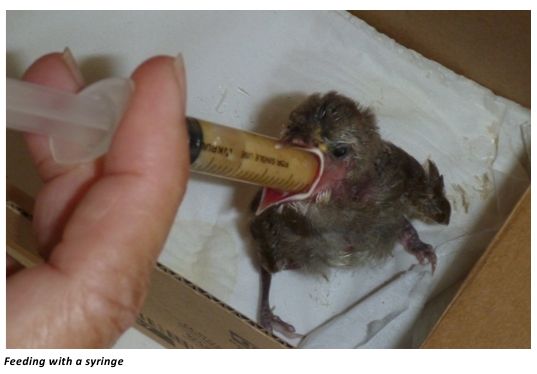
Use small and soft tools to feed a baby bird safely. A small syringe or dropper works well for tiny mouths. Tweezers can help offer food pieces gently. Avoid large spoons or anything hard that might hurt the bird. Warm the food slightly to make it easier to swallow. Make sure tools are clean to prevent infections.
Frequency And Amount
Feed the baby bird often but in small amounts. Young birds need food every 15 to 20 minutes during daylight. As the bird grows, reduce feeding to every 30 to 60 minutes. Watch the bird’s crop, a small pouch in its neck, to see if it is full. Stop feeding if the crop looks full to avoid overfeeding. Keep a steady schedule to help the bird feel secure.
Credit: besgroup.org
When To Seek Professional Help
Knowing when to seek professional help for a lost baby bird can be the difference between life and death. Sometimes, despite your best efforts, the bird needs more than just food and shelter. Recognizing the signs early can ensure the little one gets the care it truly needs.
Signs Of Illness
Pay close attention to the bird’s behavior. Is it unusually quiet or lethargic? A healthy baby bird should be active and responsive.
Look for physical signs like:
- Fluffed-up feathers that don’t settle
- Labored breathing or wheezing sounds
- Visible wounds or swelling
- Droppings that are watery or discolored
If you notice any of these, don’t hesitate. The bird might be sick or injured and needs immediate care.
Contacting Wildlife Experts
Wildlife rehabilitators and veterinarians have the skills and resources to treat and nurture baby birds properly. They understand the specific needs of different species, which is crucial for recovery.
Reach out to:
- Local wildlife rescue centers
- Licensed bird rehabilitators
- Veterinary clinics with experience in avian care
Keep their contact info handy before you find yourself in an emergency. When you call, describe the bird’s condition clearly and follow their advice carefully. Have you ever tried to nurse a bird back to health without expert guidance? It can be tough and sometimes harmful without the right knowledge.
Tips For Releasing Back To Nature
Releasing a lost baby bird back into nature is a delicate process that requires careful planning. You want to give the bird the best chance of survival once it leaves your care. Understanding the right time to release and how to prepare the bird can make all the difference.
Timing The Release
Releasing the bird too early can be dangerous, while waiting too long might make it dependent on humans. Watch for signs that the bird is strong and active. It should be able to feed itself and fly short distances.
Consider the weather, too. Avoid releasing the bird during heavy rain or extreme heat. A calm, mild day helps the bird adjust more easily. Have you noticed how some birds seem more confident on sunny days? That’s a good hint for release timing.
Preparing The Bird For Survival
Help the bird practice natural behaviors before release. Encourage it to hop, flap its wings, and explore small outdoor spaces. This builds strength and coordination.
Feed the bird a diet similar to what it would find in the wild. If you cared for an insect-eating species, gradually introduce live insects. This teaches the bird how to hunt and eat independently.
Reduce human interaction as the release day approaches. The less the bird relies on you, the better its chances in nature. Think about how a shy bird learns to trust its instincts when left alone.

Credit: www.petsradar.com
Frequently Asked Questions
What Is Safe Food For A Lost Baby Bird?
Safe food includes soaked dog kibble, mealworms, and hard-boiled eggs. Avoid milk or bread, as they harm birds. Always provide food in small, soft pieces to prevent choking and ensure easy digestion for the baby bird.
How Often Should I Feed A Lost Baby Bird?
Feed the baby bird every 15 to 20 minutes from dawn to dusk. Young birds require frequent feeding to maintain energy. Avoid overfeeding, but never let the baby bird go hungry for long periods.
Can I Give Water Directly To A Baby Bird?
Avoid giving water directly to prevent choking. Instead, moisten the food to keep the bird hydrated. Baby birds get most water from their diet, so ensure food is damp but not dripping wet.
When Should I Contact A Wildlife Rehabilitator?
Contact a rehabilitator immediately if the bird is injured or weak. Also, seek help if unsure about feeding or care. Professionals ensure the baby bird’s proper recovery and eventual release into the wild.
Conclusion
Feeding a lost baby bird needs care and patience. Offer soft, easy-to-digest foods often. Avoid giving bread or milk, as they can harm the bird. Keep the bird warm and safe while feeding. Contact a wildlife expert for the best help.
Remember, your quick actions can save the little bird’s life. Every small step counts in helping it grow strong. Caring for a baby bird is a gentle, kind task. Stay calm and follow simple feeding tips carefully.