

Caring for a myna baby bird can be both a rewarding and challenging experience. You might find yourself wondering, “What exactly should I feed this tiny creature to ensure it grows healthy and strong?”
This question is crucial because the right diet can make all the difference in your bird’s development. Imagine the joy and satisfaction of seeing your myna thrive because of the care and nourishment you provide. In this guide, you’ll discover the essential foods and feeding techniques to give your feathered friend the best start in life.
Ready to become the ultimate myna caregiver? Let’s dive into the details that will help you nurture your little companion with confidence and ease.

Credit: www.youtube.com
Myna Baby Diet Basics
Feeding a myna baby bird the right food is essential to help it grow strong and healthy. Understanding the basics of their diet sets a solid foundation for their development. Let’s break down what your myna baby truly needs on a daily basis and what to avoid to keep it safe and thriving.
Nutritional Needs
Myna babies need a balanced mix of proteins, vitamins, and minerals to support their rapid growth. Protein helps build muscles and feathers, while vitamins keep their immune system strong.
Calcium is especially important for developing strong bones and healthy beaks. Fresh fruits and vegetables can provide essential vitamins and hydration. Think about how human babies need a variety of nutrients; myna chicks are no different.
Safe Food Choices
Offer soft, easy-to-digest foods that mimic what they would get in the wild. You can feed them soaked dog or cat kibble, finely chopped boiled eggs, and small pieces of soft fruits like papaya or banana.
- Cooked rice or oats mixed with mashed fruits
- Insects like mealworms or small crickets for protein
- Commercial hand-feeding formulas made specifically for baby birds
Make sure to serve food at room temperature to avoid crop burns. Have you noticed how baby birds in nature eat a variety of insects and fruits? Replicating this variety is key.
Foods To Avoid
Never feed your myna baby chocolate, caffeine, or salty foods as these can be toxic. Avoid avocado and onion, which are harmful to many bird species.
Raw beans and green potato skins contain toxins that could harm your baby bird. Also, stay away from processed human snacks—they lack the nutrition your myna needs and can cause digestive problems.
Have you checked every food item’s safety before offering it to your baby bird? A quick research saves a lot of heartache later.
Credit: besgroup.org
Feeding Schedule Tips
Feeding a baby myna bird requires a consistent schedule. This helps the bird grow strong and healthy. A well-planned feeding routine meets its nutritional needs. It also prevents overfeeding or underfeeding. Understanding how often and how much to feed is key to success.
Frequency By Age
Newborn myna chicks need feeding every 15 to 20 minutes. This is during daylight hours only. As they grow older, feeding frequency decreases. By the time they are two weeks old, feed every 1 to 2 hours. At three weeks, offer food 4 to 6 times daily. After a month, feeding can reduce to 3 to 4 times a day. This gradual reduction helps them learn to eat on their own.
Portion Sizes
Start with small portions to avoid waste and choking. Use a dropper or small spoon for precise feeding. For newborns, one to two drops per feeding is enough. Increase the amount slowly as the bird grows. At two weeks, feed about a pea-sized amount per feeding. By one month, portions can be doubled or tripled. Watch the bird’s response to adjust portion sizes carefully.
Signs Of Hunger And Fullness
- The baby bird opens its mouth wide and calls out. This shows hunger.
- It becomes more active and looks toward the food.
- If the bird pushes food away or turns its head, it is full.
- Slow or no begging usually means it does not need more food.
- Check for a soft crop after feeding, showing it is full.
Watching these signs helps avoid overfeeding. It also ensures the baby myna is well nourished.
Best Foods For Growth
Choosing the right foods for your myna baby bird is key to helping it grow strong and healthy. The right diet fuels development, boosts immunity, and supports overall wellbeing. Let’s look at the best foods that provide essential nutrients your myna baby needs every day.
Protein Sources
Protein is the building block for your myna’s muscles and feathers. Offering a variety of protein options keeps their diet balanced and interesting.
- Boiled eggs:Soft, finely chopped egg yolks are gentle on their digestive system and rich in protein.
- Mealworms:These are a natural treat packed with protein and fats that support rapid growth.
- Cooked chicken:Small pieces of plain, unseasoned chicken provide lean protein without added salt or spices.
- Sprouted legumes:Sprouted mung beans or lentils are easy to digest and a good plant-based protein source.
Have you noticed which protein sources your myna prefers? Paying attention to their likes can help you maintain a steady feeding routine.
Fruits And Vegetables
Fresh fruits and vegetables supply vitamins, minerals, and fiber that keep your bird energetic and prevent digestive issues.
- Apples:Peel and chop them finely to avoid choking hazards and provide a crunchy, sweet snack.
- Carrots:Grated or steamed carrots add beta-carotene, important for eye health.
- Bananas:Soft and easy to eat, bananas offer potassium and natural sugars for quick energy.
- Spinach:Rich in iron and calcium, spinach should be finely chopped and served in moderation.
Try mixing different fruits and veggies to discover what excites your myna’s taste buds. What unexpected favorites have you found?
Supplements And Vitamins
Even with a good diet, your myna baby might need extra supplements to fill nutritional gaps and support immune health.
- Calcium powder:Sprinkle a tiny amount on food to strengthen bones and prevent deformities.
- Vitamin drops:Liquid vitamins designed for birds can be added to water or food but always follow dosage instructions carefully.
- Probiotics:These can improve digestion and help your myna absorb nutrients better.
Before adding supplements, check with an avian vet. Have you ever tried supplements that made a noticeable difference in your bird’s energy or growth?

Credit: www.youtube.com
Feeding Techniques
Feeding a myna baby bird requires patience and the right techniques to ensure it grows strong and healthy. Understanding how to feed properly can make the difference between stress and success for both you and your feathered friend. Let’s dive into practical ways you can handle feeding with care and confidence.
Hand-feeding Tips
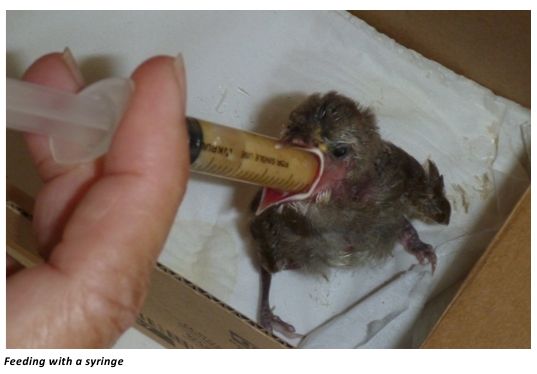
Hand-feeding a myna chick is a delicate task. Always wash your hands thoroughly before handling the bird to prevent infections.
Use a gentle touch and keep the bird calm by speaking softly or humming. Hold the baby bird securely but not too tight, so it feels safe without being hurt.
Feed small amounts frequently—about every two to three hours. Overfeeding or rushing can cause choking or stress.
Using Feeding Tools
Feeding tools make the process cleaner and easier. A syringe or a small spoon works well for delivering soft, nutritious food.
Warm the food slightly to mimic the natural temperature of regurgitated meals from parent birds. Cold food can upset the chick’s stomach.
Clean your feeding tools after every use to avoid bacteria build-up. You can sterilize them by boiling or using safe disinfectants.
Encouraging Independent Eating
At some point, your myna baby needs to learn to eat on its own. Introduce solid foods by placing small pieces of soft fruits or soaked pellets in its enclosure.
Observe and gently guide the bird toward the food without forcing it. Patience is key—some birds take longer to adjust.
Ask yourself: How can you make feeding time more engaging for your myna? Try offering different textures and colors to spark curiosity.
Common Feeding Challenges
Feeding a myna baby bird can be rewarding but also tricky. You may face some common challenges that test your patience and knowledge. Recognizing these issues early helps you provide the care your myna needs to thrive.
Refusal To Eat
One of the most frustrating problems is when your myna chick refuses to eat. This could be due to stress, unfamiliar food, or illness. Try offering small amounts of different soft foods like soaked dog biscuits, mashed fruits, or boiled eggs to see what appeals.
Sometimes, a gentle warming of the food can make it more inviting. Have you noticed your bird turning away or closing its beak tightly? That’s a clear sign to change your approach or check for underlying health problems.
Digestive Issues
Digestive problems like diarrhea or constipation often arise from improper feeding. Overfeeding or giving food that’s too cold can upset your myna’s stomach. Watch for loose droppings or lack of droppings, which signal trouble.
Keeping a feeding schedule and preparing food with the right texture and temperature can prevent these issues. If the bird shows persistent symptoms, consulting a vet is crucial to avoid serious complications.
Dehydration Signs
Dehydration is a silent threat during feeding. If your myna baby looks lethargic or has sunken eyes, it might be dehydrated. A quick test is gently pinching the skin at the back of its neck—if it doesn’t snap back quickly, hydration is low.
You can offer fluids through a syringe or by mixing water into the food. How often do you check your baby bird’s hydration? Being proactive can save its life in critical moments.
Transition To Adult Diet
Transitioning your myna baby bird to an adult diet is a crucial phase that requires patience and attention. This period ensures your bird gets used to solid foods and develops strong eating habits for its future health. How you manage this change can significantly impact your bird’s growth and happiness.
Gradual Changes
Start by slowly reducing the frequency of hand-feeding or formula. Replace some feedings with soft, easy-to-digest solid foods like soaked fruits and finely chopped vegetables.
Make the transition smooth by mixing familiar tastes with new textures. Sudden diet shifts can stress your myna, so give it time to adjust over several weeks.
Introducing New Foods
Offer a variety of foods to expand your bird’s palate and nutrition. Try small pieces of boiled eggs, cooked rice, and mashed beans along with fresh fruits like papaya and apple.
Watch how your bird reacts to each new item—some may become favorites, while others might be rejected initially but accepted later. Have you noticed your myna’s preferences changing day by day?
Monitoring Growth Progress
Keep a daily log of your myna’s weight, eating habits, and energy levels. Consistent growth and bright eyes are good signs your bird is thriving.
If your myna seems lethargic or loses weight, reassess the diet and consult an avian vet. Early detection of problems can save your bird from serious health issues.
Frequently Asked Questions
What Is The Best Food For A Baby Myna Bird?
The best food for baby myna birds includes soft fruits, soaked pellets, and finely chopped insects. These provide essential nutrients for growth and development. Avoid feeding hard seeds or processed foods that are difficult for them to digest.
How Often Should I Feed A Myna Baby Bird?
Feed a myna baby bird every 2 to 3 hours during the day. Young mynas need frequent meals to maintain energy and support healthy growth. Gradually reduce feeding frequency as they mature.
Can I Feed A Myna Baby Bird Milk Or Dairy?
No, avoid feeding milk or dairy to baby myna birds. Birds cannot digest lactose, which may cause digestive problems. Stick to natural foods like fruits, insects, and specialized bird formula.
When Can A Baby Myna Bird Eat Solid Food?
Baby mynas can start solid food at about 2 weeks old. Introduce soft fruits and finely chopped vegetables gradually. Ensure food is easy to swallow and digest to prevent choking or discomfort.
Conclusion
Feeding a myna baby bird needs care and attention. Offer soft, nutritious food often. Fresh fruits, insects, and soaked pellets work well. Keep the food clean and fresh. Avoid giving too much sugar or salt. Watch the baby bird’s health closely.
A happy myna grows strong and healthy. Feeding right helps build trust and bond. Small steps make a big difference. Enjoy caring for your myna bird every day.