

Finding a tiny, helpless baby bird can tug at your heart. You want to help, but you might wonder, “What do I feed a nestling baby bird?” Giving the right food is crucial for its survival and growth.
If you feed it the wrong thing, you could unintentionally harm it. You will discover simple, safe, and effective ways to nourish these fragile creatures. Keep reading to learn exactly what your new feathered friend needs to thrive.
Nestling Diet Basics
Feeding nestling baby birds requires careful attention to their unique dietary needs. These young birds rely entirely on you to provide the right fuel for their growth and development. Understanding the basics of their diet helps you make smart choices that can improve their chances of survival.
Nutritional Needs
Nestlings need a diet rich in protein to support rapid growth. Their bodies are building muscles, feathers, and organs, so foods like insects, worms, and small bits of meat are essential. You might be surprised to learn that some baby birds also benefit from small amounts of fruits and seeds, but these should never replace protein sources.
Vitamins and minerals are just as important. Calcium, for example, is vital for strong bones and healthy development. Offering crushed eggshells or a calcium supplement can make a big difference.
Food Texture And Size
Think about the size of the food pieces you offer. Nestlings have tiny mouths and delicate throats, so food must be soft and small enough to swallow easily. Chopping or mashing the food can help prevent choking and make feeding smoother.
Texture matters too. Avoid hard or dry foods that can be difficult for baby birds to digest. Soft, moist foods mimic what parent birds naturally provide, making it easier for the nestling to eat and absorb nutrients.
Safe Foods For Nestlings
Feeding nestling baby birds requires careful attention to their nutritional needs. Providing safe foods helps ensure their healthy growth and development. Knowing what to offer can make a big difference in their survival and well-being.
Insects And Protein Sources
Protein is crucial for nestlings as it supports rapid growth. Live or soft insects like mealworms, small crickets, and caterpillars are excellent options. These mimic the natural diet many baby birds receive from their parents.
You can also offer finely chopped cooked eggs for a protein boost. Avoid hard or large insects that could choke the babies. Always check the size and texture before feeding.
Fruits And Vegetables
Soft fruits and vegetables provide essential vitamins and hydration. Small pieces of mashed bananas, apples (without seeds), and cooked carrots are safe choices. Avoid citrus fruits and anything acidic that might upset their stomach.
Try mixing fruits with protein sources to create a balanced meal. This variety helps you meet their nutritional needs without overloading them with one type of food. Have you noticed how some birds eagerly accept juicy fruits while others prefer insects?
Commercial Bird Foods
Ready-made nestling formulas are designed to cover all nutritional bases. These products often come as powders to mix with water, creating a soft, easy-to-digest food. They can be a reliable option when natural food sources are unavailable.
Look for brands that specify use for baby birds and avoid additives or artificial colors. Using commercial foods alongside natural options can improve your feeding success. Have you tried combining commercial mixes with fresh foods to see which your nestlings prefer?
Foods To Avoid
Knowing what notto feed nestling baby birds is just as important as knowing the right foods. Some items can harm or even kill these fragile little creatures. Avoiding dangerous foods keeps them safe and helps them grow strong.
Toxic Items
Many common household and garden items are toxic to baby birds. Foods like chocolate, caffeine, and avocado contain chemicals that can poison them quickly.
- Chocolate:Contains theobromine, which is deadly to birds.
- Caffeine:Found in coffee and tea, it overstimulates their heart and nervous system.
- Avocado:Contains persin, a toxin that causes respiratory distress.
Have you ever thought about how seemingly harmless foods can be lethal? It’s easy to forget that birds’ metabolisms are very different from ours.
Improper Human Foods
Feeding baby birds processed or seasoned human foods can cause serious health problems. Salt, sugar, and spices disrupt their delicate digestive systems.
- Salty snacks:Chips and pretzels can cause dehydration and kidney issues.
- Sugary treats:Candy and sweets lead to malnutrition and weaken their immune system.
- Cooked meats and dairy:These are hard for baby birds to digest and often lack the nutrients they need.
You might think a bit of bread or cheese is harmless, but these items fill up their stomachs without providing nutrition. What impact do you think that has on their growth?
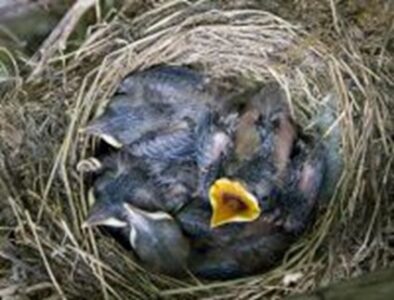
Credit: irishwildlifematters.ie
Feeding Techniques
Feeding nestling baby birds requires careful attention to technique. Proper feeding methods ensure the little ones get the right nutrients without choking or stress. Your approach can make all the difference in their survival and growth.
Hand-feeding Tips
Use a small, soft-tipped syringe or a specialized feeding spoon to gently deliver food into the bird’s mouth. Avoid forcing the beak open; instead, let the baby bird open its mouth naturally. This prevents injury and mimics how parent birds feed their chicks.
Keep the food at room temperature—too hot or too cold can harm the delicate nestling. If you notice the baby bird struggling to swallow, pause and give it a moment to recover. Patience is key to successful hand-feeding.
Feeding Frequency And Quantity
Newborn nestlings need feeding every 15 to 20 minutes during daylight hours. As they grow, the intervals can stretch to 30 minutes or more. Watch for signs of fullness, like the crop (the soft pouch in their throat) feeling slightly distended but not hard.
Overfeeding can be dangerous, so start with small amounts and increase gradually. A good rule is to feed enough so the crop is about half to two-thirds full. Ask yourself: How can you tell if the baby bird is getting just the right amount?
Signs Of Healthy Growth
Recognizing the signs of healthy growth in nestling baby birds is essential for anyone caring for these delicate creatures. Healthy growth shows that your feeding efforts are effective and the birds are developing well. Paying attention to specific indicators helps you adjust your care routine quickly and confidently.
Weight Monitoring
Tracking your baby bird’s weight regularly offers clear insight into their health. Use a small, precise scale to weigh the nestlings daily at the same time. Consistent weight gain is a good sign, but sudden drops or stagnant weight suggest a problem.
Keep a simple chart or log to record weights. This way, you can spot trends easily and share accurate information if you consult a wildlife expert. Have you noticed how even a small change in weight can reflect bigger health shifts?
Behavioral Indicators
Behavior reveals much about a nestling’s condition beyond numbers. Healthy baby birds are typically active and responsive when you approach or feed them. Look for alertness, strong begging calls, and steady movement.
If a bird seems lethargic, weak, or uninterested in food, it might need extra care. Watch how they position themselves—nestlings stretching their necks and opening their mouths wide are usually thriving. Have you ever seen a tiny bird suddenly perk up just after feeding? That’s a powerful sign they’re getting the nutrition they need.

Credit: tracyaviary.org
When To Seek Expert Help
Knowing when to seek expert help for a nestling baby bird can make a critical difference in its survival. Some signs are subtle, while others are clear warnings that you might not be equipped to handle alone. Understanding these signals will help you act quickly and responsibly.
Injury Or Illness
If the baby bird shows signs of injury, such as bleeding, broken wings, or difficulty moving, it’s time to contact a wildlife rehabilitator. Illness symptoms like lethargy, labored breathing, or unusual droppings also require immediate expert attention.
Trying to treat injuries or illnesses without proper knowledge can do more harm than good. Have you noticed a nestling that isn’t responding or seems weak despite feeding? That’s a clear red flag to get professional help.
Unusual Feeding Challenges
Sometimes, the baby bird may refuse food, choke, or have trouble swallowing. These issues can indicate underlying health problems or developmental delays. If you struggle to feed the bird despite following recommended techniques, an expert’s guidance is crucial.
Keep an eye on how the bird reacts during feeding times. Are you wondering why it’s not thriving despite your efforts? Feeding difficulties often require more than just patience—they need specialized care.

Credit: swibirds.org
Frequently Asked Questions
What Do Nestling Baby Birds Eat Initially?
Nestling baby birds mainly eat protein-rich insects like caterpillars and worms. These foods provide essential nutrients for growth and development. Avoid feeding bread or seeds, as these lack proper nutrition for young birds.
Can I Feed Baby Birds With Milk Or Bread?
No, milk and bread are harmful to baby birds. Milk can cause digestive issues, and bread offers little nutritional value. Instead, provide insects or specialized bird formula to ensure healthy growth.
How Often Should I Feed A Nestling Bird?
Feed nestling birds every 15 to 20 minutes from dawn until dusk. Their rapid growth requires frequent feeding to maintain energy and development. Consistency is key to their survival and health.
Is It Safe To Feed Baby Birds With Human Food?
Human food is generally unsafe for nestlings as it lacks necessary nutrients. Avoid processed or seasoned foods. Stick to natural insect diets or commercial bird formulas designed for baby birds.
Conclusion
Feeding nestling baby birds requires care and the right food choices. Offer soft foods like wet dog food, boiled eggs, or mealworms. Keep their diet varied and nutritious. Always ensure food is fresh and suitable for their age. Avoid bread or milk as they can harm the birds.
Regular feeding is crucial for their growth and health. Be gentle and patient while feeding them. Remember, each bird has unique needs. Observing their reactions helps tailor their diet. Helping these tiny creatures thrive can be a rewarding experience.