

Are you wondering what to feed those adorable new baby birds chirping in your backyard? It’s a delightful challenge to care for these tiny creatures, and knowing what to feed them is essential.
You might be worried about giving them the right nutrients to thrive, and that’s completely normal. But don’t worry, you’re not alone on this journey. By the end of this article, you’ll feel confident and prepared to provide the best nutrition for your feathered friends.
Imagine the joy of watching them grow strong and healthy, all because of your care. Ready to discover the secrets to their ideal diet? Let’s dive in!

Credit: www.discovermagazine.com
Choosing The Right Food
Choosing the right food for new baby birds is crucial for their growth and health. Baby birds need a diet rich in nutrients to develop strong bones, feathers, and muscles. Their food should be easy to digest and similar to what they would eat in nature. Feeding the wrong type of food can cause health problems or even be fatal. Understanding the best options helps ensure baby birds thrive in your care.
Natural Diets For Baby Birds
Wild baby birds eat a mix of insects, worms, and soft fruits. Insects provide essential proteins and fats. Soft fruits add vitamins and moisture. Baby birds also need small seeds or regurgitated food from parent birds. This natural diet supports fast growth and strong immunity. Mimicking this diet helps replicate their natural feeding habits.
Commercial Bird Food Options
Many pet stores sell special baby bird formula. These products contain balanced nutrients for young birds. Powdered or pellet forms are easy to prepare and feed. Choose formulas made for the specific bird species you are caring for. Always follow the package instructions carefully. Commercial food can be a safe, convenient choice for busy caregivers.
Avoiding Harmful Foods
Some foods are dangerous for baby birds. Avoid feeding bread, milk, or salty snacks. These items can cause digestive problems or poisoning. Also, do not give honey, chocolate, or caffeine. These substances are toxic to birds. Always keep baby birds away from spoiled or moldy food. Safe feeding prevents illness and supports healthy growth.
Feeding Techniques
Feeding new baby birds requires patience and precise techniques to ensure they get the nutrition they need to grow strong. Understanding how to feed them properly can make all the difference in their survival and development. Let’s look at some key feeding techniques that will help you care for these fragile creatures effectively.
Hand-feeding Methods
Hand-feeding baby birds means you become their primary source of food and comfort. Use your fingers or a small spoon to gently place food into their open mouths. Always be gentle to avoid injuring their delicate throats.
I once cared for a tiny sparrow that refused to eat from a syringe. Switching to hand-feeding with a tiny spoon helped build trust and made feeding easier. Your patience and gentleness can help the baby bird feel safe and encourage it to eat.
Using Feeding Tools
Feeding tools like syringes, droppers, or small spoons can help deliver food precisely. Syringes work well for liquid or pureed food, while droppers are better for very small amounts.
- Make sure the tool’s tip is soft and small to prevent injury.
- Warm the food to body temperature before feeding.
- Keep the bird upright to avoid choking.
Have you tried different tools to find what your baby bird prefers? Sometimes switching tools can improve feeding success dramatically.
Feeding Frequency And Amounts
Newborn birds need frequent feeding, often every 15 to 20 minutes during daylight hours. Younger birds require smaller amounts but more frequent meals. As they grow, gradually increase the amount and reduce feeding frequency.
| Age of Baby Bird | Feeding Frequency | Approximate Amount per Feeding |
|---|---|---|
| Day 1-3 | Every 15-20 minutes | Small drops or 0.1-0.2 ml |
| Day 4-7 | Every 30 minutes | 0.2-0.5 ml |
| Day 8-14 | Every 45 minutes to 1 hour | 0.5-1 ml |
Pay close attention to the bird’s hunger cues. Overfeeding can cause problems just as underfeeding can. What signs will you watch for to know when to adjust feeding?
Nutritional Needs
Feeding new baby birds requires careful attention to their nutritional needs. Young birds grow rapidly and need a balanced diet to develop strong bones, feathers, and muscles. Providing the right nutrients can make a significant difference in their survival and health.
Essential Vitamins And Minerals
Baby birds need vitamins like A, D, and E to support vision, bone growth, and immune function. Calcium is critical for strong bones and proper muscle function. Without enough calcium, you might notice weak bones or difficulty moving in the chicks.
You can add crushed eggshells or finely ground calcium supplements to their food. Vitamin-rich foods such as mashed carrots or spinach can also help meet their needs. Do you have access to fresh, vitamin-packed foods that baby birds can easily digest?
Protein Sources
Protein fuels growth and repairs tissues in baby birds. Insects like mealworms, crickets, and small caterpillars are excellent protein sources. If live insects aren’t available, you can offer finely chopped boiled eggs or soaked dog kibble as alternatives.
Make sure the protein pieces are small enough for the babies to swallow safely. Too large chunks can cause choking or digestive problems. Have you tried offering a variety of protein options to see what your baby birds prefer?
Hydration For Baby Birds
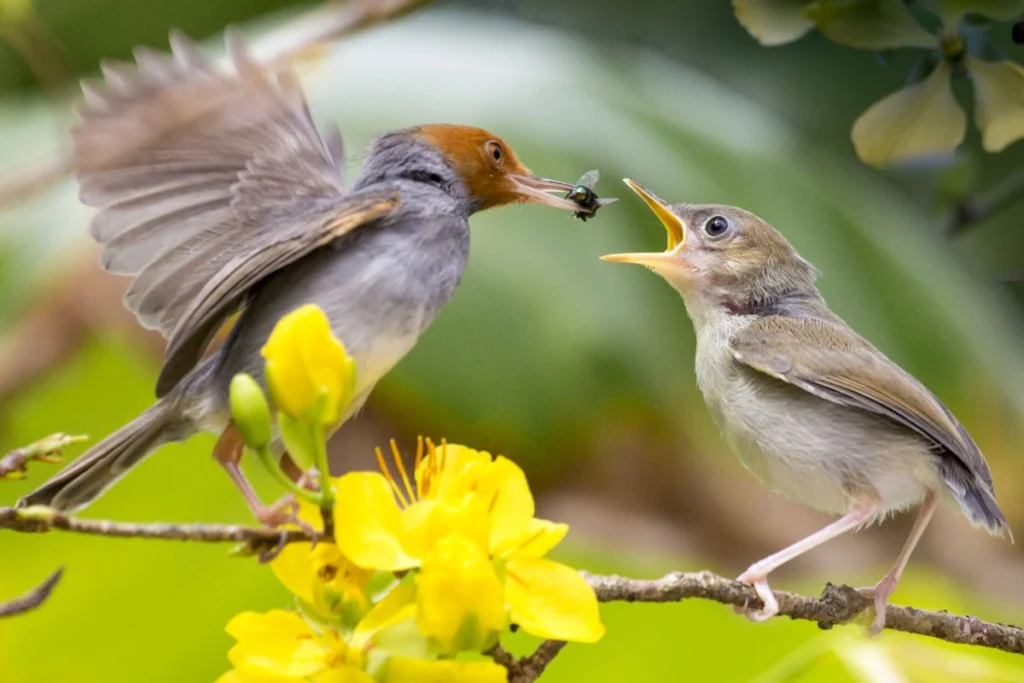
Hydration is just as crucial as food. Baby birds get most of their water from their diet, but you can provide extra hydration with a shallow dish of clean water nearby. Avoid giving water directly to the birds as it might lead to aspiration or drowning.
Keep their food moist by mixing it with water or baby bird formula to ensure they stay hydrated. Watch for signs of dehydration like lethargy or sunken eyes, and act quickly if you notice them. How often do you check that your baby birds are drinking enough fluids?
Credit: wildbloo.com
Common Feeding Mistakes
Feeding baby birds is delicate work. Many people make simple mistakes that can harm the young birds. Learning common feeding mistakes helps keep baby birds healthy and growing strong.
These errors can cause illness, stunted growth, or even death. Avoiding them ensures proper care and nutrition for each bird.
Overfeeding Risks
Feeding too much food stresses baby birds. Their tiny stomachs cannot handle large amounts.
- Overfeeding causes vomiting and choking.
- It may lead to obesity and poor digestion.
- Baby birds need smaller, frequent meals instead of large ones.
Improper Food Temperature
Food that is too hot or too cold harms baby birds. They cannot regulate their body temperature yet.
- Cold food can cause digestion problems.
- Hot food may burn their mouths and throats.
- Ideal feeding temperature is warm, around body heat.
Ignoring Bird Species Differences
Each bird species needs a special diet. Feeding all baby birds the same food causes problems.
- Insect-eating birds need protein-rich food.
- Seed-eating birds require softer seeds or pellets.
- Research the species to provide correct nutrition.
Signs Of Healthy Growth
Watching a baby bird grow is rewarding, but knowing if your care is effective can be tricky. Signs of healthy growth help you track progress and adjust feeding habits. These signs reveal more than just survival—they show thriving development.
Weight Gain Benchmarks
Regular weighing is key to understanding growth. Healthy baby birds usually gain weight steadily every day. If you notice little to no weight increase over several days, it could mean the diet needs improvement.
Use a small digital scale to measure your bird at the same time daily. Keep a simple chart to track changes and spot trends easily. Sudden weight loss or stagnation signals it’s time to revisit feeding routines.
Behavioral Indicators
Healthy baby birds are active and responsive. They chirp loudly when hungry and eagerly open their mouths during feeding. If your bird is unusually quiet, lethargic, or disinterested in food, it might be a sign of poor health.
Watch for alertness and interaction with you during feeding times. Healthy birds will show hunger cues consistently and respond to gentle handling. These behaviors indicate they’re getting enough nutrition to fuel energy.
Feather Development
Feather growth is a visual sign of well-being. New feathers should emerge evenly and look smooth and vibrant. Patchy or slow feather development may indicate nutritional gaps or health issues.
Notice how feathers transition from soft down to stronger flight feathers. Healthy birds’ feathers should not look dull or broken. If you see irregularities, consider adjusting your feeding plan to include essential vitamins and proteins.

Credit: www.amazon.com
Frequently Asked Questions
What Is The Best Food For New Baby Birds?
New baby birds need protein-rich foods like insects, mealworms, or soft boiled eggs. Avoid bread or milk, as they can harm them.
How Often Should Baby Birds Be Fed Daily?
Feed baby birds every 15 to 20 minutes from dawn to dusk. Consistent feeding ensures proper growth and health.
Can I Feed Baby Birds With Commercial Bird Formula?
Yes, specialized commercial bird formulas are safe and nutritious for baby birds. Follow instructions carefully for the best results.
When Can Baby Birds Start Eating Solid Food?
Baby birds can begin solid food around two weeks old. Introduce small, soft pieces gradually to help transition.
Conclusion
Feeding new baby birds takes care and patience. Use soft, small, and natural foods. Avoid giving bread or milk to them. Fresh water is important but offer carefully. Watch the birds’ health and growth every day. Help them only if they really need it.
Learning their needs helps them grow strong. Feeding baby birds right makes a big difference. Keep their safety and comfort always in mind. This simple care helps baby birds live well.