

Have you ever stumbled upon a nest of chirping, newly hatched baby birds and wondered what they eat? You’re not alone.
Caring for these tiny creatures can feel overwhelming, especially when their survival depends on your knowledge and actions. The thought of their little beaks wide open, waiting for nourishment, tugs at your heartstrings. Your instincts tell you to help, but what exactly should you feed them?
This guide is designed to ease your worries and provide the essential information you need. Let’s dive into the world of baby birds, where every meal makes a difference. Stick around to learn how you can ensure these fragile lives grow strong and healthy under your care.
Credit: wildbloo.com
Diet Needs Of Baby Birds
Feeding newly hatched baby birds is a delicate task that demands careful attention to their diet needs. Their tiny bodies require specific nutrients to grow strong and healthy. Understanding what these little birds need helps you provide the best care and increases their chances of survival.
Nutritional Requirements
Baby birds need a diet rich in protein, fats, and essential vitamins. Protein supports muscle and feather development, while fats provide energy. Offering foods like finely chopped insects, mealworms, or commercial baby bird formula can meet these needs effectively.
Calcium is also crucial for bone growth. You can add crushed eggshells or a bit of calcium supplement to their meals. Avoid feeding bread or milk, as these can cause digestive problems and offer little nutritional value.
Feeding Frequency
Newly hatched birds require frequent feeding—often every 15 to 20 minutes during daylight hours. Their small stomachs empty quickly, so skipping feedings can stress them and stunt growth. As they grow, you can gradually increase the time between feedings.
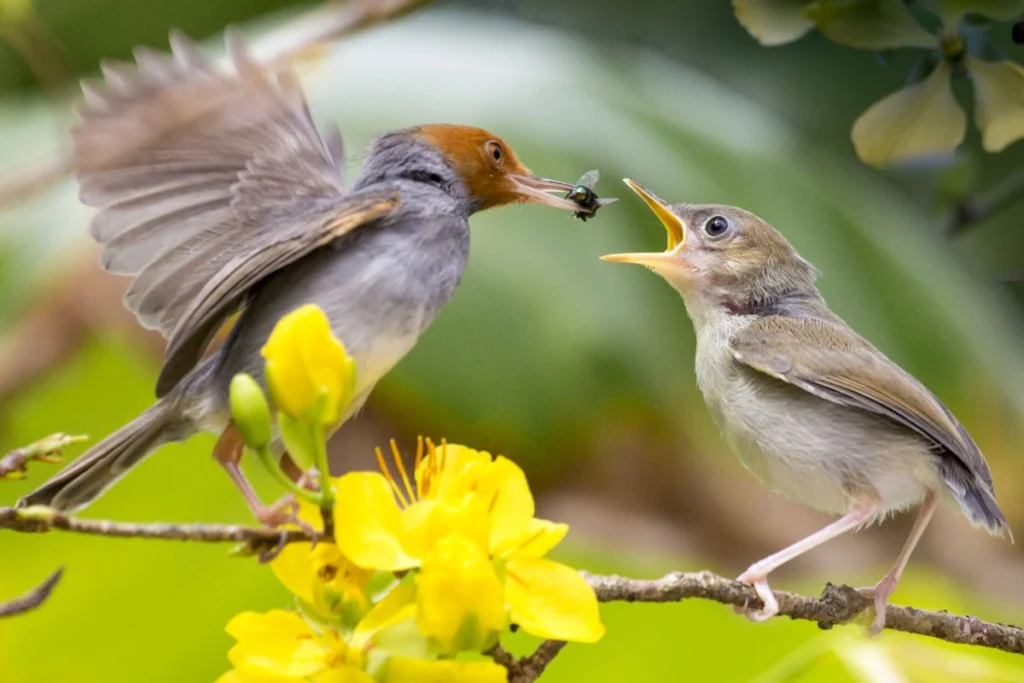
Pay close attention to their hunger signals like opening their mouths wide or making soft chirps. These signs tell you when they are ready for the next meal and help prevent overfeeding or underfeeding.
Hydration Tips
Hydration is just as important as nutrition. Baby birds get most of their water from the food you provide, so moist foods are ideal. Avoid giving water directly, as it can cause choking or aspiration.
If you use a commercial formula, ensure it’s mixed with the right water amount to keep the consistency easy to swallow. Keep the food fresh to prevent dehydration and illness, and watch for signs of dehydration like lethargy or wrinkled skin.

Credit: www.amazon.com
Safe Food Options
Feeding newly hatched baby birds requires care and attention. Safe food choices support their growth and health. Their tiny bodies need easy-to-digest, nutrient-rich food. Avoid anything too hard or harmful. Providing the right food helps them build strength and develop properly.
Insects And Protein Sources
Baby birds need protein for muscle and feather growth. Soft insects like mealworms, small crickets, and fruit flies work well. Cooked egg yolk is another good source of protein. Avoid hard or large insects that can choke them. Always offer fresh, clean protein to prevent illness.
Fruits And Vegetables
Fruits and vegetables provide vitamins and hydration. Soft fruits like mashed bananas, apples, and berries are safe. Cooked and finely chopped vegetables like peas and carrots are gentle on their stomachs. Avoid citrus fruits and anything sour. Wash produce thoroughly to remove pesticides and dirt.
Specialized Bird Food
Specialized bird food offers balanced nutrition. Baby bird formulas are available in pet stores. These powders mix with water to create a soft, easy-to-feed meal. Follow package instructions carefully for proper preparation. This food mimics what parent birds feed their young. It helps ensure baby birds get all needed nutrients.
Foods To Avoid
Knowing what not to feed newly hatched baby birds is just as important as knowing what to feed them. Some foods can cause serious harm or even be fatal. Avoiding these dangerous items helps ensure the fragile chicks grow strong and healthy.
Toxic Foods
Many common foods are poisonous to baby birds. Avoid feeding them chocolate, caffeine, and alcohol at all costs. Even small amounts can cause severe health problems or death.
Onion and garlic are also toxic and should never be given. These can damage their red blood cells and cause breathing difficulties. It’s easy to think natural foods are safe, but some plants and fruits like avocado are deadly to birds.
Improper Human Foods
Feeding baby birds processed human food is risky. Items high in salt, sugar, and fat upset their delicate digestive systems. Avoid giving them bread, chips, or anything fried.
Milk and dairy products are another no-go. Baby birds lack the enzymes to digest lactose properly, leading to diarrhea and dehydration. Always stick to specially prepared bird formulas or natural insect-based diets.
Choking Hazards
Small birds have tiny throats, so size matters when feeding. Avoid large seeds, nuts, or hard pellets that can get stuck. Even certain fruits with large pits or tough skins pose choking risks.
If you’ve ever tried feeding a chick and saw it struggle to swallow, you know how important it is to offer only soft, appropriately sized food. Can you imagine the panic if your tiny charge chokes because of something avoidable?
Credit: wildbloo.com
Feeding Techniques
Feeding newly hatched baby birds requires careful techniques to ensure their health and growth. Proper feeding helps mimic what parent birds do in the wild. It also reduces stress on the fragile chicks. Learning the right ways to feed promotes their survival and well-being.
Hand-feeding Tips
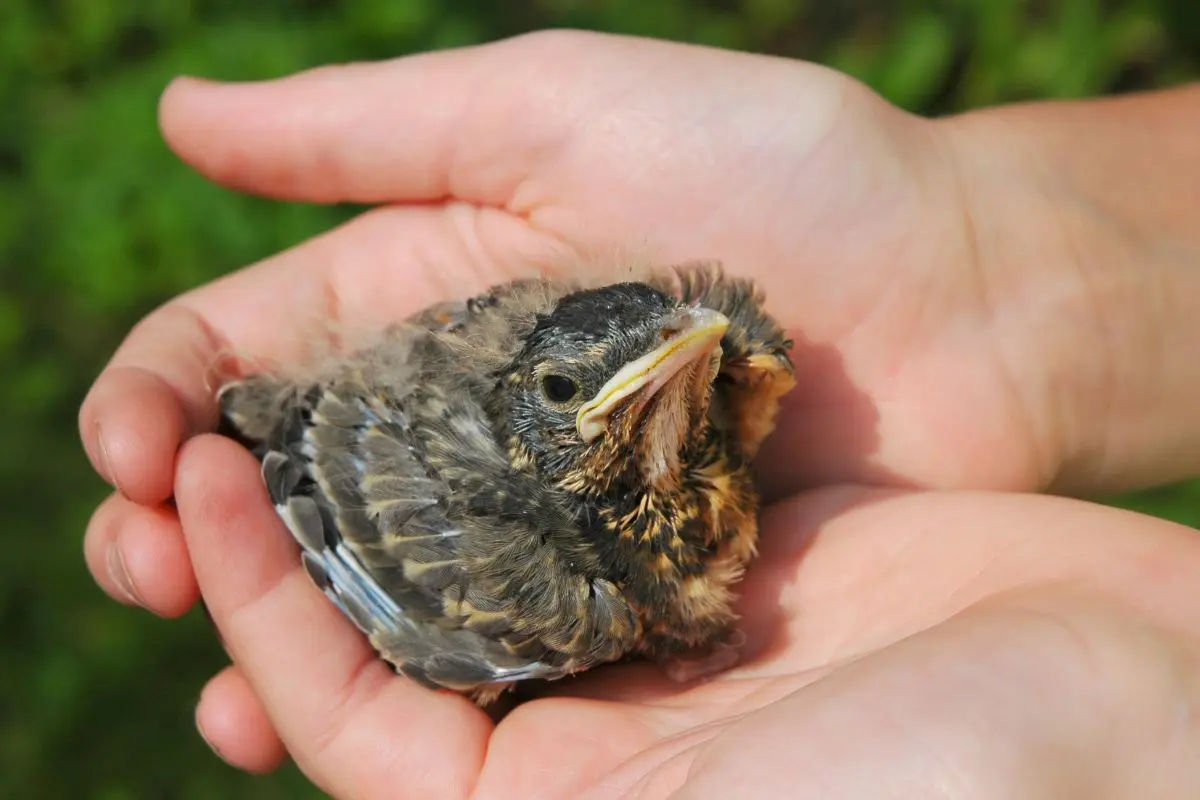
Hold the baby bird gently but firmly in your palm. Use a soft cloth to support its body. Avoid squeezing or putting pressure on the chest. Offer small amounts of food slowly. Watch for signs of fullness, like closing the beak. Never force-feed, as it can cause injury.
Using Feeding Tools
Use tools designed for feeding tiny birds. A small syringe or dropper works well for liquid food. Tweezers or feeding sticks help deliver solid food carefully. Clean tools before and after every feeding. Choose soft tips to avoid harming the bird’s mouth.
Maintaining Cleanliness
Keep all feeding equipment spotless to prevent infections. Wash your hands thoroughly before handling baby birds. Clean the feeding area regularly. Dispose of leftover food immediately to avoid bacteria build-up. A clean environment supports the bird’s immune system.
Signs Of Healthy Growth
Recognizing the signs of healthy growth in newly hatched baby birds is essential for anyone caring for these delicate creatures. Healthy growth shows you that your feeding efforts are working and helps you catch problems early. By paying close attention to specific markers, you can ensure your baby birds thrive and develop as they should.
Weight Monitoring
Tracking your baby bird’s weight daily is one of the most reliable ways to monitor growth. Use a small, precise scale and record the weight at the same time each day. Consistent weight gain, even if small, usually means your feeding routine is effective.
If you notice sudden weight loss or no gain over several days, it could be a sign of illness or inadequate nutrition. Have you noticed how even a minor dip in weight can signal a bigger problem? Acting quickly can make all the difference.
Behavioral Indicators
Healthy baby birds are alert and responsive to their environment. They should eagerly open their mouths when you approach with food and show good muscle tone when handled gently. Sleep patterns also matter; too much lethargy or excessive restlessness can indicate stress or health issues.
Pay attention to their vocalizations. Soft chirps and calls are normal, but constant silence or weak sounds may signal discomfort. How often do you check for these subtle signs during feeding times?
Common Health Issues
Watch out for signs like swollen eyes, crusty nostrils, or abnormal droppings, which often point to infections. Respiratory problems such as wheezing or labored breathing require immediate attention. Dehydration is another common issue — dry skin and sunken eyes are clear warnings.
Preventing these problems starts with clean feeding tools and a warm, safe environment. Have you considered how small changes in care can prevent many health setbacks?
Frequently Asked Questions
What Is The Best Food For Newly Hatched Baby Birds?
Newly hatched baby birds need protein-rich food like soaked dog kibble, hard-boiled eggs, or mealworms. Avoid bread or milk as they can harm them. Feed small amounts frequently to mimic natural feeding by parent birds.
How Often Should Baby Birds Be Fed Daily?
Feed baby birds every 15 to 20 minutes from sunrise to sunset. Young birds have fast metabolisms and require frequent feeding to grow healthy and strong.
Can I Feed Baby Birds With Human Food?
Avoid feeding baby birds processed human food. Stick to natural, protein-rich options like insects and eggs. Human food often lacks proper nutrients and can cause digestive issues in baby birds.
When Can Baby Birds Start Eating Solid Food?
Baby birds can start eating soft, solid food around two weeks old. Introduce mashed fruits, soaked grains, and small insects gradually while continuing protein-rich feeding.
Conclusion
Feeding baby birds the right food helps them grow strong and healthy. Use soft, easy-to-digest foods like soaked dog food or insects. Avoid giving bread or milk, as these can harm the birds. Feed small amounts often to match their tiny stomachs.
Watch them carefully and keep their environment safe. With care and the right feeding, baby birds can thrive and fly soon. Caring for them is a gentle, rewarding task anyone can learn.