

Are you wondering what to feed newly hatched birds? You’re not alone.
Many bird enthusiasts and first-time caregivers find themselves unsure about the best nutrition for their tiny feathered friends. These delicate creatures require specific care and feeding to ensure they grow strong and healthy. But don’t worry, we’ve got you covered.
We’ll unravel the mysteries of bird nutrition, giving you clear and simple guidance to help your hatchlings thrive. Stick with us, and you’ll gain the confidence you need to nurture these newborns with the right food choices. Let’s dive into the essentials of feeding newly hatched birds and ensure you’re fully prepared to support their growth.
Choosing The Right Food
Choosing the right food for your newly hatched bird is crucial for its growth and survival. These tiny creatures need a carefully balanced diet that provides essential nutrients without harming their delicate systems. Your choices now will shape their health for life, so it’s important to be precise and thoughtful.
Types Of Suitable Foods
Newly hatched birds require food that is easy to digest and rich in protein. Soft, moist foods are best because they mimic what parent birds feed their chicks. You can offer:
- Commercial hand-feeding formulas:These are specially designed to provide balanced nutrition and are often the safest choice.
- Boiled egg yolk:High in protein and fat, it helps support rapid growth.
- Insects and larvae:Small mealworms or fruit flies provide natural protein sources.
- Soaked dog or cat kibble:When softened, it can serve as a temporary protein source.
Have you noticed how some birds refuse certain foods? Patience and gentle persistence often pay off in finding what your bird prefers and thrives on.
Avoiding Harmful Ingredients
It’s easy to make mistakes by feeding birds foods that seem safe but can actually be harmful. Stay away from:
- Salt and sugar:These can damage your bird’s kidneys and overall health.
- Milk and dairy products:Birds lack the enzymes to digest lactose.
- Raw potatoes and onions:These contain toxins dangerous to birds.
- Processed human foods:They often have additives and preservatives harmful to birds.
Think about how you would feel eating something toxic every day—your bird’s body is even more sensitive. Are you double-checking ingredient lists before feeding your hatchling? It’s a simple step that can prevent serious harm.
Feeding Frequency And Portions
Feeding newly hatched birds requires careful attention to both how often you feed them and the amount of food you provide. These factors are crucial for their growth and survival. Overfeeding or underfeeding can lead to health problems, so understanding the right balance is key.
How Often To Feed
Newly hatched birds usually need feeding every 15 to 30 minutes during daylight hours. Their tiny stomachs digest food quickly, so frequent meals keep their energy levels stable.
As they grow, the feeding intervals gradually increase. You might notice that after a week, feeding every 45 minutes to an hour is enough.
Ask yourself: how alert and active does your bird seem? If it’s restless or crying, it might need feeding more often.
Adjusting Food Amounts
Start with small portions—about the size of the bird’s beak or a bit more. This prevents choking and helps you gauge their appetite accurately.
Watch for signs that your bird is full, such as turning away or closing its beak. If it eagerly opens its mouth, it’s ready for a bit more.
Remember, as the bird grows, increase portions gradually. Too much food at once can cause digestive issues, while too little slows growth.
Preparing Homemade Bird Formula
Preparing homemade bird formula is important for the health of newly hatched birds. It provides the right nutrients for their growth. A good formula mimics the natural diet of parent birds. Homemade options are fresh and safe when made correctly.
Using simple ingredients helps create a balanced mix. Proper preparation and storage keep the formula fresh and nutritious. This guide covers essential ingredients and tips to mix and store the formula well.
Essential Ingredients
- Baby cereal or finely ground oats for carbohydrates
- Hard-boiled egg yolk for protein and fats
- Plain yogurt or cottage cheese for calcium and probiotics
- Warm water to create a smooth, easy-to-swallow texture
- Fruit puree like mashed banana or apple for vitamins
- Vitamin and mineral supplements recommended by a vet
Use fresh, high-quality ingredients. Avoid sugar, salt, and spices. Keep everything clean to prevent infections.
Mixing And Storage Tips
- Mix ingredients thoroughly for a smooth consistency
- Warm the formula to about body temperature before feeding
- Prepare small batches to avoid waste and spoilage
- Store unused formula in a clean, sealed container in the fridge
- Use refrigerated formula within 24 hours
- Discard any leftover formula after feeding
Always clean feeding tools after each use. Consistent hygiene prevents illness in young birds.

Credit: www.amazon.com
Using Commercial Bird Food
Using commercial bird food can simplify feeding your newly hatched bird, especially if you’re new to bird care. These products are designed to meet the specific nutritional needs of young birds, offering a balanced diet that supports healthy growth. However, choosing the right commercial food and knowing when to make the switch are key to your bird’s development.
Selecting Quality Products
Not all commercial bird foods are created equal. Look for brands that list high-quality protein sources, vitamins, and minerals on the label. Avoid products with excessive fillers like corn or wheat, as they provide little nutritional value.
Some commercial formulas come as powders or pastes, which are easier for hatchlings to digest. You might find it helpful to read reviews or ask experienced bird owners about trusted brands. Have you noticed how some foods make a clear difference in your bird’s energy and feather condition?
When To Switch To Commercial Food
Newly hatched birds often start with hand-feeding formulas before transitioning to more solid commercial foods. This switch usually happens around two to three weeks of age, depending on the species.
Watch for signs like your bird beginning to peck at food or showing less interest in liquid diets. Gradually introduce commercial pellets or seeds alongside their current diet to ease the change. Do you feel unsure about the timing? Observing your bird’s behavior closely can guide you better than any strict schedule.
Feeding Techniques For Hatchlings
Feeding newly hatched birds requires more than just the right food; the technique you use can significantly affect their survival and growth. Handling these tiny creatures gently and correctly is key to ensuring they get the nutrition they need without stress or injury. Your approach to feeding can make all the difference in their early days.
Hand-feeding Methods
Hand-feeding hatchlings demands patience and precision. Use a small syringe or a specialized feeding spoon to deliver food carefully into the bird’s mouth. Keep the food warm—around body temperature—because cold food can cause digestive issues.
Start by offering small amounts, allowing the bird to swallow before giving more. Watch for any signs of choking or distress and adjust your technique accordingly. You might notice that some hatchlings open their mouths eagerly, while others need gentle encouragement.
Have you ever tried feeding with your hands? It can feel tricky at first, but with practice, you’ll develop a rhythm that feels natural for both you and the bird. Remember to clean feeding tools thoroughly after each use to prevent infections.
Ensuring Safe Feeding
Safety during feeding is crucial. Never force-feed or pour food too quickly, as this can cause aspiration, leading to serious health problems. Always keep the bird’s head slightly elevated to help food move down the throat smoothly.
Monitor the consistency of the food. It should be soft but not runny, to reduce the risk of choking. If you notice any leftover food around the beak or mouth, gently wipe it away to keep the area clean.
Also, consider the feeding frequency. Hatchlings need to eat often, sometimes every 15-20 minutes during daylight hours. Are you ready to commit to this demanding schedule? Your dedication will directly impact their chances of thriving.
Hydration Needs
Newly hatched birds have delicate hydration needs that are easy to overlook. Keeping your chick properly hydrated is just as important as feeding it the right nutrients. Without enough water, even the best diet won’t support healthy growth.
Water Requirements
Newly hatched birds get most of their water from their food, especially if you feed them soft, moist diets like soaked pellets or mashed fruits. However, you should still provide a shallow dish of clean, fresh water nearby.
Too much water in their food can cause digestive issues, so balance is key. Offer water frequently but in small, manageable amounts to avoid choking or drowning risks.
Have you noticed how some chicks drink more than others? Pay attention to each bird’s behavior and adjust water availability accordingly.
Signs Of Dehydration
Dehydration in chicks can happen quickly and is dangerous. Watch for signs like sunken eyes, dry or wrinkled skin, and lethargy.
If your chick seems weak or isn’t feeding properly, dehydration might be the cause. Gently pinch the skin at the back of its neck—if it doesn’t spring back quickly, the chick needs more fluids.
Catch these signs early to prevent serious health problems. Hydration isn’t just about water; it’s about observing your chick closely every day.
Monitoring Growth And Health
Monitoring the growth and health of a newly hatched bird is vital for its survival. Careful observation helps ensure the bird develops properly and stays strong. Early detection of any issues allows for quick action to support the bird’s well-being.
Tracking Weight Gain
Regularly weigh the bird to track its growth. Use a small, accurate scale designed for birds. Weigh the bird at the same time each day to get consistent results. Healthy chicks gain weight steadily. A sudden drop or no gain may signal a problem.
- Record the weight daily in a notebook or app.
- Compare weight gain with species-specific growth charts.
- Adjust feeding amounts based on weight trends.
Recognizing Health Issues
Watch for signs of illness or distress. Healthy birds are alert and active. Signs of health problems include:
- Weakness or lethargy
- Fluffed-up feathers
- Difficulty breathing
- Unusual droppings
- Refusal to eat
Early detection helps prevent serious illness. Contact a vet if any symptoms appear.
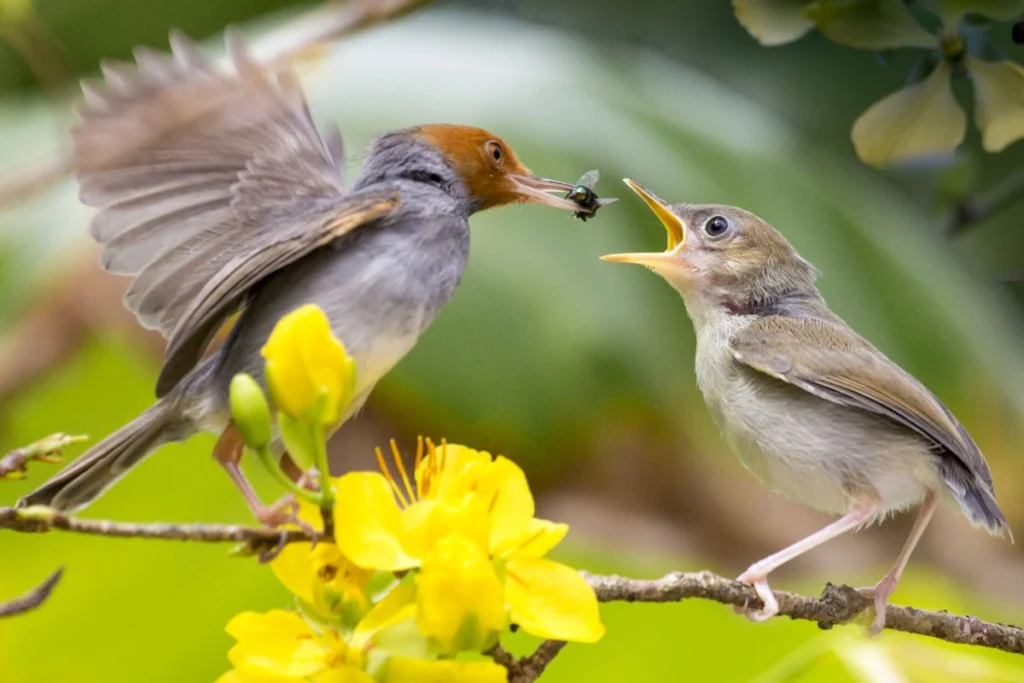
Credit: wildbloo.com
Common Mistakes To Avoid
Feeding a newly hatched bird needs careful attention. Mistakes can harm its health and growth. Avoid common errors to keep the baby bird safe and strong.
Overfeeding Risks
Giving too much food can cause serious problems. The bird’s crop may become full and not empty properly. This leads to crop infections or choking. Watch the bird’s hunger signals closely. Feed small amounts often rather than large meals. Proper feeding helps the bird digest food well and grow healthy.
Feeding Inappropriate Foods
Not all foods suit baby birds. Foods like bread, milk, or seeds can harm them. These items lack the nutrients needed for growth. Avoid processed or salty foods. Offer specially made bird formula or natural options like insects and soft fruits. Correct food supports strong bones and feathers. Using the right diet prevents illness and promotes good health.

Credit: www.amazon.com
Frequently Asked Questions
What Is The Best Food For Newly Hatched Birds?
Newly hatched birds need a diet rich in protein and moisture. Soft, easily digestible foods like soaked dog kibble, boiled eggs, or specialized hand-feeding formula work best. Avoid seeds or solid foods until they grow older.
How Often Should I Feed A Newly Hatched Bird?
Feed the bird every 15 to 20 minutes during daylight hours. Young birds have high metabolism and need frequent feeding for growth. Gradually reduce feeding intervals as the bird matures.
Can I Feed Newly Hatched Birds With Homemade Food?
Yes, homemade food can be used if balanced and soft. Use boiled eggs, baby cereal, and mashed fruits, ensuring the mix is moist and nutritious. Avoid harmful ingredients like salt, sugar, or spices.
Should I Give Water To Newly Hatched Birds?
Do not give water directly to hatchlings; they get moisture from their food. Giving water can cause choking or aspiration. Ensure their food contains enough hydration.
Conclusion
Feeding a newly hatched bird the right food helps it grow strong. Soft, easy-to-digest meals suit their tiny bodies best. Fresh water and cleanliness keep them healthy and safe. Watch the bird’s behavior to know if it’s eating well. Patience and care make a big difference in their early days.
Small steps lead to happy, healthy birds ready to fly. Keep feeding simple and gentle for best results. Every little effort helps your bird thrive and survive.